
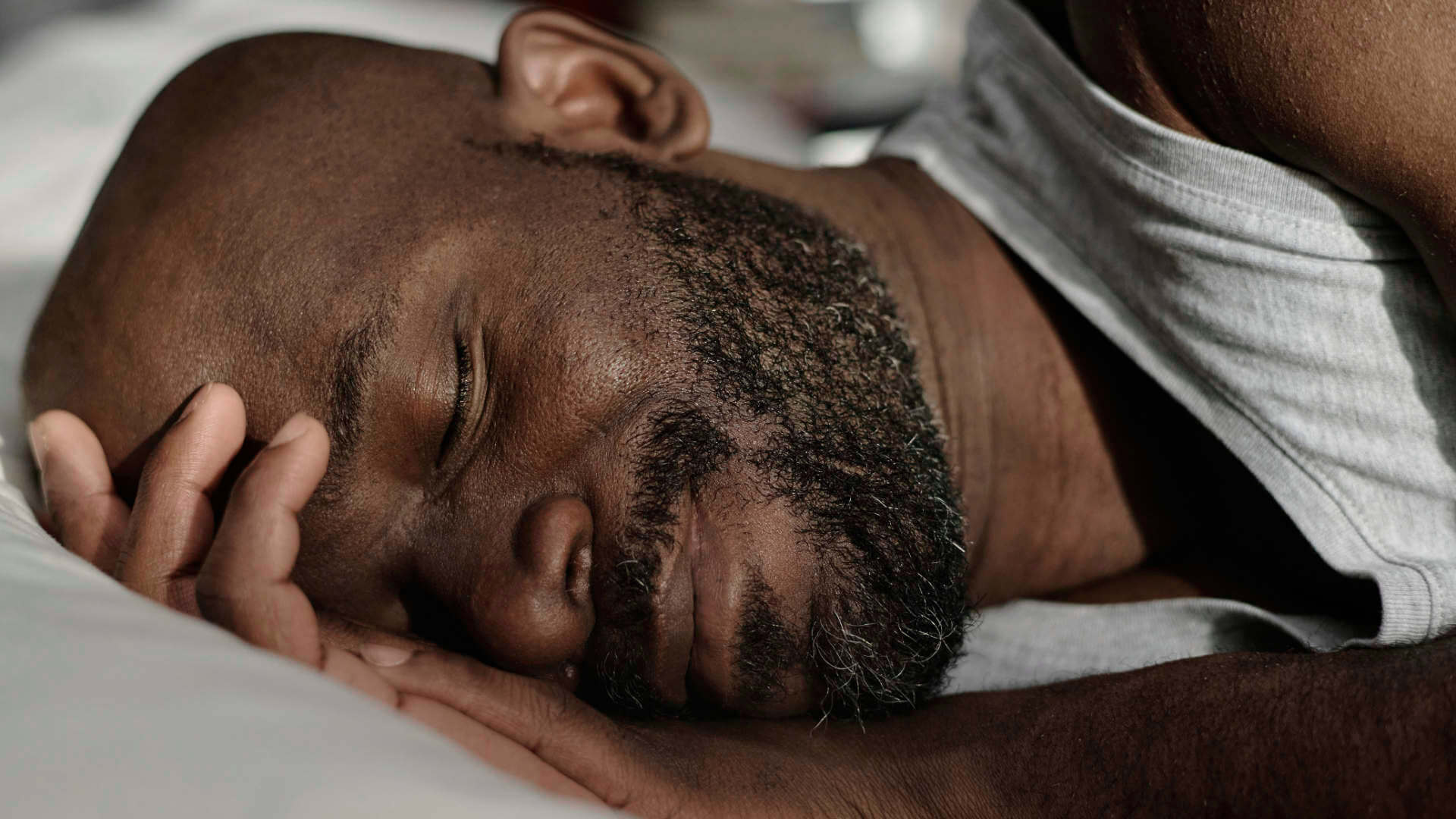

Sleep disorders in old age are widespread and affect up to 50 percent of people over the age of 65. Many older people complain of difficulty falling asleep and staying asleep, early awakenings or an overall reduced quality of sleep.
However, sleep problems are not a normal side effect of ageing, but can significantly impair quality of life and health. In this magazin , you will find out why sleep disorders occur in old age, what consequences they have and how those affected, relatives and carers can provide support.
What are sleep disorders in old age?
Sleep disorders in old age refer to problems with falling asleep or sleeping through the night, altered sleep phases, early waking or an overall reduction in sleep duration. They can be short-term or chronic and have a significant impact on quality of life.
Frequency of sleep disorders in older people
The frequency of sleep problems increases with age. Studies show that around a third to half of all people over the age of 70 are affected. Women suffer from sleep disorders particularly frequently.
One possible reason for this is the age-related changes in the sleep-wake rhythm. The so-called circadian rhythm shifts with age, which means that older people become tired earlier and wake up earlier. At the same time, the depth and continuity of sleep decreases. The deep sleep phases, which are particularly important for physical recovery, become shorter and less frequent, while the phases of light sleep and nocturnal waking periods increase.
This is often accompanied by chronic illnesses, pain or nocturnal urge to urinate. urge to urinatewhich can also interrupt sleep. The use of certain medications, such as diuretics, beta blockers or antidepressantscan also have sleep-disrupting side effects.
In women, hormonal changes, especially during and after the menopause, play an additional role. The decrease in oestrogen and progesterone can lead to hot flushes, night sweats and restlessness - factors that can significantly impair sleep.
In addition, psychological stress such as loneliness, depressive moods or worries about health or family problems also increase with age - all of which can contribute to difficulty falling asleep or sleeping through the night.

Despite these challenges, it is important to emphasize that poor sleep is not an inevitable part of aging. Many older people sleep well if they maintain a sleep-hygienic lifestyle. This includes regular bedtimes, sufficient exercise during the day, avoiding caffeine or alcohol in the evening and a a bedroom designed to promote sleep. Relaxation exercises or cognitive behavioral therapies can also help to alleviate sleep problems without having to resort directly to medication.
Changes in sleep behavior in old age
Sleep is subject to natural change over the course of a lifetime. While children and adolescents still sleep long and deeply, sleep behavior changes increasingly in adulthood - especially in old age.
Many older people report that they wake up earlier, wake up more frequently at night or have difficulty falling asleep. These changes are not unusual, but an expression of age-related physiological and psychological processes. Nevertheless, they can have a significant impact on quality of life, especially if they result in pronounced sleep disorders. A deeper understanding of these developments is therefore crucial in order to enable targeted measures to promote healthy sleep in old age.
Deep sleep phases and waking phases
With age, the deep sleep phases become shorter, while the number of waking phases at night increases. The sleep pattern becomes more fragile and less restful.
Changes in the sleep-wake rhythm
The circadian rhythm shifts. Many senior citizens become tired earlier and wake up earlier. This altered sleep-wake rhythm can put a strain on everyday life.
Causes of sleep disorders in old age
The reasons for sleep disorders in old age are varied and are often the result of a combination of physical, psychological and environmental factors. While certain changes are considered normal side effects of the ageing process, they can still significantly impair the quality of sleep. Chronic illnesses, medication and hormonal changes also play a significant role.
In order to take targeted action against sleep problems, it is important to take a differentiated look at the underlying causes.
Physical illnesses as triggers
Chronic illnesses occur more frequently with increasing age and are among the most significant causes of sleep disorders. They not only have a direct impact on physical well-being, but also disrupt night-time rest.
- Cardiovascular diseases such as heart failure or high blood pressure often lead to shortness of breath at night, restlessness or repeated awakenings. Nocturnal angina attacks or sleep apnoea syndrome also occur more frequently in this patient group.
- Osteoarthritis and other degenerative joint diseases are often accompanied by nocturnal pain and restricted movement. This pain can make falling asleep and staying asleep considerably more difficult and lead to a significant reduction in the quality of sleep.
- Diabetes mellitus affects sleep on various levels: Frequent urge to urinate at night, hypoglycaemia or hyperglycaemia at night and diabetic neuropathies with abnormal sensations in the legs disrupt the natural sleep rhythm.
- Neurological diseases such as Parkinson's or dementia also have a negative effect on sleep. Parkinson's patients often experience uncontrolled movements during sleep (e.g. REM sleep behavior disorder), frequent waking and disturbed regulation of the sleep-wake rhythm. In people with dementia, the day-night structures are often completely disrupted - they sleep a lot during the day, are restless at night or wander around (so-called "sundowning").
Psychological causes: Depression and anxiety
Depressionanxiety disorders and loneliness are common psychological causes of insomnia in old age.
Medication and Z-substances
Many older patients take medication that can cause sleep problems as a side effect. Z-substances (e.g. zolpidem, zopiclone) are particularly problematic as they can lead to dependency and daytime sleepiness.
Forms of sleep disorders in old age
Sleep disorders manifest themselves in very different ways and can affect falling asleep, staying asleep and the overall quality of sleep. Not all sleep problems are the same - they can be divided into different forms, each with different causes and treatment options. A systematic classification helps to better understand the individual complaints and to treat them in a targeted manner. The most important forms of sleep disorders are described below.
Insomnia (sleeplessness)
The most common form of sleep disorder in older people is insomnia, which mainly manifests itself in problems falling asleep and staying asleep. Those affected often lie awake for long periods in the evening without being able to rest, or they wake up several times during the night and find it difficult to get back to sleep. Waking up too early in the morning - often combined with the feeling of not having slept enough - is also a typical complaint.
These disorders can occur temporarily, but can also become chronic and affect sleep permanently. The result is often a feeling of exhaustion, irritability and reduced performance during the day. Particularly in old age, when night-time regeneration is more sensitive anyway, such sleep problems have a noticeable effect on general well-being and health.
Sleep apnea
Breathing interruptions during sleep - typical of sleep apnoea - lead to frequent waking up at night and prevent restful sleep. Those affected often suffer from severe daytime sleepiness, concentration problems and a significantly increased risk of cardiovascular diseases such as high blood pressure or heart attacks. Early diagnosis and treatment, for example with a breathing mask, can significantly alleviate symptoms and prevent secondary diseases.
Hypersomnia and other disorders
Hypersomnia describes excessive daytime sleepiness despite sufficient sleep. Sleepwalking or periodic leg movements also occur more frequently in old age.
Consequences of sleep disorders for older people
Persistent sleep disorders rarely remain without consequences in old age. While occasional restless nights can still be easily compensated for, chronic sleep problems have an increasingly negative impact on physical, mental and emotional health. The effects can be particularly serious in older people, as a lack of sleep can exacerbate existing illnesses and significantly reduce general resilience.
Quality of life suffers and the risk of accidents and the need for care increases. It is therefore important to take the possible consequences seriously and take countermeasures at an early stage.
Impairment of quality of life
Chronic sleep problems lead to irritability, listlessness and an increased risk of falling. Enjoyment of life suffers considerably.
Risk of cardiovascular disease and diabetes
Long-term sleep deprivation is a risk factor for high blood pressure, stroke and the development of type 2 diabetes.
Influence on performance and attention
Daytime tiredness, reduced concentration and impaired responsiveness can become a danger in everyday life.
Sleep hygiene and sleeping habits
Healthy sleep is not a product of chance, but is significantly influenced by our daily behavior and routines. Conscious sleeping habits become increasingly important, especially in old age, when biological changes and external influences make sleep more difficult. The term sleep hygiene covers a range of measures designed to help improve the quality and duration of sleep - without the need for medication. These include a regular sleep-wake cycle, a sleep-promoting environment and a conscious approach to nutrition, light and exercise.
Many sleep problems can be alleviated or even avoided by older people reflecting on their habits and making targeted adjustments. Good sleep hygiene is therefore a key component in the prevention and treatment of age-related sleep disorders.
Tips for a better sleeping environment
A quiet, dark bedroom, a comfortable mattress, fresh air and a constant room temperature improve the quality of sleep.
Regular sleep rhythm
- Stick to fixed bedtimes: A consistent sleep rhythm - even at weekends - helps the body to develop a natural day-night rhythm.
- Pay attention to naps: If at all, then only for a short time (max. 20-30 minutes) to avoid sleep problems at night.
Creating an optimal sleeping environment
- Quiet and darkness in the bedroom: avoid light sources (e.g. streetlights, displays) as far as possible; use blackout curtains or a sleep mask if necessary.
- Comfortable room temperature: The ideal temperature is 16-19 °C. Bedrooms that are too warm or too cold disturb your sleep.
- Comfortable mattress and bedding: Orthopaedically suitable mattresses and breathable bed linen promote quality sleep.
Improve evening habits
- No heavy meals late at night: only light food at least 2-3 hours before going to sleep.
- Avoid caffeine and alcohol: Both can make it difficult to fall asleep or sleep through the night.
- Establish a calming evening ritual: Reading, listening to soft music, relaxation exercises or a warm foot bath help you to "wind down".
- Limit screen time: No smartphone, TV or laptop use for at least 1 hour before sleep (blue light inhibits melatonin production).
Exercise and daily structure
- Regular physical activity: Daily walks or light exercise promote sleep - but not directly before bedtime.
- Fill up on daylight: As much natural light as possible in the morning and during the day - this stabilizes the circadian rhythm.
Reduce stress and brooding
- Use relaxation techniques: Breathing exercises, progressive muscle relaxation or meditation can alleviate problems falling asleep.
- Write down worries: A notebook helps you to "hand in" stressful thoughts before you go to bed.
Importance of rituals and daylight
Our internal clock, the so-called circadian rhythm, controls numerous biological processes - including the sleep-wake cycle. To keep this rhythm stable, the body needs regular signals from the environment. Three particularly effective factors are fixed bedtimes, calming rituals before going to bed and sufficient daylight.
Treatment of sleep disorders in old age
The treatment of sleep disorders in old age requires a holistic and individualized approach, as the causes are diverse and often interlinked. The aim is not only to improve sleep, but also to identify and specifically address the underlying triggers. The focus is not immediately on drug therapy.
Rather, sleep hygiene measures, behavioral therapy approaches and the treatment of accompanying physical or mental illnesses form the basis of successful therapy. Only when these options have been exhausted and the level of suffering remains high can short-term medication support be useful in certain cases.
Non-drug measures
Behavioral therapy, relaxation techniques, exercise in the fresh air and social participation are proven approaches.
Role of sleeping pills and side effects
Sleeping pills should only be taken for a short time and under medical supervision. There is a risk of dependence, especially with Z-substances.
When is a sleep laboratory useful?
If sleep apnea or other organic causes are suspected, a visit to the sleep laboratory can provide clarity.
Support from relatives and carers
Relatives and caregivers can help to create a regular daily routine, ensure sufficient exercise and provide psychological support.
Frequently asked questions about sleep disorders in old age
- Are sleep problems normal in old age? No. They are common, but not "normal" and should be taken seriously.
- How much sleep do seniors need? Usually 6-8 hours. The need remains relatively constant, but sleep efficiency decreases.
- When should you seek professional help? In the event of prolonged disorders, daytime tiredness or health restrictions.
Conclusion: Sleep disorders in old age - an underestimated problem
Sleep disorders in old age are a serious and widespread problem with a significant impact on quality of life and health. Targeted measures, adapted sleeping habits and, if necessary, therapeutic support can alleviate many complaints. It is worth taking action at an early stage - for more restful sleep and greater enjoyment of life in old age.