
Osteoarthritis is a chronic joint disease that mostly affects people as they get older. The progression of osteoarthritis cannot be cured and the severity of the symptoms increases over the years. The changes in this wear and tear disease usually occur slowly and over many years. The natural regenerative capacity of the cartilage in the joints decreases. The protective cartilage gradually wears away, leading to pain, swelling and deformation of the joint. The affected joints sometimes hurt more and sometimes less, and may even restrict movement. Osteoarthritis in the fingers makes gripping difficult. Osteoarthritis in the knees and hips typically first becomes noticeable through pain when starting up - but later also independently of strain.
Who is affected by osteoarthritis?
Around 80 percent of older adults, aged 55 and over, have osteoarthritis on X-ray. Of these, an estimated 60 percent suffer from symptoms. It is estimated that 240 million adults worldwide suffer from symptomatic osteoarthritis, including more than 30 million adults in the USA. In Germany alone, around 15 million people suffer from the consequences of osteoarthritis. In contrast to osteoarthritis, which is caused by joint wear and tear arthritis is usually caused by inflammation in the joint itself. The disease can become chronic and lead to permanent joint damage if it is not recognized and treated in time.
What does cartilage do?
Cartilage is a firm, rubbery, flexible connective tissue that covers the ends of bones in normal joints. It consists mainly of water and proteins, whose main function is to reduce friction in the joints and act as a "shock absorber". There are three types of cartilage tissue: hyaline cartilage, elastic cartilage and fibrocartilage. The shock-absorbing property of normal cartilage is based on its ability to change shape when compressed due to its high water content. Although cartilage can be repaired to some extent after damage, the body does not form new cartilage after an injury.
Risk factors for osteoarthritis
In addition to age and secondary causes such as inflammatory arthritis and previous injury/trauma, several other risk factors increase the risk of developing osteoarthritis, including obesity, diabetes, high cholesterol, gender and genetics.
- Obesity is a major risk factor for osteoarthritis. In addition to overloading the musculoskeletal system, the pro-inflammatory effects of obesity are also a contributory cause of osteoarthritis. Make sure you maintain your ideal body weight or lose extra weight.
- Both diabetes and elevated cholesterol levels contribute to the inflammatory reaction in the body and increase the risk of osteoarthritis. Elevated blood sugar and cholesterol levels lead to an increase in free radicals in the body. Controlling both levels is important not only for general health, but also for bone health.
- A drop in oestrogen, for example in women after the menopause, increases the risk of knee osteoarthritis, as oestrogen protects bone health and in particular reduces oxidative stress on the cartilage. This is a metabolic condition in which an excess of reactive oxygen compounds can lead to damage to the affected cells.
Symptoms and causes
Osteoarthritis is a heterogeneous disease and has many different causes. It is not just a disease of wear and tear. Some factors that contribute to the disease are modifiable, others are not. Age is a major factor contributing to the development of osteoarthritis, although not all older adults develop osteoarthritis and not all who develop osteoarthritis experience pain with it. Inflammatory and metabolic risks can also promote the occurrence of osteoarthritis. Very important to mention: primarily in connection with diabetes and/or elevated cholesterol levels. However, osteoarthritis can also be genetic. Older injuries or trauma, including sports-related and repetitive movements, can also contribute to osteoarthritis.
Although the exact mechanisms of cartilage loss and bone changes are not known, progress has been made in recent years. It is thought that complex signaling processes in joint inflammation and faulty repair mechanisms in response to injury gradually wear away the cartilage in the joints. Other changes cause the joint to lose mobility and function, leading to joint pain during activity.
Getting arthritis under control
There is no cure for osteoarthritis. Mild to moderate symptoms can usually be managed well with a combination of pharmacological and non-pharmacological treatments.
Pay attention to a healthy diet, check your diabetes and cholesterol levels, avoid being overweight. Ask about complementary and alternative medicine strategies, including vitamins and supplements.

Medical treatments and recommendations include pain-relieving medication, exercise (on land and in water), heat and cold packs, physiotherapy, occupational therapy and exercise therapy.
Use supportive aids such as suspenders, orthoses, shoe inserts, canes or walking aids for advanced osteoarthritis. Last but not least, an operation can be helpful to relieve relieve pain and restore function if other medical treatments are ineffective or have been exhausted.
Treatment regimen and treatment goal
First and foremost is the reduction of joint pain. Followed by delaying further progression, restoring mobility and improving quality of life. Which treatment regimen is ultimately prescribed depends on many factors, including their age, general health, activities, occupation and, of course, the severity of the condition.
Regular weight control
As obesity is a known risk factor for osteoarthritis, better weight control can help prevent and improve osteoarthritis. Weight loss in overweight people with osteoarthritis has been shown to reduce the stress and pain in the joints that support the weight and alleviate the inflammatory processes.
Movement and more movement
Exercise is important to improve flexibility, joint stability and muscle strength. Programs such as swimming, water aerobics and low-impact strength training are recommended. These activities have been shown to reduce the pain and disability associated with osteoarthritis. However, avoid overly strenuous activities as these can exacerbate the symptoms of osteoarthritis and potentially accelerate the progression of the disease. Talk to a physiotherapist or occupational therapist who can offer you suitable exercise programs.
Heat and cold therapies
Intermittent heat and cold treatments can temporarily relieve pain and stiffness. These include hot showers or baths and the careful application of heating or cooling pads.
Pain-relieving medication
There are still no drugs that have been proven to reverse or slow down the progression of osteoarthritis. The available medications focus on alleviating the symptoms of the disease. Pain-relieving medications include paracetamol and non-steroidal anti-inflammatory drugs. These are drugs that have analgesic, anti-inflammatory and antipyretic effects. The group of non-steroidal anti-inflammatory drugs includes, for example, Thomapyrin, Devil's Claw, Diclofenac and Voltaren pain gel. In addition to the medications listed above, topical medications in the form of pain-relieving patches, creams, rubs or sprays applied to the skin are also used to relieve the pain of osteoarthritis.
Caution! Although many of these medications are available over the counter, people with osteoarthritis should talk to their doctor before taking them. Some medications may have dangerous or unwanted side effects and/or conflict with other medications being taken. Routine lab tests are still required for some over-the-counter medications.
Supporting devices
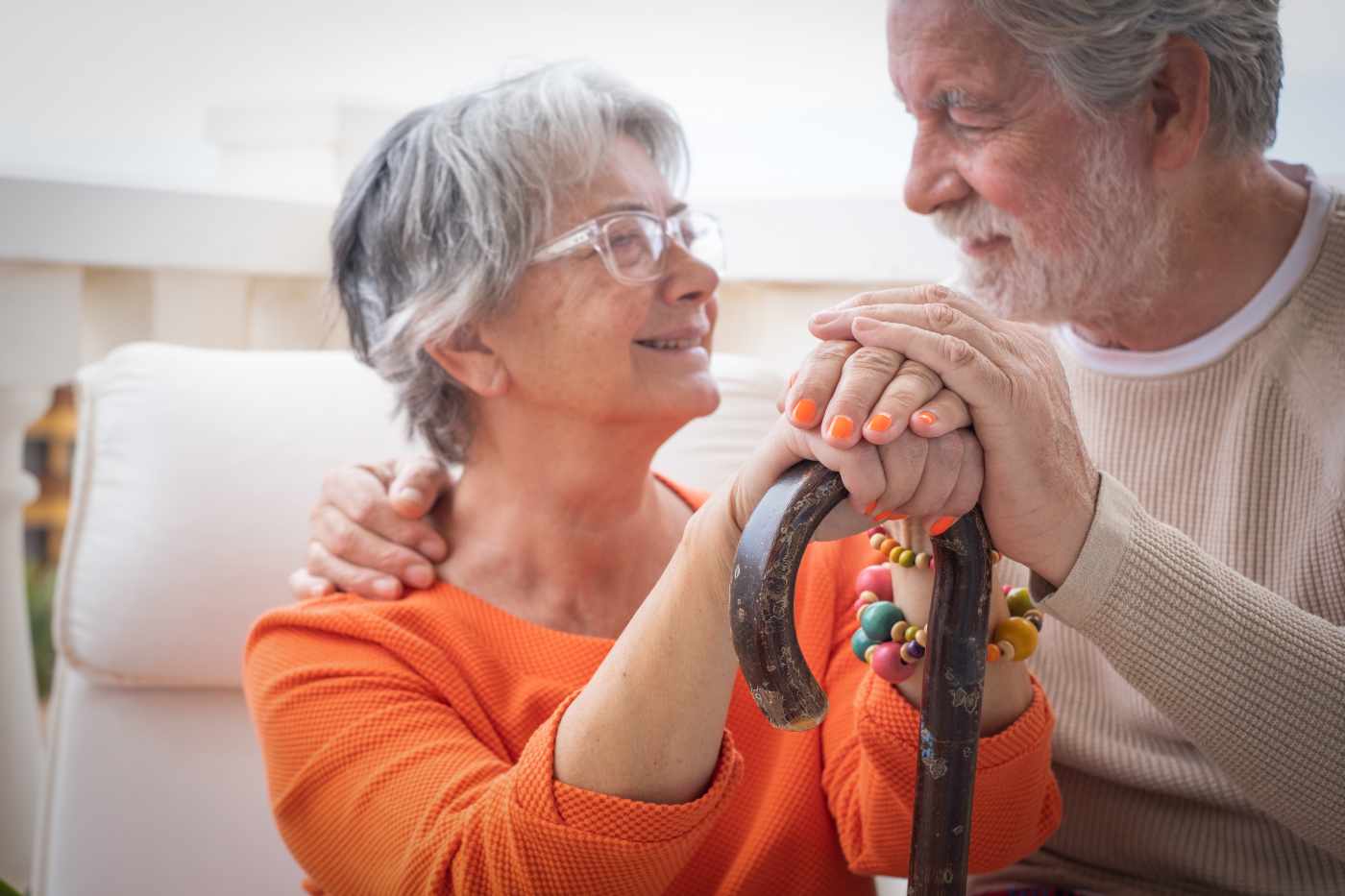
Orthoses help to support and stabilize painful, damaged joints. Medical aids should only be used as instructed and under the guidance of a medical professional. Shoe inserts, a walking stick or a walking aid can be helpful to relieve pressure on certain joints and improve body and gait mechanics.
Surgery as an option
If joint pain cannot be managed with medical treatment and interferes with normal activities, surgery may be an option. Various techniques can be used, including minimally invasive joint replacement procedures. Although there are risks associated with surgery, it can be very effective in restoring some function and reducing pain in suitable individuals.