

In this guide, you will learn everything you need to know about the classification of the need for care, the effects of diabetes on quality of life and the respite services to which you are entitled.
We show you how the care level is determined and which financial aspects play a role. Read on to discover how a correct classification can not only provide you with support in everyday life, but also improve your quality of life in the long term.
What is the care level?
The care level is a classification that describes the degree of a person's need for care and is decisive for the utilization of care services. care services care services. This classification is based on defined criteria that take into account both physical and mental limitations. The care level plays a central role in the German healthcare system, as it regulates access to various support services and financial assistance. Correct classification into the right care level is therefore of great importance, especially for people who are dependent on assistance.
Definition and meaning of the care degree
The definition of the care degree comprises several aspects. First of all, the care level is determined by the Medical Service of the Health Insurance Fund (MDK) which analyzes the applicant's individual situation. Various criteria such as independence in daily living, mobility and cognitive abilities are assessed. These factors are included in the classification and determine which care level is assigned.
The significance of the care degree extends beyond mere classification. It is not only an indicator of the need for support, but also a prerequisite for access to financial benefits, such as care allowance or respite services. Applying for these benefits is often the first step towards improving the quality of life for people in need of care and their relatives. Would you like more time to chat over coffee and fewer worries? We will take care of the application process for you!
The five care levels at a glance
The five care levels differ in terms of the severity of the impairments and the associated entitlement to respite services. Each care level has specific characteristics that determine what support a person needs.
- Care level 1Minor impairment of independence. Here, those affected are entitled to some respite services, but no financial support in the form of care allowance.
- Care level 2Moderate impairment of independence. People at this level can already claim a care allowance and additional services.
- Care level 3Significant impairment of independence. More comprehensive services are provided here to make everyday life easier.
- Care level 4Severe impairment of independence. Those affected require comprehensive support in all areas of life.
- Care level 5Highest impairment of independence. People in this degree are usually dependent on help around the clock.
Relevance of the care level for diabetics
For people with diabetes, the level of care can be crucial in order to receive the necessary help in everyday life. Diabetes can have a significant impact on independence and quality of life, especially in old age. Many seniors with diabetes need support with everyday tasks such as cooking, personal hygiene or taking medication. A correctly determined care level can help ensure that these people have access to specialized respite services that are specifically tailored to their needs.
Furthermore, an appropriate level of care also enables access to training and counseling that can improve the management of diabetes. This is particularly important in order to avoid the secondary damage and complications that are often associated with this disease. A well-informed relative or specialist can help to make the lives of diabetes patients much easier.

In order to better understand the impact of diabetes on quality of life and the associated need for support, it is important to address the health challenges of diabetes.
Definition of diabetes
Diabetes mellitus, often simply referred to as diabetes, is a metabolic disorder characterized by various clinical pictures, such as high blood sugar levels (hyperglycaemia). These elevated blood sugar levels are caused by insufficient insulin production or the inability of the body's cells to use insulin effectively. Diabetes can have significant health consequences if it is not treated properly.
Difference between type 1 and type 2 diabetes
Type 1 diabetes:
- Causes: This form of diabetes is caused by an autoimmune reaction in which the immune system attacks and destroys the insulin-producing beta cells in the pancreas.
- Age group: Type 1 diabetes mellitus often occurs in childhood or adolescence, but the disease can occur at any age.
- Insulin requirement: People with type 1 are completely dependent on an external supply of insulin, as their pancreas does not produce insulin.
Type 2 diabetes:
- Causes: Type 2 diabetes is usually the result of insulin resistance and is often associated with obesity and lack of exercise. The pancreas can produce insulin, but the body's cells do not react sufficiently to it.
- Age group: This form typically occurs in adults, but is increasingly being diagnosed in adolescents and children.
- Treatment: Type 2 diabetes can often be treated with lifestyle changes, such as a healthy diet and regular exercise, and oral medication or insulin if needed.
Diabetes and its effects on the need for care
Diabetes can have a significant impact on the quality of life and independence of older people. This chronic disease not only poses a challenge for those affected, but also influences the need for care services.
Health challenges with diabetes
Diabetes, especially type 2 diabetes, is a widespread disease that often occurs in old age. Typical symptoms include fatigue, frequent urination and an increased feeling of thirst. These symptoms can have a significant impact on daily life and often lead to reduced mobility and independence. Diabetics are also more susceptible to complications such as cardiovascular disease, kidney damage and neuropathic complaints, which may require additional support.
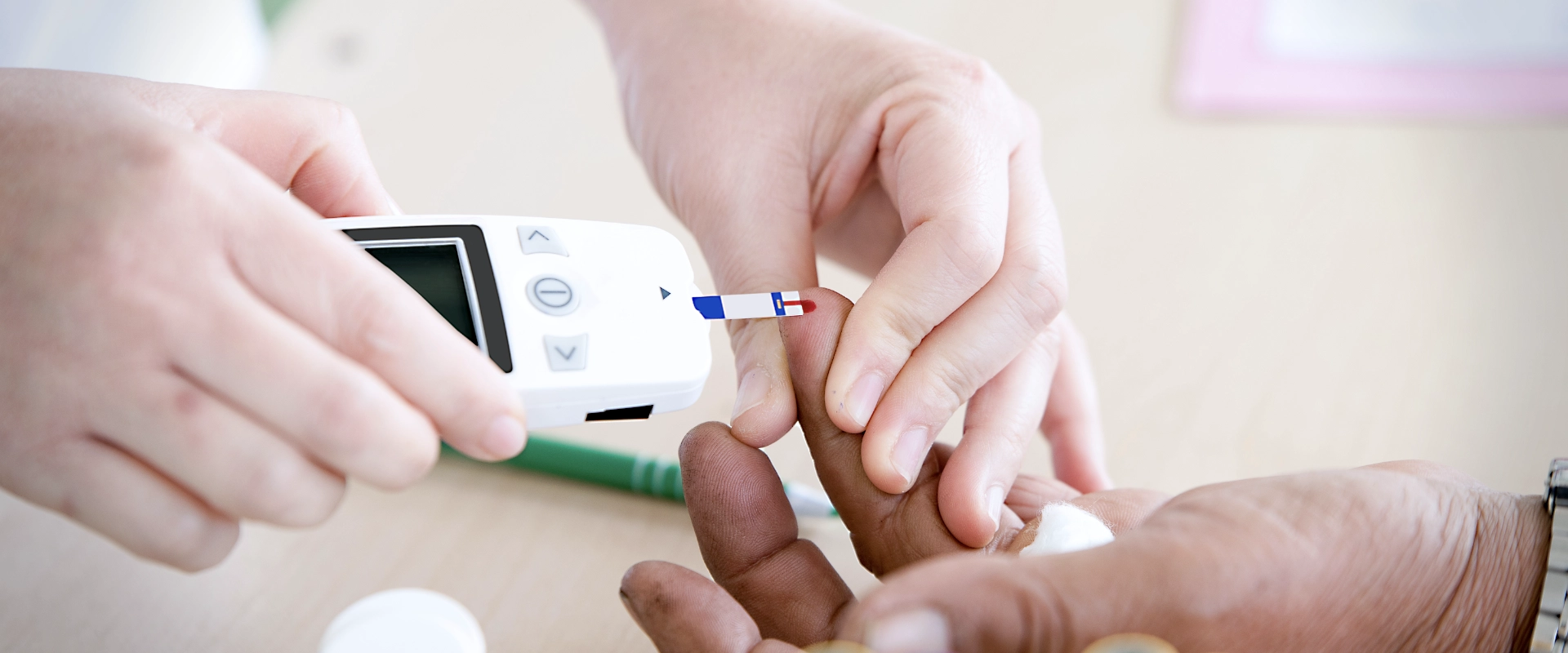
Regular monitoring of blood glucose levels is essential for diabetics. However, this can be a challenge, especially if there are cognitive impairments or motor impairments. In such cases, it is important that relatives or caregivers are on hand to help monitor the patient's condition. Inadequate control of blood glucose levels can lead to acute health crises that require immediate medical intervention.
Necessity of care services
Due to the health challenges described and the impairments in daily living, it may be necessary to make use of long-term care insurance benefits. A correctly determined care degree enables access to various support services that are specially tailored to the needs of diabetics. These include household help, support with taking medication and special training to help manage the condition.
Applications for care services are usually made via the care insurance fund or other cost units, with the care level playing a central role. A higher care level not only entitles you to financial assistance such as care allowance, but also to specific respite services that can make everyday life considerably easier.
How is the care level determined?
The degree of care is determined by means of a comprehensive assessment by the Medical Service. This process is crucial in determining the extent to which a person is dependent on support and what kind of care services can be claimed. The assessment is based on clearly defined criteria that take into account various aspects of independence and quality of life.
The review process
The first step in determining the care level is to submit an application to the relevant care insurance fund. Both the person concerned and relatives or carers can submit the application. Once the application has been submitted, an appointment is made for the assessment. A qualified expert from the Medical Service (MDK) visits the person concerned at home to assess their individual situation. During this visit, various factors are analyzed, including physical condition, mobility, cognitive abilities and the ability to care for oneself.
The assessment is carried out using a structured procedure, the so-called "assessment tool". This instrument assesses independence in various areas of life, such as personal hygiene, nutrition and housekeeping. The assessor asks specific questions and observes the person's interactions with their environment. The results of this assessment are used to decide on the level of care.
Criteria for classification
The criteria for classification into a particular care level are varied and include both physical and psychological aspects.
The most important factors include:
- Mobility: The ability to move independently, climb stairs or leave the house.
- Cognitive and communicative abilities: Mental performance, including memory and decision-making skills.
- Behavioral and psychological problems: depression, anxiety, motor and social abnormalities.
- Self-care: The ability to independently manage basic everyday tasks such as eating, drinking and personal hygiene.
- Coping with and independently dealing with illness- and therapy-related demands and stresses: The ability to deal with chronic illnesses such as diabetes and to carry out necessary medical measures independently.
Each of these areas is assessed in points, which ultimately lead to the care level being determined. The more support a person needs, the higher the care level.
Degree of care for diabetes
For senior citizens with diabetes, correct classification into a care level is particularly important. The health challenges associated with this chronic illness often require additional support in everyday life. An appropriate level of care allows access to specific respite services aimed at making life with diabetes easier. This can include help with taking medication or assistance with preparing healthy meals.
A higher level of care can also help to relieve the burden on family members. Support from professionals can not only improve the diabetic's quality of life, but also reduce the pressure on family members who are often the main carers.
Determining the level of care is therefore a central component in the process of claiming care services and has far-reaching effects on the daily lives of senior citizens with diabetes.
Relief services for diabetics as part of the care degree
People with a recognized care level are entitled to various respite services. These services are specifically designed to improve the quality of life of people in need of care and to relieve the burden on their relatives. These services can make a decisive difference, especially for senior citizens with diabetes, who are often dependent on support. This is because diabetes often has an impact on the level of care required.
Financial support through care allowance
Another important aspect of respite care services is the care allowance. People with a recognized care degree are entitled to financial support from the care insurance. This money can be used to pay for private care services or to take advantage of additional help in everyday life. The amount of the care allowance varies depending on the level of care and can provide significant financial relief.
In addition to the care allowance, there are also special allowances for certain services. For example, costs for home help or other necessary support services can be partially covered. It is advisable to find out about the exact entitlements and options directly from the relevant care insurance fund.
Application and assessment
In order to gain access to these respite services, a few steps must first be taken. The first step is to submit an application to the care insurance fund. Here it is important to provide all relevant information about the state of health and the support services required. Once the application has been submitted, an assessment is usually carried out by the Medical Service (MDK) to determine the individual support requirements.
The assessment is usually carried out by a specialist who assesses the personal situation on site. This determines what type of support is most urgently needed and what level of care is appropriate. Comprehensive documentation of all relevant medical records is helpful here and can speed up the process.
Costs covered by long-term care insurance
Long-term care insurance in Germany offers comprehensive protection for people in need of care. Depending on the care level determined, those affected receive various types of benefits to cover the costs incurred. These benefits can include both benefits in kind and cash benefits that are incurred for diabetes care. If a person is classified as having a higher level of care, more comprehensive benefits are available to them, which can make everyday life considerably easier.
- Benefits in kind: These are provided in the form of services such as domestic help or outpatient care services, such as respite care. The care insurance fund covers part of the costs, reducing the financial burden for those affected.
- Cash benefits: People who want to organize their own care or involve relatives for support receive care allowance. This can be used flexibly to finance private care services or to apply for necessary assistance in everyday life.
The amount of benefits varies depending on the care level. People with care level 1, for example, receive lower benefits than those with care level 5, where there is a need for intensive support. This differentiation is crucial in order to meet individual needs and ensure optimal support.
Home helpers play an essential role in supporting people with diabetes. Professional support in the home can offer significant benefits, especially for people who find it difficult to manage everyday tasks due to their condition.
Advantages of home help for diabetes patients
- Easing the routine: A home help can assist with the preparation of healthy meals that are tailored to the special dietary needs of diabetics.
- Support in everyday life: It can help with cleaning and organizing the living space, resulting in a safer and more hygienic environment.
- Relief for relatives: Relatives, who often take on a supportive role, are relieved and can concentrate more on the emotional and social needs of the person affected.
- Strengthening independence: By providing support in the home, diabetics can better maintain their independence and promote their health at the same time.