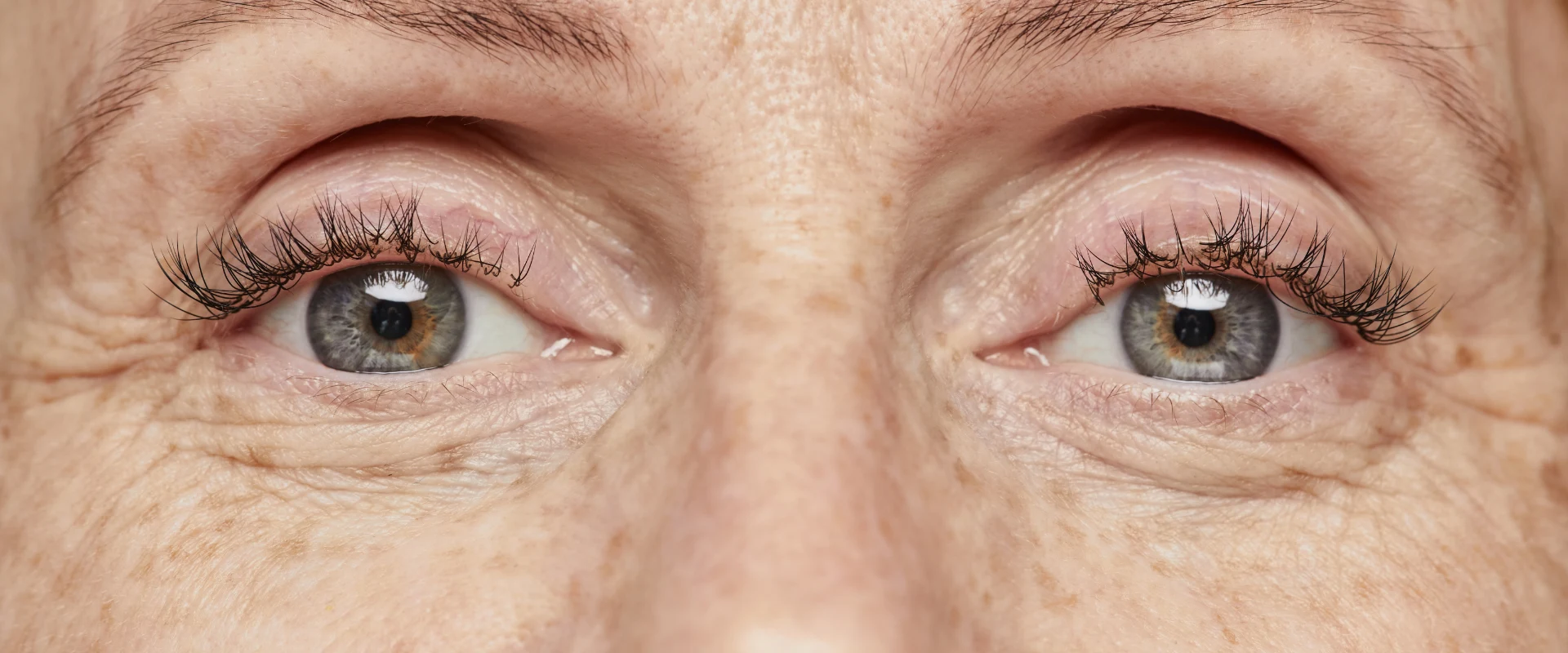

When life leaves its mark, we often notice it first on our skin. Mrs. E. (73) was sitting at her kitchen table the other day, with the sun shining through the window onto her hands. “Look,” she said to our caregiver, who was putting away the groceries, “these brown spots weren’t even there last summer. That’s when you really realize how time flies.”
We experience moments like these often. As an outpatient support service providing household-related services, we work closely with people every day. We know that changes in our own bodies—no matter how harmless they may seem—occupy our minds more often than some people would like to admit. They remind us of aging, raise questions, and sometimes even trigger feelings of uncertainty. Just as with household chores or caregiving, the same applies here: you don’t have to face these challenges and fears alone.
This magazin what age spots are, how you can gently reduce them, and when it’s important to consult a professional.
What exactly are age spots?
Age spots (medically known as solar lentigines) are benign, flat pigmented lesions on the skin. They appear as sharply defined spots in various shades of brown and occur primarily in areas most frequently exposed to the sun: on the face, the backs of the hands, the forearms, and the décolleté.
It is important to distinguish them from other skin changes:
- Freckles:They are usually genetic and often fade in the winter.
- Melasma:Often caused by hormonal changes (e.g., during pregnancy or menopause).
- Age warts:Unlike age spots, these are noticeably raised and rough.
The causes: How the stains form
The main cause of age spots is no secret; it is simply long-term exposure to UV rays. Over the decades, sunlight leads to chronic overproduction of melanin (the skin’s natural pigment) in the skin cells.
In addition, natural skin aging (mostly starting at age 40), genetic predisposition, and oxidative stress also play a role. People with fair skin, in particular, tend to have pigment cells that are more sensitive to the sun.
When is it a good idea to take action?
As long as these are typical age spots, treatment is purely cosmetic. However, there are times when extreme caution is warranted.
Important warning signs that you should see a dermatologist
Please have any spots examined by a doctor immediately if you notice any of the following:
- Irregular, asymmetrical shapes or frayed edges
- Rapid changes in size, shape, or color
- Symptoms such as itching, burning, or even bleeding
A definitive diagnosis by a dermatologist is the only way to reliably rule out malignant skin conditions such as skin cancer.
Effective measures for reducing age spots
If your doctor has given you the go-ahead and the spots are bothering you, there are several ways to restore your skin’s appearance.
- Topical active ingredients (home care)
This method requires patience (about 8 to 12 weeks), but it is particularly gentle and can be easily incorporated into your daily morning and evening routine:
- Thiamidol:A patented active ingredient proven to reduce melanin production directly at the root.
- Niacinamide:Inhibits the transfer of pigment to the upper layers of the skin while strengthening the skin barrier.
- Vitamin C:Has powerful antioxidant properties, gently lightens existing dark spots, and protects against new damage.
- Retinol & AHA/BHA acids:Accelerate cell renewal and gently exfoliate pigmented, surface skin cells.
- Professional treatments at the dermatologist's office
For stubborn or deep-seated pigmentation, dermatology clinics offer more intensive treatments:
- Laser treatment & IPL light therapy:These treatments use light pulses to specifically target and destroy pigment deposits.
- Medical chemical peels:Deeply exfoliate the upper layers of the skin.
- Cryotherapy:Individual spots are specifically frozen using liquid nitrogen.
Note on costs:Whilecreams are affordable, laser treatments produce faster results but come with higher costs, potential downtime, and, for people with darker skin tones, the risk of post-inflammatory hyperpigmentation.
A word about home remedies: Lemon juice and apple cider vinegar are often touted as effective, but there is no scientific evidence to support their use. On the contrary, they can severely irritate sensitive skin as we age and cause inflammation, which ultimately worsens pigmentation. Therefore, please always consult a dermatologist before trying any of these remedies.
Prevention: The most important step
Even the best serum won't do much good if your skin isn't protected. Without consistent protection, the spots will quickly return.
- Daily sun protection:Apply a product with SPF 30 to 50 every morning, even in winter and on cloudy days.
- Sun-smart habits:Avoid the midday sun between 11 a.m. and 3 p.m. Wear a hat, sunglasses, and light, protective clothing.
- Additional care:Use moisturizing creams containing antioxidants such as vitamin E to help maintain the skin’s barrier.
Realistic expectations
Don’t put too much pressure on yourself: It’s rare for these spots to disappear completely, since the melanin is often deep-seated and cell renewal takes longer as we age. However, achieving a noticeable lightening of the spots is definitely possible with the right combination of skincare and sun protection.

Common Mistakes at a Glance
- Impatience:People often stop using skincare products after just two weeks. Give your skin at least 2 to 3 months.
- Aggressive DIY experiments:High-concentration acids do more harm than good to the skin.
- Insufficient UV protection:If you don't use sunscreen, you risk having existing spots darken again immediately.
Conclusion: Step by step toward smoother skin
The most effective strategy for combating age spots is a combination of consistent UV protection in the morning and targeted active ingredients such as thiamidol or vitamin C in the evening.
Feeling comfortable in your own body is the foundation for enjoying life at home. And just as with skincare, the same applies to everyday life: you don’t have to do everything on your own. If daily household chores, trips to the doctor, or managing your daily routine become too much for you or your loved ones, we’re here to help. We’ll make sure you get the support you need and that your home remains a safe place.