
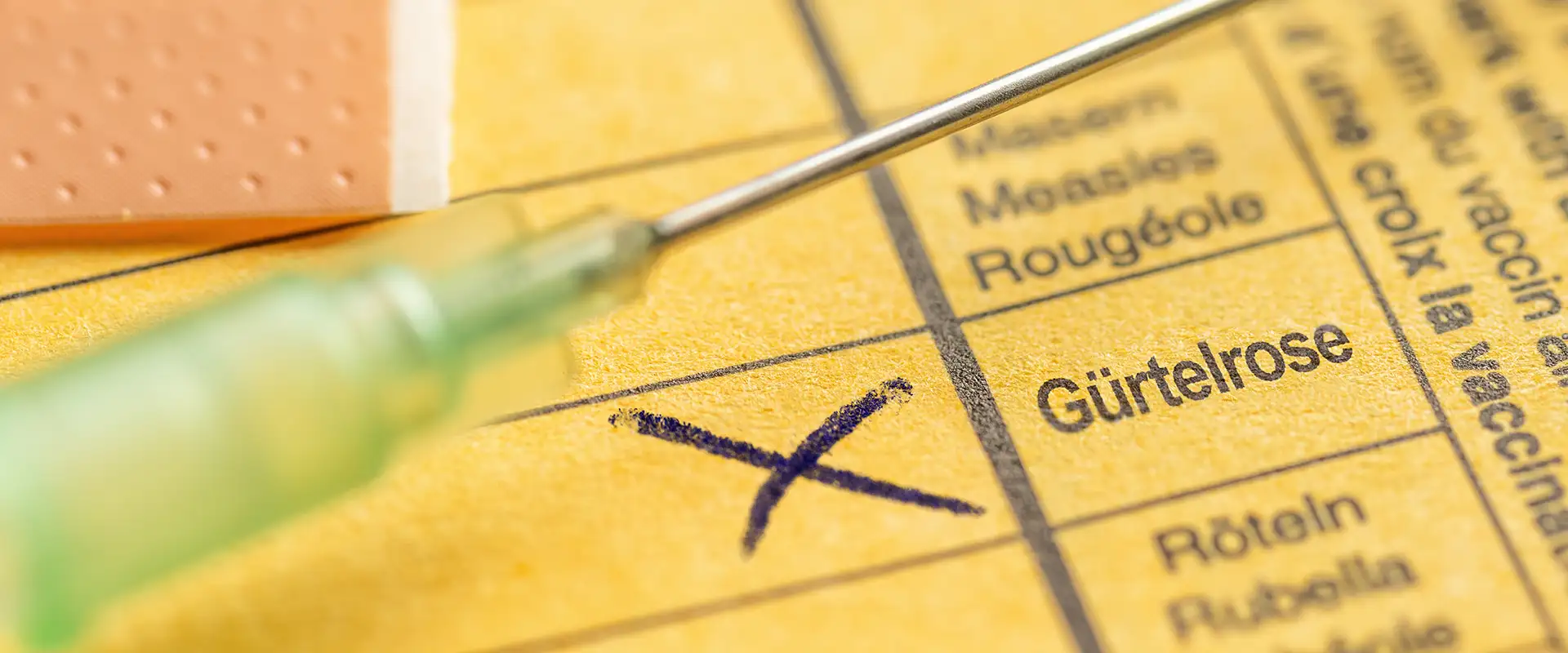

Shingles is a painful condition which caused the varicella-zoster virus (VZV) is caused , which also applies chickenpox chickenpox is . In people, who in their childhood had , lies the virus in their body and can in a later stage be reactivated , which leading to shingles .
Shingles can people of any age affected, but older adults are due to their weakened immune system particularly at risk. This article deals with deals with the causes, symptoms, the diagnosis and the treatment of shingles and then goes then to the significance of the shingles vaccination for seniors one.
What is shingles?
The shingles, also known as Herpes Zoster, is a contagious virus, that unpleasant skin rashes causes unpleasant skin rashes. These blisters form form normally in a certain range, which of nerves supplied nerves, the so-called dermatome. In usually usually occurs the shingles occurs the chest or the belly on, it can but also in the face, on the arms or legs and even in the genital area occur. The pain can be very strong be and is as burning or stinging sensation sensation. In some cases can the pain also after the disappearance of the rash still months or years for persist. However, there is a vaccination that can significantly reduce the risk of shingles.
Causes of shingles
Shingles occurs when the varicella-zoster virus that remains in the body during a chickenpox infection is later reactivated. It is not known why the virus sometimes reactivates, but factors such as stress, a weak immune system, age and certain medications may contribute. People who had chickenpox when they were less than a year old have a higher risk of developing shingles later in life.
Symptoms of shingles
The symptoms of shingles can vary, but usually the following signs occur:
- Pain, burning or tingling on one side of the body
- Redness and blistering in the affected area
- Itching or numbness near the affected area
- Fever and headache
Shingles is a condition that causes a painful and uncomfortable rash on the skin . The rash usually consists of small and larger blistersthat can be very painful . The blisters usually dry out within two two to four weeks and form scabs. It is important to crusts not to as this can lead to scarring . Shingles can also lead to complications such as postherpetic neuralgia (PHN), which causes severe pain in the affected area and cansometimes last for months or even years .
Diagnosis of shingles
The diagnosis of shingles is based on the symptoms, to to which a painful rash on one side of the body, fever, chills, headache and tiredness belong to. Your trusted doctor can the diagnosis by a physical examination establish and possibly in addition a blood test or a sample of the rash carry out.
Treatment and therapy of shingles
There are several medications, ointments and creams that can be used to treat shingles. Here are some of the most common:
- Antiviral medications: Antiviral medications such as aciclovir, valaciclovir, or famciclovir may be prescribed to inhibit the replication of the virus and shorten the duration of the illness.
- Pain relievers: Pain relievers such as acetaminophen or ibuprofen may be prescribed to relieve pain and inflammation.
- Local anesthetics: Local anesthetics such as lidocaine can be prescribed as a topical cream or patch to relieve pain and itching.
- Steroid creams: Steroid creams such as hydrocortisone can help relieve inflammation and itching.
- Antidepressants: Antidepressants such as amitriptyline can be helpful in treating nerve pain caused by shingles.
It is important to note that the choice of treatment can vary from case to case and should be determined by a doctor. Some people may also try alternative therapies such as acupuncture, massage or yoga to reduce pain and stress.
Shingles vaccination for seniors aged 60 and over: STIKO recommendation
The shingles vaccine is recommended by STIKO for seniors aged 60 and older in Germany. The vaccine is an inactivated vaccine that contains the varicella-zoster virus and stimulates the body’s immune system to build an immune response against the virus. The vaccine can significantly reduce the risk of developing shingles and lessen the severity of symptoms if the disease does occur.
The benefits of the shingles vaccine include reducing the risk of developing the disease and the severity of symptoms. The vaccine is safe and effective and can help older adults maintain their independence and quality of life. An important fact is that the shingles vaccine can reduce the long-term complications of the disease, such as postherpetic neuralgia.
There are currently two shingles vaccines available in Germany: Zostavax and Shingrix. Shingrix is currently the vaccine of choice recommended by STIKO, as it is more effective than Zostavax. The vaccines are administered by a doctor and are generally well tolerated. A full vaccination course consists of two doses, which should be administered two to six months apart.
What are the disadvantages of the shingles vaccination?
A possible disadvantage of the shingles vaccination is that it can lead to mild side effects in some cases, such as pain or redness at the injection site, fever or headaches. However, there are no known serious side effects. Experts say that the benefits of the vaccination outweigh the risks.

How often do senior citizens need to be vaccinated against shingles?
It is currently not known how long the protection provided by the vaccination against shingles lasts. However, it is recommended that the vaccination is refreshed every five years to maintain protection. People over the age of 60 who have already contracted shingles may still benefit from the vaccination as it can reduce the risk of recurrent infections and complications.
What is the varicella zoster virus?
The varicella-zoster virus (VZV) is a virus that can cause two diseases: chickenpox (varicella) and shingles (herpes zoster).
The virus is transmitted by droplet infection, i.e. through contact with infected secretions or by inhaling air exhaled by an infected person. The disease is most contagious before the onset of symptoms and during the first few days of the rash.
Symptoms of chickenpox include an itchy rash, fever and headache. Shingles manifests as a painful rash that usually appears on one side of the body. People who have had chickenpox can get shingles later in life when the virus becomes active again.
To protect yourself from contracting the varicella zoster virus, there is a vaccination that can protect against chickenpox and shingles. It is also advisable to avoid close contact with people who already have chickenpox or shingles and to wash your hands regularly to prevent the virus from spreading.
Where does the varicella zoster virus come from?
The varicella-zoster virus (VZV) belongs to the herpesvirus family and is closely related to other herpesviruses found in humans. It is a human-pathogenic virus that infects only humans, and it was first isolated and identified in the 1950s.