
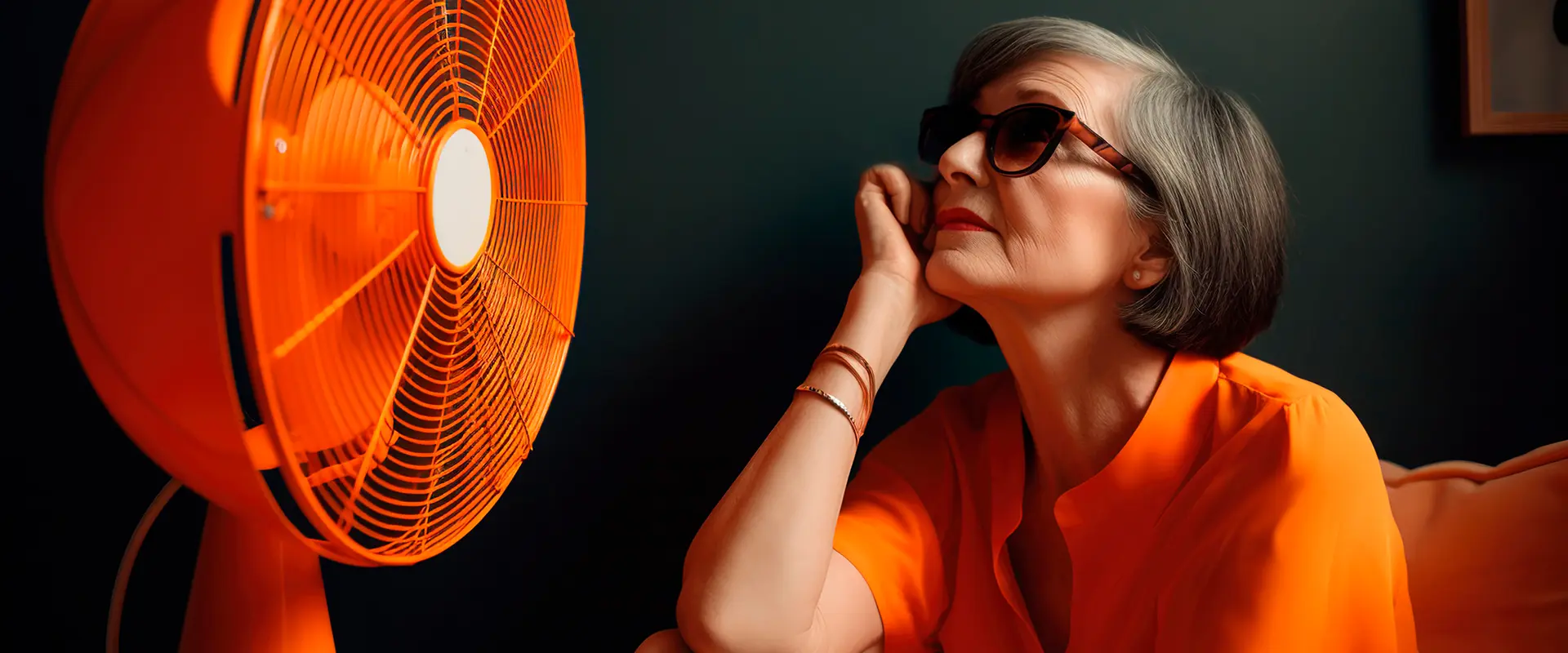

It was the hottest day of the year when Mrs. Meier (78) was admitted to the emergency room with circulatory problems. Her granddaughter had found her lifeless on the balcony that afternoon - dehydrated, overheated, without protection. Such cases are no longer the exception. According to the Robert Koch Institute, several thousand people die in Germany every year as a result of extreme heat. Particularly at risk: senior citizens, children and people with chronic illnesses.
When summer becomes a danger
Summers are getting hotter. Prolonged heatwaves with temperatures above 35 °C are no longer a rarity. The body quickly reaches its limits - especially if the cardiovascular system is weakened, you don't feel thirsty or your thermoregulation doesn't (or no longer) work reliably.
How can we protect our loved ones - and ourselves? The following 7 tips to combat the heat will help you get through the summer months safely and healthily. Scientifically sound, practical and easy to implement.
Tip 1: Drink properly - more than just water
Why drinking enough is vital
The body loses a lot of fluids and electrolytes through sweating, especially in hot weather. Older people often don't feel thirsty, children forget to drink when playing and chronically ill people sometimes need even more than the usual amount.
- Seniors: at least 1.5-2 liters daily, 2-3 liters in hot weather
- Children: 1-1.5 liters depending on age, more if active
- Chronically ill people: follow medical recommendations, especially in the case of heart, kidney or metabolic diseases
What to drink - and what not to drink?
- Suitable: Water, unsweetened tea, diluted fruit juices, sodium-rich mineral water
- Avoid: Alcohol (withdraws water), caffeinated drinks (increase urine production)
Drinking reminders made easy
- Have a glass of water ready every hour
- Use apps or smartwatch as a reminder
- Nursing staff: introduce drinking times
- Families: create drinking rituals together (e.g. "water hour")
Tip 2: Clothing and sun protection - the first line of defense
Choose the right clothing
- Light, airy fabrics such as cotton or linen
- Bright colors reflect sunlight
- Loose cuts prevent heat build-up
Special care with children
- Children's skin is thinner and more sensitive
- Clothing with UV protection factor
- Headgear with neck protection
- Sun cream with a high SPF (at least 30, better 50)

Medication and sun sensitivity
- Some medications make you sensitive to light (e.g. antibiotics, dehydrating agents)
- Consult a doctor or pharmacist
DIY cooling clothing
- Spray T-shirt with water
- Wear damp scarves
- Cooling vests (especially for senior citizens in care facilities)
Tip 3: Cooling your living space - without air conditioning
Ventilate properly - here's how
- Ventilate early in the morning and late in the evening
- Keep windows, shutters and curtains closed during the day
- Fans only with caution (hardly any effect with very hot air)
Cost-effective cooling methods
- Hang wet sheets in front of the window
- Hang up damp towels in the room
- Set up plants - increase humidity
Nursing homes & special challenges
- Old building fabric, lack of insulation
- Developing joint heat plans
- Create cool lounges
Emergency cooling in the community
- Use libraries, churches or public buildings as cooling centers
- Activate community information and local networks
Tip 4: Adapt activities - timing is everything
Rethinking the daily routine
- Start earlier - be active between 6 and 10 a.m.
- Avoid the midday heat (11 a.m. - 5 p.m.)
- Walks in shady parks
- Find out more about "Activities in summer" in our guide article "Seniors in summer: Activities in summer"!
Exercise despite the heat
- Light gymnastics indoors
- Swimming in cool water (not ice cold!)
- Plan rest periods
Caution with chronic diseases
- Do not overexert yourself if you have heart, lung or metabolic problems
- Observe symptoms: Fatigue, dizziness, palpitations
- If unsure: contact a doctor
Tip 5: Physical cooling - immediate relief
Quick measures in the event of overheating
- Hold your wrists under cold water
- Soak your feet in cool water
- Cool forehead, neck and back of knees with damp cloths
Cooling food
- Cucumber, watermelon, mint, yogurt - Find out more now about proper nutrition in summer and in the heat!
- Cold soups (e.g. gazpacho)
Special care for sensitive skin
- Avoid direct contact with ice (risk of cold damage)
- Always wrap cool packs in cloths
Tip 6: Medication and heat - hidden dangers
Storage & effect
- Do not store medication in the car or on the windowsill
- Medication requiring refrigeration in the refrigerator (not too cold!)
Interactions with heat
- Dehydrating agent → Dehydration
- Antihypertensive → Circulatory problems
- Neuroleptics → Impairment of temperature regulation
What to do?
- Consult a doctor in the event of unusual reactions
- Have the dosage adjusted if necessary
- Always transport medication in its original packaging
Tip 7: Activate your social network - strong together against the heat
Offering and accepting help
- Involve neighbors, family, caregivers
- Plan shopping lists or trips to the doctor together
Regular check-ins
- Daily call to people living alone
- Digital groups for coordination (WhatsApp, neighborhood apps)
Emergency contacts & warning systems
- Keep telephone numbers to hand
- Install heat warning apps (e.g. NINA)
Use public offers
- Cold rooms in community centers
- "Heat sponsorships" by volunteers
Special risk groups - why they are particularly at risk
Seniors
- Reduced sensation of thirst
- Weaker cardiovascular system
- Frequent use of medication
Children
- Higher fluid requirement
- Less pronounced thermoregulation
- Lower risk awareness
Chronically ill patients
- Increased risk of heart, kidney or respiratory diseases
- Heat can intensify symptoms
- Medication often sensitive to heat
Recognize warning signals
- Lethargy, confusion, fever, dry skin, rapid breathing
Guide for relatives
- Pay attention to drinking behavior
- Ventilate/cool rooms regularly
- Act immediately if there are signs
Emergency guide - What to do in case of heat stroke?
Step-by-step
- Remove from heat immediately
- Loosen clothing, store in a cool place
- Cold compresses on head, neck, legs
- Only give liquid if you are conscious
- Dial 112
- Cool and care for until arrival
Conclusion: 7 tips against the heat in summer
Heat affects us all - but not everyone to the same extent. With knowledge, precaution and a sense of community, we can make the summer safer. Share this article with family, friends and neighbors - and help protect lives.
Download our heat protection checklist as a PDF and hang it up in a visible place!