
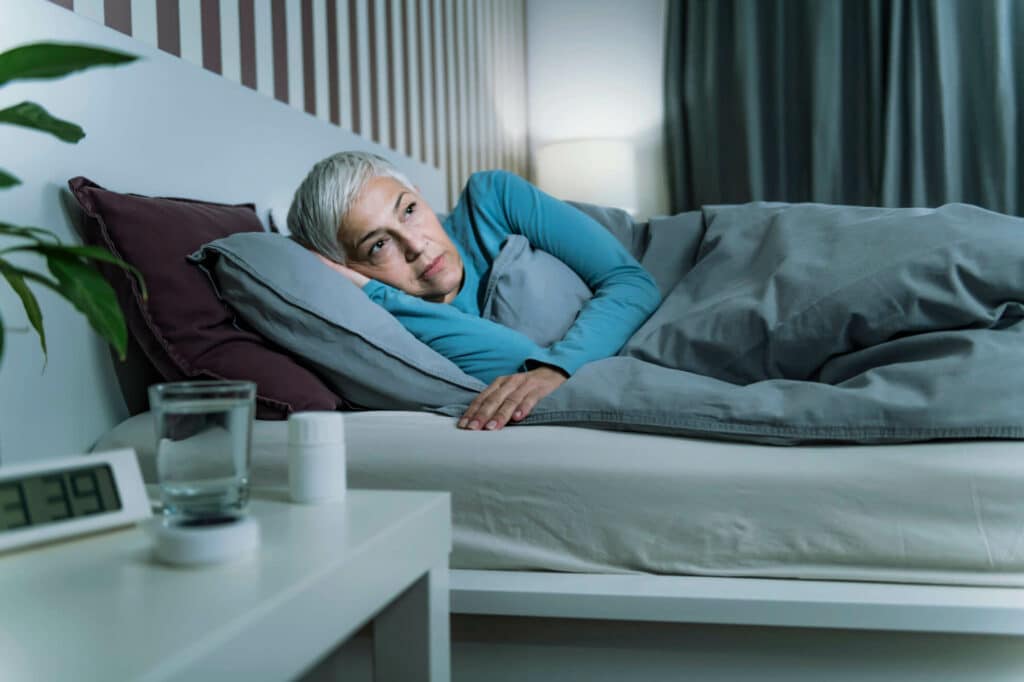

Are you an older person who has trouble sleeping? These tips can help you deal with insomnia, overcome age-related sleep problems and get a good night's sleep.
Sleep and ageing
As we get older, our sleeping habits change, e.g. we get tired earlier, wake up earlier or have less deep sleep. However, restless sleep, waking up every day and other symptoms of insomnia are not a normal part of ageing. Sleep is just as important for your physical and emotional health as it was when you were younger.
A good night's sleep helps to improve concentration and memory formation, allows the body to repair cell damage that has occurred during the day and refreshes the immune system, which in turn helps to prevent illness. Older adults who do not sleep well are more likely to suffer from depression, attention and memory problems, excessive daytime sleepiness and experience more night-time falls. Inadequate sleep can also lead to serious health problems, including an increased risk of cardiovascular disease, diabetes, weight problems and breast cancer in women.
Understand how sleep changes with age
As you age, your body produces less growth hormone, so you're likely to experience a decline in slow wave or deep sleep (a particularly restorative part of the sleep cycle). When this happens, less melatonin is produced, which means that sleep is often fragmented and you wake up more frequently at night. For this reason, many of us consider ourselves \"light sleepers\" as we age. This also applies to you:
You want to go to sleep earlier in the evening and wake up earlier in the morning.
You have to stay in bed longer at night to get the hours of sleep you need or make up for the deficit by taking a nap during the day.
In most cases, such changes in sleep are normal and do not indicate a sleep problem.
Sleep problems that are not related to age
Occasional sleep problems are normal at any age. However, if any of the following symptoms occur regularly, it may be a sleep disorder:
- You have difficulty falling asleep even though you feel tired.
- You have difficulty falling asleep again after waking up.
- You do not feel rested after a good night's sleep.
- You feel irritable or sleepy during the day.
- You have difficulty staying awake when sitting still, watching TV or driving.
- You have difficulty concentrating during the day.
- They resort to sleeping pills or alcohol to fall asleep.
- You have difficulty controlling your emotions.
Identify the causes of your insomnia
Many cases of insomnia or sleep disorders have underlying but very treatable causes. If you find out all the possible causes, you can adapt the treatment accordingly.
- Are you under a lot of stress?
- Are you depressed? Do you feel emotionally depressed or hopeless?
- Do you struggle with chronic fears or worries?
- Have you recently had a traumatic experience?
- Are you taking medication that could affect your sleep?
- Do you have health problems that can affect your sleep?
Poor sleeping habits and sleeping environment. These include irregular bedtimes, drinking alcohol before bedtime and falling asleep with the TV on. Make sure your room is comfortable, dark and quiet and that your bedtime rituals are conducive to sleep.
Pain or medical complaints. Health conditions such as frequent urination, pain, arthritis, asthma, diabetes, osteoporosisheartburn at night and Alzheimer's disease can affect sleep. Talk to your doctor to clarify any medical problems.

Menopause and postmenopause. During the menopause, many women find that hot flushes and night sweats can disturb their sleep. Even after the menopause, sleep problems can persist. Improving your daily habits, particularly in terms of diet and exercise, can help.
Medication. Older adults tend to take more medications than younger people, and the combination of medications and their side effects can affect sleep. Your doctor may be able to make changes to your medication to improve your sleep.
Lack of exercise. If you exercise too much, you may never feel tired or feel tired all the time. Regular aerobic exercise during the day can promote a good night's sleep.
Stress. Major life changes such as retirement, the death of a loved one or moving out of your parents' home can cause stress. Nothing improves your mood better than finding someone you can talk to face to face.
Lack of social engagement. Social activities, family and work can keep your activity level high and prepare your body for a good night's sleep. If you are retired, consider volunteering, joining a seniors group or attending an adult education class.
Sleep disorders. Restless legs syndrome (RLS) and sleep-related breathing disorders such as snoring and sleep apnea are more common in older adults.
Lack of sunlight. Bright sunlight helps to regulate melatonin levels and the sleep-wake rhythm. Try to get at least two hours of sunlight a day. Keep the blinds open during the day or use a light therapy box.
Improve your sleeping habits
In many cases, you can improve your sleep by addressing emotional issues, improving your sleep environment and choosing healthier habits for the day. However, since everyone is different, you may need to experiment a little to find out which changes will best improve your sleep.
Promoting better sleep at night
Increase your melatonin levels naturally. Artificial light at night can suppress the body's production of melatonin, the hormone that makes you sleepy. Use low wattage light bulbs where safe to do so, and turn off the TV and computer at least an hour before bedtime.
Do not read at night on a device with a backlight (e.g. an iPad). If you enjoy reading from a tablet or other electronic device, switch to an eReader that requires an additional light source.
Make sure your bedroom is quiet, dark and cool and your bed is comfortable. As we get older, we often become more sensitive to noise, and light and heat can also cause sleep problems. Using a noise machine, earplugs or a sleep mask can help.
Only use your bedroom for sleep and sex. If you don't work, watch TV or use the computer in bed, your brain will only associate the bedroom with sleep and sex.
Put the clock out of sight in the bedroom. The light can disturb your sleep, and anxiously watching the ticking minutes is a surefire recipe for insomnia.
Maintain a regular bedtime routine for better sleep
Maintain a fixed sleep rhythm. Go to bed at the same times every day and wake up at the same times, even at weekends.
Turn off the snoring. If the snoring keeps you awake, try earplugs, a white noise machine or separate bedrooms.
Go to bed earlier. Adjust your bedtime to the time you want to go to bed, even if it is earlier than before.
Develop calming rituals for bedtime. Taking a bath, listening to music or practicing a relaxation technique such as progressive muscle relaxation, mindfulness meditation or deep breathing can help you calm down before bedtime.
Reduce sleeping pills and sleeping tablets. Many sleeping pills have side effects and are not suitable for long-term use. Sleeping pills do not combat the causes of insomnia and can even make it worse in the long term.
Combine sex and sleep. Sex and physical closeness, such as hugs, can lead to restful sleep.
How to take a nap
If you don't feel fully awake during the day, a nap can give you the energy you need to perform at your best for the rest of the day. Try it out and see if it helps you.
Keep it short. Even a five-minute nap can improve alertness and certain memory processes. Most people benefit from limiting their naps to 15-45 minutes. After a longer nap, you may feel groggy and unable to concentrate.
Sleep early. Sleep early in the afternoon. A nap too late in the day can disturb your night's sleep.
Make yourself comfortable. Try to take a nap in a pleasant environment, preferably with little light and noise.
Nutrition tips to improve sleep
Avoid caffeine late in the evening. Avoid coffee, tea, lemonade and chocolate in the late evening.
Avoid alcohol before going to bed. It may seem that alcohol makes you sleepy, but in reality it disturbs your sleep.
Satisfy your hunger before going to bed. Eat a light snack such as low-sugar muesli, yogurt or warm milk.
Reduce sugary foods. A diet high in sugar and refined carbohydrates such as white bread, white rice, pasta and chips can lead to night-time wakefulness and pull you out of deep, restorative sleep phases.
Avoid large meals or spicy foods just before going to bed. Large or spicy meals can lead to indigestion or discomfort. Try to eat a medium-sized dinner at least 3 hours before going to bed.
Drink as little liquid as possible before going to bed. Drink only a little in the last hour and a half before going to bed so that you don't wake up so often at night and have to go to the toilet.
Exercise to overcome sleep problems in older adults
Exercise - especially aerobic activity - releases chemicals in the body that promote more restful sleep. Even if you have limited mobility, there are numerous activities you can do to prepare for a restful night's sleep. However, always seek advice from your doctor before starting a new fitness program.
Reduce mental stress
Stress and anxiety that build up during the day can also interfere with sleep at night. It is important that you learn to let go of thoughts and worries when it is time to sleep.
Keep a diary to record your worries before you retire. Tick off completed tasks on your to-do list, list your goals for tomorrow and then let them go.
Listen to soothing music.
Read a book that gives you a feeling of relaxation.
Have a friend or partner give you a massage.
Use a relaxation technique to prepare your body for sleep.
During the day, look for an opportunity to talk to a friend face to face about what is bothering you.
Getting back to sleep at night
As you get older, it is normal to wake up more often at night. However, if you have problems falling asleep again, the following tips can help you:
Don't stress yourself out. If you get upset that you can't go back to sleep, it will only encourage your body to stay awake. Try not to think about yourself, but focus on the feelings and sensations in your body.
Make relaxation your goal, not sleep. Try a relaxation technique such as deep breathing or meditation without getting out of bed. Although this is not a substitute for sleep, relaxation can still help to rejuvenate your body.
Engage in a quiet, non-stimulating activity. If you are awake for more than 20 minutes, get out of bed and do a non-stimulating activity, such as reading a book. But keep the lights dimmed and avoid screens.
Postpone the worrying. If you wake up at night and worry about something, write it down briefly on a piece of paper and postpone the worries until the next day when they are easier to solve.
When you should talk to a doctor about sleep problems
If your own attempts to solve your sleep problems are unsuccessful, keep a sleep diary and take it to your doctor. Make a note of when you consume alcohol, caffeine and nicotine, and record what medication you take, when you exercise, what lifestyle changes you make and what stresses you have had recently. Your doctor may then refer you to a sleep specialist or cognitive behavioral therapist for further treatment, especially if the insomnia is severely affecting your mood and health.
(Literature: helpguide.org Authors: Melinda Smith, M.A., Lawrence Robinson, and Robert Segal, M.A.)