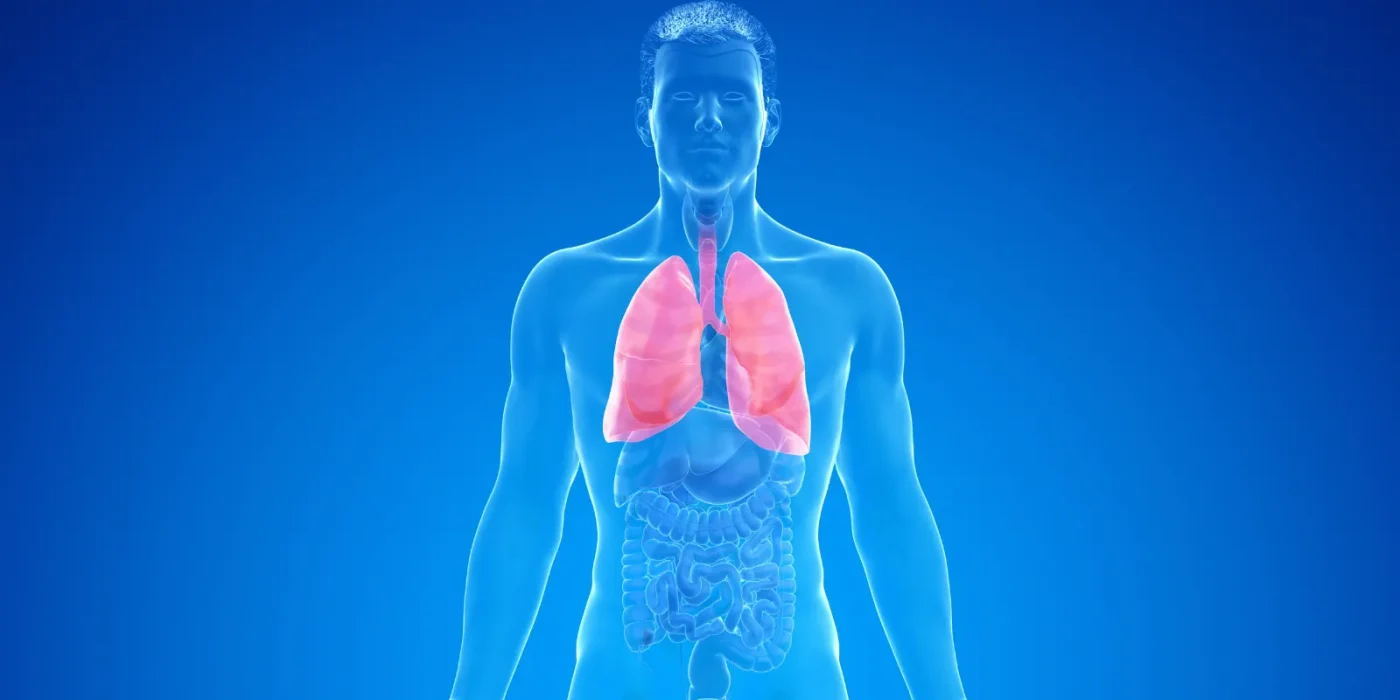


Osteoporosis is a serious condition characterized by loss of bone density that often goes unnoticed until painful fractures occur. The guide deals with the causes and risk factors such as age-related changes, hormonal influences and unhealthy lifestyle habits. It also presents symptoms, diagnostic options and effective treatment methods, including drug therapies, physiotherapy and dietary adjustments. Early detection and support from family members are crucial for bone health and the well-being of those affected.
In this comprehensive guide, you will not only learn all about the symptoms, diagnosis options and effective treatment methods, but also how you can actively promote your bone health through targeted early detection and appropriate support. Let's raise awareness of osteoporosis together and find out how you and your loved ones can benefit from professional care.
Definition of osteoporosis
Osteoporosis (osteo: bone, poros: the pore, the hole) is a bone disease characterized by a loss of bone mass and a change in bone structure, which leads to an increased susceptibility to fractures. There is a significant decrease in bone density and strength, and the bone structure is changed to such an extent that it is also referred to as bone atrophy. The disease often occurs when the balance between the bone cells osteoblasts (bone formation) and osteoclasts (bone resorption) is disturbed.
The widespread disease osteoporosis leads to lower bone mass in those affected.
This condition can lead to serious health problems, including bone fractures and other orthopaedic complications. In Germany, osteoporosis affects around 5.6 million people, with women being particularly frequently affected.
Early detection and targeted treatment of osteoporosis are crucial to minimize the risk of fractures and injuries. Effective measures include a balanced diet, regular physical activity and, if necessary, drug therapies. Let's discuss your options for preventing and treating osteoporosis together to ensure your long-term health.
Types of osteoporosis
There are two main types of osteoporosis, which differ in their cause and development: primary osteoporosis and secondary osteoporosis.
Primary osteoporosis
Primary osteoporosis is the most common form and occurs independently of other diseases. It is divided into two subtypes:
- Type I osteoporosis: This form, also known as postmenopausal osteoporosis, mainly occurs in women after the menopause. The drop in oestrogen levels leads to accelerated bone loss.
- Type II osteoporosis: Also known as senile osteoporosis, it usually occurs in older people, regardless of gender. This is an age-related loss of bone substance.

Secondary osteoporosis
Secondary osteoporosis is the result of other underlying diseases or conditions. The most common causes include:
- Hormone fluctuations, as occur in endocrine diseases.
- Long-term use of certain medications, especially steroids.
- Chronic diseases, such as rheumatism or diabetes, which affect bone metabolism.
- Lifestyle factors such as alcohol abuse or lack of exercise can also contribute to the development of this form.
It is crucial to recognize the type of osteoporosis in order to initiate appropriate treatment and preventive measures.
Osteoporosis: causes and risk factors
The causes of osteoporosis are varied and can include both genetic and environmental factors. One of the main causes is the age-related decline in bone density, which begins from the age of 30 and increases over time. Hormones also play a crucial role; in particular, a drop in oestrogen levels in women after the menopause can significantly increase the risk of osteoporosis.
Furthermore, certain lifestyle factors such as insufficient physical activity, an unbalanced diet that is low in calcium and vitamin D, and excessive alcohol and tobacco consumption are also significant risk factors.
Symptoms and signs of osteoporosis
Osteoporosis can be asymptomatic over a long period of time, so that affected people often only become aware of the disease when they break a bone. Typical symptoms that may indicate osteoporosis are pain in the back and joints as well as a noticeable reduction in height over time.
A particularly important sign of osteoporosis is the so-called widow's hump, which is caused by the collapse of the vertebral bodies and appears as a hunchback. This symptomatic feature is not only an indication of progressive bone weakness, but can also significantly affect the general well-being and quality of life of those affected. The misalignment of the spine can lead to a loss of height. Typical body shapes are the hump, the hollow back and the osteoporotic belly. It is therefore essential to take suitable preventive and therapeutic measures at an early stage.
Osteoporosis diagnosis and detection
Early diagnosis of osteoporosis is crucial for successful treatment. Various methods are available to measure bone density and assess bone health. The most commonly used method is bone densitometry (DEXA), which provides accurate information on bone density. In addition, clinical assessments and risk assessments by specialists can help to determine the individual risk of osteoporosis.
To provide a comprehensive overview of the diagnostic options:
- Bone density measurement (DEXA)
- Clinical assessments
- Risk assessments by medical specialists
The findings from these investigations are crucial for developing suitable therapeutic approaches and determining possible treatment strategies.
Early detection of osteoporosis
Early detection, for example by measuring bone density, plays a key role in dealing with osteoporosis. The timely identification of risk factors and the state of bone density make it possible to take preventive measures and slow down the development of the disease.
Importance of risk assessment
Risk assessment is a crucial step in the early detection of osteoporosis. It takes into account various factors that can increase an individual's risk of developing the disease. The most important risk factors include age, gender, genetic predisposition and certain lifestyle factors such as diet and physical activity. A comprehensive medical history taken by a specialist can help to identify these factors and better assess the personal risk.
One example of such a risk assessment is the FRAX analysis, a tool that calculates the risk of osteoporotic fractures within the next ten years on the basis of clinical data. This analysis takes into account both bone density and other risk factors and thus provides a sound basis for preventive measures.
Screening programs for the early detection of osteoporosis
In many countries, there are special screening programs for the early detection of osteoporosis that aim to identify people at high risk at an early stage. These programs often offer free or low-cost bone density measurements to assess the condition of the bones. Such measures not only improve the prevalence of osteoporosis, but also create the opportunity to start treatment at an early stage.
Bone density measurement (DEXA) is the most common procedure and is considered the gold standard in diagnostics. It is painless and provides precise results on bone density within a very short time. Based on these results, doctors can then recommend suitable treatment approaches or, if necessary, order further examinations.
Regular medical check-ups
Regular medical check-ups are another important part of the early detection of osteoporosis. These check-ups enable doctors to monitor the progress of bone health and make adjustments to treatment if necessary. Regular check-ups should be considered, especially for people in high-risk groups - including older women after the menopause and people with a family history of osteoporosis.
During these appointments, other important aspects such as diet and exercise can also be discussed. A holistic approach that includes both medical and health-promoting measures is crucial for the prevention and treatment of osteoporosis.
Osteoporosis therapy
The treatment of osteoporosis consists of an integrative combination of non-pharmacological and pharmacological measures aimed at promoting bone health and minimizing the risk of fractures.
Non-pharmacological measures play an essential role and include
- A balanced diet rich in calcium and vitamin D to support bone metabolism.
- Regular exercise, which both increases bone density and strengthens the muscles, thereby reducing the risk of falling.
- Fall prevention to reduce the risk of injuries and fractures.
In addition, the medicinal measures include
- The administration of vitamin D and calcium to optimize nutrient intake.
- The use of special drugs that inhibit bone resorption and thus slow down the progression of osteoporosis.
The combination of these measures is crucial to maintaining the quality of life of those affected and ensuring the long-term health of their bones.
Vitamin D and bone health
Vitamin D plays a crucial role in bone health and can make a significant contribution to reducing the risk of developing the disease osteoporosis. This essential vitamin promotes the absorption of calcium in the body, which is necessary for bone formation and the maintenance of bone substance.
An adequate supply of vitamin D is particularly important for older people, as natural vitamin D levels often fall with age. Sufficient intake is also important for people with a family history of osteoporosis, as genetic factors can increase the risk of the disease.
To ensure an optimal supply of vitamin D, regular exposure to the sun and, if necessary, dietary supplements should be considered if dietary intake is not sufficient.
Suspicion of osteoporosis
A suspected case of osteoporosis can be confirmed by a careful combination of clinical examinations and laboratory analyses. The most common clinical examinations include an assessment of the patient's medical history, a physical examination and, if necessary, a bone density measurement, which is considered the gold standard for diagnosing osteoporosis. This measurement enables an accurate assessment of bone density and thus an evaluation of the risk of fractures.
In addition, laboratory tests can be ordered to check the levels of important nutrients such as calcium and vitamin D as well as other relevant values that provide information about bone metabolism and bone tissue.
It is crucial that people with suspected osteoporosis consult a doctor at an early stage. An accurate diagnosis is the first step in initiating appropriate treatment strategies that are tailored to the patient's individual needs. The earlier the diagnosis is made, the better preventive measures can be taken and possible consequential damage avoided.
Osteoporosis prevention: diet and exercise
A balanced diet and regular exercise are decisive factors for bone health and can make a significant contribution to reducing the risk of osteoporosis. A diet rich in calcium and vitamin D not only supports the formation and maintenance of bone substance, but also promotes general health.
Nutritional aspects
- Calcium: Foods such as milk and dairy products, green leafy vegetables, almonds and fortified products are excellent sources of calcium. Adequate calcium intake is essential for bone stability.
- Vitamin D: This vitamin is important for the absorption of calcium in the intestine. High-fat fish, egg yolk and fortified foods as well as sun exposure contribute to the vitamin D supply.
Movement
Regular physical activity is also very important. Activities such as strength trainingwalking, dancing and joint-friendly exercises promote bone density and improve muscle tone and balance, which reduces the risk of falling.
It is important that people with osteoporosis take special care to ensure that their diet contains sufficient calcium and vitamin D and that they exercise regularly to support their bone health.
Fall prevention
Fall prevention is an essential part of the treatment of osteoporosis and plays a crucial role in reducing the risk of fractures. As people with osteoporosis are particularly susceptible to fractures, it is of the utmost importance to take measures to prevent falls.
There are various strategies that people with osteoporosis can use to minimize their risk of falling:
- Use of walking sticks or walking frames: These aids provide additional stability and support when walking, especially on uneven or slippery surfaces.
- Installation of handrails: Handrails on stairs, in the shower and in other high-traffic areas help to improve balance and reduce the risk of falling.
- Spatial adjustments: Removing tripping hazards such as loose carpets, cables or other objects on the floor. Adequate lighting in all areas of the home also improves visibility and contributes to safety.
- Training to improve balance and coordination: Regular exercises aimed at strengthening balance and muscles can make a significant contribution to reducing the risk of falling.
By integrating these measures into their everyday lives, people with osteoporosis can actively increase their safety and reduce the risk of dangerous falls and the associated injuries.
Surgical therapy
Surgical treatment of osteoporosis involves a combination of surgical interventions and supportive measures aimed at reducing the risk of fractures and improving the quality of life of those affected. Surgical measures are often considered if conservative treatments are not sufficient or if fractures have already occurred that make interventional therapy necessary.
Examples of surgical therapies
- Vertebral fusion: This is a common procedure for compressive vertebral fractures caused by osteoporosis. Stabilizing the vertebrae can relieve pain and improve posture.
- Implantation of artificial joints: In cases of severe joint damage caused by osteoporosis or osteoarthritis, implantation of an artificial joint may be necessary. These procedures can relieve considerable pain and restore mobility.
In addition to these surgical options, surgical therapy often includes
- Rehabilitation: Physiotherapy and specific exercises performed after the procedure to promote mobility and strengthen the muscles.
- Long-term management: After the operation, measures to prevent further fractures, such as drug therapies to strengthen the bone substance and improve mineral metabolism, are usually recommended.
It is important that patients discuss the individual risks and benefits of surgical treatment with their doctor in order to choose the best treatment strategy.
Prevention of osteoporosis
Preventing osteoporosis is an essential part of treatment and plays a crucial role in reducing the risk of fractures. Preventive measures can help to increase bone density and maintain bone health throughout life.
Risk mitigation measures
- Balanced diet: A diet rich in calcium and vitamin D is essential. Foods such as dairy products, green leafy vegetables, nuts and fish help to strengthen bone substance. Particular attention should be paid to ensuring an adequate intake of these nutrients.
- Regular exercise: Physical activity is crucial for bone health. Weight training, aerobic exercise and balance exercises not only improve bone density, but also strengthen the muscles and reduce the risk of falling.
- Fall prevention: Measures to prevent falls, such as removing tripping hazards in the living area, installing grab rails and wearing non-slip footwear, are important to avoid injuries.
Other preventative aspects may include regular visits to the doctor to check bone health and, if necessary, taking supplements or medication to support bone health, especially in at-risk groups.
By implementing these measures, people can actively help to promote their bone health and significantly reduce the risk of osteoporosis and its consequences.
Effective treatment options for osteoporosis
Drug therapy is an essential part of the treatment of osteoporosis. Osteoporosis is a disease characterized by the loss of bone density, and timely intervention is crucial to minimize bone loss.
Drug therapy for osteoporosis
The drug treatment of osteoporosis comprises various classes of drugs. The most commonly used drugs include bisphosphonates, selective oestrogen receptor modulators (SERMs), hormone therapies and antibody therapies.
Bisphosphonates such as alendronate and risedronate are particularly well known for their ability to inhibit bone resorption and increase bone density. These drugs are usually taken once a week or once a month and are well tolerated by many patients.
Another important approach is SERMs, which are used particularly in postmenopausal women. These drugs work in a similar way to oestrogen by increasing bone density and reducing the risk of fractures. Hormone therapies may also be considered, especially in women suffering from osteoporosis caused by a drop in estrogen levels after menopause.
In addition, there are newer therapies such as denosumab, a monoclonal antibody that blocks the effect of the RANKL hormone and thus prevents bone resorption. This therapy is usually administered as an injection every six months and has proven to be very effective.
Physiotherapy and exercise
Physiotherapy and targeted exercise are important elements in the treatment of osteoporosis. Regular physical activity not only helps to improve bone density, but also strengthens the muscles and improves balance. This is particularly important to prevent falls, which can often lead to fractures. An individually tailored training program should include both strength and balance exercises.
Strength training can help to strengthen the muscles around the bones and thus increase the pressure on the bones, which in turn improves their density. Balance exercises are crucial to minimize the risk of falling. Activities such as Tai Chi have been shown to be particularly beneficial as they promote both balance and flexibility.
Nutritional adjustments
A balanced diet plays a crucial role in the prevention and treatment of osteoporosis. A calcium-rich diet is essential for bone health, as calcium is an essential component of bone tissue. Foods such as dairy products, green leafy vegetables and nuts should be regularly included in the diet. Vitamin D is also essential for the absorption of calcium in the body. Sufficient intake can be achieved through sunlight or through specific foods such as oily fish or fortified products.
It is important to note that other nutrients such as magnesium and vitamin K also play a role in bone health. A balanced diet can not only prevent osteoporosis, but also positively influence the course of the disease.
These combined approaches of drug therapy, exercise and dietary adjustments can help sufferers to improve their bone health in the long term. In the next section, we will look at support for patients and their families and show how family support can be of great importance during treatment.
Bone health in old age
Bone health in old age is a decisive factor for the general well-being and quality of life of older people. Sound bone health not only helps to reduce the risk of fractures, but also influences mobility and autonomy in daily living.
There are several key steps that older people can take to maintain their bone health
- Balanced diet: A balanced diet rich in calcium and vitamin D plays a crucial role in bone health. Foods such as dairy products, green leafy vegetables, nuts and oily fish make a significant contribution to strengthening bones.
- Regular exercise: Physical activity, especially strength training and joint-friendly exercises such as yoga or tai chi, not only promotes bone density, but also improves balance and coordination, which prevents falls.
- Fall prevention: Adjustments to the living environment, such as removing tripping hazards or installing grab rails, can significantly reduce the risk of falling. Wearing non-slip footwear is also recommended.
By integrating these measures into their everyday lives, older people can actively contribute to maintaining their bone health and thus improve their quality of life. Let's discuss how you can successfully implement these recommendations.
Osteoporosis: Genetic factors
Genetic factors play a significant role in the development of osteoporosis. A family history of osteoporosis can significantly increase the risk of developing the disease, as genetic predispositions can influence bone density and strength. Therefore, it is especially important for people with such a family history to be cautious and take proactive measures to monitor and maintain their bone health.
Regular bone health checks are essential in order to detect changes in bone density at an early stage and develop suitable prevention and treatment strategies if necessary. These include bone density measurements, which help to assess the individual risk of osteoporosis.
In addition, people with a family history of risk should make sure they lead a healthy lifestyle that includes adequate nutrient intake (especially calcium and vitamin D), regular physical activity and fall prevention.
Bone fractures and osteoporosis
Bone fractures are a common and serious symptom of osteoporosis. They can not only lead to considerable pain and limitations, but also to serious orthopaedic problems that have a lasting impact on the quality of life of those affected.
A broken neck of femur or fractures of the spine can severely impair quality of life and pose a serious risk to people in old age.
It is therefore extremely important for people with osteoporosis to have their bone health checked regularly. Early diagnosis makes it possible to detect any changes in bone density in good time and take appropriate measures to strengthen the bones.
The following measures should be taken to reduce the risk of bone fractures
- Regular bone density measurements: These help to better assess the individual risk.
- Creating a safe living environment: removing tripping hazards and installing grab rails can prevent falls.
- Targeted physical activities: Exercises to improve your balance and muscles not only strengthen your bones, but also reduce the risk of falling.
- Adequate nutrient intake: A diet rich in calcium and vitamin D supports bone health.
By integrating these measures into their everyday lives, those affected can actively reduce the risk of fractures and improve their general health and quality of life.
Home help for osteoporosis
Osteoporosis is a disease characterized by a decrease in bone density and strength. This increases the risk of bone fractures, especially in older people. In view of the potential restrictions in mobility and the increased risk of injury, support from home helpers is of great importance.
Support with everyday tasks
A home helper can help with daily activities such as cleaning, cooking, laundry and shopping, which is particularly important if the person concerned has difficulty performing these tasks themselves due to pain or limited mobility.
Fall prevention
A home help can make the living environment safer. This includes removing tripping hazards, installing handrails in stairwells or bathrooms and ensuring adequate lighting in living spaces.
Support with mobility
If necessary, a home help can assist with getting up, walking or using aids such as walking frames or rollators. This assistance can help to reduce the risk of falling and ensure greater safety in everyday life.
Care and support
Help prepare healthy meals that are rich in calcium and vitamin D to support bone health. In addition, a home health aide may also participate in medication reminders or administration to ensure that all necessary therapies are adhered to.
Society and emotional support
Isolation and loneliness can increase as a result of the illness. A home help not only offers practical support, but also social interaction, which is important for emotional well-being.