
Senior sports play a crucial role in health and quality of life in old age. Regular exercise improves physical fitness, strengthens muscles, promotes mobility and has a positive impact on mental health.
In this blog article, you will learn how regular exercise can promote your physical and mental health, which types of sport are particularly suitable for seniors and which tips will make it easier for you to get started. Let's discover the keys to an active and fulfilling life in old age together!
The importance of sport for seniors
Sport for seniors offers a wide range of health benefits. Regular physical activity is crucial to maintaining physical fitness and increasing quality of life in old age. The positive effects on health are manifold and affect both physical and mental health. An active lifestyle helps to improve cardiovascular health, strengthen muscles and maintain mobility. These aspects are particularly important as they help to maintain independence and make everyday activities easier to manage.
Health benefits of sport in old age
The health benefits of senior sports are extensive and well documented. Regular exercise can significantly reduce the risk of cardiovascular disease. Targeted exercise strengthens the heart, regulates blood pressure and lowers cholesterol levels. In addition, exercise and sport for the elderly promote blood circulation and can therefore also reduce the risk of strokes strokes.
Another key benefit is the strengthening of the muscles. With increasing age, there is often a natural reduction in muscle mass, which can restrict mobility. Strength training, even in gentle forms, helps to maintain and even build up muscles. This not only has a positive effect on physical performance, but also on balance, which significantly reduces the risk of falling in everyday life.
Maintaining mobility also plays a key role. Targeted stretching and mobilization exercises can keep joints supple, which improves general mobility and prevents pain.
Mental benefits through exercise
In addition to the physical benefits, sport also has a positive influence on mental health at any age. Regular exercise increases general well-being and helps to improve mood. Studies show that physical activity reduces stress and lowers the risk of depression. This is particularly relevant for seniors, as social isolation and loneliness can often be a challenge.
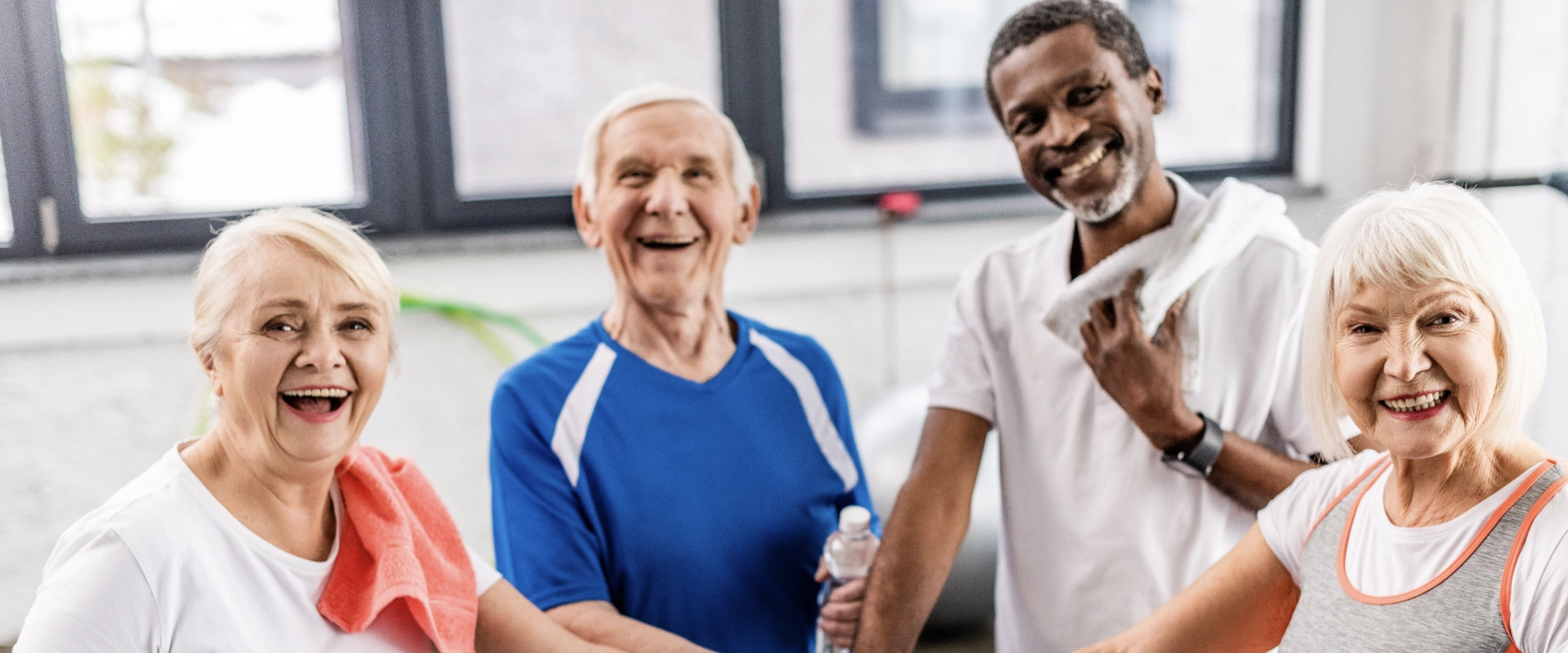
An active lifestyle also promotes social contact and strengthens a sense of community. Whether in group activities or playing sports with friends, social interactions are crucial for emotional well-being. The feeling of belonging and the exchange with like-minded people can provide valuable support.
Disease prevention
Sport for senior citizens plays a crucial role in the prevention of age-related diseases. Regular exercise can help to prevent chronic diseases such as diabetes or osteoporosis in senior citizens. An active lifestyle stimulates the metabolism, which has a positive effect on blood sugar levels and therefore reduces the risk of type 2 diabetes.
Exercise also strengthens the bone structure and can counteract osteoporosis. Strength training is particularly effective here, as it promotes bone formation and thus prevents fractures in old age.
Suitable sports for seniors
There are numerous sportsthat are particularly suitable for senior citizens to keep fit. These activities not only promote physical fitness, but also support general well-being. When choosing a sport, individual preferences, physical requirements and health aspects should be taken into account.
Strength training
Strength training is an excellent way to maintain muscle mass. As we age, muscle mass naturally decreases, leading to reduced strength and stability. However, with targeted strength training, older people can strengthen their muscles and thus improve their overall stability. This is particularly important as strong muscles significantly reduce the risk of falling.
Strength training can take the form of bodyweight exercises, such as push-ups or squats, as well as using light weights. Resistance bands are also an excellent option as they provide a gentle way to train the muscles through various fitness exercises. It is advisable to work with a professional to create an individual training plan that is tailored to your personal needs.
Endurance training
Endurance training is important for general fitness and the cardiovascular system. Activities such as cycling, hiking, a long walk or swimming are ideal for increasing endurance and coordination and promoting heart health. Regular endurance exercise improves blood circulation and helps to lower blood pressure.
Another benefit of endurance training is its positive effect on weight and metabolism. This can help to prevent chronic diseases such as diabetes and improve general well-being. It is important for seniors to choose moderate intensity and listen to their own body. Often, even short sessions of 20 to 30 minutes a day can bring significant progress.
Agility training
Mobility training helps to maintain joint mobility. As we get older, our mobility can often become restricted, which can have a negative impact on our quality of life. Targeted stretching and mobilization exercises can relieve tension and promote flexibility.
Gentle yoga exercises, gymnastics or tai chi are excellent ways to train flexibility. These activities combine stretching with balance exercises and at the same time promote inner balance and concentration. Regular mobility training helps to make everyday movements easier and prevent injuries. These movement sequences help to stay fit in old age and maintain various abilities.
Tips for getting started in senior sports
Getting into sport can be challenging for senior citizens. Physical limitations or insecurities are often at the forefront, making active participation difficult. Nevertheless, it is important to take the first step and embrace the positive aspects of exercise. To make it easier for you to get started with senior sports, we have put together some practical tips that can help you get off to a motivated and safe start.
Slowly increase the intensity
A slow increase in training intensity is crucial for success. It is advisable to start with gentle exercises and gradually increase the load. This not only helps to avoid overloading and injuries, but also allows you to get used to the physical demands. For example, start with short sessions of 10 to 15 minutes and gradually increase the duration and intensity depending on your personal well-being. Make sure you listen to your body and take breaks if you feel tired or overwhelmed.
Regular participation in group activities
Group activities not only promote motivation, but also social contact. Taking part in joint sports courses or events is a great way to make new friends and support each other. Whether it's yoga in the park, swimming in the indoor pool or joining a walking group - interacting with like-minded people can enrich the sporting experience and help you stay on the ball. What's more, the shared activity often creates a positive atmosphere and helps to reduce feelings of loneliness. Don't be afraid to contact local clubs or gyms and take advantage of special sports offers.
Selection of suitable sports
Choosing the right type of sport plays a decisive role in the success of senior sports. Find out about different options and find out which activities you enjoy the most. Whether it's Nordic walking, gentle yoga or swimming - there are numerous options that can promote both physical fitness and general well-being. Try out different sports and get advice from a trainer or physiotherapist to find the activity that suits you best.
Support from specialists
Support from specialists can also provide valuable help. Physiotherapists or specially trained coaches can help you to develop an individual training program that is tailored to your personal needs and goals. These experts can also give you valuable tips on how to perform the exercises correctly and address any health restrictions. Professional guidance will ensure that you train safely and minimize the risk of injury.
With these tips, you are well equipped to get started with senior sports. Remember, it's never too late to get active and do something for your health. In the next section, we will look at important safety aspects to ensure that your training can be both effective and risk-free.
Sports safety for senior citizens
Safety should always be the top priority when it comes to sports for seniors. To avoid injuries during training and ensure a safe sports experience, it is important to take certain safety aspects into account.
Seek medical advice
It is advisable to discuss the following aspects during the medical consultation:
- Existing health problems or pre-existing conditions.
- Current medication and its possible effects on sporting activity.
- Individual fitness goals and which sports are suitable for them.
Suitable footwear and clothing
Choosing the right footwear and clothing is crucial. Comfortable, well-fitting sports shoes with sufficient cushioning are essential to support the foot and minimize the risk of injury. Make sure that the shoes offer sufficient support and are suitable for the chosen sport. For example, special running shoes are ideal for walking, while non-slip shoes are important for yoga or fitness classes.
The clothing should also be functional. Breathable materials ensure that you do not overheat during training and feel comfortable. Avoid tight or uncomfortable clothing that could restrict your movements. In cooler temperatures, several layers should be worn to adapt to changing conditions.
Warming up and cooling down
An effective warm-up before training is essential to prepare the body for the upcoming exertion. Targeted warm-up exercises improve blood flow to the muscles, which reduces the risk of injury. A simple warm-up program can consist of light jogging or dynamic stretching exercises to mobilize the joints and get the muscles up to operating temperature.
After training, it is equally important to introduce a cool-down program. This helps to gradually lower the heart rate again and prevent tension. Gentle stretching exercises after exercise promote flexibility and help to relieve muscle tension.
Listen to your body
Another crucial aspect of safety in senior sports is listening to your own body. Pay attention to signals such as pain or discomfort during training. It is important to realistically assess what your body can do and when it is time to take a break or adjust your training. Overexertion can not only lead to injuries, but can also make sport less enjoyable.