
As most people get older, they tend to neglect a balanced diet. However, this can have consequences that should not be underestimated. Read this magazin to find out which symptoms are associated with malnutrition in old age and how you can recognize and avoid them.
What is malnutrition?
Malnutrition describes an inadequate supply of the nutritional components that the body needs to live. This can be due to an unbalanced diet or deficits in the absorption or processing of food.
Statistically, malnutrition affects almost one in 12 people over 60 in Germany. This figure is alarming, as the diagnosis of malnutrition poses a particular challenge for inpatient and outpatient care situations.
Forms of malnutrition
Malnutrition can be divided into two different categories. One speaks of quantitative and qualitative malnutrition.
Quantitative malnutrition
The person concerned eats too little, which means that calories and important nutrients cannot be absorbed sufficiently through food, which can lead to severe weight loss, a weakened immune system and low energy levels. Quantitative malnutrition is also known as undernourishment.
Qualitative malnutrition
It is caused by malnutrition. This can happen, for example, if the nutritional status is extremely one-sided. The person concerned consumes enough calories in their diet, but lacks important nutrients such as vitamins, minerals and fiber. This means that an overweight person can also be qualitatively malnourished.
Preventing malnutrition in senior citizens
In the case of senior citizens and older people, some aspects such as energy requirements and nutrient needs, the nutrient density of different foods and energy intake should be taken into account when considering food intake.
These tips are no substitute for a personalized nutrition plan, but merely provide rough guidelines for maintaining a balanced and healthy diet for seniors.
- To ensure sufficient energy intake, seniors should eat several small meals.
- The atmosphere at mealtimes should be relaxed and the person concerned should be able to eat their meal without pressure and in peace.
- Sufficient fluid intake before, during and after eating can help to break down food more efficiently and thus support the absorption of vitamins and minerals.
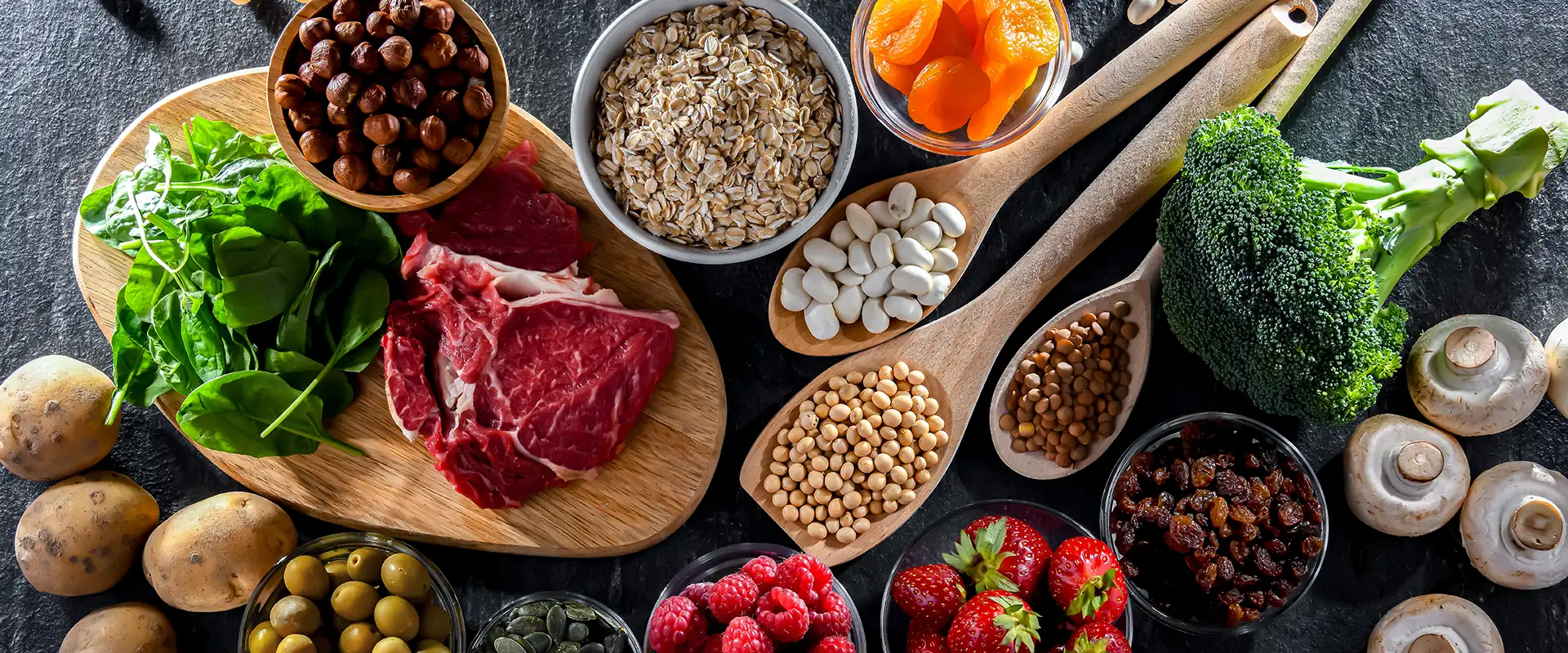
- Care should be taken to ensure that many different types of fruit and vegetables are offered.
- If it is difficult to eat fruit and vegetables due to chewing or swallowing difficulties, homemade smoothies or fruit can be used.
- Fermented products such as yogurt or kefir can have a positive effect on the utilization of protein and vitamins.
- Whole grain products contain valuable dietary fiber, which promotes bowel movement.
- Fish, lean meat and pulses should be consumed to satisfy the protein requirement
- Too much added sugar and salt should be avoided.

The need for energy and nutrients in old age
Nutrient requirements do not change with age. However, changes in energy consumption can be detected.
A 75-year-old man needs about 20% less energy than a 25-year-old man, which corresponds to about 375 kcal a day, while women need 200 kcal a day less.
Accordingly, the nutrient density must be adjusted to cover all the required nutrients with a lower number of kcal.
However, Kcal consumption naturally varies greatly and depends on physical activity, muscle mass and other factors.
Malnutrition: recognizing symptoms and signs
The most common and most noticeable sign of malnutrition in old age is a sharp change in weight in a particularly short period of time. The rule of thumb here is a weight loss of 5% in 30 days or 10% in 180 days should be accompanied by a visit to the doctor.
Other symptoms to watch out for are persistent tiredness and weakness, muscle wasting, dizziness and hair loss. A drop in body temperature of 1-2°C can also be a sign of malnutrition.
What are the consequences of malnutrition?
The consequences of malnutrition are varied, as they depend on which nutrient deficiency is present. Some possible consequences are
- The breakdown of muscles
- Water retention
- Hair loss
- Pallor
- Infertility
- Cardiac arrhythmia
- Immunodeficiency
Malnutrition: causes and risk factors
The diagnosis of malnutrition can be caused by several factors. These include
- Changes in physical condition with age (incomplete dentition, loss of appetite)
- Lack of social contacts (loneliness)
- Economic factors (poverty in old age)
- Changes in the senses of taste and smell
- Mental health (age-related depression, grief)
- Diseases (both chronic diseases, such as tumors or kidney problems, as well as bacterial infections and viruses)
- Medication
- Poor eating habits and lack of information about a balanced diet
It is not always possible to identify the exact cause of malnutrition in old age; it is often the case that several factors interact and contribute to the symptoms and consequences, such as nutrient deficiency, tiredness and weakness.
Shopping assistance for malnutrition
Many senior citizens refrain from buying some groceries, as fruit and vegetables, for example, spoil quickly and they would therefore have to risk the strenuous trip to the supermarket several times.
This is where shopping assistance comes into play. Shopping assistance can take many forms: there are volunteer everyday companions who provide assistance with shopping, commercial providers who offer shopping assistance and various delivery services from supermarkets. In addition, services such as meals on wheels can also be used to ensure a supply of meals.
How can shopping assistance be financed?
As soon as the care level is 1 or higher, shopping assistance can be financed by the relief and care allowance. A certified person must carry out this activity.
The costs incurred can then be submitted to the responsible care insurance fund. Find out more now about your entitlement to a home help/everyday companion at the expense of the care insurance fund.
How can malnutrition be diagnosed?
There are various stages in the diagnosis of malnutrition. These are
Medical history
If a doctor is consulted when malnutrition is suspected, the medical history is taken by asking the patient various questions, which they should answer conscientiously. These can be as follows:
- How many meals do you eat a day?
- What food do you eat every day?
- Do you consume alcohol?
- Are you particularly stressed?
- Do you suffer from a loss of appetite?
It is helpful to keep a diary for a certain period of time and note down the patient's diet and condition. This can be particularly helpful for older people, as it allows them to keep an eye on their nutritional status at all times.
This also makes it easier for the doctor to determine which nutrients the patient is particularly deficient in, the calorie intake and the extent of treatment required.
Physical examination
The patient's medical history is followed by a physical examination. The doctor looks for any problems the patient may have that could cause swallowing difficulties and also examines whether there are any physical signs of malnutrition, such as dehydration of the tongue and skin, various types of tissue damage or water retention in the tissues.
The Body Mass Index (BMI)
Another important indicator in the diagnosis of malnutrition is, of course, weight.
The Body Mass Index, or BMI for short, was created to provide a guideline for this. The BMI measures the relationship between height and body weight. Factors such as age and gender are also taken into account.
For example, a BMI of 21-26 is normal at the age of 35-44. At an older age of 65-90 years, a value of 25-30 is instead classified as a normal and healthy weight.
However, caution is advised. If the patient has water retention or similar, the BMI is not meaningful, as this influences the weight.
Blood test
If the doctor suspects a nutritional deficiency after treatment, a blood test will be carried out.
This results in a precise determination of the missing nutrients. As a result, a special focus can be placed on remedying this deficit in order to promote a speedy recovery.
Treating malnutrition: How is the therapy carried out?
The extent of the therapy depends on the severity of the cause of the malnutrition, how much the body needs to recover, which risk factor is responsible for the deficiency and which consequences have already developed.
Malnutrition is treated by combating the causes. For example, if medication is involved that causes a loss of appetite, it should be replaced with better-tolerated medicine. If a swallowing disorder is present, therapy is prescribed to treat this issue. For example, occupational therapy or physiotherapy may be useful.
If the patient cannot eat properly due to a poor denture, it must be adjusted by a specialist.
Malnutrition: course of the disease and prognosis
Older people in German society are most frequently affected by malnutrition.
How quickly patients recover from malnutrition varies. People who exhibit a particularly high number of symptoms, such as severe weight loss, fatigue etc. and the loss of various bodily functions, have been in deficit for a long time and require a very strong focus on food intake and special high-calorie food to compensate for the nutrient deficiency and provide the body with energy again.
It is also particularly important to take action. A diagnosis and finding the cause is particularly important for older people. This makes recovery easier and reduces the risk of consequences such as an increased risk of death.
Malnutrition in older people: Everything at a glance
- The lack of nutrients and vitamins can be compensated for by changing the diet; if acute malnutrition is suspected, a doctor should be consulted.
- Older people are particularly frequently affected.
- The causes of malnutrition are often due to other illnesses or medication.
- Symptoms of malnutrition often include weakness, dizziness, pallor, hair loss and cardiac arrhythmia.