
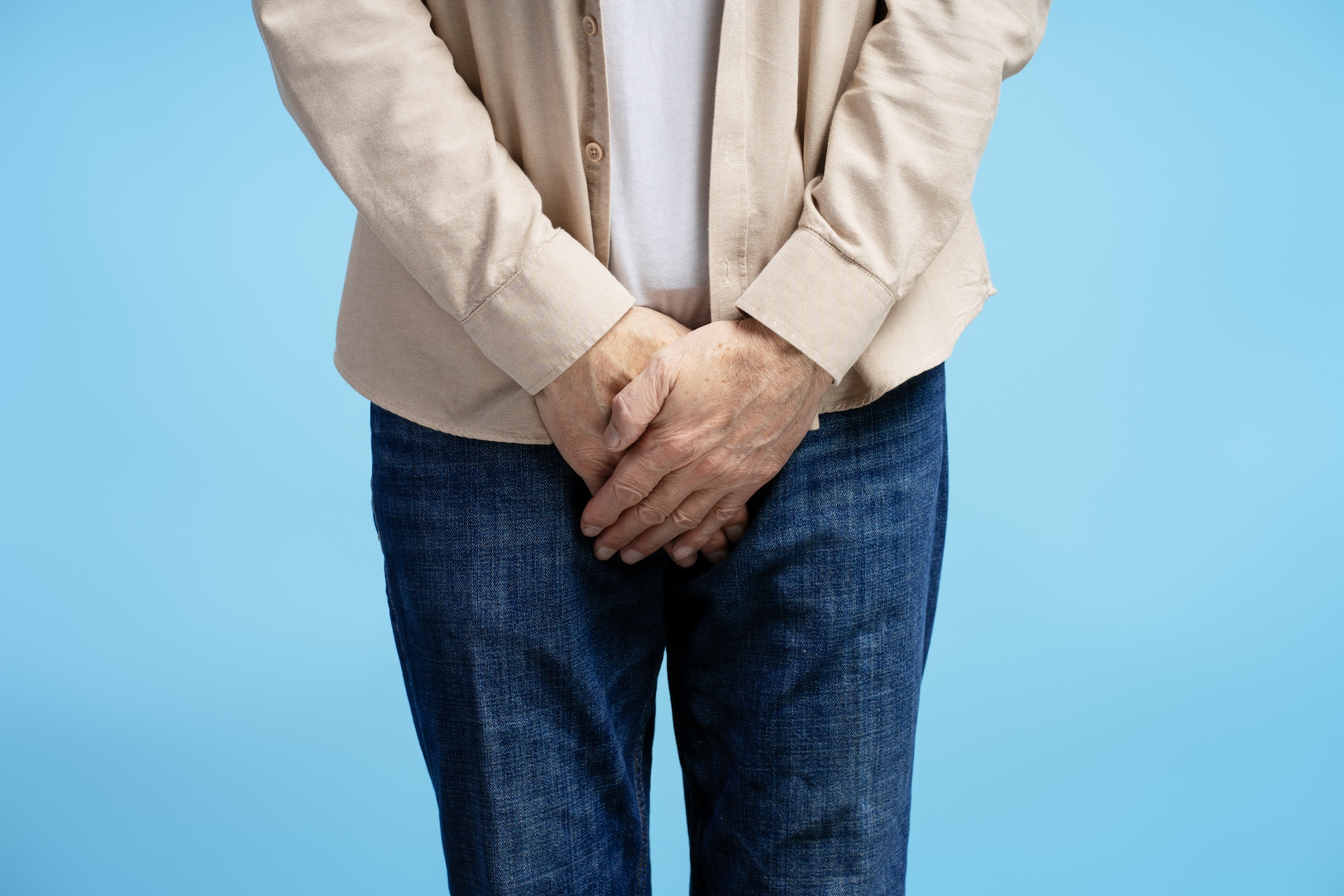

For many people, the involuntary loss of urine is a topic they’d rather not discuss. Incontinence in men, in particular, remains a major taboo. Yet the condition is by no means exclusively a “women’s issue” or an inevitable side effect of aging. The stigma surrounding incontinence means that many men do not talk about their problems.
Millions of men in Germany are affected, but many are too embarrassed to see a doctor. This website, magazin , aims to educate, alleviate fears, and show that there are effective treatment options and ways to return to a carefree everyday life.
What does incontinence actually mean?
In medical terms, this is referred to as urinary incontinencewhen a person loses the ability to control when to empty their bladder, resulting in involuntary urine leakage through the urinary tract. For those affected, this often poses not only a hygiene issue but also an enormous psychological burden.
Urinary incontinence in men is not uncommon. Although younger women often suffer from it, frequently due to a pregnancy and the associated strain on the pelvic floor, but as people age, the statistics even out. Men are often not affected until the second half of their lives, usually due to changes in the prostate.
Anatomy: Why Men Are Affected Differently
To understand the cause of urinary incontinence, it is helpful to first take a look at the anatomy. The male urinary tract differs significantly from that of women. The male urethra is significantly longer and is surrounded by the prostate gland.
The Interplay Between the Bladder and the Pelvic Floor
The bladder is a muscular hollow organ that stores urine. To maintain continence, the sphincter muscle and the pelvic floor must work together perfectly. In men, the closure mechanism is additionally supported by the prostate. If this system becomes unbalanced—whether due to surgery, a medical condition, or age-related tissue changes—it can lead to urinary dysfunction.
The Different Types of Incontinence
Not all cases of urinary leakage are the same. In urology, a distinction is made between various forms of incontinence, each of which requires different causes and treatments. Diagnosing the exact form is the first step toward improvement. The most common forms of incontinence in men are urge incontinence, stress incontinence, and overflow incontinence.
Stress Incontinence: When Pressure Becomes a Problem
Stress incontinence is one of the most common types. In this condition, the sphincter muscle is too weak to withstand the pressure in the abdominal cavity. Typical symptoms appear during physical activity:
- Cough
- Sneezing
- Laughter
- Lifting heavy objects
During these activities, pressure on the bladder increases, and small amounts of urine are lost without the person feeling the urge to urinate.
Urge Incontinence: The Overactive Bladder
In urge incontinence, the nerves in the bladder wall mistakenly signal that the bladder is full, even though it often isn’t. The urge to use the restroom comes on so suddenly and unexpectedly that those affected often cannot make it to the restroom in time. The problem usually stems from hypersensitivity of the bladder muscles or the controlling nerve impulses.
Overflow incontinence
This condition is particularly common in men. An enlarged prostate narrows the urethra. Urine can no longer flow freely, and the bladder never empties completely. When the pressure in the distended bladder becomes too great, it “overflows,” which manifests as constant dribbling.
Causes and Triggers: Urinary Incontinence in Men
There are many causes of incontinence. While the pelvic floor is often the weak point in women, the prostate plays a key role in men.
The Role of the Prostate and Prostatectomy
A benign enlargement of the prostate gland is almost normal as men age, but it can lead to the overflow incontinence described above. A far more serious development, however, is a diagnosis of prostate cancer.
After a prostatectomy—the surgical removal of the prostate—many patients experience urinary incontinence, either temporarily or, in some cases, permanently. Since the prostate has been removed, part of the resistance that holds urine in is missing, and the sphincter muscle and pelvic floor must now take over this function on their own. The position of the bladder also changes slightly as a result of the surgery, which affects the anatomy.
Additional Medical Background Information
In addition to urological causes, other factors may also play a role:
- Neurological Disorders: Parkinson's, multiple sclerosis, or a stroke can disrupt nerve signals to the bladder.
- Medications: Diuretics, which are often prescribed for heart conditions or high blood pressure, increase urine output and the urge to urinate.
- Excess weight: Every extra kilogram puts pressure on the abdominal area and the pelvic floor.
The Path to a Diagnosis: Don't Be Afraid of Urology
Out of embarrassment, many men wait far too long before confiding in a doctor. Yet today, diagnosis is usually painless and straightforward. An open discussion about symptoms is the key to successful treatment.
Suspected Incontinence: What Happens at the Doctor's Office?
The examination begins with a medical history, during which information about drinking habits, medications, and the type of urinary incontinence is gathered.
- Physical examination: The doctor palpates the abdomen and the prostate through the rectum to assess the organ's size and consistency.
- Urine and blood tests: Laboratory results provide information about infections or kidney function.
- Ultrasound: This test is used to check whether the bladder empties completely.
- Urination log: Patients often keep a diary of their fluid intake and bathroom habits.
Treatment Options and Therapies
The good news is: In most cases, incontinence can be effectively treated or even cured. Treatment always depends on the cause and type of the condition.
Conservative Treatments and Pelvic Floor Exercises for Incontinence
Especially in cases of stress incontinence—such as after a prostatectomy—targeted pelvic floor exercises is the treatment of choice. Many men don’t even know where their pelvic floor is or how to exercise it. Physical therapists can provide guidance here. Targeted exercises strengthen the muscles so that they can once again withstand the pressure caused by coughing or sneezing.
Medication
In cases of urge incontinence, medications can help calm the overactive bladder muscles. For an enlarged prostate, there are medications that improve urine flow or slow the growth of the gland.
Surgical Procedures
If conservative treatment options are not sufficient, surgical procedures are available.
- Sling surgeries: A synthetic tape is placed under the urethra to lift it slightly and increase the closure pressure.
- Artificial sphincter: In severe cases, an artificial sphincter can be implanted, which the patient can control using a pump located in the scrotum.
Assistive Devices and Incontinence Products: Safety in Everyday Life
Until treatment takes effect, or if a complete cure is not possible, incontinence products restore the necessary sense of security. Today’s market offers discreet solutions that are specifically tailored to the male anatomy.
Finding the Right Product
It is important not to use sanitary pads, as they absorb urine in a different location than is necessary for men.
- Pads and liners: These are attached to underwear and reliably catch any drips. They are cup-shaped.
- Incontinence pants: They look like regular underwear but have a highly absorbent core.
- Condom urinals: A condom-like sleeve is rolled over the penis and directs the urine into a bag attached to the leg.
Consulting with a pharmacist or a medical supply store can help you find the right product for your specific incontinence needs.

Effects on Mental Health and Quality of Life
Urinary incontinence has a profound impact on people’s lives. The fear of drawing attention to oneself in public or of emitting an unpleasant odor often leads to social withdrawal. Shame prevents people from talking to their partners. Some people with this condition avoid sports, travel, or going to the theater. This isolation can lead to depression . It is essential to recognize that being incontinent as a man does not mean the end of social participation.
Talking with others who are going through the same thing—for example, in support groups—can be a huge relief. Realizing that you’re not alone in your suffering and that other men have had similar experiences can boost your self-confidence. In this way, an open conversation about incontinence can help improve your quality of life.
Living with Urinary Incontinence: Tips for Everyday Life
In addition to medical treatment, small changes in daily life can significantly improve quality of life.
Adjust Your Drinking Habits
Many people tend to drink less in an effort to minimize urine leakage. However, this is counterproductive, as highly concentrated urine further irritates the bladder.
- Drink water evenly throughout the day (about 1.5 to 2 liters).
- Cut back on diuretic beverages such as coffee, black tea, or alcohol.
- Drink less in the evening to reduce the urge to urinate at night.
Potty Training
Do not go to the bathroom “just in case” if you do not feel the urge, as this will cause your bladder to get used to increasingly smaller amounts of urine. If you have urge incontinence, try to consciously delay going to the bathroom for a few minutes to retrain your bladder capacity.
Clothing and Hygiene
Wear clothing that can be quickly undone (e.g., pants with an elastic waistband instead of complicated buttons). Be sure to practice good hygiene in the genital area, as urine can irritate the skin. Special cleansing lotions help maintain the skin’s natural acid mantle.
Conclusion: It is possible to lead an active life with incontinence
Bladder weakness and incontinence in men are challenges that require courage—above all, the courage to break the silence. Whether caused by an enlarged prostate, following a prostatectomy, or due to aging, modern medicine offers a variety of ways to regain control.
Take symptoms such as the urge to urinate at night or dribbling seriously. See a urologist as soon as possible. The sooner the cause is identified, the more effective the treatment options will be. With the right treatment, appropriate aids, and a little patience during training, this condition doesn’t have to permanently limit your quality of life. You can laugh heartily again, play sports, and enjoy life—without worrying about what comes next.
This article is for informational purposes only and is not a substitute for medical advice. If you have any symptoms, please consult a doctor you trust.