
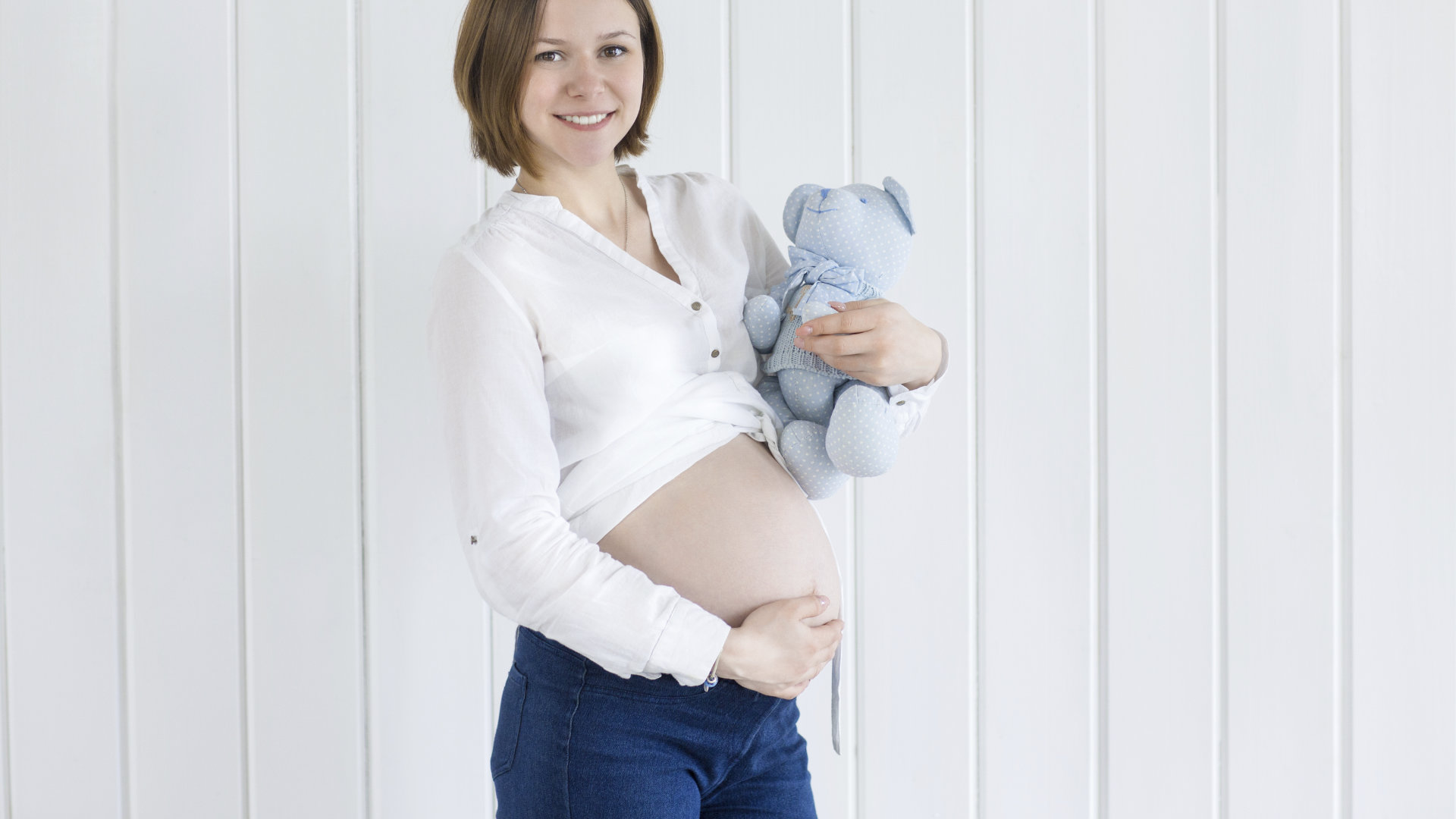

Many women experience a variety of physical and emotional changes during pregnancy. From nausea in the first trimester to back pain and water retention at the end of pregnancy.
For most pregnant women, discomfort is a constant companion during this special time. Expectant mothers often feel the hormonal changes just a few days after conception, when the body begins to prepare itself to care for the baby.
In most cases, these complaints are harmless, are normal and are part of the body's natural transition. Nevertheless, they can have a major impact on everyday life and highlight new problems.
In this magazin you will find out which pregnancy symptoms are common, when they typically start, how they progress and what you can do to alleviate them.
The phases of pregnancy at a glance
Pregnancy is a special journey that is divided into several stages, from the first moment of conception to birth and the beginning of the postpartum period. During this time, a pregnant woman's body undergoes impressive changes: Organs adapt, the cardiovascular system works at full speed and hormonal changes prepare everything for the care of the baby.
Each trimester brings its own physical and emotional changes. While hormonal changes and initial symptoms such as nausea are often at the forefront at the beginning of pregnancy, the growth of the child and new energy characterize the everyday life of many expectant mothers in the middle section. Towards the end of pregnancy, the body prepares intensively for the birth - with visible and noticeable signs.
Start of pregnancy: from fertilization to the positive test
The pregnancy begins with the fertilization of the egg. Shortly afterwards, a hormonal change sets in. The pregnancy hormone HCG rises and the hormone balance is realigned to prepare the uterus for the implantation of the fertilized egg. Many women report tiredness or a feeling of tightness in their breasts during this early phase.
First trimester - changes in full swing
In the first trimester the cardiovascular system, metabolism and muscles are working at full speed. The placenta develops and the blood volume increases significantly. Nausea and vomiting are among the most common side effects during this phase.

The hormonal changes affect the heart, blood pressure, fluid balance and, as a result, overall well-being.
Second trimester - often a phase of relief
In the second trimester the intense nausea symptoms disappear for most pregnant women. The baby grows, the uterus expands and many women feel more energetic.
At the same time, physical changes increase: Skin changes such as stretch marks, varicose veins or pigment shifts occur more frequently.
Third trimester - preparing for the birth
At the end of the pregnancy is when the baby grows the most. Not only does the expectant mother now carry more weight, but many women also suffer from complaints such as back pain, water retention in the legs, tiredness and shortness of breath during this time.
The body adjusts to the birth and the cardiovascular system works more intensively than ever.
Common complaints during pregnancy and their causes
During pregnancy, the body undergoes profound changes that are necessary for the care of the baby but often cause noticeable side effects for the expectant mother. Many women already experience typical symptoms such as nausea and vomiting in the first trimester, while symptoms such as back pain, water retention and pain in the abdomen occur later on, water retention or skin changes can also occur.
The causes of these pregnancy complaints are varied: hormonal changes that affect the cardiovascular system, metabolism and fluid balance play a role, as does the growing uterus, which puts additional pressure on muscles, ligaments and organs. The increased blood volume, changes in blood pressure and the additional physical strain also have an effect on well-being.
Nausea and vomiting
Nausea and vomiting in the first trimester affect many women. This is caused by hormonal changes, especially the sharp rise in HCG. Eating small meals throughout the day can help prevent the stomach from becoming empty.
Pregnancy nausea and hyperemesis gravidarum
While most pregnant women experience a mild form of morning sickness, some suffer from hyperemesis gravidarum, a severe condition with severe vomiting that can cause dehydration and nutritional deficiencies. This requires medical attention.
Tiredness
Fatigue occurs particularly at the beginning of pregnancy. The heart works harder, the blood volume increases and the hormonal changes demand additional energy.
Headache
Hormonal fluctuations, changes in blood pressure and lack of sleep can trigger headaches. Regular rest breaks and sufficient fluids are important countermeasures here.
Back pain
A growing baby changes your posture and puts strain on your back muscles. Light exercise and targeted training can alleviate this discomfort.
Water retention
Especially in the last trimester, many women complain about water retention in the legs and feet. This is caused by hormonal changes, which dilate the blood vessels and affect the fluid balance.
Varicose veins
Varicose veins can form due to the increased pressure on the leg veins and hormonal changes.
Stretch marks
The rapid growth of the skin and hormonal changes during pregnancy lead to stretch marks on the stomach, breasts and legs.
Digestive problems and constipation
During pregnancy, pregnancy hormones slow down digestion, which can lead to constipation. A high-fiber diet and sufficient fluids can help.
Pre-eclampsia
Pre-eclampsia is one of the most serious pregnancy disorders associated with high blood pressure, water retention and protein in the urine. It can be dangerous for mother and child and must be treated immediately by a doctor.
Hormonal and physical changes in detail
Pregnancy is a phase of intensive adaptation for a woman's body. From day one, complex processes take place in the background to care for the growing child and at the same time prepare the body for birth. Pregnancy hormones such as HCG, progesterone and oestrogen play a key role here: they not only control the structure and function of the placenta, but also influence the heart, circulation, muscles, blood pressure, metabolism and fluid balance.
Alongside these hormonal changes, profound physical changes take place. The uterus grows, blood volume increases, organs shift slightly and muscles and ligaments loosen to make room for the baby. These processes are necessary and a sign that the body is working at full speed, but they can also be the cause of many typical pregnancy complaints.
Influence of pregnancy hormones
Pregnancy hormones such as progesterone and oestrogen influence the heart, muscles, blood pressure, fluid balance, placenta and uterus in a variety of ways. Progesterone ensures that the muscles of the uterus relax to prevent premature labor, but also affects other muscles in the body, which can lead to slower digestion, among other things. Oestrogen promotes blood circulation, supports the development of the placenta and stimulates the growth of the uterus and mammary gland tissue so that the baby is optimally nourished and the body prepares for breastfeeding.
Both hormones also have an effect on the cardiovascular system: the heart beats faster, pumps more blood and blood pressure can change. The increased fluid in the body results in an increased blood volume, which not only supplies mother and child, but also flows continuously through the placenta. These changes are vital for the baby's development, but can lead to side effects for the mother such as tiredness, water retention or circulatory fluctuations.
Cardiovascular system under stress
The heart beats faster and pumps more blood to supply the baby. From the very first weeks of pregnancy, the mother-to-be's cardiovascular system begins to work at full speed. The blood volume increases by up to 40-50 percent during pregnancy to ensure that sufficient oxygen and nutrients reach the placenta. This increased blood flow is crucial for the child's development, but also means a significant increase in strain on the heart.
The increased heart rate and higher stroke volume can lead to noticeable changes: Some women notice palpitations, slight shortness of breath or a stronger feeling of warmth as the body produces more energy. As a rule, these adjustments are completely normal. They show that the body is working optimally to care for mother and child. However, if palpitations, dizziness or unusual shortness of breath persist, medical advice should be sought to rule out possible complications at an early stage.
Changes in metabolism
to be provided. Energy and nutrient reserves are built up early on in pregnancy to cover the increasing demand during the baby's growth. Carbohydrates are converted into energy more quickly, proteins are increasingly used to build tissue and fats are stored as energy reserves. These changes not only ensure a continuous supply of nutrients to the placenta, but also prepare the mother's body for the birth and subsequent breastfeeding period.
Hormonal signals precisely control these adaptations: progesterone and oestrogen influence the insulin balance, while the hormone relaxin has an indirect effect on the metabolism by increasing blood flow to important organs. Many women notice these changes in their increased appetite, altered taste perception or the fact that they get hungry more quickly. At the same time, the slower digestion and increased fluid intake can lead to digestive problems such as constipation, a typical example of how closely metabolic processes and pregnancy symptoms are linked.
Growth of the uterus
The uterus grows continuously, which puts pressure on organs and can lead to back pain. It begins to enlarge in the first few weeks to provide sufficient space for the growing baby. While it is still well concealed in the pelvis at the beginning of pregnancy, it reaches above the navel towards the end of the second trimester and eventually fills almost the entire abdominal cavity.
This growth gradually displaces other organs such as the stomach, bowel and bladder, which can lead to typical side effects such as frequent urination, heartburn or digestive problems. At the same time, the body's center of gravity shifts and the back muscles have to do more holding work. This is a common cause of back pain in the last trimester. In addition, the hormone relaxin loosens the ligaments in the pelvic area to prepare the body for birth. This natural adjustment can also increase the feeling of instability in the back or pelvis.
Tips for everyday life
Pregnancy brings with it many physical changes and challenges both big and small. Not all complaints can be completely avoided, but with the right habits and a little support, expectant mothers can make their everyday lives much easier. Even small lifestyle adjustments can often help, whether in terms of diet, light exercise or consciously planning rest breaks.
Nutrition - meals spread throughout the day
Eating several small meals throughout the day stabilizes blood sugar levels and relieves nausea. Instead of three large meals, it is often more pleasant to eat five to six small portions. In this way, the stomach is never completely empty and fluctuations in blood sugar, which can promote nausea, are avoided.
Light, vitamin and mineral-rich foods such as fruit, vegetables, wholegrain products or yogurt are recommended. Foods rich in fiber also help to prevent digestive problems such as constipation. Heavy, fatty or very spicy foods should only be eaten in moderation, as they can exacerbate heartburn.
Exercise and relaxation
Light exercise such as swimming or yoga keeps muscles and circulation fit. Regular physical activity supports blood circulation, relieves pressure on the joints and helps to prevent back pain.
Sports that are particularly easy on the joints, such as swimming, cycling or special pregnancy gymnastics, are ideal during pregnancy.
In addition, breathing exercises, meditation or gentle stretching can help you relax and reduce stress. Many expectant mothers feel more balanced and sleep better.
Care in the household
A domestic help can provide relief by taking on physically strenuous tasks. Many pregnant women reach their limits in everyday life, especially in the last trimester when the extra weight restricts their freedom of movement.
A home help can take over tasks such as shopping, cleaning or laundry so that the expectant mother can concentrate on her health and the baby's well-being. This support is not only practical, but also provides emotional relief as there is less pressure in everyday life.
Medical support
Regular appointments with the doctor help to detect complications at an early stage. Blood pressure, weight, urine levels and the child's growth are regularly checked during check-ups.
In the event of abnormalities such as pre-eclampsia, abnormal blood values or persistent vomiting, doctors can react immediately and initiate the right treatment. It is important that expectant mothers take their symptoms seriously and also seek medical advice outside of regular appointments if they are unsure.
Recognize complications
While many pregnancy symptoms are completely normal and simply part of the pregnancy process, it is important for expectant mothers to be able to distinguish between harmless side effects and possible complications. If you keep a close eye on your body, you can react to warning signs in good time and seek medical help if in doubt.
Normal symptoms
Slight nausea, tiredness or water retention are generally harmless. They are typical physical changes that almost all pregnant women experience. Headaches, back pain or the appearance of stretch marks are also not signs of illness, but the result of hormonal changes and the growing uterus. Although these complaints can be distressing, they usually disappear again after the birth.
However, if you are unsure, you should contact your doctor or midwife.
Alarm signal
The situation is different with symptoms that may indicate serious pregnancy-related illnesses. These include
- Severe high blood pressure (risk of pre-eclampsia)
- Sudden swelling of the face, hands or legs
- Visual disturbances such as flickering, blurred vision or flashes of light
- Severe, persistent headaches or upper abdominal pain
- Persistent, severe vomiting with weight loss and dehydration
- Bleeding or severe abdominal pain
If such symptoms occur, medical help should be sought immediately. Effects on mother and child.
For the mother-to-be
Complaints such as back pain, tiredness or nausea can be exhausting, but usually disappear after the birth. In the event of complications such as pre-eclampsia or premature labor, however, the mother's health may be at risk and intensive medical care may be required.
For the baby
Mild complaints on the part of the mother usually have no effect on the child. However, serious conditions such as pre-eclampsia or gestational diabetes can lead to growth disorders, malnutrition or complications at birth. It is therefore important to be closely monitored by a doctor if the mother is suffering from any noticeable symptoms.
Requirements for care and support
Women need special care during this time so that pregnancy symptoms do not cause unnecessary stress. This includes
- Emotional support from partner, family or friends to share fears and worries.
- Physical relief through help with household chores or childcare, especially in the last trimester.
- Medical support to correctly classify symptoms and recognize complications at an early stage.
A good combination of medical care, practical help in everyday life and emotional support gives expectant mothers the assurance that they and their baby are protected in the best possible way.