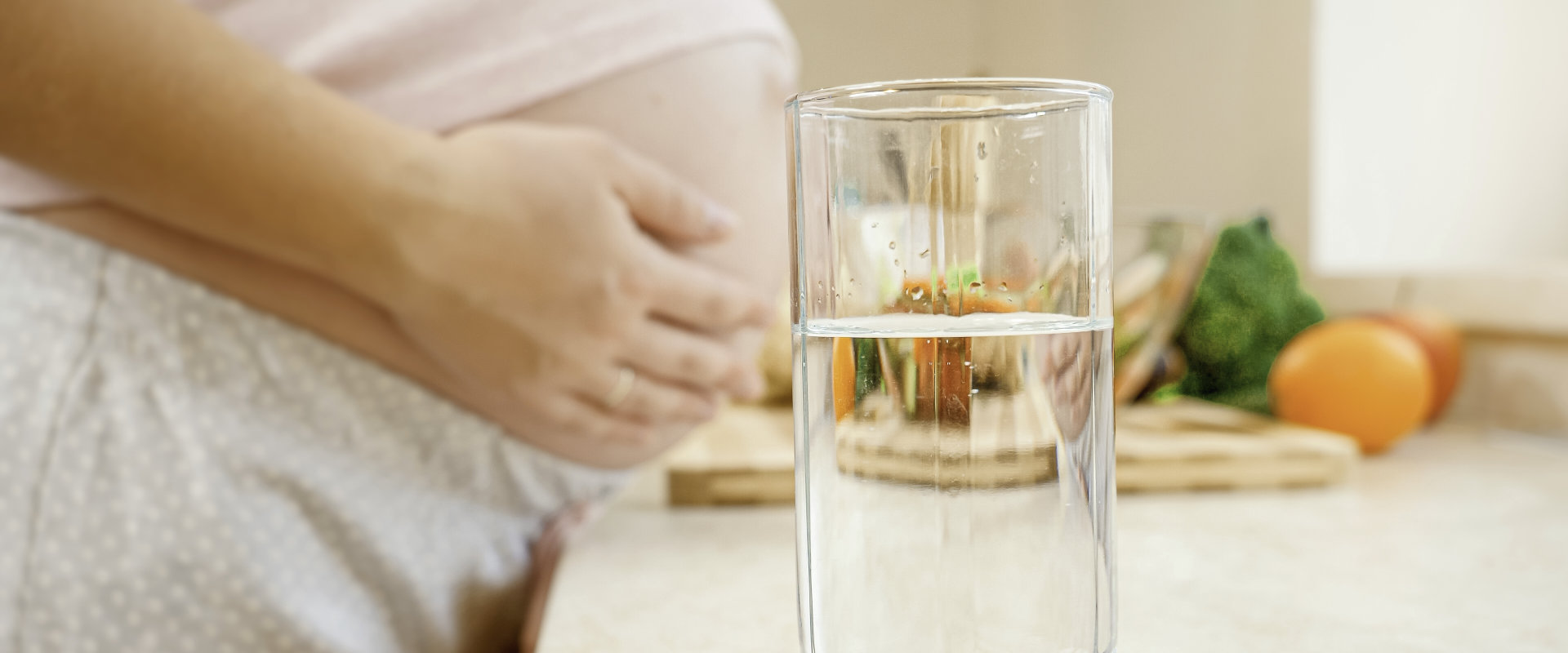

During pregnancy, the female body undergoes numerous physical, hormonal and emotional changes. One of the most common and often underestimated side effects is water retention.
Particularly in the third trimester, i.e. towards the end of pregnancy, many pregnant women notice that their feet and legs swell, rings suddenly no longer fit or their face appears slightly puffy. This phenomenon is usually harmless, but can significantly impair well-being and lead to uncertainty - both for those affected and their relatives.
In this article, you will find out how and why water retention occurs during pregnancy, which parts of the body are particularly affected and what pregnant women can do to alleviate symptoms.
A widespread phenomenon among pregnant women
Water retention during pregnancy affects many women and is a common pregnancy complaint. Especially in the last trimester, it is normal for the body to retain more fluid. This so-called oedema is particularly noticeable in the legs, feet and hands.
Although they are usually harmless, they can cause unpleasant discomfort and worry.
What exactly is water retention?
Water retention occurs when fluid leaks from the blood vessels into the surrounding body tissue. This can have various causes, especially during pregnancy.
During normal metabolism, the blood transports nutrients and oxygen to all parts of the body through a finely branched network of blood vessels. Some of the fluid from the blood plasma naturally enters the surrounding tissue via a physiological process. Normally, this fluid is reabsorbed and removed by the lymphatic system.
This balance can be disturbed during pregnancy. The vessels become more permeable due to the effect of pregnancy hormones, the blood volume increases and the venous return flow to the heart is impeded by the pressure of the growing uterus on the pelvic vessels. As a result, more fluid accumulates in the tissue than can be removed. The result is visible swelling, known as edema.

This water retention can manifest itself in different ways: visibly in swollen ankles, feet or hands, but also noticeably through feelings of tension in the affected parts of the body. The symptoms can be particularly pronounced in warm weather or after a long day on your feet.
Why does edema occur so frequently during pregnancy?
Changes in the body during pregnancy
From the first trimester, the amount of blood in the body begins to increase significantly. Until birth, the blood volume can increase by up to 1.5 liters, a natural adaptation to provide the mother and baby with an optimal supply.
This additional fluid has to circulate in the bloodstream and increases the pressure on the blood vessels. In addition, the pregnancy hormones, especially progesterone, ensure that the walls of the blood vessels widen and become more permeable.
This means that fluid leaks more easily into the surrounding tissue and accumulates there.
Pressure on the pelvic vessels
As the baby grows, the space required in the abdomen increases. The uterus increasingly presses on the underlying pelvic vessels, especially the inferior vena cava.
This pressure acts like a traffic jam in reverse: the blood can no longer flow unhindered from the legs back to the heart. The result: fluid remains in the legs, ankles and feet and visible oedema occurs.
This is particularly evident when sitting for long periods, for example in the office, in the car or when traveling by plane.
Effect of gravity on water retention
Gravity further increases the back pressure of the blood. The longer you stand or sit, the more fluid sinks into the lower parts of the body due to hydrostatic pressure.
Pregnant women who have a standing job or sit for hours without moving are particularly likely to complain of swollen feet and legs. It is therefore important to exercise regularly and to elevate your legs as often as possible.
Typical symptoms and signs of water retention
Swelling in the legs, feet and hands
Especially in the evening, the feet are swollen and the legs feel heavy. Many pregnant women report that they can no longer wear their rings or that their shoes no longer fit.
Other signs may be
- Feeling of tension in the fingers or toes
- Swelling of the face (especially in the morning)
- Visible dents when pressure is applied to the fabric
When should pregnant women seek medical advice?
Although edema during pregnancy is often harmless, it can also indicate more serious problems.
Warning signs for medical clarification:
- Sudden, strong weight gain
- Swelling in the face or around the eyes
- Hard stomach, headache, visual disturbances
- Increased blood pressure
These symptoms could indicate gestosis or pre-eclampsia. In this case, a doctor should be contacted immediately.
Psychological stress due to water retention
Between uncertainty and concern
Many women worry about whether their symptoms are normal. The visible changes on the body, especially on the face, can affect self-esteem. An open discussion with a midwife, doctor or other mothers can be a valuable help here.
Which parts of the body are particularly affected?
Water retention can be noticeable in various parts of the body. Particularly affected are
- Feet: They are often swollen in the evening, especially when standing or sitting for long periods.
- Legs: The lower legs and ankles in particular show typical edema.
- Ankle: Visible dents often occur here when pressure is applied.
- Hands: Many pregnant women notice tingling or numbness.
- Fingers: Rings often no longer fit, feelings of tension occur.
- Face: Slight swelling of the cheeks and eyelids, especially in the morning.
These parts of the body are particularly sensitive to changes in fluid balance. Even if the symptoms are unpleasant, they are generally harmless. Nevertheless, medical advice should be sought in the event of sudden or unilateral swelling.
What causes water retention during pregnancy?
Water retention does not occur by chance; various physical and external factors interact. In addition to hormonal and anatomical changes during pregnancy, individual factors such as diet, exercise, and posture in daily life can also play a role.
Natural causes
- Increased blood volume (amount of blood)
- Effect of the pregnancy hormones
- Difficult blood flow due to pressure on the pelvic vessels
Lifestyle-related causes
- Lack of exercise
- Standing or sitting for long periods
- Too little fluid intake (paradoxical, but true!)
Everyday tips for preventing edema
Water retention can often not be completely avoided, but with simple everyday measures, expectant mothers can do a lot to reduce swelling and relieve the body. Above all, it is important to exercise regularly, listen to your body's needs and avoid risk factors such as sitting for long periods or wearing clothes that are too tight.
Exercise is the be-all and end-all
Gentle exercise such as walking or light cycling activates the calf muscle pump and promotes the return flow of blood.
Exercises for in between
- Let your feet circle
- Tiptoe stance
- Raise your legs (even in the office!)
Drink enough
Even if it sounds contradictory: If you consume too little fluid, you risk increased edema.
Comfortable clothing and shoes
Avoid tight stockings or shoes that cut into your skin. A tip: If the rings get too tight, take them off early and store them safely.
Other helpful remedies for water retention
- Lymphatic drainage (after consultation with a doctor)
- Massages promote lymph flow
- Compression stockings for severely swollen legs
Example for everyday life: Relaxed legs despite sitting a lot
Anna is eight months pregnant and works from home. She sets herself a timer every two hours to get up for 10 minutes, move her legs or go outside for a short walk. She wears her compression stockings consistently. The result: significantly less swelling in her feet.
When do most complaints occur?
Pregnant women in the third trimester suffer most frequently from edema. The body is working at full speed, the weight increases and the strain on the legs and feet increases.
What role does the calf muscle pump play?
The calf muscle pump supports the return flow of blood against the force of gravity. It is activated by movement - one more reason to be active regularly.
The calf muscles work like a natural pump: whenever the muscles tense up when walking or climbing stairs, they squeeze the veins and help the blood to flow back towards the heart. This prevents fluid from building up in the lower extremities and ensures a better return flow.
The calf muscle pump is less active, especially when sitting or when there is a lack of movement. It is therefore advisable to take regular short exercise breaks. Just a few minutes of walking, gently rocking on your toes or circling your feet under your desk can help to stimulate blood circulation.
Everyday tip: If you sit a lot, you can use a small stool under your desk to keep your legs slightly elevated and also perform simple exercises regularly. Even when standing, it is worth rolling your feet from time to time or walking on the spot to stimulate the muscle pump.
Resources and measures at a glance
- Elevating the legs
- Sufficient exercise
- Drink a lot
- Balanced diet
- Gentle massages
- Support stockings
- Cooling baths for the feet
- Medical clarification in case of severe swelling
What happens after the birth?
After the birth, the fluid balance returns to normal. Many mothers report that they sweat more or have the urge to urinate - the body excretes the excess water.
What long-term effects can edema have?
As a rule, water retention disappears after delivery. If they persist for longer, they should be clarified medically in order to avoid possible consequences.
Checklist: Tips for preventing and helping yourself with water retention
| Tip | Benefit |
|---|---|
| Raise your legs | Relieves blood vessels and reduces swelling |
| Regular exercise | Activates calf muscle pump and blood flow |
| Drink enough | Promotes the fluid balance |
| Loose clothing and shoes | Prevents pressure marks and edema |
| Cool your feet | Relieves the feeling of tension |
| Massages | Promotes lymphatic drainage |
| See a doctor in the event of sudden swelling | Clarification of risks such as pre-eclampsia |