
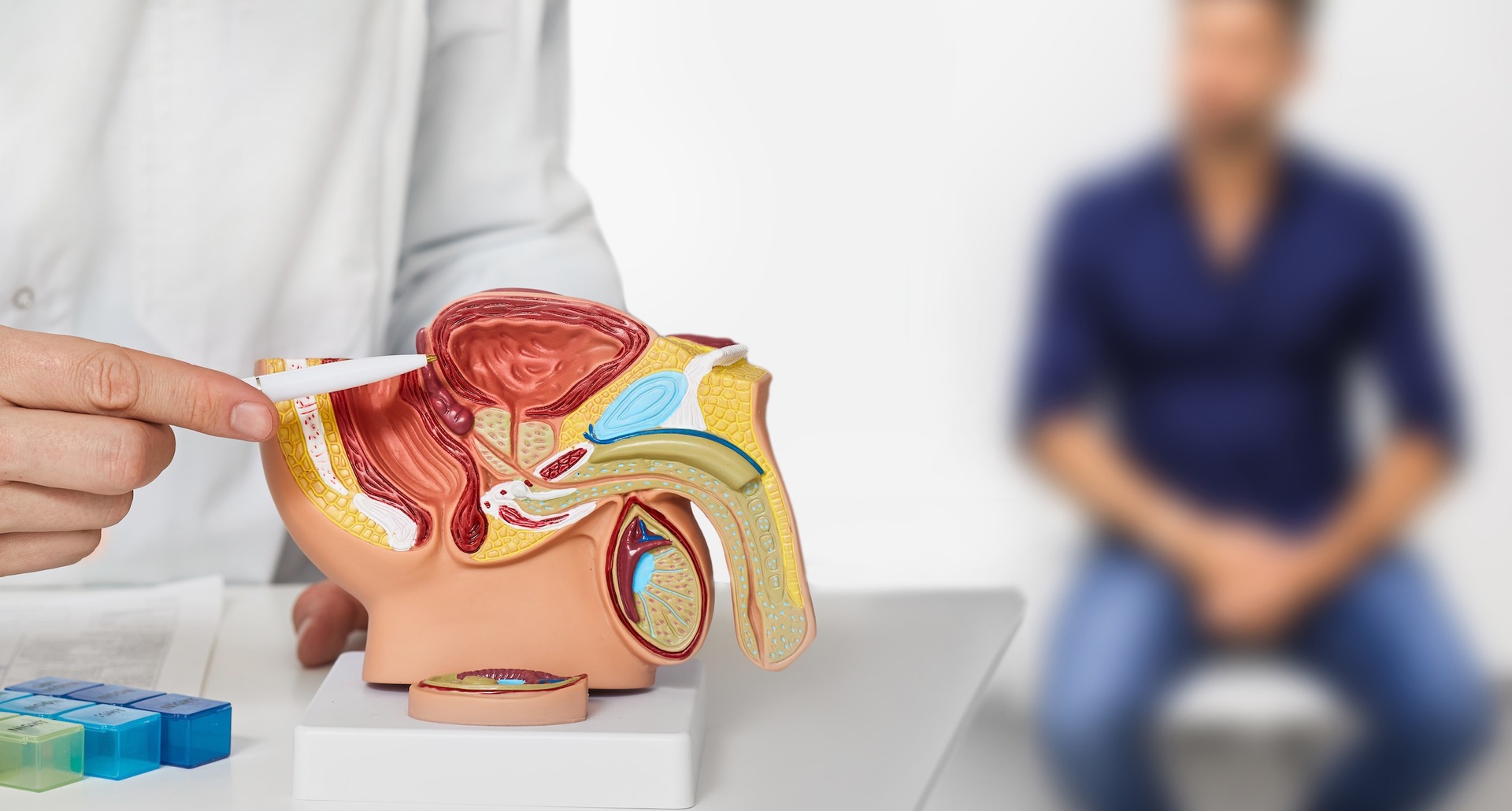

Urinary retention, also known as ischuria or urinary obstruction, is the inability to partially or completely empty the bladder. There is often confusion between urinary retention and urinary incontinence. However, urinary retention is caused by weak bladder muscles or high outlet resistance, whereas urinary incontinence is associated with overactive bladder muscles or a weak sphincter mechanism.
Urinary retention can be acute or chronic and requires different treatments in each case. Urinary retention is a bladder emptying disorder that must not be ignored, as it can lead to serious health complications if left untreated; the bladder must be emptied regularly to regulate pressure in the abdominal cavity and maintain kidney function.
Acute vs. Chronic Urinary Retention
Clinically, urinary retention is classified into two forms, which require different therapeutic approaches and differ from one another in terms of etiology, symptoms, and therapeutic urgency.
Acute Urinary Retention
Acute urinary retention occurs suddenly and is often painful. It constitutes a painful urological emergency and requires immediate medical intervention. Those affected experience a strong urge to urinatebut are unable to pass urine, or can pass only a very small amount. The bladder is distended and may even be palpable as far up as the navel.
Symptoms of acute urinary retention:
- Sudden, strong urge to urinate
- Pain in the lower abdomen (often a dull, pressing sensation)
- Weak or intermittent urine stream
Causes of acute urinary retention may include:
- Anesthesia or Surgery: Patients who have undergone anesthesia or major surgery are at particularly high risk, as the anesthesia can impair bladder muscle function.
- Medications: Certain medications, such as antidepressants, sedatives, or pain relievers, can suppress the urge to urinate and cause urinary retention.
Treatment of Acute Urinary Retention:
- Urinary catheter: A catheter is inserted into the bladder to drain urine. This provides immediate relief and is often necessary until the underlying cause can be treated.
- Drug therapy: Alpha-blockers can help relax the prostate muscles and improve urine flow.
Chronic urinary retention
Chronic urinary retention develops slowly and often goes unnoticed for weeks or months. The bladder muscle goes through various stages in chronic urinary retention, during which its ability to contract progressively declines. Those affected have difficulty completely emptying their bladder of urine, which leads to the accumulation of residual urine. This can result in recurrent urinary tract infections and, in the long term, cause kidney damage.
Symptoms of chronic urinary retention:
- A Gradual Urge to Urinate
- Weak or intermittent urine stream
- Frequent urination in small amounts
Causes of chronic urinary retention may include:
- Prostatic hyperplasia: An enlarged prostate blocks the flow of urine and leads to incomplete bladder emptying.
- Neurological disorders: Multiple sclerosis, stroke, or Parkinson's disease can affect the bladder muscles.
Treatment of chronic urinary retention:
- Self-catheterization: Patients learn how to insert a catheter themselves to regularly remove residual urine.
- Medication: Alpha-blockers or other medications can help relax the bladder muscles and improve urine flow.

Urinary retention
Urinary stasis involves the upper urinary tract. The flow of urine from the renal pelvis or the ureter is obstructed, causing the renal pelvis—and in some cases, the ureter as well—to dilate. In this condition, the kidney is primarily affected.
Symptoms of Urinary Retention—How to Recognize It
Urinary retention manifests itself through a variety of symptoms, which can range from mild discomfort to severe pain.
Core symptoms:
- A strong but unsuccessful urge to urinate: Those affected feel the urge to use the restroom but are unable to pass urine, or can pass only a very small amount.
- Weak or interrupted urine stream: The urine stream is weak or is repeatedly interrupted, indicating that the bladder cannot be completely emptied.
- Lower abdominal pain: A dull, pressing sensation or severe pain in the lower abdomen may indicate a full bladder.
- A palpable bladder at the level of the navel: When the bladder is very full, it may be palpable all the way up to the navel, which is a clear sign of a complete voiding disorder.
An example from everyday life:
Ms. K., 68, first noticed it that evening: “I had to go to the bathroom for hours, but the pressure didn’t go away. It felt like my bladder was going to burst.”
This situation illustrates how distressing urinary retention can be and how important it is to seek medical help, since too much fluid in the bladder can lead to uncomfortable pain.
Causes of Urinary Retention
Urinary retention can be caused by various factors, which may be either mechanical or functional in nature. Both types require different treatment approaches.
Mechanical Obstacles
Mechanical obstructions prevent the free flow of urine and result in incomplete bladder emptying. This type of urinary retention is common in older men, but it can also be caused by other factors.
Examples of mechanical obstacles:
- Prostate hyperplasia: An enlarged prostate blocks the flow of urine and leads to incomplete bladder emptying. This is the most common cause in men.
- Bladder stones or ureteral stones: Stones in the bladder or ureter can obstruct the flow of urine, leading, among other things, to urinary retention.
- Urinary tract injuries: Following surgery or accidents, scar tissue or other mechanical damage can impair urine flow by causing a narrowing of the urethra.
An example from everyday life:
Mr. M., 72, was referred to a urologist after months of difficulty urinating. The diagnosis: an enlarged prostate was blocking the flow of urine. The doctor recommended surgery to remove the excess prostate tissue.
Dysfunctions
Functional disorders can affect the bladder muscles and the control of the urge to urinate. This type of urinary retention can be caused by neurological disorders, medications, or psychological factors.
- Neurological disorders: Multiple sclerosis, stroke, or Parkinson’s disease can affect the bladder muscles and lead to urinary retention.
- Medications: Certain medications, such as antidepressants, sedatives, or pain relievers, can suppress the urge to urinate and cause urinary retention.
- Psychological causes: “Bladder shyness” (paruresis) can prevent some people from urinating when others are nearby.
An example from everyday life:
Ms. S., 55, developed bladder atony after suffering a stroke. “I wanted to urinate, but the muscles wouldn’t respond—it was like a computer that had suddenly shut down.” The doctor prescribed medication and physical therapy exercises to strengthen her bladder muscles.
Who is particularly affected by urinary retention?
Urinary retention can affect people at various stages of life and in various states of health. However, there are groups that are at higher risk of developing urinary retention:
Older adults
Older adults are particularly prone to urinary retention due to several factors:
- Benign prostatic hyperplasia: In men, an enlarged prostate can obstruct urine flow.
- Neurological disorders: Conditions such as multiple sclerosis, Parkinson's disease, or strokes can affect bladder function.
- Medication: Many older adults take multiple medications that can cause urinary retention as a side effect.
People with neurological disorders
People with neurological disorders such as:
- Multiple Sclerosis
- Parkinson's Disease
- Stroke
often have difficulty controlling and emptying their bladders.
People who have undergone surgery or suffered injuries
Patients who have undergone surgery or sustained injuries to the urinary tract are also at risk:
- Anesthesia: After anesthesia, bladder function may be impaired.
- Injuries or scars: Mechanical obstructions caused by surgery or accidents can impede urine flow.
People with psychological causes
People who suffer from stress, anxiety disorders, or social phobias may also be affected:
- Paruresis: Some people are unable to urinate when others are nearby.
- Mental Strain: Stress and mental health issues can affect the urge to urinate.
People with diabetes
People with diabetes mellitus are at increased risk for urinary retention due to nerve damage that can impair bladder function.
People with kidney stones or bladder stones
Stones in the urinary tract can block the flow of urine and lead to acute or chronic urinary retention.
When does urinary retention become dangerous?
Urinary retention can lead to serious health problems if it is not treated in a timely manner. The risks increase with the duration and severity of the urinary retention:
Immediate Dangers
- Pain and Discomfort: Severe pain in the lower abdomen and the feeling of a full bladder can be very distressing.
- Bladder rupture: An extremely full bladder can rupture, which constitutes a medical emergency.
- Urinary Tract Infections (UTIs): Urine retention in the bladder promotes bacterial growth and increases the risk of UTIs.
Long-term symptoms of urinary retention
- Kidney damage: Chronic urinary retention can lead to a buildup of urine, which can impair kidney function and, over time, result in kidney damage or kidney failure.
- Hydronephrosis: Excessive pressure in the urinary tract can cause the renal pelvis to dilate and fluid to accumulate.
- Bladder stones: Over time, bladder stones may form, which can further obstruct the flow of urine.
Diagnosis – The Path to Seeing a Doctor
The diagnosis of urinary retention typically begins with a thorough medical history and physical examination. The doctor will perform various tests to determine the cause of the urinary retention.
1. Medical History
The doctor will ask about your symptoms and inquire about any pre-existing conditions or medications you are taking. Important questions may include:
- How long has this problem been going on?
- Were there any specific triggers (e.g., surgeries, new medications)?
- Are there any other health issues?
2. Physical Examination
A physical examination can provide evidence of an enlarged prostate or other mechanical obstructions. The doctor palpates the abdomen and checks the bladder for overfilling.
3. Ultrasound Examination
An ultrasound of the bladder and kidneys can detect residual urine and assess kidney function. This is a noninvasive method for evaluating the condition of the urinary tract.
4. Urodynamic testing
This test measures the pressure in the bladder during urination and provides information about the function of the bladder muscles and the sphincter.
5. Blood and Urine Tests
Blood tests can indicate infections or other health problems, while urine tests can provide evidence of bacteria or inflammation in the urinary tract.
Treatment Options for Urinary Retention
Treatment for urinary retention depends on the underlying cause and the severity of the problem. There are various treatment options that can be used depending on the individual situation.
Acute Urinary Retention
- Urinary catheter: A catheter is inserted into the bladder to drain urine. This provides immediate relief and is often necessary until the underlying cause can be treated.
- Drug therapy: Alpha-blockers can help relax the prostate muscles and improve urine flow.
- Suction catheter (e.g., toilet catheter): A special catheter inserted after urination to drain any remaining urine.
Chronic urinary retention
- Self-catheterization: Patients learn how to insert a catheter themselves to regularly remove residual urine.
- Medication: Alpha-blockers or other medications can help relax the bladder muscles and improve urine flow.
- Surgery: In some cases, surgery may be necessary, such as when the prostate is enlarged.