
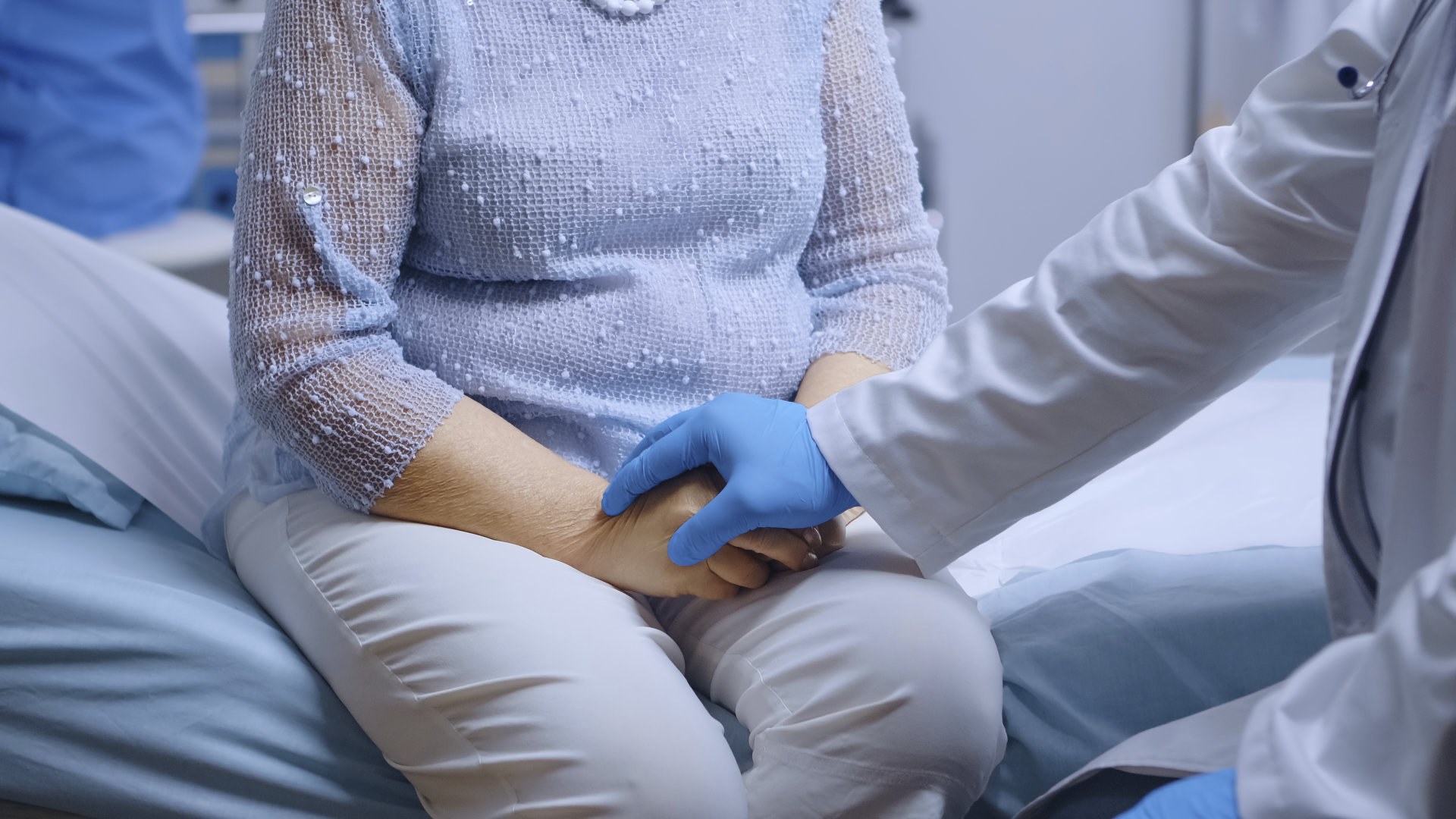

A weak or overactive bladder can have a major impact on life. Frequent urge to urinate, uncontrolled loss of urine or the fear of "accidents" restrict the quality of life. Many sufferers withdraw from everyday life, avoid exercise, sport or long outings.
There are effective measures: Targeted bladder training can help to regain bladder control, improve bladder function and boost self-confidence.
Definition: What is bladder training?
Bladder training is a structured approach in which the bladder is gradually trained to hold urine for longer.
The aim is to lengthen the intervals between visits to the toilet, strengthen the bladder muscles and increase bladder capacity. In this way, patients learn to regain control over the urge to urinate.
Causes of bladder weakness and incontinence
Bladder weakness and various forms of urinary incontinence can have many faces. Some people suddenly feel a strong urge to urinate, even though their bladder is only slightly full. Others lose urine uncontrollably when coughing, laughing or doing sport. In order to take appropriate measures, it is important to understand the possible causes. This is because the approaches to bladder training and therapy differ depending on the trigger.
Weak bubble
A weak bladder is often caused by a combination of several factors.
- Pregnancy and childbirth: During pregnancy, there is more pressure on the pelvic floor. The muscles and ligaments that support the bladder can become overstretched. After childbirth, the body needs time to rebuild these muscles.
- Hormonal changes: Particularly during the menopause, a drop in oestrogen levels leads to changes in the bladder wall and urethra. The tissue becomes less elastic and the bladder muscles weaker.
- Overweight: Every extra kilo increases the pressure in the abdomen and puts a strain on bladder function.
- Weak pelvic floor: Lack of exercise or lack of movement means that the supporting structures are not strong enough.
- Operations or illnesses: Surgery in the pelvic area or neurological diseases can also affect continence.
The interaction of all these factors causes the bladder to lose control and urine leakage to occur. A typical example is stress incontinence, in which even minor physical exertion causes problems with urine retention.
Overactive bladder
Another cause is the so-called overactive bladder. This causes the bladder muscle (detrusor) to contract involuntarily, even if the bladder is not yet full.
- Symptoms: Sudden, strong urge to urinate, sometimes accompanied by involuntary loss of urine. Many sufferers also have to go to the toilet several times during the night, which significantly disturbs their sleep.
- Irritable bladder: In everyday life, this symptom is often referred to as irritable bladder. It is more common in older people, but can also affect younger people.
- Possible triggers: stress, hormonal changes, certain medications, or diseases of the nervous system. Even incorrect bladder habits that have become ingrained over many years, including regular preventive trips to the toilet, can contribute to the bladder becoming hypersensitive.
Overactive bladder is not dangerous, but it does cause severe restrictions in everyday life. This is where consistent bladder training for overactive bladder with toilet training and consciously extending the intervals between visits to the toilet is an important basis for improvement.

Aim of bladder training
The most important goal is to regain control. If you train your bladder, you can not only reduce the frequency of visits to the toilet, but also avoid uncontrolled urine leakage. Training improves bladder health in the long term and increases quality of life.
Basic principles of training
- Regularity: Improvement can only be achieved through consistent practice.
- Small steps: Initially, the intervals are only extended by a few minutes.
- Patience: Initial success usually becomes apparent after a few weeks.
- Documentation: A diary or toilet plan is a valuable aid.
Toilet training - the first step towards bladder training
During toilet training, patients learn not to go to the toilet immediately when they feel the urge to urinate. Instead, they consciously wait in order to gradually stretch the bladder. Initially, it is sufficient to delay going to the toilet by just 5 minutes.
The toilet plan as an example
A toilet schedule is a kind of "timetable" for urination.
- Example: Start by going to the toilet every two hours. After a week, extend the interval to 2.5 hours.
- The aim is to achieve a gap of 3-4 hours between courses after a few months.
The bladder diary
A diary helps you to visualize your own progress:
- When was the last time you went to the toilet?
- How strong was the urge to urinate?
- Did urine leakage occur?
- Which drinks were consumed (e.g. coffee, tea, alcohol, water)?
Practical tips for everyday life with an overactive bladder or bladder weakness
Anyone who suffers from a weak or overactive bladder knows that even small changes in behavior can have a big impact on everyday life. It is important to be aware of your body and to support bladder function in a targeted way through bladder training.
Small measures with a big impact
- Avoidpreventive visits to the toilet: Do not go to the toilet prophylactically.
- Drink less hours before going to bed.
- Consume less irritating drinks : Water and herbal tea are better than coffee, black tea or alcohol.
- Controlyour fluid intake: Drink enough, but not too much. Around 1.5–2 liters per day is ideal for most people.
Behavior with urinary urgency
- Do relaxation exercises (e.g. deep breathing).
- Slight tensing of the pelvic pelvic floor muscles.
- Distraction through small tasks or exercise.
Exercises to strengthen the bladder muscles
Stable bladder function is closely linked to the strength and elasticity of the pelvic floor. This muscle group forms a kind of "trampoline" in the lower abdomen and supports the bladder, urethra and other organs.
If the pelvic floor is too weak, it can no longer provide the necessary support - a typical trigger for urinary leakage or frequent urge to urinate. Targeted exercises can be used to indirectly train the bladder muscle and thus improve control over urination.
Pelvic floor training
Pelvic floor training is the most important basis for all forms of bladder training. Just a few minutes a day can make a noticeable difference:
- Tense, hold, release: Consciously tense the pelvic floor muscles several times a day, as if you wanted to stop the flow of urine when going to the toilet. Hold the tension for 5-10 seconds, then release. Repeat several times.
- Everyday example: Whether sitting in the office, waiting at the bus stop, or even brushing your teeth, this exercise can be incorporated discreetly anywhere.
- Increase progress: A few seconds are enough at first. Over time, the holding phases can be extended to strengthen the muscles even more effectively.
Regular training ensures that the bladder muscles are better supported and sudden urge to urinate can be controlled more easily.
Sport and exercise
In addition to targeted exercises, regular exercise also contributes to improving bladder health. Exercise promotes blood circulation, strengthens the entire body's muscles, and has a positive effect on the psyche—an important factor, as conditions such as incontinence are often associated with stress and insecurity.
Particularly suitable are:
- Yoga and Pilates: They combine breathing exercises, gentle stretching and targeted muscle training, ideal for activating the pelvic floor.
- Swimming: gentle on the joints and effective for the entire body, as well as relaxing for the bladder.
- Walking or light jogging: Regular exercise in the fresh air strengthens the circulation and helps to maintain a healthy weight at the same time. Being overweight is one of the risk factors for bladder weakness.
Nutrition and bladder health
Bladder health is not only influenced by training and exercise, but also strongly by the daily diet. What we eat and drink has a direct effect on bladder function, both positive and negative.
It is therefore worth taking a closer look at your own habits and consciously making small changes. Even simple adjustments can help to alleviate the urge to urinate and significantly improve quality of life.
Suitable drinks
The choice of drinks plays a decisive role in bladder control:
- Water and mild tea are ideal: they do not strain the bladder and at the same time support sufficient fluid intake. Still water and herbal teas such as camomile or lemon balm have a particularly calming effect.
- Avoid coffee and alcohol: Both have a diuretic effect, irritate the bladder wall and can increase symptoms such as urinary leakage or frequent urge to urinate. Black tea can also have similar effects, which is why it should only be consumed in moderation.
Tip: Drink most of your daily fluids during the day and less in the hours before going to bed to reduce the number of night-time visits to the toilet.
Nutrition tips
The composition of meals also has an effect on the bladder and bladder muscles:
- High-fiber diet: Constipation increases the pressure in the abdomen and puts pressure on the bladder. Plenty of vegetables, wholegrain products and sufficient water prevent this.
- Avoid being overweight: Every kilo less reduces the pressure on the pelvic organs. Even moderate weight loss can improve bladder function and noticeably reduce the strain on the pelvic floor.
- Hot spices and citrus fruits: These foods further irritate the bladder in sensitive patients. If you have an irritable bladder, you should test whether symptoms subside if you avoid these products.
Measures against problems in everyday life
- Insoles provide security.
- Choose discreet clothing.
- Adapt activities, but don't avoid them; the opposite of withdrawal strengthens self-confidence.
Coughing, laughing, sneezing - everyday strategies
Urine leakage often occurs when coughing, laughing or sneezing. Tips:
- Consciously tense the pelvic floor shortly beforehand.
- Regular training reduces the problems.
Urotherapy as a professional approach
Simple tips and exercises are not always enough to improve bladder function in the long term. Targeted, professionally supervised therapy can be crucial, especially in cases of long-lasting symptoms, a severely overactive bladder, or pronounced incontinence. This is where urotherapy comes in.
What is urotherapy?
Urotherapy is a holistic approach that combines various methods:
- Toilet training: Those affected learn to consciously control their visits to the toilet and to gradually increase the intervals between visits.
- Advice: Specialists provide knowledge about the bladder, its function and ways to support it in everyday life.
- Practical help: This includes keeping a bladder diary, creating a toilet schedule or practicing strategies for dealing with acute urge to urinate.
Everyday practice: small steps with a big impact
Many sufferers ask themselves: "How can I train my bladder without it becoming too much?" The answer is: step by step. Even small steps such as waiting an extra five minutes or a consistent toilet schedule can make a big difference in the long term.
Conclusion: bladder training as an opportunity
Bladder training is not a quick fix, but a path to more control, less discomfort and an improved quality of life. With patience, the right exercises, supportive measures and professional guidance, anyone affected can noticeably improve their own situation.