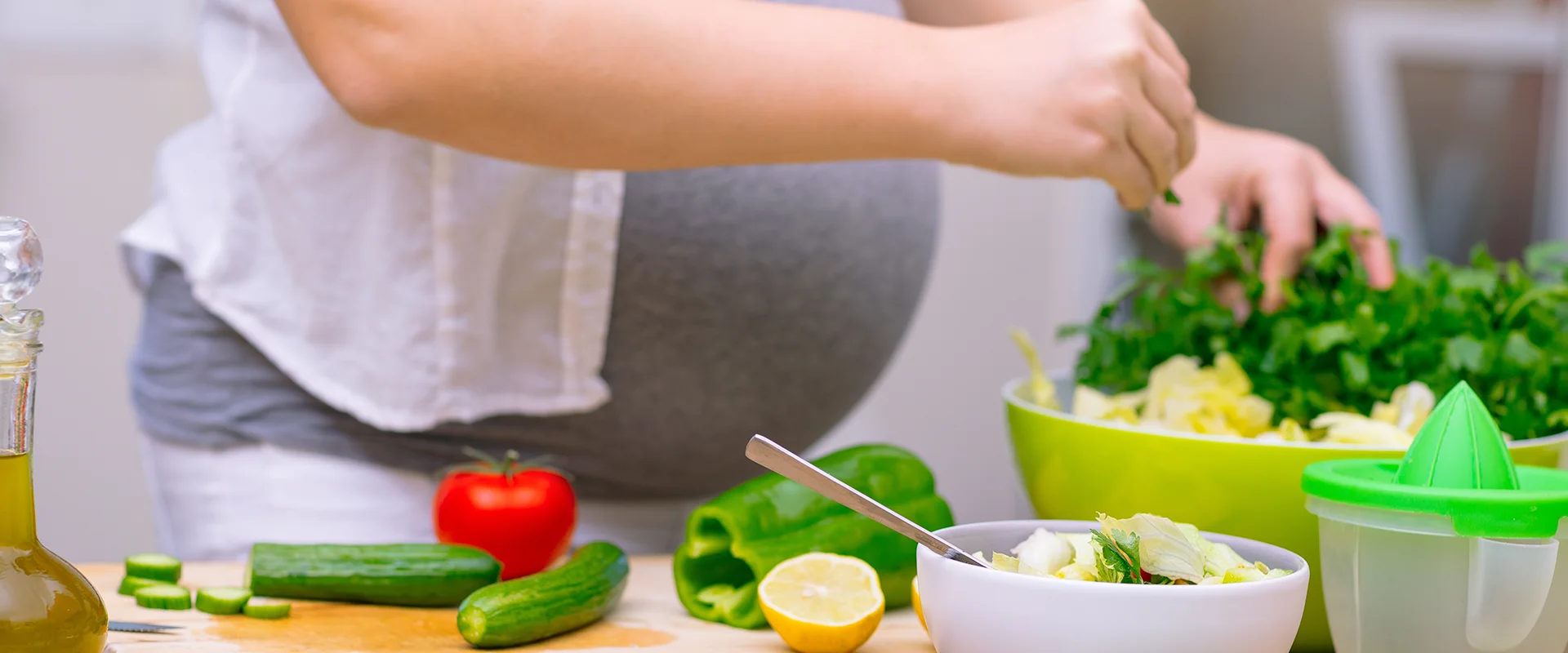

A pregnant woman's diet is of great importance, as it not only affects the health of the mother, but also that of the unborn child. A balanced diet during pregnancy can reduce the risk of complications and promote the growth and development of the baby. In this article, we will look at the importance of a healthy diet for pregnant women and provide some tips and recommendations.
Why is a healthy diet important during pregnancy?
A balanced diet during pregnancy is crucial to ensure that the unborn child receives all the necessary nutrients it needs for optimal development. A lack of certain nutrients can affect the growth and development of the fetus and increase the risk of complications such as premature birth, low birth weight and congenital malformations. In addition, an unhealthy diet during pregnancy can lead to gestational diabetes and high blood pressure and increase the risk of pre-eclampsia.
Which nutrients are particularly important during pregnancy?
During pregnancy, certain nutrients are particularly important for the baby's growth and development. These include:
Folic acid
Folic acid is an important nutrient during pregnancy as it can reduce the risk of neural tube defects in the fetus. Pregnant women should consume at least 400 micrograms of folic acid daily.
Iron
Iron is important for the formation of hemoglobin, the protein in red blood cells that transports oxygen around the body. During pregnancy, the body needs more iron to supply the growing baby and placenta with oxygen. Pregnant women should consume around 27 milligrams of iron a day.
Calcium
Calcium is important for the development of bones and teeth in the fetus. Pregnant women should consume around 1000 milligrams of calcium a day.
Protein
Protein is important for the growth and development of tissue and organs in the fetus. Pregnant women should consume around 70 grams of protein a day.
Omega-3 fatty acids
Omega-3 fatty acids are important for brain and eye development in the fetus. Pregnant women should try to eat two portions of oily fish a week or take omega-3 supplements.
Tips for a healthy diet during pregnancy
Here are some tips for a healthy diet during pregnancy:
Eat a variety of foods
A balanced diet during pregnancy should include a variety of foods to ensure you get all the nutrients you need. Eat a varied selection of fruit and vegetables, wholegrain products, low-fat dairy products, lean meat and fish as well as pulses and nuts.
Avoid certain foods
During pregnancy, you should avoid certain foods that can increase the risk of food poisoning, such as raw meat and fish, raw dairy products and soft-boiled eggs. Also avoid alcohol and limit your intake of caffeine.
Eat regularly
Eat small meals regularly throughout the day to avoid blood sugar fluctuations and maintain energy. Avoid large, heavy meals that can lead to digestive problems.
Drink enough water
Drink enough water to stay hydrated and avoid constipation. Try to drink at least eight glasses of water a day.
Take supplements
Take supplements to make sure you get all the nutrients you need. However, discuss this with your doctor or midwife first.
A healthy diet during pregnancy is crucial for the health of the mother and the unborn child. A balanced diet that includes a variety of foods and takes into account certain nutrients such as folic acid, iron, calcium, protein and omega-3 fatty acids can promote the baby's growth and development and reduce the risk of complications. By avoiding certain foods, eating regular small meals and staying hydrated, pregnant women can maintain a healthy diet.
How much weight should a pregnant woman gain during pregnancy?
Weight gain during pregnancy varies depending on the woman's weight before pregnancy. A healthy weight gain is between 11 and 16 kg.
Can I be vegetarian or vegan during pregnancy?
Yes, it is possible to be vegetarian or vegan during pregnancy as long as a balanced diet is ensured. However, speak to a nutritionist or doctor to make sure you are getting all the nutrients you need.
Is it safe to eat fish during pregnancy?
Yes, fish can be eaten during pregnancy as long as it is well cooked or fried. However, avoid predatory fish such as sharks and swordfish, which can contain high levels of mercury.