
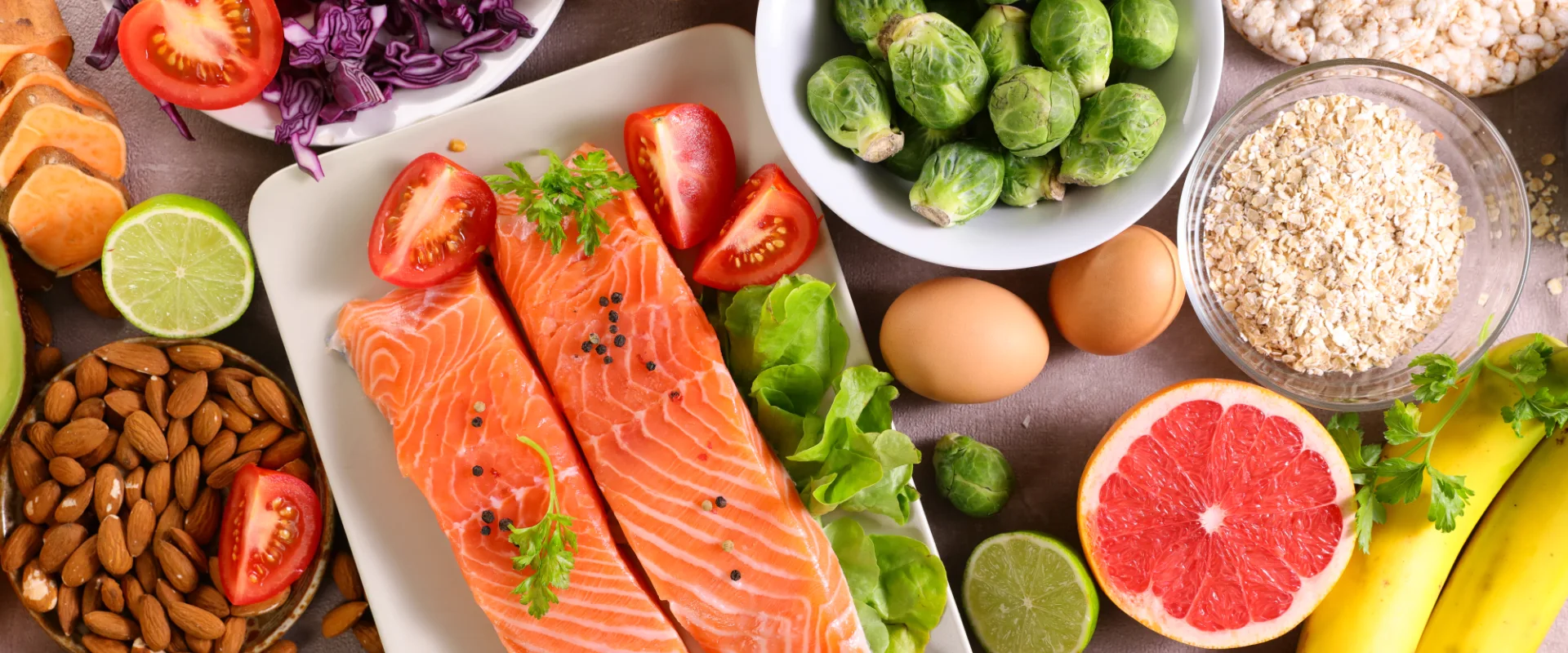

Mr. M., 58 years old and diagnosed with type 2 diabetes two years ago, sat down for his first consultation with his nutritionist and asked, “What am I even allowed to eat anymore?” He was already familiar with the restrictions—but he lacked any positive guidance whatsoever. What followed changed his daily life: He learned which foods help stabilize his blood sugar and was able to gradually reduce his medication.
Diabetes mellitus, whether type 2 diabetes or Type 1 diabetes, fundamentally alters metabolism. The body cannot produce or utilize insulin sufficiently, which causes blood sugar levels to remain elevated. But the good news is: diet is one of the most effective ways to manage the condition.
Diabetes and Nutrition: What People with Diabetes Need to Know
When following a diet for diabetes , it’s not just about how much sugar a food contains; what matters most is how quickly the carbohydrates it contains raise blood sugar levels. This effect is described by the glycemic index (GI). A high GI means that blood sugar levels rise quickly and sharply. Foods with a low glycemic index, on the other hand, cause blood sugar and insulin levels to rise moderately and remain stable for a longer period of time.
An even more meaningful measure for foods intended for people with diabetes is the glycemic load (GL), which also takes into account the amount consumed. The German Diabetes Society recommends structuring one’s diet so that foods with a low glycemic index and high nutrient density form the basis of the diet.
No bans, but smart choices
Eating well with diabetes doesn’t mean that certain food groups have to be completely eliminated from your diet. Restrictions are counterproductive; they lead to frustration and relapses. A conscious shift toward a balanced diet is much more effective: more fiber, high-quality fats, sufficient protein, and a careful selection of fruits and vegetables. Exercise, weight loss, and the right food choices together form the foundation of any successful diabetes management.

An Overview of the Top 10 Foods for People with Diabetes
1. Non-starchy vegetables—the foundation of every meal
Why Vegetables Are Essential for People with Diabetes
Spinach, broccoli, zucchini, bell peppers, cucumbers, and green beans are among the most nutritious foods for people with diabetes. They contain very few carbohydrates but are rich in fiber, vitamins, and minerals. Fiber slows the absorption of glucose into the bloodstream, thereby lowering the glycemic index of an entire meal. At the same time, vegetables provide valuable vitamins and nutrients that support metabolism.
The positive effect is measurable: If you fill half your plate with non-starchy vegetables, you can keep your blood sugar levels much more stable after a meal without increasing your total calorie intake. This is particularly relevant for people with type 2 diabetes, for whom weight loss can be a key treatment goal.
2. Whole-grain products—the better choice when it comes to carbohydrates
Not all carbohydrates are the same
Many people with diabetes believe that carbohydrates should generally be avoided. This is a misconception. What matters is the type of carbohydrate: Whole-grain products such as oatmeal, whole-grain bread, whole-grain pasta, and brown rice have a significantly lower glycemic index compared to products made with white flour. Their high fiber content ensures a slow release of glucose into the bloodstream, causing blood sugar levels to rise more steadily.
Oatmeal deserves special mention here: It contains beta-glucan, a soluble dietary fiber that has been shown to stabilize blood sugar levels after breakfast and improve insulin sensitivity. Barley also has a similarly beneficial effect. For example, a small bowl of oatmeal in the morning can keep blood sugar levels more stable for hours than a croissant, despite having a similar number of calories.
3. Legumes—the Underrated Superfood for People with Diabetes
Protein, fiber, and a low glycemic index—all in one
Lentils, chickpeas, black beans, and peas offer an exceptional combination of protein, fiber, and complex carbohydrates. Legumes have a very low glycemic index; lentils, for example, have a value of around 30, while white bread has a value of around 70. This makes legumes one of the best food groups for a diabetes-friendly diet.
Ms. K., who has type 2 diabetes, says: “I never would have thought that lentil soup could become my favorite meal. But ever since I learned how it affects my blood sugar, I’ve been eating it twice a week. My numbers have improved significantly.” Experiences like this show that changing your diet doesn’t have to mean giving up the pleasures of eating.
In addition, legumes provide plant-based protein, which helps you feel full and supports weight management. A serving of 150 grams of cooked lentils per meal is a realistic and tasty amount. For example, they can be used as a base for soups and stews or as a side dish.
4. Nuts – Healthy Fats for Heart Health and Blood Sugar Control
Omega-3 Fatty Acids and Their Effect on Metabolism
Walnuts, almonds, hazelnuts, and pistachios are rich in unsaturated fats, fiber, and protein—a combination that has little effect on blood sugar levels. Walnuts, in particular, stand out for their high content of omega-3 fatty acids, which have anti-inflammatory effects and reduce the risk of cardiovascular disease. This is particularly relevant for people with diabetes, as type 2 diabetes is often associated with an increased risk of cardiovascular disease.
The recommended amount is a small handful of nuts per day, which is about 30 grams. If you’re watching your sugar intake, choose nuts that aren’t salted or coated in sugar. As a snack between meals, nuts help stabilize blood sugar levels and prevent those dreaded cravings that can cause blood sugar levels to spike uncontrollably.
5. Fatty Fish – Omega-3 Fatty Acids to Fight Inflammation
Salmon, Mackerel, and Herring as Protection Against Complications
Salmon, mackerel, herring, and sardines are rich sources of omega-3 fatty acids and high-quality protein. Fats play an important role in diabetes: The right fats—that is, unsaturated fatty acids, particularly omega-3 fatty acids—support insulin sensitivity and have anti-inflammatory effects in the body. At the same time, these types of fish have virtually no effect on blood sugar, since they contain almost no carbohydrates.
The German Diabetes Society recommends two servings of fatty fish per week. This is equivalent to about 150 grams of salmon or mackerel per serving. Those who do not like fish can alternatively turn to flaxseed oil or chia seeds as plant-based sources of omega-3 fatty acids, although these have lower bioavailability.
6. Berries—the ideal fruits for people with diabetes
Fruit and Fructose: What People with Diabetes Need to Know
Fruit is part of a healthy diet, even for people with diabetes. However, different types of fruit vary significantly in their sugar content and glycemic index. Berries such as blueberries, strawberries, raspberries, and blackberries are among the best fruits for people with diabetes: They contain relatively little fructose but are rich in antioxidants, fiber, and vitamins.
A 150-gram serving of berries has a low glycemic load and causes only a moderate rise in blood sugar. In comparison, grapes and very ripe bananas have a significantly higher sugar content and glycemic index, which doesn’t mean these fruits are completely off-limits. However, they should be enjoyed in moderation and in combination with other nutrients. A glass of fruit juice, on the other hand, should be replaced with whole fruits, since the valuable dietary fiber is lost during juicing.
7. Greek yogurt and plain yogurt – protein without a sugar spike
Incorporating Dairy Products Properly into a Diabetes Diet
Greek yogurt is particularly high in protein while having a moderate carbohydrate content. Protein is valuable for people with type 2 diabetes for several reasons: It provides long-lasting satiety, helps maintain muscle mass, is important for basal metabolic rate and insulin sensitivity, and has no direct effect on blood sugar levels.
You should opt for plain yogurt or Greek yogurt with no added sugar. Prepackaged products containing fruit often contain significant amounts of added sugar, which affects blood sugar levels accordingly. For those with a sweet tooth: A spoonful of fresh berries and some ground flaxseed can turn a simple yogurt into a nutritious meal with a low glycemic load.
8. Eggs – nutritious, filling, and have no effect on blood sugar
Nutrients and Protein from Nature
Eggs are one of the most nutrient-dense foods there are. They contain high-quality protein, healthy fats, and a variety of vitamins and minerals, including vitamin D, B12, and selenium. Eggs have virtually no effect on blood sugar levels, making them an ideal part of a diabetes-friendly diet.
When eaten for breakfast with vegetables and whole-grain bread, eggs keep you feeling full for a long time and help maintain stable blood sugar levels throughout the morning.
9. Olive oil—the heart of Mediterranean cuisine
Healthy Fats as Protection Against Cardiovascular Diseases
Extra virgin olive oil is rich in monounsaturated fatty acids and contains the polyphenol oleocanthal, which is believed to have anti-inflammatory properties. Olive oil plays a central role in the Mediterranean diet.
When it comes to cardiovascular diseases, which are particularly common among people with type 2 diabetes, choosing the right fats is crucial: Saturated fats from butter or lard should be replaced with unsaturated fats from olive oil, canola oil, or avocado. Olive oil has no effect on blood sugar and can be used safely as a cooking and salad oil in reasonable amounts.
10. Avocado – healthy fats, fiber, and very little sugar
The Avocado: A Unique Fruit
Botanically speaking, an avocado is a fruit, but in a diabetes diet, it functions like a vegetable: It contains very little fructose but is rich in monounsaturated fats, dietary fiber, potassium, and folic acid. The glycemic index of avocados is extremely low, and the glycemic load per serving is nearly zero.
Combining avocado with other foods is particularly beneficial: when eaten with a salad, it slows the absorption of other carbohydrates, thereby lowering the glycemic load of the entire meal. Half an avocado per serving is a realistic amount—whether on whole-grain bread, in a salad, or as a dip. People with diabetes benefit from its satiating effect and its positive impact on blood sugar levels.
Dietary Changes for Diabetes: First Steps in Everyday Life
From the List to the Meal: Practical Tips for Everyday Use
The Top 10 Foods for People with Diabetes are a guide, not a strict diet. If you’re starting to change your diet, you shouldn’t change everything at once. A step-by-step approach has proven effective: In the first week, replace white bread with whole-grain bread. In the second week, include legumes in your meals twice. In the third week, replace your snack with a handful of nuts instead of cake or sweet pastries.
Mr. B., 63 years old, has had type 2 diabetes for five years: “My doctor told me I don’t need a diabetes diet with strict restrictions. I should just eat more of the right foods. That helped me: the idea of adding something rather than cutting something out. Today, I’ve lost eight kilos, and my HbA1c has improved significantly. And I still enjoy eating—that’s the best part.”
Planning Meals and Keeping an Eye on the Glycemic Index
Practical Recommendations for people with diabetes: The “plate method” is a proven model. Half of the plate should be filled with non-starchy vegetables. One-quarter should consist of proteins, such as eggs, fish, legumes, or lean meat. The remaining quarter should be filled with carbohydrate-rich whole-grain side dishes. Accompany this with a glass of water, unsweetened tea, or, occasionally, coffee without sugar.
Anyone who also needs to adjust their insulin dose should work regularly with a nutritionist. A personalized consultation based on current blood sugar levels allows for more targeted recommendations than any general magazin. In some cases, medication can also be reduced if dietary habits are improved in a sustainable way, but this should always be done in consultation with your doctor.
Type 1 and Type 2 Diabetes: Be Aware of Dietary Differences
While in people with type 2 diabetes weight loss, exercise, and dietary changes are the mainstays of treatment, for Type 1 diabetes the focus is on the exact amount of carbohydrates and the corresponding insulin dose. For people with Type 1 diabetes, counting carbohydrates—known as “BE calculation”—is an important tool that is made significantly easier by the recommended foods: non-starchy vegetables, nuts, eggs, and fatty fish have virtually no effect on insulin requirements.
Nevertheless, the top 10 foods generally apply to people with any type of diabetes: A balanced diet rich in nutrients, fiber, and healthy fats is recommended for both type 1 and type 2 diabetes. The difference lies in fine-tuning the amounts and taking individual medications into account.
Conclusion: A healthy diet for people with diabetes is possible—and worth the effort
The Top 10 Foods for People with Diabetes show that a diabetes-friendly diet doesn’t have to be monotonous or full of restrictions. By making the right choices—non-starchy vegetables, whole grains, legumes, nuts, fatty fish, berries, plain yogurt, eggs, olive oil, and avocado—you can stabilize blood sugar levels, lose weight, and reduce the risk of cardiovascular disease. Exercise, personalized counseling from a nutritionist, and, if necessary, medication complement this approach.
A sustainable change in diet doesn't start with radically cutting out certain foods, but rather with consciously adding nutritious alternatives. Step by step, meal by meal, and always with the goal of keeping life with diabetes as normal and enjoyable as possible.
By the way, Mr. M. from our opening image has settled into a daily routine: oatmeal with berries for breakfast, lentil stew for lunch, and salmon with broccoli for dinner. Sometimes he has cake—on his birthday, intentionally, and in moderation. “I’ve learned,” he says, “that there’s no such thing as ‘diabetic food.’ There’s just good food—and now I know which parts of it are good for me.”
Frequently Asked Questions About Diabetes Nutrition
As a diabetic, can I eat fruit?
Yes—but in moderation. Fruit is part of a balanced diet and provides important vitamins and minerals. For people with diabetes, it’s recommended to choose fruits with a low glycemic index: berries, apples, pears, cherries, and peaches are better choices than very sweet or overripe fruits. Portion size is also important: One serving of fruit (about 100–150 grams) is generally well tolerated. Although fructose has a less significant impact on blood sugar than table sugar, consuming large amounts can put a strain on the metabolism. A glass of fruit juice is not an equivalent alternative; it contains concentrated fructose without the protective fiber.
Is a diabetes diet necessary?
The term “diabetes diet” sounds like it involves strict rules and restrictions: In fact, experts simply mean a tailored, mindful approach to eating. A special diabetes diet consisting of specific products from health food stores is not necessary. The best diabetes diet is a balanced diet based on the foods described above.
How does diet affect medications?
A targeted change in diet can help improve the effectiveness of medications or, in consultation with a doctor, reduce the dosage. This is especially true for type 2 diabetes, in which being overweight and an unhealthy diet are common causes of insulin resistance. When insulin sensitivity increases as a result of weight loss and improved nutrition, the body can once again use insulin more efficiently. However, these changes must always be supervised by a doctor; adjusting insulin doses or other medications on your own is not recommended.
Note: This article is intended for general informational purposes only and is not a substitute for individual medical or nutritional advice. People with diabetes should always consult a doctor or a registered dietitian before making any dietary changes.