

Dietary Fiber: The Underappreciated Building Block for Gut Health, Heart Health, and Overall Health
When Mrs. K., 76, began relying on daily help with household chores after a fall, her daughter noticed something: Her mother kept complaining of a feeling of fullness and an upset stomach. As they looked over her meal plan together, a pattern quickly emerged: lots of white bread, few vegetables, and hardly any whole-grain products. The home health aide suggested gradually changing the meal plan: more fruits and vegetables, whole-grain products such as whole-grain bread, and plenty of water. After just a few weeks, Ms. K. felt noticeably better. What was missing from her diet? Fiber. This magazin explains what the term means, why it plays such an important role in heart, gut, and metabolic health, and how to incorporate a high-fiber diet into everyday life.
What exactly is dietary fiber?
Dietary fiber consists of plant-based components that the human body cannot fully digest. Unlike other carbohydrates, they are not broken down in the small intestine but pass largely unchanged into the large intestine. The term “fiber” may sound pejorative at first, but it is misleading: these substances are anything but superfluous. Rather, they perform numerous important functions in the digestive system—from regulating digestion to protecting against diet-related diseases.
In technical terms, dietary fiber is also referred to as food fiber. Both terms refer to the same plant-based components found in grains, vegetables, fruits, nuts, and legumes. They are therefore an integral part of everyday foods and not a rare ingredient that one would have to go to great lengths to find.
What role does dietary fiber play in the body?
Dietary fiber acts in several areas of the body and is involved in many processes that are important for health.
The Journey Through the Stomach and Intestines
As it passes through the gastrointestinal tract, dietary fiber absorbs water, thereby increasing the volume of stool. This aids digestion and ensures the regular and steady passage of food through the small and large intestines. For example, people who do not consume enough dietary fiber often report digestive problems.
Food for the gut microbiota
In the large intestine, dietary fiber serves as food for beneficial gut bacteria. This property makes it a key component of a healthy gut microbiome. A healthy gut microbiome, in turn, supports the immune system and contributes to overall gut health, which is why dietary fiber is considered so important.
How much fiber is recommended per day?
The German Nutrition Society (DGE) recommends a daily fiber intake of at least 30 grams. This amount is considered the target for maximizing the positive effects on digestion, gut health, and metabolism. Anyone who aims for this amount in their daily diet is doing something good not only for their gut but for their entire body.
Fiber Deficiency in Germany
In practice, however, the situation is quite different: Average fiber intake in Germany is significantly below the recommended amount. This widespread lack of fiber is one of the reasons why many people suffer from everything ranging from digestive problems to diet-related diseases. Yet an insufficient intake of fiber can be avoided by making small changes to one’s diet.
What are the health benefits of a high-fiber diet?
Foods rich in fiber offer far more than just healthy digestion—their benefits extend to the cardiovascular system and metabolism.

Cardiovascular diseases
A high-fiber diet can reduce the risk of cardiovascular disease. Soluble fiber, in particular, can lower LDL cholesterol levels because it binds to bile acids in the intestines, thereby influencing cholesterol metabolism. Overall, fiber thus also reduces the risk of heart diseases such as heart attacks; this effect is particularly noticeable with regular consumption over many years.
Dietary Fiber and Type 2 Diabetes
Dietary fiber helps regulate blood sugar levels by slowing the absorption of sugar in the intestines. As a result, a diet rich in fiber can also lower the risk of conditions such as type 2 diabetes. For people who are already showing early signs of impaired blood sugar regulation, this is an important consideration in their daily diet.
Weight and Saturation
Foods rich in fiber tend to keep you feeling full longer than foods that contain less fiber, including, among others, highly processed foods. This can help prevent weight gain, as it leads to a lower overall calorie intake without causing feelings of hunger. As a result, fiber is also a valuable component of the diet when it comes to weight loss and weight maintenance.
Digestion often slows down, especially in older adults or after prolonged bed rest. An adequate intake of fiber can help counteract this because it supports natural bowel movements. Combined with sufficient exercise and fluid intake, it plays a crucial role in ensuring that daily life remains free of discomfort.
Which foods are high in fiber?
Anyone looking to increase their fiber intake will find plenty of options across a wide variety of food groups.
Wholemeal products
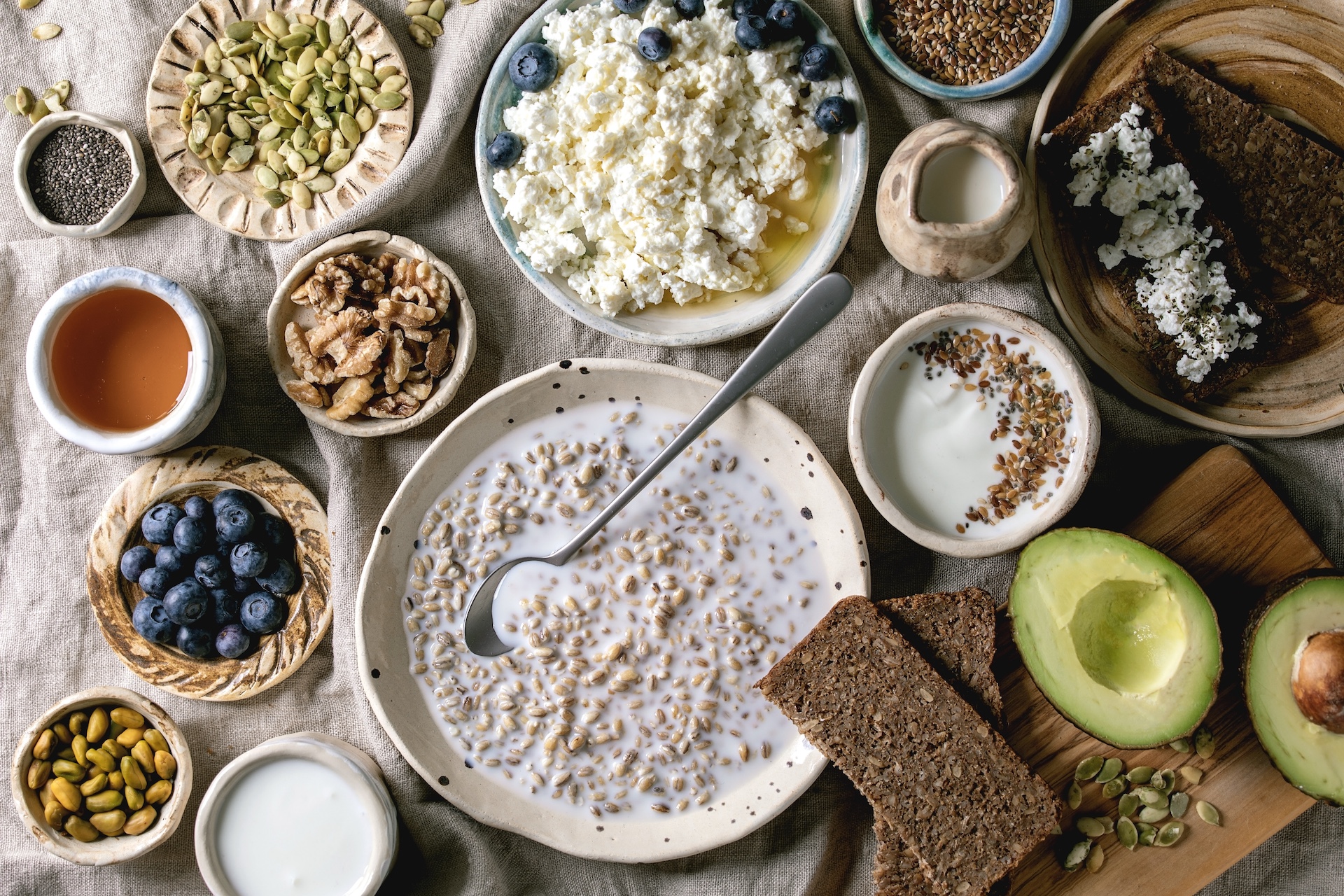
Some whole-grain products provide more than 5 grams of fiber per 100 grams, making them among the most reliable sources in everyday life. For example, one serving of whole-grain pasta contains about 8 grams of fiber. Whole-grain bread is also an easy way to significantly increase your daily fiber intake: simply swapping white bread for whole-grain bread often makes a big difference.
Fruit and vegetables
Fruits and vegetables are among the most important sources of fiber. Vegetables such as broccoli and carrots are high in fiber, as are many other types of vegetables. When it comes to fruits, apples, pears, and berries are particularly rich in fiber and can be easily incorporated into your daily routine, whether as a snack, in cereal, or as a side dish.
Legumes
Legumes such as lentils are particularly high in fiber and are also rich in plant-based protein. Beans also fall into this category and are a great way to boost the fiber content of soups, salads, or stews.
Nuts and seeds
Nuts and seeds, such as almonds, are also high in fiber and provide valuable fats. Even a small portion each day can make a measurable contribution to your total fiber intake.
How can you successfully switch to a high-fiber diet?
Increase gradually
Fiber intake should be increased gradually to avoid digestive problems such as bloating. The body needs some time to adjust to an increased fiber intake: if you make the change too quickly, you risk experiencing the very symptoms you were trying to avoid.
Drink enough water
It is important to drink enough water when following a high-fiber diet. Since many types of fiber absorb water, the body needs sufficient fluids to ensure that digestion runs smoothly and that the fiber’s beneficial effects on the large intestine are fully realized.
Variety: 30 plants per week
A simple rule of thumb that can easily be incorporated into your daily routine: Eating at least 30 different plant-based foods per week boosts your fiber intake while also adding variety to your meals. Whether it’s whole grains, fruits, vegetables, nuts, or legumes, the more varied your selection, the easier it is to reach the recommended amount without letting your diet become a chore.
A simple way to start in your daily routine: replace your breakfast roll with a slice of whole-grain bread, add a serving of vegetables or legumes at lunch, and include a handful of nuts or a piece of fruit as a snack in the evening. Over the course of a week, these small adjustments add up to a significantly higher fiber intake without having to completely change your meal plan or the foods you’re used to eating.
Soluble and insoluble dietary fiber—two names, two functions
Not all dietary fibers work the same way. Experts distinguish between soluble and insoluble dietary fibers, which differ not only in their solubility but also in their functions in the body.
Soluble Fiber
Soluble fiber forms gels when mixed with water, thereby binding fluid in the body; its viscosity helps slow digestion and has a positive effect on blood sugar and cholesterol levels. Pectin and inulin are well-known examples of soluble fiber and are found in fruits, vegetables, and legumes, among other foods.
Insoluble dietary fiber
Water-insoluble dietary fiber passes largely unchanged through the digestive tract and primarily increases stool volume, which aids digestion. Cellulose and lignin are typical examples of insoluble dietary fiber and are found in abundance in whole-grain products and vegetable peels.
Both types of dietary fiber complement each other, so it's a good idea to eat a variety of foods rather than relying on a single source.
Conclusion: Fiber Is Key to Gut Health
Dietary fiber is much more than just a component of food that makes you feel full. It supports gut flora, aids digestion, reduces the risk of cardiovascular disease and type 2 diabetes, and can even help you maintain a healthy weight. People who include whole grains, fruits, vegetables, legumes, nuts, and seeds in their daily diet come much closer to the recommended amount of 30 grams per day. As seen in Ms. K.’s case, even small changes in one’s diet can make a big difference.
In the end, it’s not the perfect diet that counts, but consistency: it’s better to have a serving of vegetables, a slice of whole-grain bread, and a handful of nuts every day than to prepare an elaborate meal just once. This way, a high-fiber diet becomes an integral part of your daily routine rather than a short-term change that quickly fizzles out.
Especially when daily life is already challenging due to illness, surgery, or the need for care, there’s often little energy left to make a conscious change in diet. That’s exactly why we’re here: We provide support with household chores, grocery shopping, and meal preparation so that a high-fiber diet doesn’t fall by the wayside due to a lack of time or energy.
Frequently Asked Questions About Fiber
How much fiber should you eat each day?
The recommended daily intake is at least 30 grams of fiber. However, the average intake in Germany is significantly lower, often less than 22 grams.
Which foods are particularly high in fiber?
Whole-grain products, fruits and vegetables, legumes such as lentils and beans, as well as nuts and seeds, are particularly high in fiber and should be included in your diet on a regular basis.
What is the difference between soluble and insoluble fiber?
Soluble fiber binds water and forms gels, which can have a positive effect on cholesterol and blood sugar levels. Insoluble fiber increases stool volume and thus promotes digestion in the large intestine.