
Depending on age, humans consist of 50-80% water, so there is no question that drinking enough fluids is particularly important. But how much should I drink? Can I drink too much? What happens if I drink too little? You've probably asked yourself these questions before. Find out the answers here!
How much fluid does the body need?
Sufficient fluid intake is essential for the body to maintain all vital functions. Too little water can lead to reduced performance and a general sense of well-being.
Important functions of the body, such as
- the transport of nutrients
- the excretion of metabolic waste products via the kidneys
- regulating body temperature through sweating to avoid overheating
depend on sufficient fluid intake.
As our body constantly loses water through the kidneys, lungs, skin and urine, we need to drink fluids regularly. Therefore, a continuous fluid intake is vital. If we do not drink enough during the day, our body signals its need through thirst. Thirst occurs when the body has lost more than 0.5 percent of its weight in water.
Everyone should drink at least 1.5 liters of water per day. However, this rough guideline can increase three to fourfold on hot summer days, during sporting activities or physically strenuous work. The amount of 1.5 liters is therefore only a general recommendation, as individual needs also depend on age, gender, state of health and body size. The larger the body surface area, the more water can be lost through the skin.
What happens if you drink too little water?
Even a slight lack of water can cause health problems. The first signs are dry skin and mucous membranes, such as cracked lips and dry mouth. The following symptoms may also occur:
- Tiredness and concentration problems,
- Headache,
- Exhaustion and reduced physical performance,
- Dizziness,
- Confusion, especially in older people,
- Constipation,
- Circulatory weakness,
- reduced kidney function,
- increased susceptibility to urinary tract infections,
- The risk of heatstroke also increases in summer
The good news is that the condition improves quickly if you drink enough again. However, it is not a good idea to drink in advance, as the body cannot store excess water. It is better to drink fluids regularly throughout the day - a glass every two hours or so.
Learn more about dehydration and its consequences here!
Drinking water: how much water is harmful?
Water intoxication is not usually a threat in everyday life, but rather during extreme physical exertion, such as a marathon or triathlon, when symptoms such as fever, vomiting and diarrhea can be the result.

If you still have concerns, you can rely on your natural feeling of thirst. Young and healthy people in particular should take care not to drink more than they are thirsty for. This rule does not apply to people with diabetes, kidney problems or other illnesses, or to the elderly. Various illnesses and age influence the sensation of thirst, which is why the right amount to drink should be discussed with the doctor treating you.
Symptoms of water intoxication
Water intoxication, also known as hyponatremia, can occur if the body has to absorb too much water in too short a time. This disrupts the electrolyte balance in the body, causing the sodium level in the blood to become too low. This can cause serious health problems and ultimately even be fatal. However, water intoxication is relatively rare.
The symptoms of water intoxication range from mild to life-threatening:
Mild symptoms of water intoxication
The milder symptoms of water intoxication include
- Nausea and vomiting
- Headache
- Weakness and fatigue
Moderate symptoms of water intoxication
Moderate symptoms of water intoxication include:
- Confusion and disorientation
- excessive urination
Severe symptoms of water intoxication
The severe symptoms of water intoxication include
- Severe headaches
- Cramps and seizures
Life-threatening symptoms of water intoxication
The life-threatening symptoms of water intoxication include
- Shortness of breath and breathing disorders
- Coma
- Death
What percentage of the body is made up of water?
The human body consists of around 60% water. It ensures that various functions in the body run optimally; for example, it helps to ensure that our brain is optimally supplied, that the body temperature is kept constant, that digestion is stimulated and that all important nutrients are transported to the cells.
Through normal bodily functions, such as the release of sweat and urine, the body loses fluid, which must be compensated for by food and drink.
Water: How much should you drink to meet your water needs?
8 cups of water, or 2 liters per day - this myth has been around for a long time, but some studies show that most adults drink around 1.5 to 1.8 liters of water, as a lot of water is already absorbed through our diet. Eating fruit, vegetables and fruit already replaces part of the necessary water requirement. As athletes sweat more, they should make sure they drink more water during physical activity and sport.
By the way: The German Nutrition Society [mfn] Deutsche Gesellschaft für Ernährung[/mfn] currently recommends that adults drink at least 6 full-size glasses of water a day.
Alcohol instead of water?
You should not rely on alcohol to cover your daily water requirements, as it is best to quench your thirst with unsweetened and non-alcoholic drinks, as alcoholic drinks such as beer and wine are very high in calories and even dehydrate the body, which can further increase the need for fluids. This is particularly unfavorable in summer and at high temperatures.
Are warm or cold drinks better?
Whether you replenish your water balance with warm or cold drinks is entirely up to you. While cold drinks are refreshing, especially in summer, people in southern countries prefer warm herbal teas in hot weather.
The temperature of the drink does not play a major role for the body, as the drink adapts to the temperature in the gastrointestinal tract after it has been drunk.
Why do senior citizens often drink too little?
Most older people only feel thirsty irregularly, and many deliberately drink less to avoid frequent trips to the toilet. However, sufficient fluid intake should also be an important issue for senior citizens, as it ensures that physical and mental performance is maintained.
According to the German Nutrition Society (DGE) [mfn]German Nutrition Society (DGE)[/mfn], people over 65 should drink at least 1.3 liters of fluid a day, and more on hot summer days. However, you should still rely on your doctor's advice if you have heart or kidney disease, for example.
The healthiest drinks
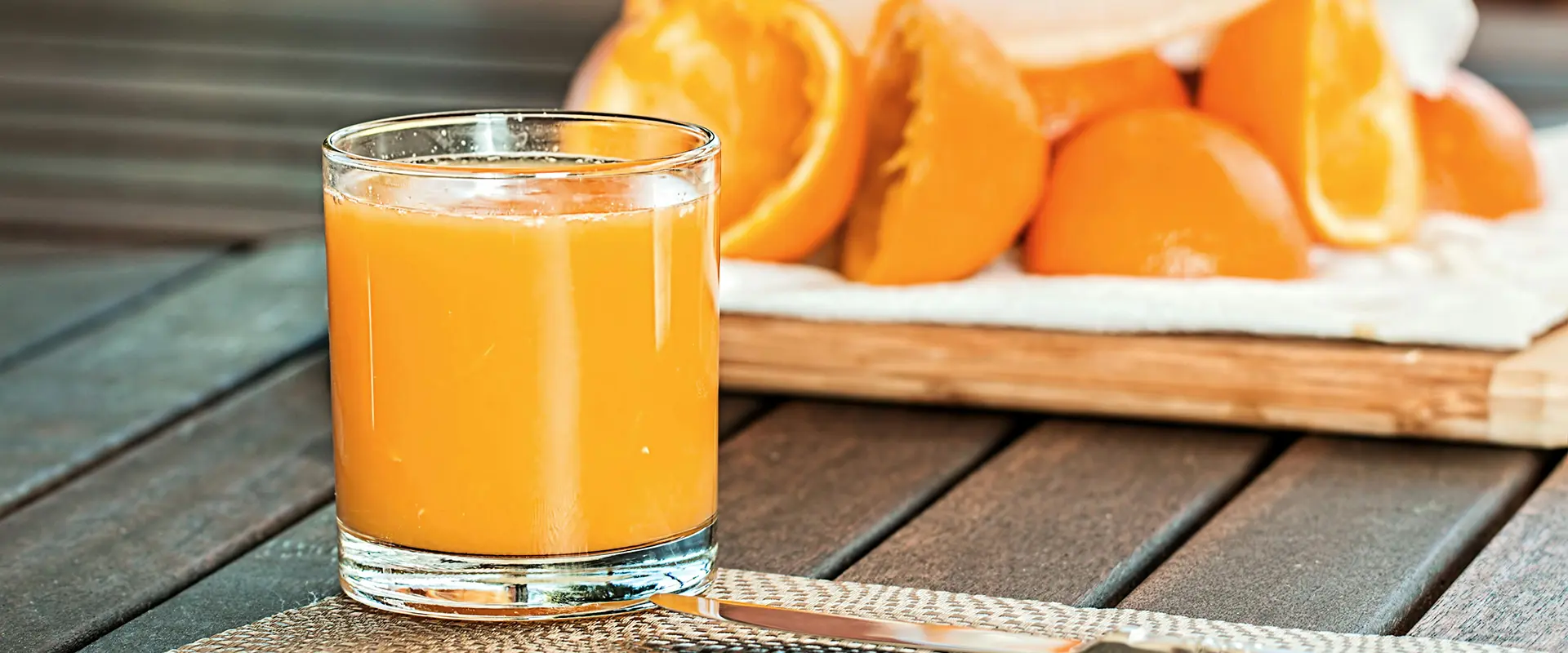
Water is undoubtedly the healthiest drink you can consume. However, herbal and fruit teas, as well as juice spritzers (it is important to note the mixing ratio here: 1 part juice to 3 parts water) can also quench your thirst and compensate for natural fluid loss.
Sugary soft drinks, iced teas and the like are rather unsuitable for quenching thirst, as they usually contain a lot of calories, which increases the risk of obesity and type 2 diabetes. In addition, the risk of tooth decay increases, especially in children, if they consume excessively sugary drinks.
You can spice up your water or tea with lime or lemon juice, fruit, mint or berries to create a delicious refreshing drink. It is best to leave your drink to infuse in the fridge for a few hours to achieve the best possible taste.
Coffee and black tea can also be counted as liquids consumed. However, care should also be taken here to consume the drinks without added sugar and to minimize the effect of the caffeine contained in coffee and black tea. caffeine should not be underestimated, which is why it is advisable to consume these drinks only in moderation.
Drinking enough and regularly? These tips will help you!
We have now explained why drinking enough water is so important and what the consequences can be if the body does not drink enough fluids. But how can you motivate yourself to drink enough water to avoid negative consequences?
- A water bottle: always having a bottle of water with you can help you to remember to drink regularly. If it is a 1.5 liter bottle, for example, you can set yourself the goal of drinking it every day.
- Routine: Set specific times of the day when you want to drink something, e.g. immediately after getting up, before eating, after each visit to the toilet, when you get home and before going to bed. This will give you a basis for ensuring that you drink enough fluids.
- Eat your water: Many foods such as cucumbers, watermelon, honeydew melon, grapes and oranges have a very high water content, eating these will help you to stay hydrated.
- Drink enough tasty drinks: A little variety is good for everyone, so you can easily spice up mineral water or tap water with a little lemon and mint, for example, to maintain a healthy diet. Fruit and herbal teas also help to bring some variation into your daily routine.