
And every year the groundhog greets us: welcome, dear summer! But summer is not just wonderfully warm, it can also bring dangerous heat, which can be dangerous for young and old and especially for people with chronic illnesses. In this magazin you will find out how you can best counteract the summer heat.
What is summer heat?
Summer heat is perceived as an unusually high temperature and can occur in different climate zones. The German weather office classifies summer heat on the basis of certain temperature limits. A summer day occurs when the maximum daily temperature is above 25 °C. If the temperature exceeds 30 °C, this is referred to as a hot day or heat day. If the temperature exceeds 35 °C, this is referred to as a desert day. A longer phase of consecutive hot days is referred to as a heatwave.
7 tips to beat the heat in summer
- Avoid the hottest hours of the day: temperatures are highest in the afternoon. Try to avoid being outdoors at this time if possible.
- Ventilate properly: Tokeep your home or office pleasantly cool, you should ventilate at night and in the early hours of the morning. As soon as it gets warmer outside than inside, close the windows. Shutters or blinds can help to keep out the heat radiation. One trick is to place a thin towel over the window sash and tuck it in when closing so that the window pane is covered from the outside.
- Sleep properly: The windows in the bedroom should remain closed during the day. Before going to bed, you should air the room thoroughly. It is advisable to cover up despite high temperatures and not to sleep naked to avoid catching a cold. A thin sheet can be used instead of a blanket.
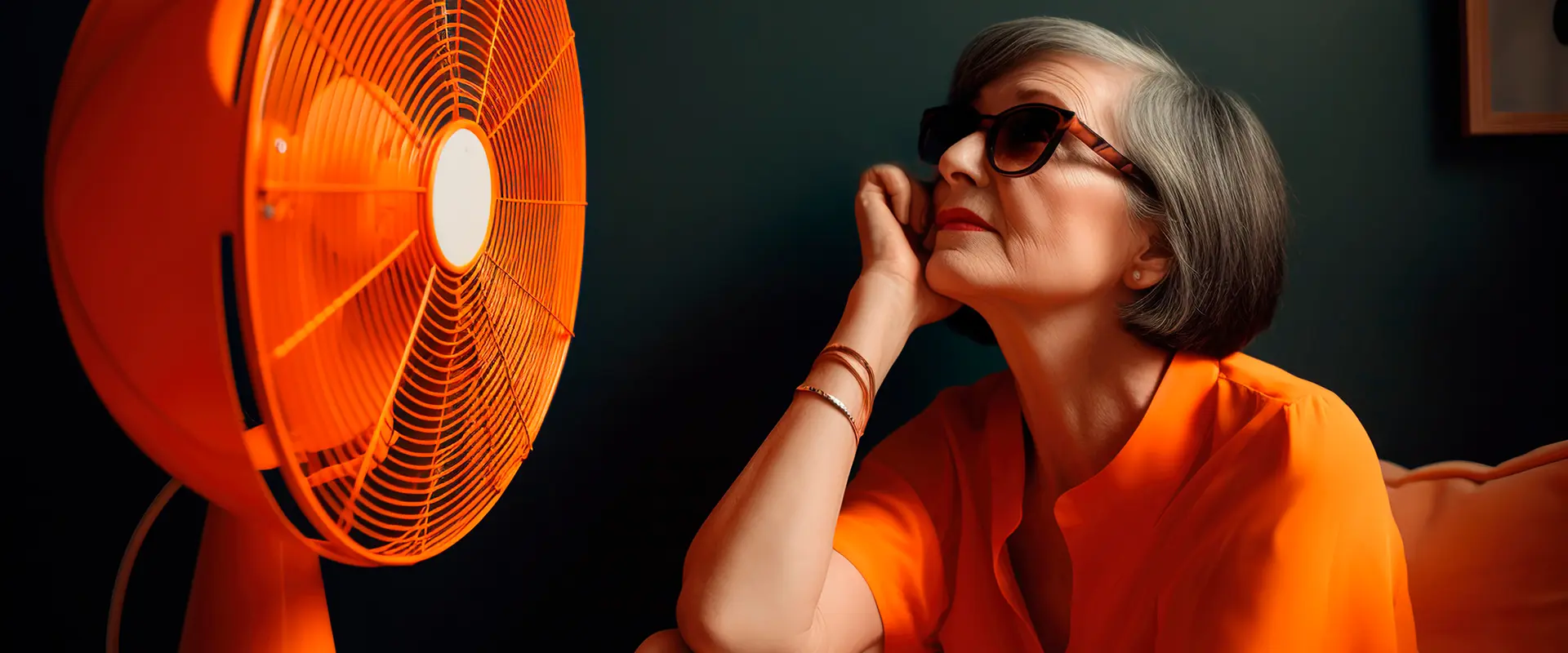
- Air movement in the room: A fan in the room cannot lower the temperature, but it helps to keep the air moving. This causes the sweat on your skin to evaporate more quickly and cools your body down. However, make sure that the airflow is not aimed directly at your neck.
- Heat protection plan: Health Minister Karl Lauterbach has developed a heat protection plan for Germany together with experts. The plan aims to protect children, the elderly and sick people in particular during periods of extreme heat. Suggestions are made for daycare centers, nursing homes, hospitals and municipalities to be able to react better to heat. Further information can be found on the website hitzeservice.de.
- Adapted diet: On hot days, it is important to pay attention to an adapted diet in order to optimally support the body and compensate for the loss of fluids and nutrients. It is recommended to follow the dietary habits of southern countries, which include heat-tested dishes such as Mediterranean cuisine. In addition, hot chili peppers can cool the body down, although it may not feel like it at first.
- Prevention of circulatory problems: Circulatory problems often occur in hot weather. To prevent these, you should drink plenty of fluids, keep your legs elevated and try to avoid the heat. Regular physical activity and exercise can also help to train your circulation.
Cool shower: good for the heart and circulation
The good old shower. Often the stuff of fantasy in summer. But it really does help. The evaporation of the water on the skin cools the body. So remember to take a short cold shower in between on very hot days, it helps.

High blood pressure and heat
Cardiologists repeatedly inform us that there is so-called heat stress, which can have a negative effect on heart health. We are not a medical journal and therefore do not wish to provide any medical information. However, we would like to take this opportunity to draw your attention to the Cardiopraxis magazin in Düsseldorf and Meerbusch. There is a self-help course on the subject of heat written by the cardiologists at the practice. It contains exciting and well-founded articles on the subject of heart disease and summer/heat.