
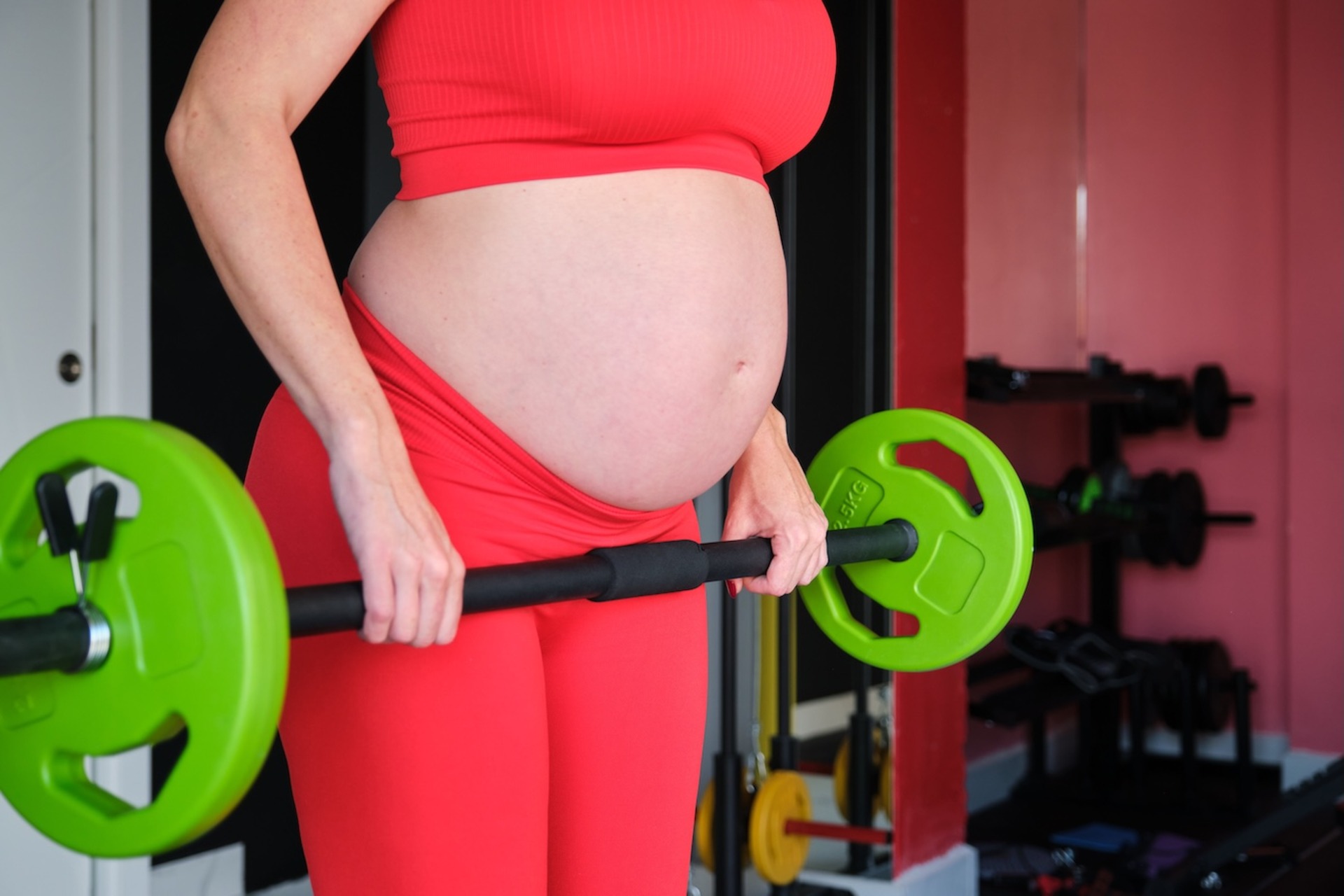

In her twelfth week of pregnancy, Ms. K. asked herself the question that preoccupies many expectant mothers: Is it still advisable to exercise during pregnancy, or is it better to take it easy?Her doctor gave her a surprising answer: If the pregnancy is progressing normally, there’s almost no reason not to exercise regularly—quite the opposite, in fact. Exercise during pregnancy is considered one of the most effective ways to prevent discomfort, strengthen circulation, and generally feel better in your own body.
This magazin explains which sports are suitable for pregnant women, what requirements should be met, how much exercise per week is recommended, and what women should pay special attention to during each trimester. We also answer the most common questions about exercise during pregnancy, from choosing the right sport to managing typical discomforts.
Why Exercise Is So Important During Pregnancy
The body of a pregnant woman accomplishes extraordinary things: The cardiovascular system works at full capacity, blood volume increases, joints and ligaments become more flexible, and the growing baby bump changes posture and body alignment. Staying active during this time helps the body adapt to these changes rather than falling into a protective posture. Exercise during pregnancy is therefore much more than just a nice bonus: it actively contributes to your well-being and a healthy pregnancy.
In the past, taking it easy was considered the top priority for pregnant women. Today , however, numerous studies show that an active lifestyle prepares the body better for the demands of pregnancy than complete rest. Of course, a healthy level of activity is important, and there should always be a balance between exercise and sufficient rest.

Positive Effects on the Mother's Body
Moderate exercise can alleviate many of the typical pregnancy discomforts . These include, among other things, back pain and water retention in the legs, and circulatory problems. Regular exercise also strengthens the muscles needed during childbirth to compensate for the extra weight and can noticeably improve overall well-being. Many women report that they feel more balanced after a workout and sleep longer.
From a medical standpoint, too, there are many reasons to exercise: Regular exercise has been shown to reduce the risk of gestational diabetes and has a positive effect on blood sugar levels. Three to four exercise sessions per week can also help prevent high blood pressure, a factor that, in turn, can lower the risk of preeclampsia. Researchers at the German Sport University Cologne have also shown in studies that exercise during pregnancy can shorten the duration of labor by up to one hour on average.
In addition to these measurable effects, there are also intangible factors that are often underestimated in everyday life: A regular workout can help reduce stress, lift your spirits, and help you regain a sense of control over your own body—especially during a time when so much is changing both within your body and in your surroundings.
Benefits for the Baby
It’s not just the mother who benefits from regular exercise: Exercise improves oxygen supply to both mother and child, as a fit cardiovascular system pumps blood more efficiently throughout the body—and thus through the placenta as well. This directly benefits the baby. Studies also suggest that children of active mothers tend to be born with a more stable birth weight and also develop good motor skills.
Requirements for Safe Exercise During Pregnancy
Before you begin your first workout, it’s worth taking a look at the most important guidelines for safely incorporating exercise into a pregnant woman’s daily routine. Exercise during pregnancy is safe for most women, but there are a few rules all expectant mothers should know before starting a new activity or continuing an existing workout routine.
Consult with your doctor
Women who were physically active before pregnancy can usually continue their workout routine in a modified form. Those who are just starting out should begin gently and listen to their bodies. In any case, it’s advisable to consult your doctor before starting a new exercise program, especially if you’re unsure about your fitness level or how your pregnancy is progressing. A brief discussion during your next prenatal appointment is usually enough to get the go-ahead for the planned activity.
Take Special Precautions During High-Risk Pregnancies
In the case of a high-risk pregnancy , exercise is permitted only after consulting a doctor. Doctors should be consulted before starting any exercise program, as they are best able to assess each individual case. For example, if the cervix is shortened, exercise should be reduced or stopped entirely, as there is an increased risk of complications in this case. Even with other risk factors, such as bleeding, placenta previa, or a history of miscarriages, taking it easy is often considered the best way to protect both mother and child. In such cases, it may be advisable to temporarily stop exercising altogether and instead focus on gentle movement as part of daily life, such as short walks after receiving medical clearance.
Recommended Sports During Pregnancy
Not every sport is equally suitable for pregnant women. In general, experts recommend moderate-intensity activities that challenge the body without overtaxing it for hours on end. Swimming, aqua fitness, and prenatal yoga are particularly recommended—three classic options characterized by gentle movements.
Swimming and Aqua Fitness
Swimming is one of the safest sports for pregnant women. The water supports a large portion of the body’s weight, relieving pressure on the joints and back while providing a gentle full-body workout. In addition, aqua-fitness classes for pregnant women are a great way to combine targeted exercises with the weight-bearing benefits of water. They are a popular choice among expectant mothers. The buoyancy of the water also takes pressure off the back and pelvis, which many women find particularly pleasant, especially in the last trimester, and can provide relief for a short time.
Yoga and Pilates
Yoga and Pilates are especially recommended for pregnant women because they focus on flexibility, breathing, and body awareness.Special prenatal yoga classes take into account the shift in the body’s center of gravity and offer exercises that specifically target the back, pelvis, and breathing. Many women find these sessions to be valuable moments of calm amid their often-stressful daily lives. In addition, the breathing exercises from yoga can be helpful later during childbirth.
Nordic Walking
Nordic walking is an excellent choice for expectant mothers because it’s easy on the joints and can be seamlessly integrated into daily life. A walk through the woods with poles provides moderate exercise in the fresh air while also working out the arms, back, and cardiovascular system. It’s also an excellent way to get started with regular exercise, without the need for expensive equipment or signing up for a class. By the way,if you don’t have poles, you can still reap almost the same benefits from a brisk walk without any equipment.
Calisthenics and light strength training
Exercise and light strength training can have a positive effect on childbirth and postpartum recovery. Targeted exercises, such as those for the pelvic floor, are recommended. Light strength training using your own body weight or light weights is also possible, as long as it remains moderate and does not put excessive strain on the abdomen. Starting in the second trimester , exercises performed while lying on your stomach or that put significant pressure on the abdomen should be avoided. Similarly , exercises that require lying on your back for long periods should be replaced with side-lying or standing variations starting in the second half of pregnancy.
Sports that pregnant women should avoid
Just as important as knowing which sports are appropriate is knowing which activities should be avoided during pregnancy for health and safety reasons.
Risk of Falls, Injuries, and Concussions
Pregnant women should avoid activities that carry a high risk of falls, injuries, or jolts. These include sports such as skiing, unroped rock climbing, and horseback riding. Falling onto the abdomen can lead to serious complications during pregnancy.
Contact sports and intense strength training
Pregnant women should avoid contact sports such as soccer because of the risk of collisions. Intense strength training with very heavy weights isalso not recommended, especially during early pregnancy. Such training can increase the risk of miscarriage. If you’re unsure, it’s better to skip a workout than to take an unnecessary risk.
How much and how intensely should pregnant women exercise?
A common question among expectant mothers is: How much exercise is actually enough, and where is the limit? As a general guideline, pregnant women should aim for at least 150 minutes of exercise per week; ideally, they should get about 30 to 60 minutes of exercise daily. The upper limit is no more than seven hours of exercise per week, to allow the body sufficient rest periods during this time.
Workout Tips for Everyday Life
A few simple exercise tips can help you easily incorporate exercise into your daily routine during pregnancy:
● Short, regular workouts are better than infrequent, long training sessions.
● Make sure to stay hydrated and take breaks, especially in warm weather.
● Be mindful of your current fitness level and don't compare your workout to how you were before pregnancy.
● If you're short on time, even a brisk walk as part of your daily routine—such as on your way to work or while walking the dog—will do.
The speech test as a guideline for moderate intensity
A simple guideline for determining the right intensity is the so-called “talk test”: If you can still carry on a conversation without difficulty while exercising, you’re in the moderate range. Another rule of thumb for moderate exercise is not to consistently exceed a heart rate of about 140 to 160 beats per minute. If the exercise becomes more strenuous and it’s hard to carry on a conversation, that’s a sign to slow down and make the exercise less intense.
Exercise During Pregnancy: Trimester by Trimester
A pregnant woman's body changes from trimester to trimester, and with it, the demands placed on exercise and physical activity. A workout that is appropriate in the first trimester may be perfect in the third trimester .
First Trimester: Nausea and Caution
In the first trimester , many women experience morning sickness, fatigue, and a general feeling of being “wrapped in cotton.” During this phase, it’s important to keep exercise gentle and moderate. If you don’t feel up to it, you shouldn’t force yourself to exercise. Your own body comes first during these weeks. Short, gentle activities like a walk or gentle yoga are usually better suited during this time than an intense workout.
Second Trimester: The Baby Bump Grows
In the second trimester , nausea subsides for most women, and many feel more energetic. As the baby bump becomes more visible and changes in balance set in, this is an ideal time to incorporate regular exercise into your daily routine. Activities such as swimming, yoga, or Nordic walking are particularly popular. Many women find this phase to be the most active of their entire pregnancy, as energy levels and discomfort are well balanced.
Third Trimester: Just Before Birth
In the third trimester , the belly becomes noticeably heavier, and balance becomes less stable. Sports involving gentle, controlled movements, such as swimming or light exercise, are particularly recommended during this time. Many expectant mothers naturally reduce the intensity of their activities, which is completely normal and sensible as long as they continue to stay active. In addition, exercises specifically designed to prepare for childbirth—such as pelvic floor exercises or breathing exercises—become increasingly important during this phase.
Exercise for Pregnancy-Related Discomforts
Many women wonder whether exercising is even advisable when they have existing health issues. In most cases, the answer is yes. For most common health issues, exercise isn’t a problem—it’s part of the solution. However, it’s essential to consult with your doctor before starting an exercise program to avoid causing further complications.
Back Pain, Water Retention, and Circulation
Exercise can help with back pain, water retention and circulation problems. Targeted exercises for the back, as well as activities that get the blood flowing, help many women cope better with everyday life. Even after childbirth, during breastfeeding, and in the postpartum period, many mothers benefit from slowly resuming physical activity, provided their bodies and postpartum recovery allow it.
Gestational Diabetes and Blood Sugar
Regular exercise reduces the risk of gestational diabetes, as exercise has a positive effect on blood sugar levels and improves insulin sensitivity. If gestational diabetes has already been diagnosed, tailored exercise—in consultation with your doctor, of course—can be an important part of treatment, often in combination with a tailored diet, to help regulate blood sugar levels.
High Blood Pressure and Preeclampsia
Three to four exercise sessions per week have been shown to help lower high blood pressure. Since high blood pressure is a major risk factor for preeclampsia, moderate, regular exercise can play a valuable role in preventing it. However, anyone who already has high blood pressure should always coordinate their exercise routine closely with their doctor.
Warning Signs: When You Should Stop Exercising Immediately
While exercise is healthy, you should stop immediately if you experience symptoms such as dizziness. Shortness of breath that goes beyond what is normal, abdominal pain, bleeding, or an unusually rapid heartbeat arealso warning signs. In such cases, stay calm and seek medical advice. If in doubt, it’s better to skip a workout than to take a risk. Persistent headaches, vision problems, or sudden swelling of the hands and face should also be taken seriously, as they may indicate the onset of preeclampsia.
Household Help During Pregnancy and After Childbirth
As important as exercise is, sometimes pregnancy itself throws daily life off balance instead of making it easier. When Ms. R. was diagnosed with a risk of premature birth at 28 weeks, her doctor ordered her to take strict rest from one day to the next: no more shopping, no vacuuming, and no climbing stairs with full laundry baskets. Her partner worked full-time, her family lived far away, and suddenly the question arose: who was actually supposed to handle the household chores when exercise—and even normal physical activity—were off-limits?
Through her health insurance provider, Ms. R. learned that she is entitled to a home health aide in this situation. We worked together to determine what services were available, and an experienced home helper was at her doorstep. Cooking, laundry, grocery shopping—all of that was suddenly taken care of again without Ms. R. having to strain herself. This allowed her to focus entirely on the rest she’d been prescribed and on her baby.
When It Makes Sense to Hire a Housekeeper During Pregnancy
Not every pregnancy allows for unrestricted exercise and physical activity. This is especially true in cases of high-risk pregnancies, when bed rest has been ordered, in cases of multiple pregnancies, or when experiencing severe pregnancy-related symptoms , everyday tasks—shopping, cleaning, cooking, and caring for older children—can quickly become a burden. In such cases, a housekeeper can provide exactly the relief needed to ensure that “taking it easy” actually means taking it easy. Even if your partner is very busy with work or you don’t have family living nearby, this is a good reason to start looking into support options early on.
Support During the Postpartum Period and the First Few Weeks with Your Baby
Even after giving birth, daily life changes completely once again. Ms. S. remembers the first few weeks with her first child well: breastfeeding every few hours, lack of sleep, and a household that seemed to pile up on its own. Through us, she found a household helper who took some of the load off her during breastfeeding and postpartum recovery—helping with cooking, doing laundry, and sometimes simply by watching the baby for a few minutes while Ms. S. took a shower or slept. Today she says, “I would hardly have fond memories of those weeks without that help.”
Whether during pregnancy or in the postpartum period: Under certain conditions, public health insurance plans cover the costs of a household helper—for example, if a woman lives alone, no one else in the household can step in, or there is a medical necessity. Whether and to what extent you are eligible is always determined on a case-by-case basis. That’s why it’s worth taking a close look at your personal situation.
Conclusion: Exercise as a Path to Greater Well-Being
For most women, exercising during pregnancy is not only safe but also very beneficial for the body, mind, and baby. If you choose moderate forms of exercise, listen to your body’s signals, and talk to your doctor if you have any concerns, you can stay active right up until just before giving birth. The focus here isn’t on performance, but on well-being: short, regular exercise sessions that make you feel good.
Choosing the right sport depends less on trends than on personal well-being. Some women prefer the calm of a yoga class, while others enjoy being active outdoors through Nordic walking or taking a stroll. The key is that the activity brings you joy and fits easily into your daily routine. That way, it will remain a faithful companion throughout your entire pregnancy.
Frequently Asked Questions About Exercise During Pregnancy
As a pregnant woman, can I start exercising for the first time, even if I’ve never exercised before? Yes, that’s generally possible. It’s important to start slowly with low-intensity activities, such as walking or prenatal yoga, and to consult briefly with your doctor.
How can I tell if the intensity is too high? The talk test is a good first indicator: If you have trouble speaking while exercising, the intensity is too high. A consistently high heart rate or a feeling of complete exhaustion after your workout are also warning signs that you should reduce the intensity.
Do I have to stop exercising completely every time I feel a little discomfort? Not necessarily. Mild discomfort, such as occasional fatigue, is no reason to take it easy. However, if you experience more serious symptoms—such as dizziness, bleeding, or severe pain—you should stop exercising immediately and seek medical advice.
Can I just pick up where I left off before my pregnancy after giving birth? No, your body needs time to recover after giving birth and while you’re breastfeeding. A slow, gradual return to exercise is better than abruptly resuming your previous routine.
Sometimes, a pregnancy with discomfort can make everyday life a challenge—from grocery shopping to household chores. Support is available for exactly these situations: Tell us about your situation, and we’ll work with you to see what relief is possible in your daily life so you can focus on yourself and your baby.