
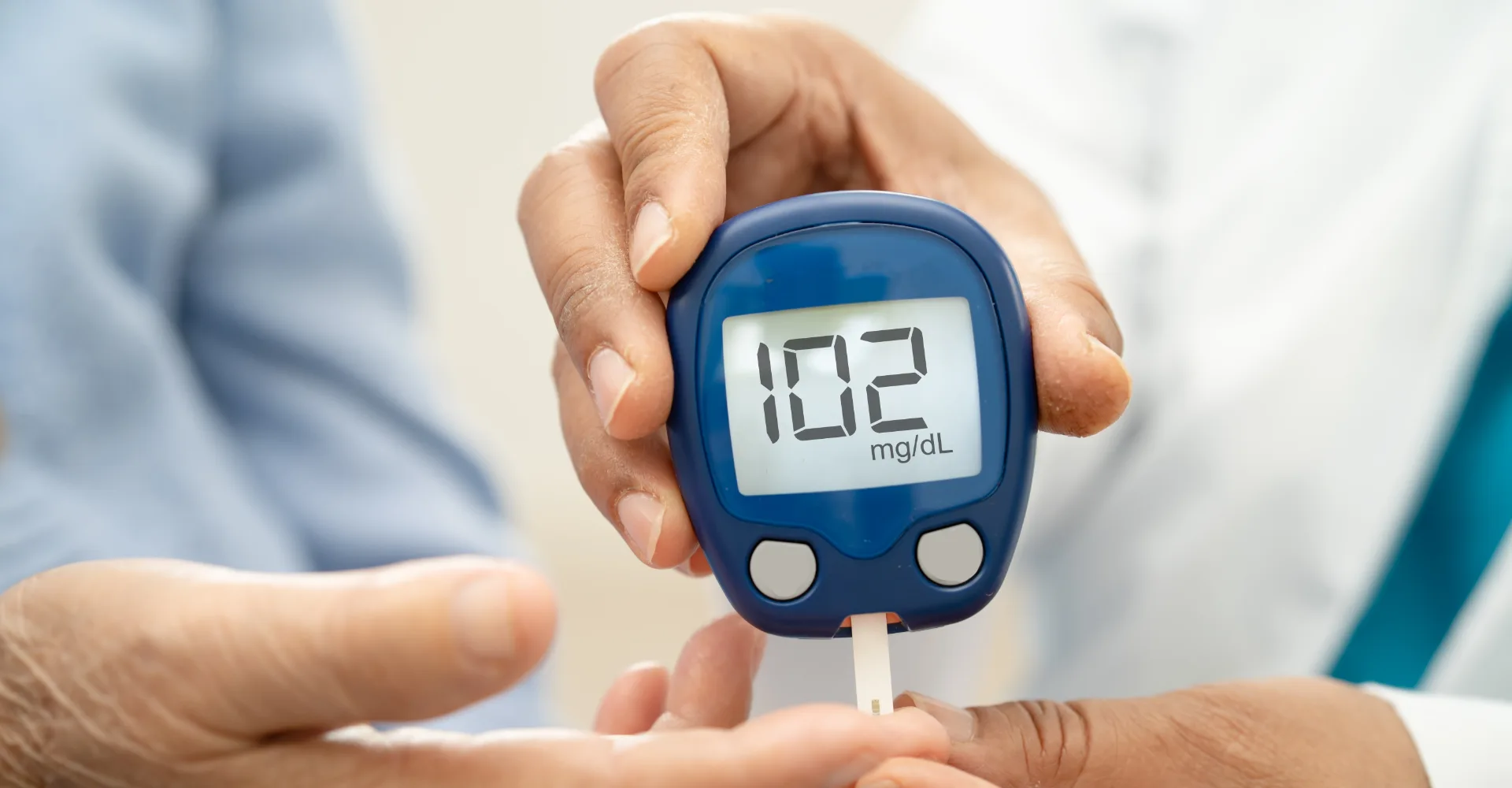

Ms. M., a 58-year-old office clerk from Cologne, had actually just gone in for a routine checkup. She was feeling tired and had been thirsty more often in recent months, but who doesn’t feel that way sometimes? Then her doctor called: “Your fasting blood sugar is 131 mg/dl—that’s 7.3 mmol/l. We should look into this further.”
A sentence that meant so many things at once—and one she couldn't quite make sense of at first. What does 131 mg/dl even mean? Is that a diabetes reading? And what exactly is the difference between milligrams per deciliter and millimoles per liter?
Many people who suspect they have diabetes or are at increased risk experience these moments of uncertainty. The good news is that blood sugar levels are easy to understand. And once you know the numbers, you can take action early on.
This magazin the threshold at which a diagnosis of diabetes mellitus is made, what the blood sugar chart means, the relationship between mg/dl and mmol/l, what prediabetes is, and what you can do about it.
Two Units, One Meaning: mg/dl and mmol/l Explained
Before we get into the specific target ranges, it’s worth clearing up the most common source of confusion: the units used to measure blood sugar. Blood sugar is reported in two different units, depending on the country or the device used for measurement:
- mg/dl stands for milligrams per deciliter. This is the unit commonly used in Germany, Austria, and Switzerland. Most German blood glucose meters display readings in mg/dl.
- mmol/l stands for millimoles per liter. This unit is more widely used internationally and is employed in the United Kingdom, Canada, and many other countries, among others. International guidelines often cite both units.
- Conversion: To convert from mg/dl to mmol/l, divide the value by 18.0. Conversely, multiply mmol/l by 18.0 to get mg/dl.
Practical example: A fasting blood glucose level of 100 mg/dl is equivalent to 5.6 mmol/l. A level of 126 mg/dl is equivalent to 7.0 mmol/l. A postprandial level of 140 mg/dl is equivalent to 7.8 mmol/l.

What is blood sugar—and why does it fluctuate?
Blood sugar refers to the glucose content—that is, the sugar content—in the blood. More specifically, it refers to the concentration of glucose (grape sugar) in blood plasma. Glucose is the body’s primary source of energy, especially for the brain and muscles.
Blood sugar levels rise after every meal; this is completely normal. The pancreas then releases insulin, which transports glucose into the cells and lowers blood sugar levels again. Blood sugar levels therefore fluctuate naturally throughout the day after meals: they are lowest in the morning on an empty stomach, rise after breakfast, and then drop again.
Problems arise when the body can no longer properly regulate this feedback loop. From a diabetes perspective, a fundamental distinction is made between:
Type 1 diabetes mellitus is an autoimmune disease in which the immune system destroys the insulin-producing beta cells of the pancreas. Type 1 diabetes often develops during childhood or adolescence and requires lifelong insulin therapy. People with type 1 diabetes rely on external insulin because their bodies produce virtually no insulin on their own.
Type 2 diabetes mellitus , on the other hand, usually develops over the course of several years: The body’s cells become increasingly insensitive to insulin (insulin resistance), while insulin production declines. Type 2 diabetes primarily affects adults and is closely linked to lifestyle factors such as obesity, lack of physical activity, and an unbalanced diet, although genetic factors also play a role.
The Blood Sugar Chart: Normal Ranges at a Glance
For anyone looking for a quick reference, here is the complete blood sugar table with all relevant thresholds in both units.
Fasting blood sugar (in the morning before eating, after fasting for at least 8 hours)
| Rating | mg/dl | mmol/L |
|---|---|---|
| Normal | less than 100 mg/dl | below 5.6 mmol/l |
| Prediabetes | 100–125 mg/dl | 5.6–6.9 mmol/l |
| Suspected Diabetes | 126 mg/dl or higher | 7.0 mmol/l or higher |
| Too low (hypo) | below 70 mg/dl | less than 3.9 mmol/l |
2-hour value after a meal (postprandial)
| Rating | mg/dl | mmol/L |
|---|---|---|
| Normal | below 140 mg/dl | below 7.8 mmol/l |
| Prediabetes | 140–199 mg/dl | 7.8–11.0 mmol/l |
| Suspected Diabetes | 200 mg/dl or higher | 11.1 mmol/l or higher |
HbA1c level (long-term blood sugar)
| Rating | Percent |
|---|---|
| Normal (healthy people) | less than 5.7% |
| Ideal norm | 5.0–6.0% |
| Prediabetes | 5.7–6.4% |
| Diabetes | starting at 6.5% |
Normal Values in Detail: What Does “Healthy” Mean?
Fasting Blood Sugar: The Most Important Measurement
Fasting blood sugar refers to the blood sugar level measured after at least eight hours without eating—usually in the morning before breakfast. To measure this, a single drop of blood from the fingertip—which is analyzed using a blood glucose meter—or a blood sample taken by a doctor is sufficient.
Normal fasting blood sugar levels range from 60 to 100 mg/dl (3.3–5.6 mmol/l). Specifically, a blood sugar level below 70 mg/dl or below 3.9 mmol/l is considered too low (hypoglycemia) and should be evaluated by a doctor, as it can be dangerous in the short term.
The 2-Hour Mark: What Happens After a Meal
Postprandial blood sugar, also known as the 2-hour value, is typically measured two hours after a meal. This value is particularly informative because it shows how well the body can process glucose when it is under stress.
Blood sugar levels after eating should be below 140 mg/dl or 7.8 mmol/l; this is the normal range. Levels between 140 mg/dl and 199 mg/dl (7.8–11.0 mmol/l) indicate prediabetes. At 200 mg/dl or 11.1 mmol/l and above, diabetes specialists consider diabetes to be suspected.
The HbA1c Level: Long-Term Blood Sugar
A single blood glucose reading from a drop of blood is always just a snapshot. The HbA1c level, on the other hand, shows the big picture: It reflects the average blood glucose level over the past 8 to 12 weeks. That is why it is also called “long-term blood glucose” and is an indispensable part of modern diabetes care.
Technically speaking, HbA1c measures how much hemoglobin (the red blood pigment) has been “glycated” by glucose. The longer blood glucose levels remain elevated, the higher this value will be. HbA1c levels are measured regularly every two to three months once diabetes has been diagnosed or an increased risk is present.
For healthy people, the normal range for HbA1c is between 5 and 6%, ideally below 5.7%. A level above 6.5% indicates diabetes. A well-controlled person with type 2 diabetes has an HbA1c level of 6 to 7%; this range is considered good metabolic control.
Prediabetes: The Silent Precursor
Imagine you find out during a doctor's appointment that your fasting blood sugar level is 112 mg/dl, which is equivalent to 6.2 mmol/l. You don't have diabetes. But what then?
That’s exactly what happened to Mr. T., 51, a master craftsman and father of three. He had no symptoms—it was just his annual checkup. The results: slightly elevated fasting blood sugar, HbA1c in the borderline range. The diagnosis: prediabetes.
What exactly does "prediabetes" mean?
Prediabetes is a precursor to type 2 diabetes. Blood sugar levels are elevated but not yet high enough to warrant a diagnosis of diabetes. According to the definitions of the German Diabetes Society and the American Diabetes Association, prediabetes is present when:
fasting blood glucose is between 100 and 125 mg/dl (5.6–6.9 mmol/l), or the 2-hour value is between 140 and 199 mg/dl (7.8–11.0 mmol/l), or the HbA1c level is between 5.7 and 6.4%.
Prediabetes is a precursor to type 2 diabetes, but it is not an inevitable fate. A healthy lifestyle can prevent or even reverse prediabetes. After his diagnosis, Mr. T. changed his diet and began taking a 30-minute walk every day. A year later, his test results were back within the normal range.
At what level is a person diagnosed with type 2 diabetes mellitus?
At what point does a doctor diagnose diabetes mellitus?
According to the German Diabetes Society, a diagnosis of diabetes is not made based on a single test result; it generally requires a second confirmatory test. Nevertheless, there are clear threshold values:
Fasting blood sugar: A fasting blood sugar level of at least 126 mg/dl or 7.0 mmol/l indicates a possible case of diabetes. If this value is measured on two separate days, the diagnosis is considered confirmed.
2-hour value: A postprandial blood glucose level of at least 200 mg/dl or 11.1 mmol/l (two hours after eating) indicates diabetes.
HbA1c: A long-term blood sugar level of more than 6.5% indicates diabetes.
For context: The thresholds of 7.0 mmol/l (fasting) and 11.1 mmol/l (postprandial), as well as 7.8 mmol/l as the upper limit of the normal range for the 2-hour value, are internationally standardized. Whether you consult a doctor in Germany or abroad, the definition of diabetes mellitus is consistent.
What if you already have diabetes?
People with diabetes, especially those with type 2 diabetes, have different target levels than healthy individuals. A well-controlled diabetic typically has an HbA1c level of 6 to 7%. This is considered good metabolic control and provides long-term protection against complications. The exact target levels are determined on an individual basis with the treating endocrinologist, as factors such as age, comorbidities, and type of treatment play a role.
The Oral Glucose Tolerance Test: When a Simple Blood Sugar Test Isn't Enough
Sometimes a fasting blood glucose test is not enough to provide a clear diagnosis. In such cases, the doctor will perform an oral glucose tolerance test (oGTT).
During the test, the person drinks a standardized sugar solution (75 g of glucose dissolved in water). Blood sugar is measured from a drop of blood before drinking the solution and two hours afterward. The oral glucose tolerance test thus measures the blood sugar response after ingesting a defined amount of sugar and provides information on how well the body can process glucose.
The threshold for the 2-hour value of the oral glucose tolerance test (oGTT): A value below 140 mg/dl (7.8 mmol/l) is normal. A value between 140 and 199 mg/dl (7.8–11.0 mmol/l) indicates prediabetes. A value of 200 mg/dl (11.1 mmol/l) or higher is diagnosed as diabetes.
The oGTT is particularly important in cases of gestational diabetes, when test results are borderline, and when there are significant risk factors such as a family history of diabetes or being overweight.
How Blood Sugar Testing Works in Practice
Measuring blood sugar is incredibly easy these days. For self-testing at home, all you need is a small drop of blood from your fingertip, which is applied to a test strip. Modern blood glucose meters provide the result in seconds, either in mg/dl or mmol/l, depending on the device settings.
For people with type 2 diabetes mellitus , regular self-monitoring is important for managing blood sugar levels in daily life and adjusting to meals, physical activity, and medications. The German Diabetes Society recommends coordinating the frequency and timing of testing individually with your treating physician.
Important to know: Readings from commercially available blood glucose meters may differ slightly from laboratory results. For an official diagnosis, the laboratory result from a blood test is always what counts, not self-monitoring results.
Why Early Detection Is So Crucial
Diabetes, especially type 2, develops gradually. Many adults have the disease for years without realizing it. Symptoms such as fatigue, frequent thirst, or blurred vision are often attributed to everyday life.
This is dangerous: Chronically elevated blood sugar levels silently damage blood vessels and nerves. Long-term complications such as kidney problems, eye damage, heart attacks, or diabetic foot do not develop overnight; they develop over years of uncontrolled blood sugar levels.
What You Can Do Yourself: Lower Your Blood Sugar Naturally
Especially when it comes to prediabetes and slightly elevated blood sugar levels, people at risk for diabetes can make a huge difference through their own behavior.
Exercise: The Most Effective Way to Lower Blood Sugar
Exercise lowers blood sugar levels effectively and quickly. During physical activity, muscles absorb glucose directly without the need for insulin. You should aim for 30 to 60 minutes of regular exercise each day. This doesn't have to involve intense workouts.
Mr. B., 63, says: “My doctor told me to just take a ten-minute walk around the block after dinner. That was it. Three months later, my fasting blood sugar was back below 100 mg/dl—below 5.6 mmol/l.”
Nutrition: Monitoring Glucose Levels
Foods rich in fiber slow down the absorption of sugar into the bloodstream, preventing a sudden spike in blood glucose levels and instead ensuring a steady, gradual rise. Whole-grain products, legumes, vegetables, and fruit in moderation are your allies.
Eating in the right order can slow the rise in blood sugar: If you eat vegetables and protein first and save carbohydrates for last, your blood sugar level two hours after the meal will be significantly lower.
Weight: Every kilo counts
Excess weight, especially around the abdomen, is one of the strongest risk factors for type 2 diabetes. Even a weight loss of 5 to 10% of body weight can measurably improve insulin sensitivity and restore normal levels.
Stress and Sleep: The Overlooked Factors
Chronic stress raises cortisol levels, and cortisol drives up blood sugar. People who are chronically stressed or don’t sleep well have a harder time maintaining normal blood sugar levels. Relaxation, adequate sleep, and intentional breaks aren’t a luxury—they’re part of diabetes prevention.
When you get the diagnosis: What then?
Ms. M., mentioned at the beginning of this article—the office clerk with a fasting blood sugar level of 131 mg/dl (7.3 mmol/l)—did not sit idly by after her doctor’s appointment. The test was repeated, and the diagnosis was confirmed: type 2 diabetes mellitus, detected early.
“At first, I was shocked,” she says. “But then I realized: It’s good that we know. Now I can do something about it.”
She started going for a walk every day after dinner. She switched from white bread to whole-grain bread. She sought nutritional counseling. Six months later: Her HbA1c had dropped from 7.1% to 6.3%.
Type 2 diabetes is not a one-way street. If you know your numbers, you’ll understand the connections and take action before daily life becomes too difficult.
When You Should See a Doctor
Get your blood sugar checked if you notice symptoms such as extreme thirst, frequent urination, unexplained fatigue, or blurred vision; if there is a family history of diabetes; if your body weight has increased significantly; if you are over 45 years old and have not yet had your blood sugar checked; or if you were diagnosed with gestational diabetes during a previous pregnancy.
Your primary care physician can measure your fasting blood sugar and HbA1c levels with a simple blood test. This blood sugar test is straightforward, inexpensive, and provides valuable information that can change your life.
All Normal Ranges at a Glance: The Complete Blood Sugar Chart
Fasting blood sugar
- Below 100 mg/dl (5.6 mmol/l): Normal
- 100–125 mg/dl (5.6–6.9 mmol/l): Prediabetes
- 126 mg/dl (7.0 mmol/l) or higher: Suspected diabetes
- Below 70 mg/dl (3.9 mmol/l): Too low (hypoglycemia)
2-hour value after a meal (postprandial)
- Below 140 mg/dl (7.8 mmol/l): Normal
- 140–199 mg/dl (7.8–11.0 mmol/l): Prediabetes
- 200 mg/dl (11.1 mmol/l) or higher: Suspected diabetes
HbA1c
- Less than 5.7%: Normal
- 5.7–6.4%: Prediabetes
- 6.5% or higher: Diabetes
- 6.0–7.0% in people with diabetes: Well-controlled metabolism
Summary
The optimal blood sugar range is between 70 and 140 mg/dl or 3.9 and 7.8 mmol/l. The fasting level should be below 100 mg/dl (5.6 mmol/l). A fasting level of 126 mg/dl (7.0 mmol/l) or higher, or an HbA1c level of 6.5% or higher, is classified as diabetes mellitus. In between lies the important window of prediabetes—a range in which you can still take active steps to prevent the condition.
If you need help with daily life after an illness, surgery, or a difficult period in your life—so you can continue living at home—we’re here for you. Tell us about your situation, and together we’ll explore what support is available.
Note: This article is intended for general information purposes only and is not a substitute for medical advice. If you have any health-related questions, please consult your primary care physician or a diabetes specialist.