

How well do you know the benefits of effective pelvic floor training? This targeted exercise method not only has the potential to improve your quality of life, but also to prevent health problems in old age.
In this article, you will learn everything you need to know about the importance of pelvic floor training, the specific benefits it offers for seniors and how you can successfully integrate it into your everyday life. Be inspired by the possibilities that will help you to strengthen your pelvic floor muscles and promote your long-term health.
Pelvic floor training: importance and benefits
Pelvic floor training is a targeted exercise method for strengthening the muscles in the pelvic area. This often neglected muscle group plays a crucial role in general health and well-being, especially in old age. The pelvic floor is made up of a variety of muscles that support the organs in the pelvis and play an important role in bladder and bowel control. A strong pelvic floor can not only improve quality of life, but also prevent health problems such as incontinence or prolapse.
The anatomy of the pelvic floor comprises a complex structure that is important for both women and men. As we age, the muscles can weaken due to various factors such as hormonal changes or lack of exercise, which can lead to reduced bladder and bowel control. It is therefore important to exercise the pelvic floor muscles regularly to maintain and improve their functionality.
Anatomy of the pelvic floor
The pelvic floor consists of various layers of muscles, ligaments and connective tissue. These muscles play a crucial role in supporting the pelvic organs, controlling bladder and bowel emptying and sexual function.
The pelvic floor is roughly divided into three main muscle layers:
- Superficial layer: This layer includes muscles such as the bulbospongiosus and ischiocavernosus muscles, which are mainly responsible for sexual function and the stability of the external genitalia.
- Middle layer: This contains the transversus perinei muscle and the sphincter ani externus muscle, which contribute to the control of bladder and bowel function.
- Deepest layer: The deepest layer is made up of the levator ani muscle and the coccygeus muscle, which primarily support the pelvic organs and stabilize the pelvic floor.
What is pelvic floor training?
Pelvic floor training includes various exercises that are specifically designed to strengthen the muscles in the pelvic area. These exercises can be performed both at rest and in motion and are designed to increase the tension of the pelvic floor muscles.
A central exercise is tensing and relaxing the muscles, which is often referred to as the "Kegel exercise". This method is easy to perform and can be practiced both sitting and standing. If done correctly, just a few minutes a day can achieve remarkable progress. It is important to be aware of your own body awareness and to specifically feel the tension in your muscles. The benefits of these exercises range from improving bladder control to helping with sexual function.

Pelvic floor training for women
Pelvic floor training for women is a targeted exercise method that aims to strengthen the muscles of the pelvic floor and actively improve control of this muscle group. A strong pelvic floor has numerous benefits, including supporting the pelvic organs, improving bladder control and promoting sexual health.
Benefits of pelvic floor training for women:
- Prevention of incontinence: Regular exercise can help prevent urinary incontinence, especially after pregnancy or hormonal changes.
- Post-operative rehabilitation: Women who have undergone pelvic surgery benefit from targeted exercises to restore the muscles.
- Increasing sexual well-being: A trained pelvic floor can increase sexual sensation.
Pelvic floor training for men
Pelvic floor training for men is just as important as for women and can have significant benefits for health and well-being. A well-trained pelvic floor supports the function of the pelvic organs, improves bladder control and can enhance the sexual experience.
Benefits of pelvic floor training for men:
- Prevention of incontinence: Regular exercise strengthens the muscles and can help prevent urinary incontinence, especially in old age or after surgery.
- Strengthening erectile function: A strengthened pelvic floor can promote blood circulation in the genital area and thus improve erectile function.
- Support during rehabilitation: After operations, primarily prostate enlargement or removal, targeted training can help to restore functionality more quickly.
Do I need pelvic floor training?
A weak pelvic floor can cause various signs and symptoms that can affect both physical health and general well-being. The signs of a weak pelvic floor are often subtle, but can be noticeable in everyday life. Here are some common indicators:
Incontinence:
- Involuntary urination, especially during physical exertion, coughing or sneezing (stress incontinence).
- Difficulty controlling the flow of urine, primarily with sudden urge to urinate (urge incontinence).
Problems with bowel movements:
- Difficulty emptying the bowel completely.
- Constipation or the feeling that bowel movements cannot be properly controlled.
Pain in the lower back or pelvic area:
- Chronic pain in the lower back or pelvic region can indicate weakened pelvic floor muscles that affect the support of the spine.
Uncomfortable feeling or pressure in the pelvis:
- A feeling of pressure or discomfort in the pelvic area can also be an indication of a functional disorder of the pelvic floor.
Frequent urge to urinate:
- Frequent need to go to the toilet, even if only little urine is produced.
If you notice one or more of these symptoms, this could indicate a weak pelvic floor. Early diagnosis and targeted pelvic floor training can help to strengthen the muscles and alleviate the symptoms.
Benefits of pelvic floor training for seniors
Pelvic floor exercises offer numerous benefits for older people. One of the biggest benefits is the improvement in bladder control. Many seniors suffer from involuntary loss of urine, which often leads to reduced self-esteem and social isolation. Targeted training can strengthen the muscles, which leads to a significant improvement in continence. A well-trained pelvic floor also increases the overall quality of life, as it not only alleviates physical discomfort but also promotes general well-being.
The prevention of incontinence also plays an important role; regular training can prevent many problems before they occur. Another aspect is support during recovery after operations or during pregnancy. Training helps to get the body back into shape and alleviate pain.
Free of charge and professional support
Another benefit is that many pelvic floor exercise programs are free of charge. This means that seniors have access to valuable resources without having to worry about financial burdens. Many health insurance companies offer special courses led by experienced professionals. This professional supervision ensures that the exercises are carried out correctly and are tailored to individual needs. In addition, physiotherapists often offer customized training plans that are tailored to personal requirements and goals. The combination of free offers and professional support makes it easier than ever for seniors to get started with pelvic floor training.
Understanding the basics of pelvic floor training and the associated benefits are crucial to the success of this exercise method. It is therefore essential to familiarize yourself with the correct methods of implementation in order to achieve optimal results.
The correct way to perform pelvic floor exercises
Performing pelvic floor exercises correctly is crucial to their success. To effectively strengthen the muscles in the pelvic area, it is important to perform the exercises correctly and integrate them regularly into your daily routine.
Exercises for the pelvic floor
There are various exercises that specifically target the pelvic floor. These pelvic floor exercises are easy to perform and can be practiced comfortably at home to strengthen the muscles of the pelvic floor.
One of the best-known exercises is the Kegel exercise, in which you tense and relax the pelvic floor muscles. Start by sitting or lying in a comfortable position. Take a deep breath and then tense your muscles as if you want to stop urine. Hold the tension for about five seconds and then relax the muscles for another five seconds. Repeat this exercise ten times in a row. It is important that you continue to breathe while tensing the pelvic floor.
Another effective exercise is lifting the pelvis. Lie on your back, place your feet flat on the floor and slowly raise your pelvis while tensing your pelvic floor muscles. Hold this position for a few seconds and then lower your pelvis again. This exercise not only strengthens the pelvic floor muscles, but also the gluteal and abdominal muscles.
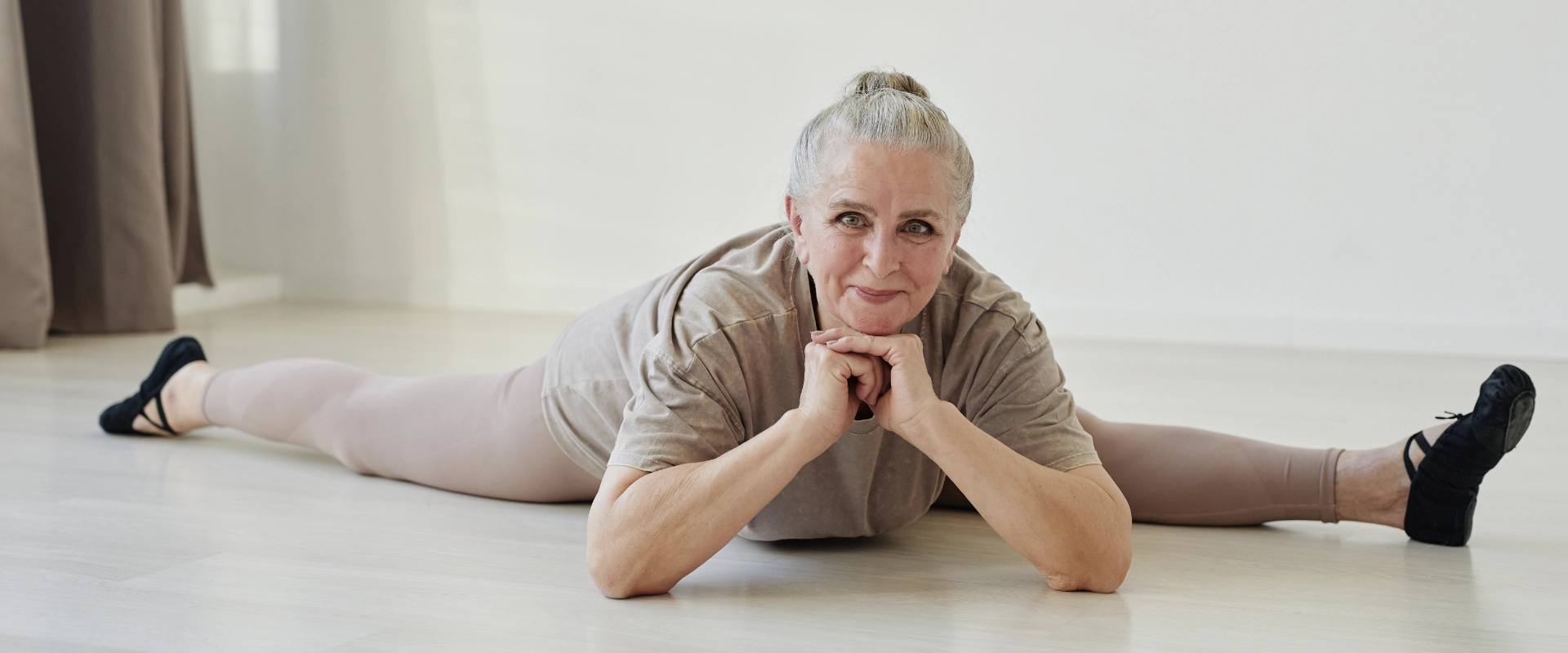
Targeted stretching exercises and pelvic floor exercises can also help to increase flexibility in the pelvic area. A simple stretching exercise is to sit with your legs wide apart and slowly bend forward. Hold this position for a few seconds to gently stretch the muscles.
Avoid common mistakes
To achieve optimal results when building pelvic floor muscles, common mistakes should be avoided. One common mistake is not doing the exercises regularly. Continuity is crucial for the success of pelvic floor training. It is advisable to schedule a fixed time in your daily routine to do the exercises.
Another common mistake is to tense other parts of the body, such as the face or shoulders, when tensing the muscles. Make sure that only the pelvic floor muscles are activated. Conscious body awareness is very important here. If you find it difficult to feel the right muscles, it can be helpful to place a hand on your stomach or hips during the exercises to ensure that these areas remain relaxed.
It is also important not to exert excessive pressure or try to perform the exercises with maximum effort. The aim is to build up a comfortable level of tension and hold it for several seconds. Overexertion can lead to tension and reduce the training effect.
In order to exploit the full potential of pelvic floor training, it is important to perform effective exercises and avoid common mistakes.
Integration of pelvic floor training into everyday life
Integrating pelvic floor training into everyday life is crucial for lasting success. Many seniors face the challenge of incorporating new habits into their already established lifestyle. However, with the right approach, training to strengthen the pelvic floor muscles can be made not only effective, but also enjoyable and motivating. It is important to design the exercises so that they can be performed in different areas of life, whether sitting, standing or even walking.
Pelvic floor training at set times
A first step towards successful integration is to set fixed times for exercise. Many people find it helpful to reserve certain time slots in their day to do the exercises. For example, Kegel exercises can be performed while watching TV or reading. This makes it possible to train the muscles without additional effort and enjoy other activities at the same time. It is advisable to develop a routine in which the exercises become a habit. A calendar entry or reminders on your smartphone can help to keep you motivated.
Training the pelvic floor in everyday life
Another tip for integrating pelvic floor training into everyday life is to use everyday situations as training opportunities. For example, you can tense and relax your pelvic floor muscles while waiting at the supermarket checkout or during a car journey. These small exercises are not only inconspicuous, but also extremely effective for continuously activating the muscles. Make sure that you consciously feel the tension and vary it regularly to address different muscle groups.
Integrating pelvic floor training into your everyday life may require some discipline and commitment at first, but the more you practice it, the easier it will become. The positive effects on your health and quality of life will quickly show you that the effort is worth it.
Joint pelvic floor training
In addition, taking part in group activities or courses can be an excellent way of integrating pelvic floor training into everyday life. Many retirement homes or fitness studios offer special courses that focus on pelvic floor training. In these groups, you not only have the opportunity to train under expert guidance, but also to maintain social contact with other seniors. The exchange with like-minded people can have a motivating effect and help to make training less stressful.
What aids for pelvic floor training?
The use of aids and objects can also be helpful to make training more interesting. Balls or special cushions can serve as support and make the exercises more varied. Such aids not only promote motivation, but also help to perform the exercises correctly and target different muscle groups.
To achieve long-term success, it is important to document your progress regularly. Keep a small diary of your exercises and note down both the number of repetitions and how you feel after training. This reflection can help you to keep an eye on your goals and make any necessary adjustments.
Support from specialists
To get the most out of pelvic floor training, it is advisable to seek professional support from specialists.
Professional support can significantly increase the success of pelvic floor training. Many seniors are not fully aware of the importance of performing the exercises correctly or have difficulty targeting the right muscles. This is where physiotherapists and other specialists come into play, who can offer valuable assistance with their knowledge and experience. Individual support makes it possible to develop a customized training program that is tailored to the specific needs and goals of the individual.
Pelvic floor training in a group
Many physiotherapists offer group courses in which senior citizens can exercise together. These courses not only create a motivating atmosphere, but also promote social interaction between participants. Progressing together can help make exercise less stressful and more enjoyable. In a supportive community, many people find it easier to stick with it and exercise regularly.
The importance of pelvic floor training in old age
In summary, it can be said that pelvic floor training is a valuable measure for senior citizens. This targeted exercise method is not only crucial for strengthening the pelvic floor muscles, but also helps to improve quality of life. Regular exercise can help prevent health problems such as incontinence and promote bladder and bowel control. A strong pelvic floor is also important for general wellbeing and can have a positive impact on sexual health.
The benefits of pelvic floor training are many and varied. The most important aspects include improving bladder control and thus reducing bladder weakness and preventing incontinence (uncontrolled loss of urine). Targeted exercises and training sessions can strengthen the muscles, which leads to a significant improvement in continence and can prevent pelvic floor weakness and thus urinary incontinence.
Performing the exercises correctly is crucial for the success of the training and therapy. It is important to practise regularly and avoid common mistakes. Conscious body awareness is of great importance here; this is the only way to effectively activate the pelvic floor muscles. Seniors should make time to integrate the exercises into their everyday lives, whether it's while watching TV, reading or during everyday activities such as waiting in line. Using such opportunities as training opportunities not only makes pelvic floor training more effective, but also more enjoyable.
In conclusion, pelvic floor training is a simple but extremely effective method of promoting long-term health in old age. It's worth taking the first step now: look for suitable programs in your area or arrange a consultation with a specialist. Your health and quality of life will thank you for it.