
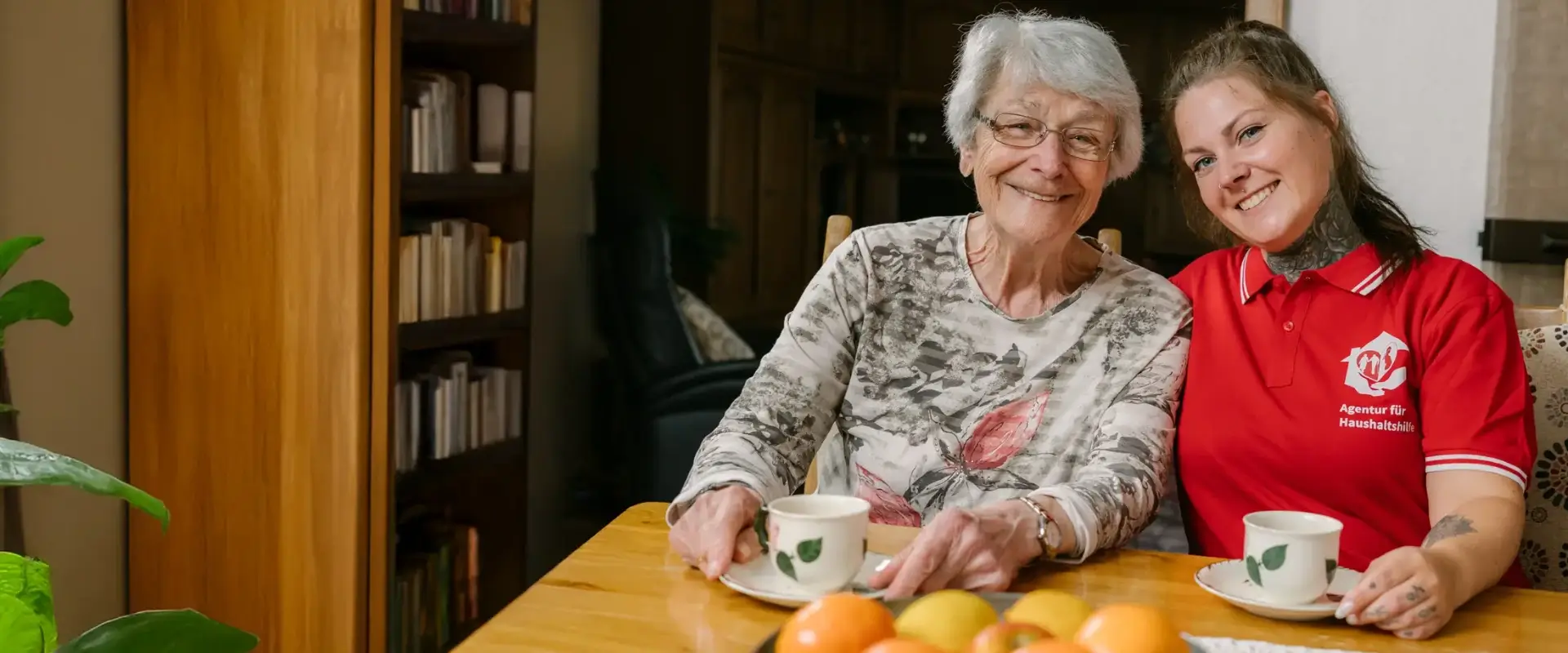

A daily companion is much more than just a traditional home care worker: they are a reliable partner in daily life, an attentive listener, and an important source of support for living independently at home.
For seniors and those in need of care in particular, it helps them stay connected to the outside world, fosters social interaction, and provides greater peace of mind in daily life. In this magazin everything you need to know about the services offered, the costs involved, and the invaluable support that daily care assistants provide to those in need and their family caregivers.
The essentials at a glance: A concise guide to daily support
Before we dive into the details, here are the key facts about the support provided by daily companions:
- Focus: Social support and quality of life, not medical care.
- Key responsibilities: Accompanying clients on shopping trips and doctor’s visits, helping to organize daily routines, and providing companionship.
- Funding: Through the relief amount from the long-term care insurance fund (starting care level 1) is possible.
- Goal: To promote independence and prevent social isolation.
- Work location: Both in-house and in nursing homes or senior living communities.
What is a daily companion?
At a time when families often live far apart, daily living assistance fills a gap. It gives family members the peace of mind that their loved ones are not only being cared for but are truly “seen.” At the same time, it enables many older adults and those in need of care to remain in their familiar surroundings for longer—a crucial factor in their quality of life and emotional well-being.
For many people, the desire to grow old in their own home is a top priority. Daily care providers play a vital role in this by offering structure, companionship, and practical support in everyday life. They provide reliability and reinforce a sense of security, both for the individuals receiving care and for their family caregivers.
Furthermore, daily companions play an active role in reducing loneliness. Regular conversations, shared activities, or short outings promote social interaction and have a positive effect on mental health . Especially in old age, when social contacts often diminish, this form of support is invaluable.
Who is an everyday companion suitable for?
Support from a daily life companion is intended for various groups of people. The following groups benefit in particular:
- Seniors who need assistance with daily activities
- People in need of care who have been assigned a care level
- People with dementia or cognitive impairments
- People living alone who would like to have more social contacts
- Family caregivers looking for relief in their daily lives
However, needs vary greatly from person to person: while some people only need occasional help with daily tasks, others rely on regular care.
Ultimately, daily companionship is about more than just providing support. It is about dignity, participation, and a zest for life. A daily companion offers attention, builds trust, and creates moments that enrich everyday life.
A Day in the Life of a Personal Caregiver
The daily routine of a personal care assistant is as unique as the people they support. Rather than rigid routines, the focus is on needs-based personal care tailored to individual habits, preferences, and the specific level of care required.
Structuring Daily Life
A clear daily routine is especially important for people with dementia or cognitive impairments. A daily routine guide helps provide structure and create a sense of security in everyday life.
This includes, among other things:
- planning and sharing meals
- reminding oneself of appointments
- a sensible daily schedule
This creates a reliable framework that provides stability and reduces stress.
Supporting and Promoting Mobility
A key component of daily support is assistance with activities outside the home. It helps maintain independence and enables social participation.
Typical tasks include:
- Shopping: Going grocery shopping together helps foster a sense of independence and normalcy
- Doctor's visits: Having someone accompany you to the doctor's office provides peace of mind and helps make appointments less stressful
- Walking: Exercise in the fresh air not only promotes physical health but also mental well-being
Household assistance
Even though the focus is on social care, household assistance is an important part of the job.
These include:
- cooking together
- light cleaning tasks
- Keeping the living environment tidy
These activities help ensure that the home remains a pleasant and livable place without overwhelming the person receiving care.
Leisure Activities and Social Interaction
Loneliness is one of the greatest challenges faced by older adults. Daily companions play a valuable role in this regard by actively fostering social connections and creating shared experiences.
Examples of activities:
- Board games or conversations
- Reading aloud from newspapers or books
- shared hobbies
- Visits to senior centers or cafés
They are often much more than just a source of support; they are companions in everyday life and create precious moments of closeness and shared experience.
Requirements for the profession: Who can become a daily life companion?
- Empathy: You have to sense when closeness is needed and when distance is needed.
- Patience: Many seniors need more time to perform simple tasks.
- Strong communication skills: Speaking and, above all, active listening are core competencies.
Where do daily life companions work? An overview of their work locations
Flexibility is a major advantage of this field. Daily living assistants can be deployed in a variety of situations, always with the goal of significantly improving the daily lives of seniors and people in need of care.
Help around the house
Most seniors want to stay in their own homes for as long as possible. Their familiar surroundings provide security, a sense of stability, and a feeling of independence.
Daily living assistants play a crucial role here by providing exactly the support needed in everyday life—without unnecessarily limiting independence.
Benefits for seniors:
- Staying in familiar surroundings
- Maintaining independence and personal routines
- Personal, one-on-one support in a familiar setting
- Greater peace of mind in everyday life through regular support
- Enhancing emotional well-being
It is precisely this type of care that plays a key role in maintaining quality of life over the long term.
Nursing homes and senior living communities
Even in residential facilities such as nursing homes or in modern senior living communities , daily life companions are indispensable. They complement the nursing staff and, above all, provide social support—an area for which there is often limited time in the hectic daily routine of caregiving.
They facilitate conversations, group activities, and address individual needs that go beyond basic care. In senior living communities, they are often the very heart of community life.
Benefits for seniors:
- More personal attention despite the institutional setting
- Promoting social interaction within the community
- Personalized care beyond basic care
- Engagement through shared activities and daily routines
- Reducing loneliness and isolation
Costs and Financing: How much does daily support cost?
The question of costs is a key concern for many families. There are significant differences depending on the type of support.
Professional agencies typically charge between €30 and €50 per hour.

Funding options through the long-term care insurance fund
If a care level (1 through 5) has been assigned, every insured person is entitled to a monthly allowance of €131. This amount can be used directly to pay for daily living assistance.
| Source of funding | Description |
| Relief amount | €131 per month for everyone in care level 1 or higher. |
| Preventive care | Can be used when family caregivers take a break. |
| Long-term care benefits in kind | Partial conversion may be possible for care services. |
| Out-of-pocket payment | If there is no care level is available or the budget has been exhausted. |
Benefits of daily support for patients and their families
Many people initially find it difficult to decide to bring a stranger into their daily lives. After all, it involves issues of trust and privacy. But in practice, it quickly becomes clear that the benefits of professional daily care go far beyond mere assistance; they bring about a lasting improvement in the quality of life for everyone involved.
Key Benefits for Seniors
- Maintaining Independence:
With targeted support in daily life, many tasks can continue to be handled independently or with assistance—an important factor in maintaining self-esteem. - More structure and guidance:
A structured daily routine provides a sense of security, especially for those with dementia or cognitive impairments. Consistent routines help reduce stress and prevent feeling overwhelmed. - Social engagement instead of isolation:
Conversations, shared activities, or short outings foster social connections and help prevent loneliness, one of the greatest risks in old age. - Promoting mental and physical health:
Going for walks, playing games, or having conversations keeps you active and has a positive effect on your mental well-being. - Safety in Everyday Life:
Having a companion by your side in everyday life provides a sense of security and reduces feelings of uncertainty. - A better quality of life in your own home:
This support enables many seniors to remain in their familiar surroundings for longer—a key wish for many people.
For family members: Relief, peace of mind, and new opportunities
Family caregivers do an incredible amount every day, often while balancing work and family life. Daily support can provide crucial relief in these situations.
Key benefits for family members:
- Noticeable relief in everyday life:
Tasks are shared, reducing both physical and emotional strain. - More time for yourself:
Caregivers gain the freedom to relax, attend to their own commitments, or simply take a break without feeling guilty. - Balancing Caregiving and Work:
This support makes it easier to fulfill professional obligations without neglecting caregiving responsibilities. - Emotional relief:
Responsibility is shared among several people. This reduces stress, worries, and the feeling of having to be constantly available. - Security and Trust:
Knowing that there is a reliable contact person on site provides peace of mind. - Better quality time together:
When organizational and caregiving tasks are reduced, there is more room for genuine interactions.
Choosing the Right Everyday Companion: What Should You Look For?
It doesn't always click right away. Since this involves very personal care, the choice should be made carefully.
Search Tips
- Experience: Ask for references or about their previous experience with similar medical conditions.
- Qualifications: Has the person completed training to become a caregiver?
- Empathy: Trust your gut. Nothing can replace a genuine passion for the task.
- Insurance coverage: When dealing with private providers, make sure they have liability insurance.
Professional Agency vs. Individual
An agency offers the advantage that a replacement is immediately provided if your caregiver is sick or on vacation. In addition, agencies such as the Agency for Domestic Help often handle all billing with the long-term care insurance provider.
Finding the Right Solution: Needs Assessment
Before you contact a provider of senior care assistants, you should ask yourself the following questions:
- What tasks do you find difficult?
- When is the most support needed?
- Have you already received a decision from the long-term care insurance fund?
- What hobbies or interests does the person in need of care have?
Thorough preparation makes getting started easier and ensures that assistance reaches exactly where it is needed.
Conclusion: A path to greater joy in life as we age
A daily companion is not a luxury, but a valuable investment in quality of life. It enables seniors to age with dignity and security in their own homes, while also providing much-needed relief for the entire family—whether it’s a trip to the doctor together, an afternoon game, or simply having someone there.
Don’t wait until the situation escalates or you become too exhausted. Check your eligibility for long-term care insurance benefits early on.