
The immune system is an essential line of defense of our body against diseases and infections. However, as we age, our immune system is also subject to the inexorable process of aging, which leads to a decline in its defenses. This natural ageing process can make older people more susceptible to disease and impair their ability to fight off infections. In this article, we will take a closer look at how older people can keep their immune system fit and which vaccinations can help them protect their health.
The immune system in old age
The immune system undergoes changes over the course of a lifetime that influence its effectiveness. One of the most notable changes is the decrease in the production of antibodies. Antibodies are proteins produced by the immune system to recognize and fight pathogens. In older people, antibody production may be reduced, which means that their immune system may be slower to respond to invading pathogens.
In addition, the defense cells in the immune system also change compared to younger years. These cells, such as T lymphocytes, play an important role in recognizing and fighting infections. In older people, the functionality of these cells can be impaired, which can reduce the immune system's ability to effectively fight off disease.
Measures to strengthen the immune system
Despite these natural changes, there are measures that older people can take to keep their immune system fit and protect their health:
Regular exercise in the fresh air
Exercise is a key factor in strengthening the immune system, and older people in particular benefit enormously from regular physical activity. A walk in the fresh air in nature can act as a booster for the immune system. Exercise promotes blood circulation, increases the body's oxygen supply and helps to activate the immune cells.
A balanced diet
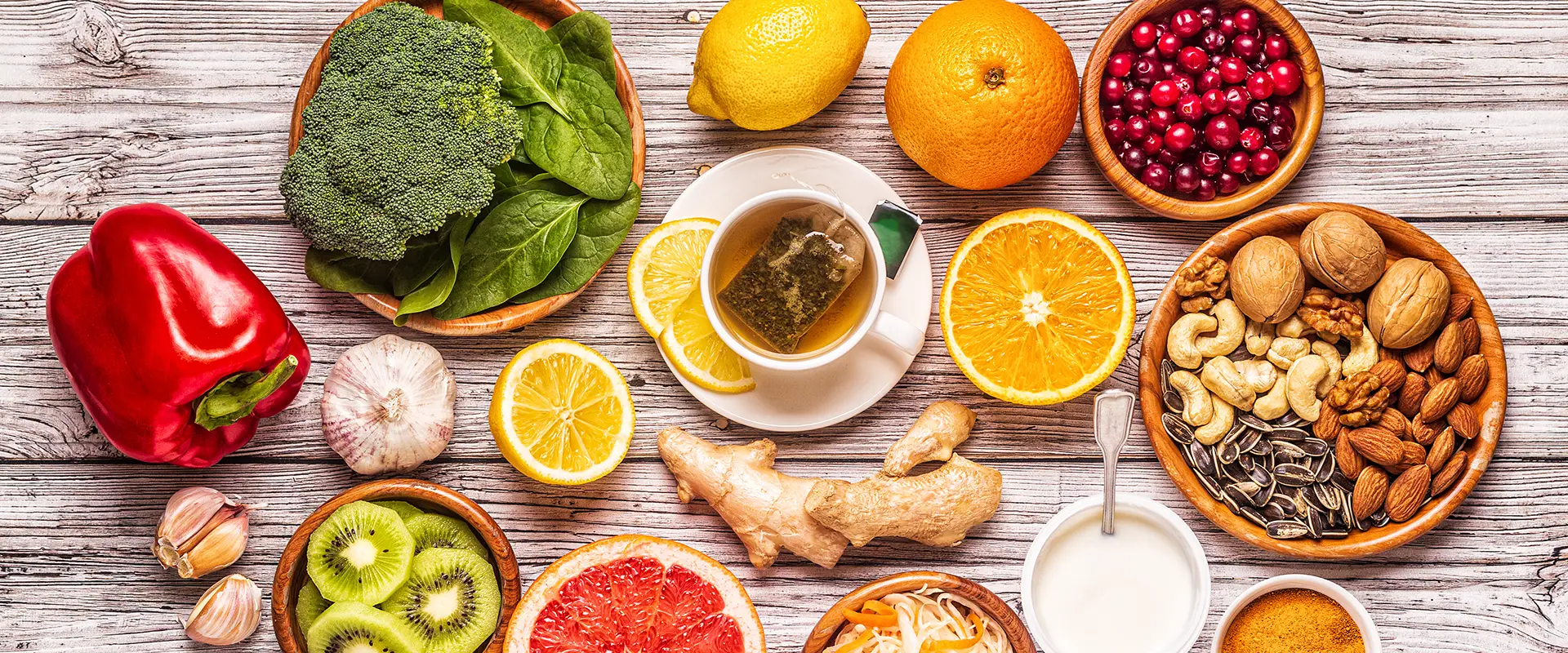
A healthy diet is crucial for supporting the immune system. Older people should make sure they eat a balanced and varied diet that is rich in vitamins and minerals. Vitamin C, vitamin D and zinc in particular are important nutrients that can strengthen the immune system.
What is meant by a balanced diet for senior citizens?
A balanced diet for seniors is designed to take into account the special needs and challenges of old age. It should have the following characteristics:
Nutrient density of food
Seniors should prioritize foods that are rich in nutrients but low in calories. This includes fresh fruit, vegetables, whole grain products, lean protein such as poultry or fish and healthy fats such as olive oil or walnut oil.

Adequate fluid intake
Seniors tend to feel less thirsty, which can lead to dehydration. It is therefore important to drink enough water and other fluids.
High-fiber diet
Fiber aids digestion and can help prevent constipation. Seniors should include fiber-rich foods such as whole grain bread, legumes and oatmeal in their diet.
Proteins for muscle health
Older people should consume sufficient protein to maintain muscle mass. This can include lean meat, fish, eggs or plant-based protein sources such as tofu.
Portion control
As calorie requirements decrease with age, it is important to control portion sizes to prevent excessive weight gain.
Diversity in nutrition
A varied diet ensures that seniors get all the nutrients they need. This includes a wide range of foods to avoid deficiencies.
A balanced diet for seniors aims to promote health, provide energy and meet individual needs as they age. It is advisable to consult a nutrition expert or doctor for a customized nutrition plan.
Sufficient sleep and stress management
Good sleep and stress management are also important factors for a strong immune system. Older people should make sure they get sufficient and quality sleep, as this contributes to the regeneration of the immune system. Reducing stress through relaxation techniques such as yoga or meditation can also strengthen the immune system.
Exercise is important for seniors. But what types of exercise are best suited to seniors?
Various types of exercise are particularly suitable for seniors to promote health and fitness. Recommended activities:
Walks
Regular walks are an excellent way for seniors to get some exercise. They can be enjoyed in the fresh air and are good for the joints.
Cycling
Cycling is easy on the joints and improves endurance. It can be made easier on flat terrain or with an electric bike.
Water gymnastics
Water aerobics in a warm pool is a gentle form of exercise that reduces resistance and is easy on the joints.
Movement games
Games such as boules, boccia or skittles are not only entertaining, but also promote coordination and mobility. You can also effectively strengthen your coordination and mobility at home with the following exercises.
Yoga and Tai Chi
These activities improve balance, flexibility and stress management.
Senior sports groups
Participation in special senior sports groups promotes social interaction and physical activity.
It is important that seniors choose activities that suit their individual fitness level and interests. However, before starting a new exercise program, they should consult with a doctor to ensure that the chosen activity is suitable for their health and will not put them at risk. This is important and strongly advised!
Vaccinations for older people
In addition to these general measures, there are specific vaccinations that older people should consider to protect their health. Vaccinations can reduce the risk of serious diseases and support the immune system. Here are some vaccinations that are particularly relevant for older people:
Flu vaccination
The flu can cause serious complications in older people. An annual flu vaccination can reduce the risk of infection and lessen the severity of the illness.
Pneumococcal vaccination
Pneumococcal infections can lead to pneumonia, which is particularly dangerous in older people. The pneumococcal vaccination protects against these infections.
Herpes zoster (shingles) vaccination
The shingles is a painful viral disease that mainly affects older people. The herpes zoster vaccination can reduce the risk of this disease.
Conclusion
An older person's immune system can be strengthened and supported by various measures. Regular exercise, a healthy diet, adequate sleep and attention to vaccinations are key components to maintaining a strong immune system as we age. By following these recommendations, older people can protect their health and keep their immune system fit to fight infections and diseases effectively.