
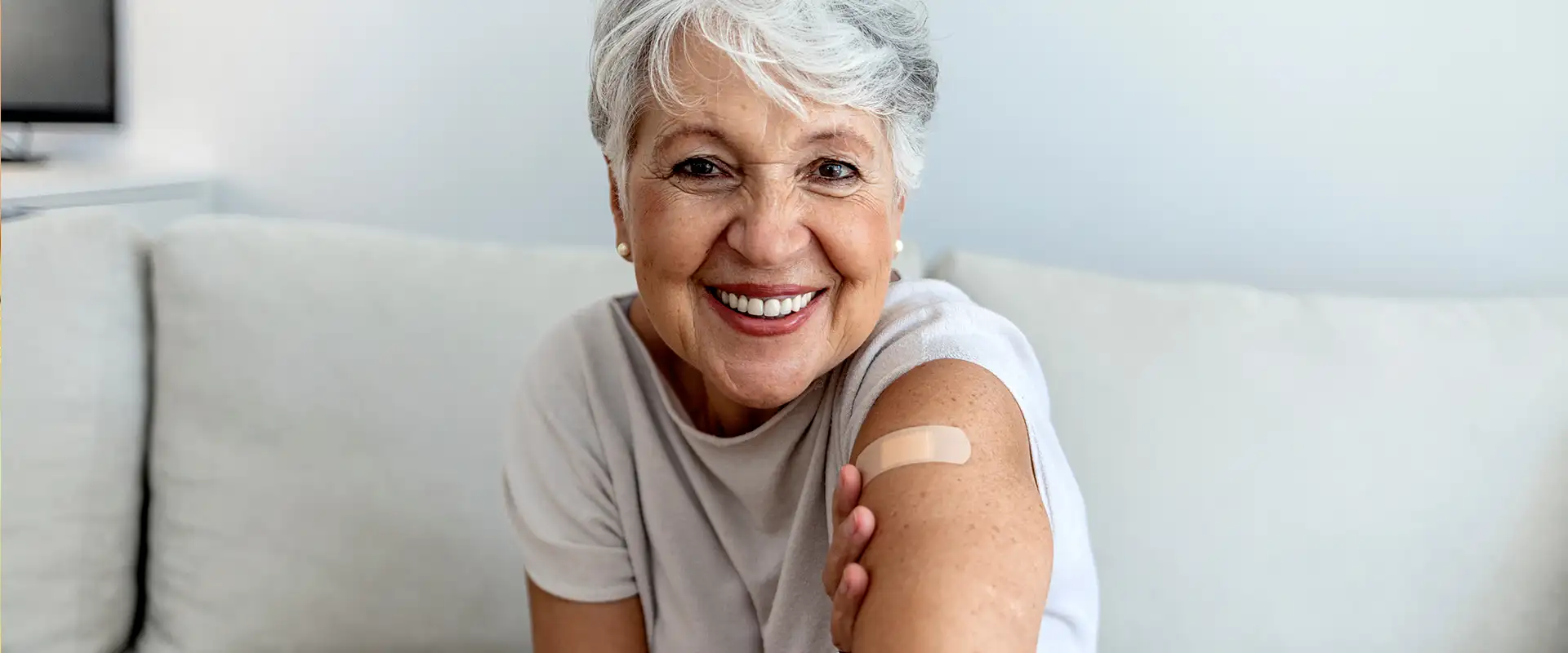

Vaccination is one of the most effective measures to protect against infectious diseases. It is particularly important for adults aged 50 and over to be vaccinated against certain diseases, as their immune system often weakens with age. In Germany, the Standing Committee on Vaccination (STIKO) recommends certain vaccinations for older people. In this guide, we present the five most important vaccinations for adults over 50.
Flu vaccination
The flu vaccination is one of the most important vaccinations for seniors over 50. Flu can have serious consequences for older people and, in the worst case, can even be life-threatening. The flu vaccination is recommended every year in the fall, as the flu virus is constantly changing and re-vaccination is necessary.
What are the benefits of a flu vaccination for adults aged 50 and over?
The flu vaccination offers many benefits to adults aged 50 and over, as it helps to prevent severe courses of the flu and associated complications. The main benefits of the flu vaccination for adults aged 50 and over are:
- Protection against severe cases: Older people are particularly susceptible to severe flu due to their weakened immune system. Vaccination reduces the risk of catching the flu and protects against severe cases and complications such as pneumonia, bronchitis or myocarditis.
- Protection against infection: Flu viruses spread by droplet infection and can easily be transmitted from person to person. Vaccination not only reduces the risk of your own infection, but also the risk of infecting other people.
- Prevention of outbreaks: Vaccination can prevent or at least contain outbreaks of flu. This is particularly important in communal facilities such as retirement homes or hospitals, where flu can spread quickly.
- Reduction of sick days: The flu can lead to prolonged incapacity to work, which can have an impact on personal and professional life. Vaccination reduces the risk of catching the flu and can therefore help to avoid sick days.
- Effective prevention: The flu vaccination is an effective preventive measure to prevent infectious diseases. It is safe and well tolerated and can be repeated every year to protect against new flu viruses.
In summary, the flu vaccine is very beneficial for adults aged 50 and over and can help prevent severe courses and complications of the flu, reduce infections, prevent outbreaks and avoid sick days. It is recommended to get the flu vaccine every fall to ensure optimal protection.
Pneumococcal vaccination
The pneumococcal vaccination protects against infection with bacteria that can cause pneumonia, meningitis or blood poisoning. A single vaccination is recommended for senior citizens aged 60 and over, and for those aged 50 and over with certain pre-existing conditions.
What are the benefits of a pneumococcal vaccination for adults aged 50 and over?
The pneumococcal vaccination offers many benefits to adults aged 50 and over as it helps to prevent serious pneumococcal disease. Here are some of the key benefits of the pneumococcal vaccine for adults aged 50 and over:
- Protection against serious illnesses: Pneumococci can cause various illnesses such as pneumonia, blood poisoning, meningitis and otitis media. Older people are particularly at risk of severe cases due to their weakened immune system. Vaccination can significantly reduce the risk of these diseases.
- Protection against complications: A pneumococcal infection can lead to life-threatening complications such as a heart attack, stroke and lung failure. Vaccination can help prevent these complications.
- Protection against outbreaks: A pneumococcal infection can spread quickly and lead to outbreaks in community facilities such as retirement homes or hospitals. Vaccination can help to prevent or at least contain outbreaks.
- Prevention of antibiotic resistance: Pneumococci can become resistant to antibiotics, which makes it more difficult to treat infections. Vaccination can reduce the risk of antibiotic resistance.
- Effective prevention: The pneumococcal vaccination is an effective preventive measure to prevent infectious diseases. It is safe and well tolerated and can help to prevent serious illnesses and complications.
In summary, pneumococcal vaccination is highly beneficial for adults aged 50 and over and can help prevent serious illness and complications, prevent outbreaks, reduce antibiotic resistance and ensure effective prevention. It is recommended to be vaccinated according to the recommendations of the Standing Committee on Vaccination (STIKO) to ensure optimal protection against pneumococci.
Tetanus-diphtheria vaccination
The tetanus-diphtheria vaccination protects against two serious bacterial infectious diseases - tetanus and diphtheria. A booster vaccination is recommended every ten years.
What are the benefits of a tetanus-diphtheria vaccination for adults aged 50 and over?
The tetanus-diphtheria vaccination offers many benefits to adults aged 50 and over, helping to prevent serious and potentially life-threatening diseases. Here are some of the key benefits of the tetanus-diphtheria vaccination for adults aged 50 and over:
- Protection against tetanus: Tetanus is a serious infectious disease caused by bacteria that penetrate wounds. Symptoms can include muscle cramps, breathing problems and even seizures. Vaccination protects against tetanus and reduces the risk of infection.
- Protection against diphtheria: Diphtheria is a serious and often fatal infectious disease caused by bacteria that infect the throat and respiratory tract. Symptoms can include fever, sore throat, breathing problems and heart problems. Vaccination protects against diphtheria and reduces the risk of infection.
- Vaccination booster: Vaccination protection against tetanus and diphtheria diminishes over time. A booster vaccination is recommended every 10 years to maintain protection.
- Protection against outbreaks: A tetanus or diphtheria infection can spread quickly and lead to outbreaks in communal facilities such as retirement homes or hospitals. Vaccination can help to prevent or at least contain outbreaks.
- Excellent prevention: The tetanus-diphtheria vaccination is an effective preventive measure to prevent infectious diseases. It is safe and well tolerated and can help to prevent serious illnesses and complications.
It can be said that the tetanus-diphtheria vaccination is very beneficial for adults aged 50 and over and can help to prevent serious illness and complications, prevent outbreaks and ensure effective prevention. It is recommended to be vaccinated according to the recommendations of the Standing Committee on Vaccination (STIKO) to ensure optimal protection for you and those around you.
Shingles vaccination
The shingles is a painful viral disease that commonly affects adults aged 50 and older. Vaccination can significantly reduce the risk of developing shingles and also lessen the severity of the disease.

What are the benefits of a shingles vaccination for older people over 50?
The shingles vaccination can offer many benefits to older people, especially if they are at a higher risk of developing shingles or suffering from the complications of the disease. Here are some of the key benefits of the shingles vaccination:
- Reducing the risk of shingles disease: Vaccination can reduce the risk of shingles disease by strengthening the immune system and helping to fight the virus that causes shingles.
- Reduction of pain: People who get shingles despite the vaccination often have a milder disease and less pain.
- Reduction of complications: Shingles can lead to serious complications such as postherpetic neuralgia (PHN), which can cause severe pain and tenderness in the affected skin area. Vaccination can reduce the risk of PHN and other complications.
- Improving quality of life: By reducing the risk of shingles and its complications, vaccination can help older people to improve their quality of life by reducing pain and the effects of the disease.
- Cost-effectiveness: Although shingles vaccination has a cost, it may be more cost-effective compared to the cost of shingles treatment and its complications.
Overall, the shingles vaccination can help older people to live healthier, pain-free lives and reduce the risk of complications associated with the disease. Find out more now in our guide article "Shingles vaccination for seniors: protection against a painful disease".
HPV vaccination
The HPV vaccination protects against certain forms of the human papillomavirus (HPV), which can cause cancer. In Germany, the vaccination is recommended for women and men between the ages of 9 and 45, but the STIKO particularly advises senior citizens with a new sexual partner to get it.
What advantages does the HPV vaccination offer people over 50?
The HPV vaccination also offers some benefits to adults aged 50 and over, especially if they have not yet had an HPV infection or have only had a limited number of HPV types. The STIKO (Standing Committee on Vaccination) recommends HPV vaccination for women and men aged 9 to 14 years as the primary target group, as the vaccination is most effective if it is given before sexual activity.
However, the HPV vaccination can still be useful for adults aged 15 and over. In particular, women aged 30 and over who have either never or only irregularly been screened for cervical cancer can benefit from the HPV vaccination. Vaccination can also be recommended for women and men over the age of 50 if they are sexually active and have not previously been vaccinated.
The HPV vaccination offers the advantage of protecting against infection with certain types of HPV that can cause cervical cancer, anal cancer, penile cancer, vulvar cancer and some types of mouth and throat cancer. Vaccination can also prevent genital warts.
The STIKO recommends that adults aged 18 and over who have not received an HPV vaccination as a child or adolescent should consider being vaccinated against HPV, especially if they are sexually active. It is recommended that women up to the age of 26 and men up to the age of 21 should receive a full vaccination. For adults over the age of 26, vaccination is decided on an individual basis after risk assessment by the doctor.
How often should adults over 50 have their vaccination status checked by a specialist?
It is recommended that adults aged 50 and over should have their vaccination status checked regularly to ensure that they are vaccinated against all relevant infectious diseases. However, there is no fixed recommendation as to how often this should be done. The frequency of the check depends on various factors, such as the individual's vaccination status, general health and lifestyle.
However, it is advised that adults aged 50 and over should have their vaccination status checked at least every 10 years. However, if a person has a weakened immune system or is at higher risk of infection, the specialist may recommend more frequent checks.
It is also important to note that some vaccinations, such as the flu jab, need to be updated every year to protect against the current strains of the virus. Therefore, adults aged 50 and over should follow their GP or specialist's recommendations for flu vaccination annually and have other vaccinations updated as required.
Conclusion on vaccinations for adults over 50
Vaccinations are an important measure to prevent infectious diseases and strengthen the immune system. Certain vaccinations are particularly important for adults aged 50 and over in order to avoid serious illnesses.
If you are unsure which vaccinations are recommended for you over 50, it is best to speak to your doctor. They will be able to give you expert and individual recommendations for your health.
This magazin is only an initial source of information and does not replace a personal consultation with your family doctor or specialist. Please make an appointment with the doctor you trust for a consultation.