
With their light, warmth and variety of colors, the summer months invite you to enjoy life to the fullest - even and especially in old age. For senior citizens, summer offers numerous opportunities to stay active, make memories and experience joie de vivre. Whether in their own home, in senior care or in care facilities: With the right activities on offer, physical and mental abilities can be promoted, loneliness prevented and general well-being increased.
This article shows you a wide range of activity ideas, activities and tips that are specially tailored to the needs of older people and people with dementia. It contains practical suggestions for activation, memory care, group work, summer safety and promoting social contact - all presented in a practical, creative and loving way.
Make conscious use of the warm season to make a big impact with small impulses. Let yourself be inspired, try out new things and create a summer full of joy, vitality and closeness together with your senior citizens. Now is the best time to get active!
Why are summer activities important for seniors?
Summer offers ideal conditions for activating and occupying senior citizens. The warm temperatures, longer days and blossoming nature invite you to consciously enjoy life.
It is particularly important for senior citizens to stay active - physically, mentally and socially. Regular activities in the summer not only promote well-being, but also prevent loneliness and the deterioration of mental and physical abilities. The summer months are therefore a valuable time to plan and implement targeted activities that increase enjoyment of life and support memory care.
Advantages of employment opportunities in summer
Summer not only offers pleasant temperatures and plenty of sunshine, but also ideal conditions for an active and meaningful activity for senior citizens.
For older people in particular - whether at home, in elderly care or in care facilities - the warm season is a valuable opportunity to recharge their batteries, relive memories and counteract loneliness.

Summer activities for seniors not only promote physical well-being, but also strengthen memory, social skills and emotional balance. Whether through walks, outdoor games, creative activities or communal activities - the ideas for activities on summer days are varied and have a positive effect on quality of life in old age.
Increase well-being
Sunlight promotes the production of vitamin D, which has a positive effect on mood and the immune system. Activities in the fresh air stimulate blood circulation and can improve circulation and mobility.
Older people in particular benefit from short walks or gymnastic exercises in the garden or on the terrace. Varied activity ideas - such as games, music or creative activities - can improve well-being in the long term.
Improve quality of life
A structured daily routine with a variety of activities contributes significantly to improving quality of life. Seniors experience more joy, satisfaction and self-efficacy when they can actively participate in daily activities.
Handicrafts, memory training or conversations about summer themes stimulate the senses of senior citizens and create new memories.
Promote social contacts
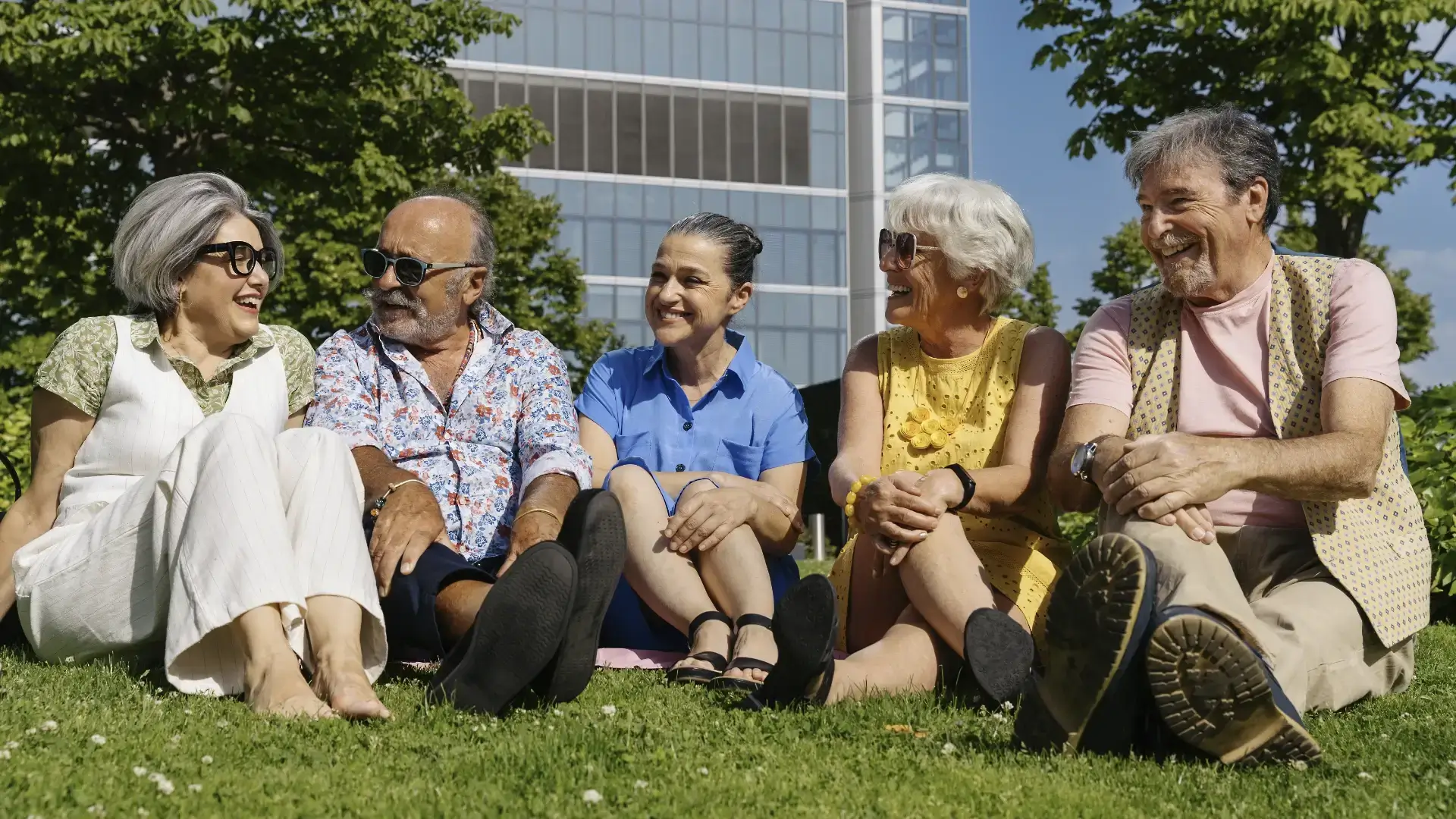
Summer offers numerous opportunities for joint activities - whether as part of senior groups, with relatives or in the neighborhood. Singing together, telling stories or outdoor games evenings create a sense of belonging.
Interpersonal contact is particularly important to prevent loneliness. Nursing staff and caregivers can encourage targeted conversations and promote joint activities in order to create an active social environment.
Concrete activities and employment ideas
The summer months open up a wide range of activities that can be tailored to the needs of older people. Nature shows its best side, life shifts outdoors - ideal conditions for varied activities that appeal to body, mind and soul in equal measure.
For senior citizens, keeping busy in summer means much more than just passing the time. It strengthens cognitive abilities, counteracts mental decline and promotes physical activity. physical exercise - all important factors in maintaining quality of life in old age. Ideas for activities should take into account both individual abilities and interests.
From simple walks and creative handicrafts to memory training, music or stories: The variety of activities on offer is huge. Especially people with dementia benefit from clearly structured, recurring activities that offer them orientation and security. The targeted use of materials such as activity cards, worksheets, riddles or puzzles not only brings joy, but also specifically promotes memory care.
Whether alone or in senior groups, with relatives or carers - the following ideas offer inspiration for meaningful, seasonally appropriate senior activities that can be carried out both indoors and outdoors.
Walks in the fresh air
Walks are one of the easiest and most effective ways to keep seniors physically active in summer.
Spending time outdoors strengthens the immune system, promotes blood circulation and provides visual and auditory stimuli. Simple walks through the park or garden, accompanied by conversations or targeted sensory exercises, can stimulate the memory and awaken memories.
Creative handicrafts with natural materials
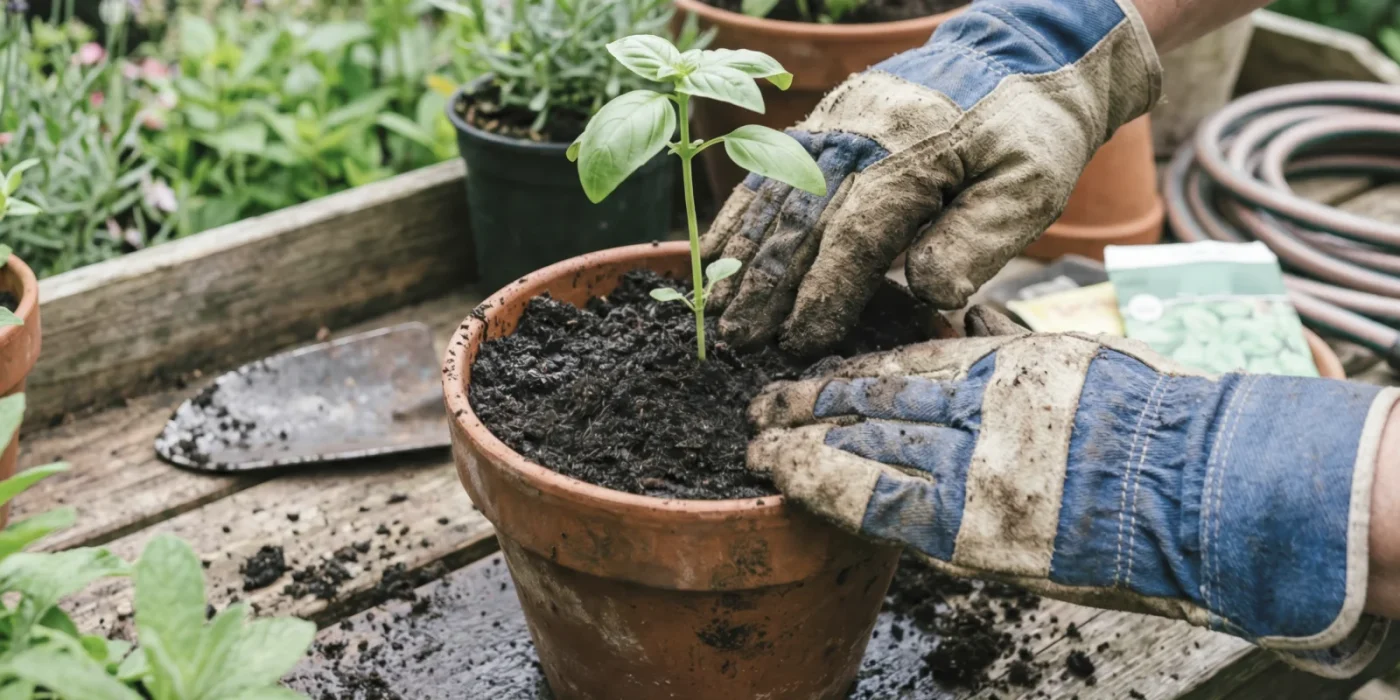
In spring and summer, nature offers lots of free materials such as flowers, leaves, twigs and shells. These are perfect for creative craft projects. Whether summer decorations, postcards or small gifts - crafting promotes fine motor skills, creates a sense of achievement and brings back memories.
Summer games for indoors and outdoors
Games are fun, promote a sense of community and stimulate seniors' memories. Classics such as boccia, skittles, dice games and memory games can easily be adapted to summer themes. Games with movement also strengthen coordination and balance.
Such games are also an ideal way for senior groups to combat boredom.
Writing and reading poetry
Poems stimulate the imagination and promote the language skills of senior citizens. Writing or reading summery verses together about the sun, flowers or vacation memories strengthens the sense of community and encourages people to reminisce.
Puzzles and brain teasers
Summer puzzles, crosswords or word games with seasonal terms are an effective method of memory training for seniors. They keep the brain active and promote concentration. Puzzles can also be solved together in groups to stimulate conversation.
Singing songs and listening to music
Music has a special effect on senior citizens - it awakens memories, improves mood and also activates people with dementia. dementia remaining abilities. Summer songs, folk tunes or songs from your youth invite you to sing along. Small concerts or making music together making music promote social interaction.
Telling and writing down stories
The summer months are ideal for biographical work. Seniors tell stories about previous vacations, festivals or experiences in nature. These stories can be written down, painted or used as memory training. This creates valuable exchanges and new topics of conversation.
Memory training with everyday relevance
Summery stimulus words such as "sun", "garden" or "ice cream" can be the starting point for memory exercises for senior citizens. Lists, matching tasks or activation cards help with remembering. Everyday activities such as watering flowers or talking through recipes can be easily integrated.
Preserving memories through photos and conversations
Photographs of summer vacations, family celebrations or garden scenes activate memories and create emotional access. Conversations about personal experiences encourage sharing and give people with dementia a sense of familiarity.
Use of activation cards
Activation cards with summery motifs, terms or song lines stimulate the memory and encourage conversations with senior citizens.
They can also be used as an introduction to activities such as handicrafts, singing or puzzles.
Worksheets for individual support
Worksheets with puzzles, writing exercises or coloring pictures on the theme of summer offer seniors a structured form of activation.
They promote cognitive skills and are particularly suitable for one-to-one supervision.
Maintaining contacts through phone calls and visits
In summer, visits to the gardenwalks with relatives or drinking coffee together. Those who are not mobile are happy to receive regular phone calls or video calls. Social contacts are central to the mental well-being of senior citizens.
Water activities for refreshment
Foot baths, hand cooling or seated water games offer cooling on hot days and stimulate the senses of the elderly. Water colors or sounds can also be used for activation.
Circulation-promoting exercises
Exercise in summer keeps you fit. Light gymnastics, arm circles, leg movements or dancing in a seated position promote blood circulation and strengthen muscles and balance. Important: Always drink enough!
Safety tips for hot days
High temperatures increase the health risk for older people, especially in the summer months. The natural thirst mechanism decreases with age, the cardiovascular system is stressed more quickly and health restrictions often make it more difficult to perceive heat stress. This makes it all the more important to take targeted protective measures to ensure the well-being and safety of senior citizens.
Sufficient fluids are the be-all and end-all
Seniors should drink at least 1.5 to 2 liters a day - preferably water, unsweetened teas or diluted fruit juices. Reminders to drink from care staff, drinking schedules, water bottles with time markings or colored cups can help to ensure sufficient fluid intake.
Ice cubes, cold soups or water-rich fruit such as melon or cucumber are refreshing alternatives.
Go to cool places and avoid heat
During the day, seniors should stay in cool, well-ventilated rooms if possible. Walks, spending time in the garden or other activities should be postponed until early in the morning or in the evening.
Fans, damp cloths or gentle water spray bottles can provide pleasant cooling. Heat build-up indoors can be avoided by closing blinds and targeted ventilation.
Suitable clothing and sun protection
Light, airy clothing made of cotton or linen helps to regulate body temperature. A sun hat or light-colored cap protects your head and face. Sun cream with a high sun protection factor is essential - especially when spending time outdoors or on the terrace. Older people's skin is more sensitive and reacts more quickly to UV rays.
Regular breaks and observation
Carers, relatives and caregivers should plan regular breaks and watch out for exhaustion, dizziness, headaches or nausea during outdoor activities - typical signs of heat stress. Older people with cardiovascular disease, diabetes or dementia need special attention. At the first warning signs, rest, fluids and, if necessary, medical checks should be carried out immediately.
Suitable activity for hot days
On very hot days, quiet, low-stimulus indoor activities can be a good alternative. Activities such as reading summer stories aloud, crafting with cool materials, light music or reminiscing in the form of photo albums are ideal.
Foot baths or bowls of water to cool your hands also provide refreshment and stimulate the senses at the same time.
In-house activities
Numerous summer activities can also be held indoors: Craft sessions, song evenings, photo activities or light gymnastics. Themed rooms with summer decorations promote orientation.
Special tips for people with dementia in summer
People with dementia need special attention and an environment that offers safety, structure and security. In summer, familiar rituals, clear daily routines and targeted activities can help to provide orientation and promote emotional well-being.
It is important to avoid excessive demands and sensory overload - instead focus on memories, sensations and familiar activities.
Familiar rituals in summer
Repetition and familiar routines are very important for people with dementia. Small rituals such as watering flowers together, listening to music on the patio every day or decorating with summer decorations create familiarity and security.
Eating together outdoors at set times can also be a stabilizing part of everyday life. These rituals promote a sense of belonging and help people to find their way around despite cognitive limitations.
Low-stimulus activity ideas
Special activities for people with dementia should be designed to be as stimulating as possible, but sensually appealing. This means: soft sounds, natural materials, muted colors and simple processes.
Crafts with flowers, light exercises to stimulate blood circulation, touching leaves or sorting summer motifs on activation cards can be used in a targeted way. Simple conversations about the season or familiar songs with recognition value are also very effective.
Strengthening remembrance
Summer is a particularly good time for memory care: Smells such as sun cream, garden flowers or freshly mown grass can be used to evoke positive memories.
Photo cards with scenes from trips, visits to the beach or old summer parties stimulate conversation and strengthen identity. Reading poems aloud or telling little stories from childhood can also help to build bridges to the past and gently activate the memory.
Materials and offers for senior groups
Group activities are not only an excellent way of activating people, but also an effective way of combating loneliness and isolation.
In senior citizen work, materials are needed that enable shared experiences, stimulate conversations and at the same time take different ability levels into account. Here are some tried and tested elements that can be used particularly well in group care:
Lists and checklists
Lists with activity ideas, suggestions for summer activities or reminders can be a great help in the day-to-day running of elderly care. They provide structure and inspiration for caregivers and can be customized for each group.
Simple checklists are also motivating for senior citizens themselves to visualize their experiences and try out new things.
Topic cards for group discussions
Themed cards with summery motifs or terms such as "ice cream", "garden", "vacation" or "swimming pool" are ideal for spontaneous discussions. They encourage conversation, strengthen togetherness and encourage people to share memories.
In combination with photos or song lyrics, they create lively conversation starters - even in mixed groups with different cognitive abilities.
Creative activities in groups
Creative work promotes fine motor skills, trains the memory and, above all, is fun. Projects such as making summer garlands, painted stones or collages together can be realized in groups. Singing together, writing stories or creating summer table decorations also create a sense of achievement. The appreciative atmosphere in which each person can make their own contribution is particularly important.
Promoting well-being and quality of life
Summertime is a wonderful opportunity to specifically promote the physical, mental and emotional well-being of older people.
Meaningful activities, loving attention and respect for individual needs are key elements of successful work with senior citizens. It's not about big events - it's often the little things in everyday life that bring joy and give new energy.
Recognizing and respecting needs
Every person is unique. What is an enriching activity for one person can be overwhelming for another. That's why it's important to take a close look: How is the person concerned doing today? What gives them pleasure, what is too much for them?
By paying attention to signals - such as restlessness, tiredness or withdrawal - you can select suitable activities. For people with dementia in particular, it is crucial to avoid overwhelming them and to respect rituals and familiar routines.
Creating joy in everyday life
Joy is a central key to well-being. Summer activities such as doing crafts together, singing familiar songs or taking short walks can trigger real moments of happiness. Listening to the sounds of nature, looking at flowers or solving simple puzzles can also bring variety to everyday life.
When senior citizens laugh, share memories or react to experiences with shining eyes, this not only strengthens their emotional well-being, but also their self-esteem.
Enable a sense of achievement
A sense of achievement provides support and motivation - especially in old age. Whether it's solving a puzzle, completing a craft project or recognizing a song: every little success counts. Activity ideas should therefore be designed in such a way that they are achievable and appreciative.
Worksheets, activation cards or creative tasks with a low entry point promote self-efficacy and strengthen confidence in one's own abilities.
Dealing with loneliness and boredom
Loneliness is one of the biggest risks in old age - especially in summer, when other people are out and about or traveling. This makes it all the more important to create targeted opportunities for senior citizens to stay active, maintain social contacts and experience the day as meaningful. This not only prevents boredom, but also protects against mental stress.
Suggestions for discussions
Talking about topics such as summer vacations in the past, favorite flowers, the first ice cream or childhood memories can work wonders. Themed cards, photos or short poems are perfect for starting biographical conversations.
Targeted listening - for example when telling stories - also conveys appreciation and closeness. Familiar topics are particularly important in the care of people with dementia in order to strengthen the feeling of security and connection.
Establish daily rituals
Structure in the daily routine helps to provide orientation and strengthen the feeling of security. Rituals such as a common morning greeting, fixed meal times, watering the flowers every day or reading a poem aloud in the evening bring stability and reliability. Rituals also promote a feeling of security - particularly important for people with cognitive impairments.
Games and joint activities
Shared activities create a sense of community. Whether it's board games, word games, making summer decorations or baking fruit cake - there are many things that are better together. In groups or in pairs, this creates moments of closeness, laughter and joy. Games promote cognitive activity, train reaction and concentration - and above all: they are fun!