
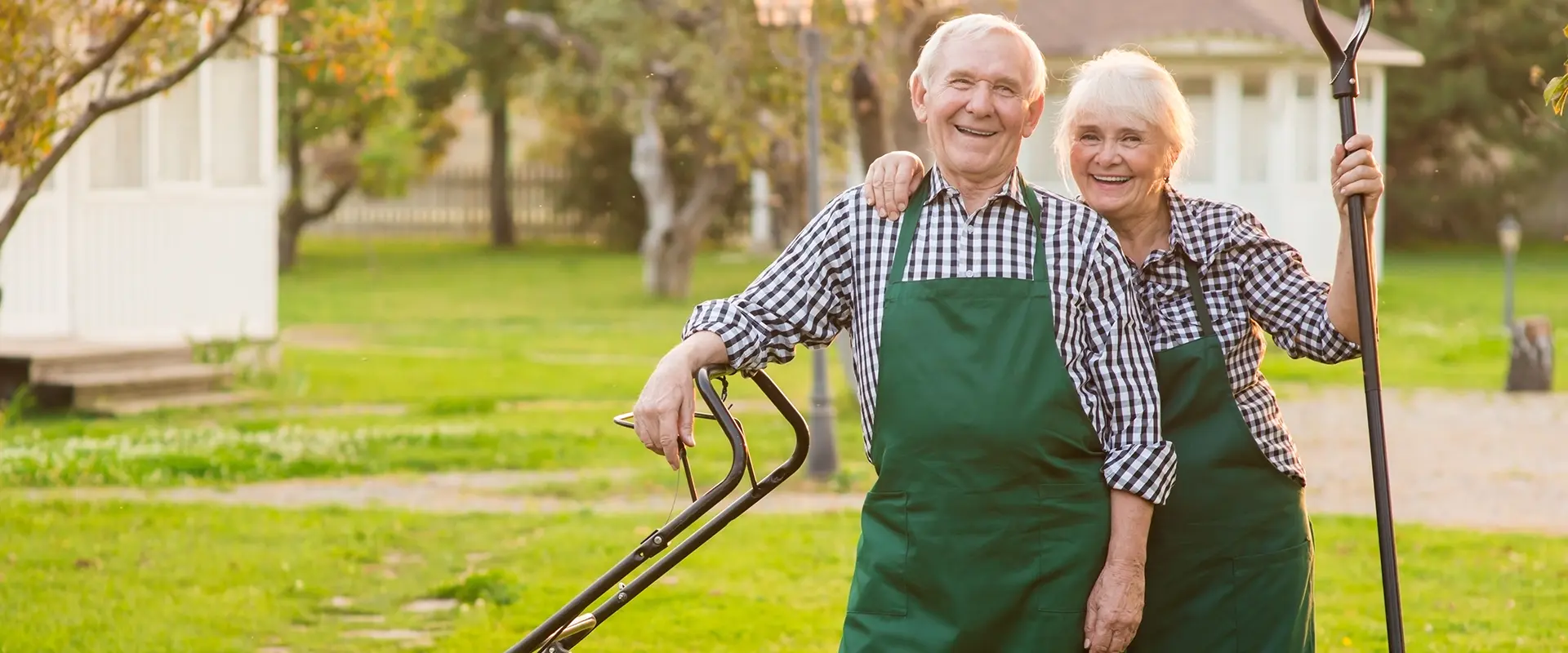

Studies show that physical health and well-being in old age are directly influenced by participation in leisure activities, sports and socializing. Every day we take part in different activities, e.g. self-care, leisure activities, housework, etc. The right balance of activities becomes increasingly important when older people have more free time after retirement.
Seniors who stay active and engaged in activities such as hobbies, regular exercise, travel and relaxation feel happier and healthier overall. An active and intellectually engaged mind appears to reduce the development and progression of many memory disorders and may even improve cognitive abilities. In addition, seniors who stay physically active tend to have more energy and vigor, as well as a lower risk of diabetes, heart disease and other health problems.
The advantages in detail are
Improving health
According to the Global Strategy on Diet, Physical Activity and Health published by the World Health Organization in 2010, older people aged 65 and over should be physically active for at least 150 minutes per week at moderate intensity. Physical activity includes physical activity during leisure time (e.g. walking, dancing, gardening, hiking, swimming), transportation (e.g. walking or cycling), housework, play, sport or planned exercise as part of daily, family and community activities such as cooking and can significantly improve heart function and also muscle and musculoskeletal function and reduce the risk of depression and cognitive decline.
Training of cognitive function
More cognitive activities such as reading newspapers/magazines, using the computer, board/card games, mahjong, writing, calligraphy, drawing, handicraftsplaying musical instruments, arts and crafts can stimulate our brain, exercise cognitive functions and thus increase cognitive reserve, which helps to reduce the risk of dementia.
Strengthening self-confidence
Older people can also take part in voluntary work, e.g. helping weaker people, making regular visits to friends and relatives who are restricted by age or disability or taking part in community social projects. This not only helps others, but also boosts self-confidence and increases a sense of satisfaction.
Here are some ideas for meaningful leisure activities for senior citizens:
Arts and crafts: Want to keep your mind and hands active? Get involved with art, from painting, photography and pottery to crocheting, sewing or embroidery.
Dancing
Occasional dancing improves cardiovascular health and balance and reduces the risk of falls and fractures Plus, a round on the dance floor is associated with a lower risk of dementia - not to mention it's fun and a great opportunity for socializing.
Gardening
The therapeutic benefits of gardening are well-documented by science. Not only is it enjoyable for seniors, but it also provides moderate exercise, stimulates the mind, and allows individuals to connect with nature. In fact, gardening is the most popular leisure activity among seniors aged 65 and older.

Yoga
Yoga reduces stress, minimizes high blood pressure and improves flexibility and balance. This makes it an excellent, low-impact activity for seniors. activity for seniors Many institutions such as adult education centers and recreation centers offer yoga classes.
Cooking
For example, organize international dinner evenings and choose a different country and recipe from that country every evening. Try a dish you haven't tried before. Apart from the sheer joy of cooking, it can help seniors stay alert and improve mental performance.
Swimming
Swimming is a low-impact, muscle-building sport that is ideal for seniors. One hour of water aerobics per week can also improve spinal posture, flexibility and cardiovascular health.
Games evenings
Organize game nights. This promotes social interaction, encourages conversation and laughter and is a constructive leisure activity.
You can find out more about activities for senior citizens in our article 150 activity ideas for senior citizens. Keep fit in old age. Develop a structured daily routine and plan social activities.