
As old age approaches, it's time to lay the foundations for a healthy and active life.
In this blog post, you will find out how you can maintain your quality of life through targeted preventive check-ups, vaccinations and special services such as medical foot care and dentures. We also show you how senior sports, pelvic floor exercises and memory training can help you stay fit and vital. Let us inspire you and discover the opportunities for healthy ageing.
Growing older healthily
An active lifestyle is the key to a healthy old age. Regular exercise not only promotes physical fitness, but also general well-being. Senior sports in particular allow you to stay active in the community and maintain social contacts at the same time. In addition, targeted pelvic floor training supports stability and mobility, which is very important in old age.
Don't forget to exercise your memory too; brain games and puzzles can help maintain mental fitness. By focusing on your physical and mental health, you create a solid foundation for a fulfilling life in old age. Take advantage of the various offers to stay active in a simple way and benefit from the advantages of holistic health care. Remember, it's never too late to start an active lifestyle. By taking small steps, you can improve your quality of life in the long term.
Overview of preventive medical check-ups
Preventive check-ups are of great importance for a healthy and active life in old age. Regular check-ups enable you to identify potential health problems at an early stage and counteract them effectively. The range of examinations includes various areas such as blood pressure measurements, cholesterol tests and cancer screening. These measures not only contribute to early detection, but also support your general health and quality of life.
Take the opportunity to actively take responsibility for your well-being through preventive check-ups. It's never too late to start a healthy future in old age with the right strategy.
As you get older, it is particularly important to have regular check-ups to promote your own health and counteract possible illnesses at an early stage.
Health check-up (every 2 years):
- General examination by the family doctor
- Checking blood pressure, blood lipid levels and blood sugar
Cancer screening examinations:
- Colorectal cancer screening: annual examination (stool test) from the age of 50 and colonoscopy from the age of 55.
- Early detection of breast cancer: mammography for women aged 50 and over every two years.
- Early detection of cervical cancer: Annual gynecological examination from the age of 20.
- Eye examinations:
- Regular check-ups to detect diseases such as cataracts or retinal damage at an early stage.
Preventive dental care:
- Regular check-ups to maintain dental health.
Check vaccination status:
- Booster vaccinations, especially against influenza and pneumococcus.
Bone density measurement:
- Recommended for women after the menopause and for men over 70 for the early detection of osteoporosis.
Dementia screening:
- Assessment of cognitive abilities, especially in the case of abnormalities in memory or behavior.
We recommend that you talk to your family doctor regularly about upcoming check-ups. This will ensure that you receive the best possible medical care in old age.

Vaccinations in old age
Vaccinations play an essential role in your health in old age and help to prevent serious illnesses. They strengthen the immune system and reduce the risk of infectious diseases, which can have serious consequences in old age. It is advisable to regularly check the vaccination recommendations and to have booster vaccinations if necessary in order to maintain vaccination protection. Vaccinations also help to prevent infections and mitigate the progression of various diseases.
The Standing Committee on Vaccination recommends, among other things shingles (herpes zoster) vaccination to all persons over 60.
These include the flu vaccination, the pneumococcal vaccination and protection against shingles. These measures are not only free of charge for insured persons, but also offer professional support from specialists who will provide you with comprehensive advice. It is also advisable to find out about individual recommendations from your doctor, as pre-existing conditions or a weakened immune system may require special vaccination strategies. Take the opportunity to actively look after your health and make an appointment for a vaccination consultation. This will ensure that you have the best possible protection and can continue to lead an active life.
Vaccination recommendations for your health
The Standing Committee on Vaccination (STIKO) makes specific vaccination recommendations for people aged 60 and over in order to increase protection against certain infectious diseases.
Here are the most important vaccination recommendations:
Influenza vaccination:
- Annual vaccination against seasonal flu.
- This is particularly important as older people have a higher risk of severe courses.
- A single vaccination with a vaccine that covers several pneumococcal serotypes (e.g. 13-valent).
- This vaccination protects against severe pneumonia and other pneumococcal diseases.
COVID-19 vaccination:
- Booster vaccinations, especially for the latest virus variants.
- Prevention of severe courses of COVID-19.
Zoster vaccination (shingles):
- Recommended for all persons aged 60 and over to reduce the risk of shingles and its secondary diseases (e.g. post-herpetic neuralgia).
- A vaccine based on a recombinant protein (e.g. Shingrix) is recommended.
Tetanus, diphtheria and whooping cough:
- Booster vaccination every 10 years.
- This is particularly important for protection against these more common diseases.
It is advisable to talk to your GP about these vaccinations to ensure the best protection for your health. You can also check your vaccination record and research which vaccinations may be necessary in the near future.
Medical foot care
Healthy feet are the key to an active lifestyle in old age. Medical foot care plays a key role in preventing complaints such as pressure sores, corns or ingrown nails. These special treatments not only promote the health of the feet, but also improve general well-being in the event of foot complaints. With regular foot care, you can maintain your mobility and prevent falls, which are often associated with injuries.
Professional chiropodists or a podiatrist will analyze your foot structure and give you valuable tips on care and the right choice of shoes. They can also take specific measures to prevent complications in the case of existing conditions such as diabetes mellitus. Pathological changes to the skin of the feet and toenails can be counteracted by professional foot treatment.
Dentures
A radiant smile contributes significantly to your well-being in old age. Dentures play a central role here, as they not only improve aesthetics but also restore the functionality of your teeth. High-quality dentures and implants allow you to enjoy firmer foods and thus promote a balanced diet. In addition, well-fitting denture solutions improve your ability to speak and increase your self-confidence in social interactions.
Regular visits to the dentist are essential for senior citizens to check the condition of their dentures and make any necessary adjustments. Comprehensive advice on the various options for dentures, such as the use of partial dentures or implants, will help you to find the best solution for you. Take advantage of the fact that many dental services are covered free of charge by your health insurance and find out about possible subsidies.
Senior sports
Active senior sports is an indispensable part of a healthy lifestyle in old age. Regular exercise not only promotes physical fitness, but also makes a significant contribution to improving general well-being.
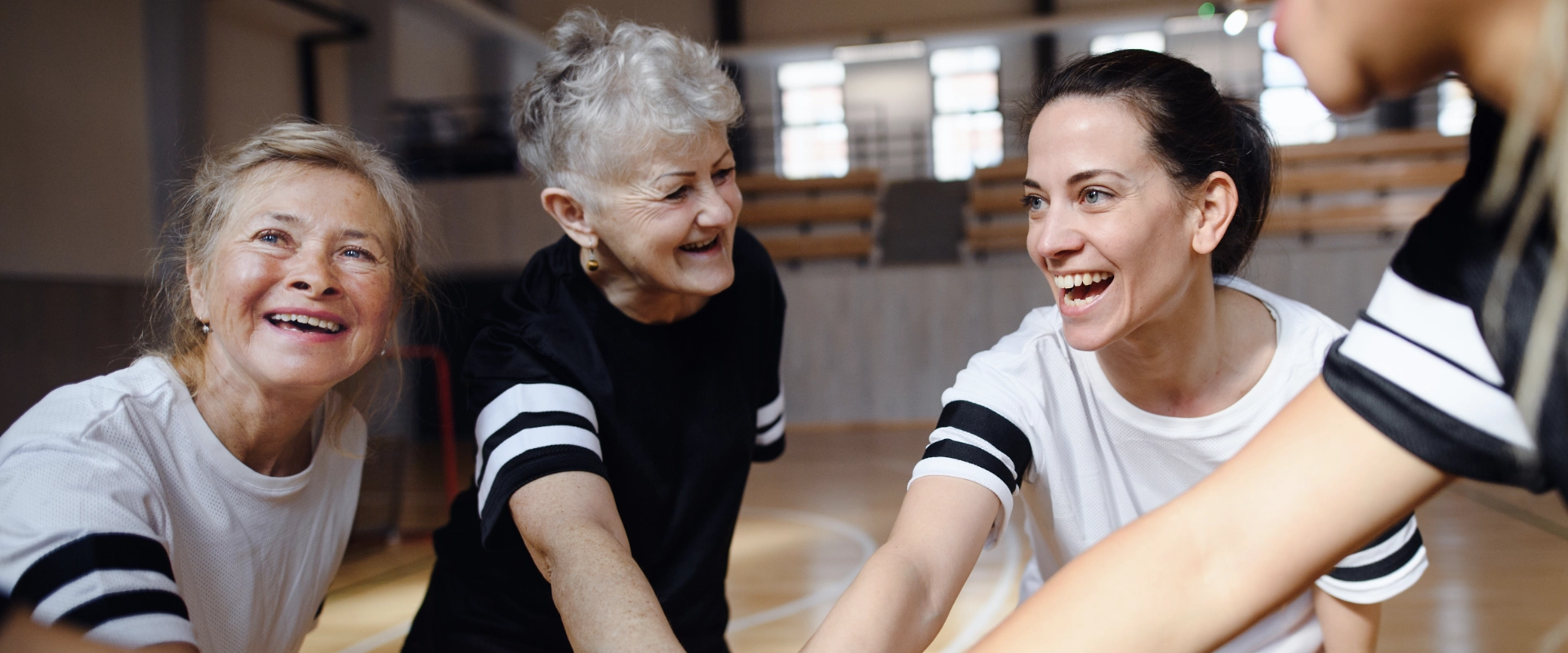
Through targeted sports such as yoga, swimming or Nordic walking, you can improve your mobility and minimize the risk of falls at the same time. You also strengthen your cardiovascular system and support your muscles, which leads to a better quality of life. Exercising in a group is also twice as much fun and promotes social contacts, which are particularly important in old age. Take advantage of the wide range of offers in your area and don't be afraid to seek professional guidance. Individual advice can help you to find the right sport for you, tailored to your needs.
Pelvic floor training
Active pelvic floor training can help you to strengthen your core and significantly improve your quality of life. This often neglected area plays a central role in stability and control in everyday life. Targeted exercises can not only prevent bladder problems, but also improve your general well-being. It is advantageous to train regularly in small units in order to achieve lasting success.
The methods are varied and range from targeted strengthening exercises to relaxing techniques. One example of this is the sustained tensing and relaxing of the pelvic floor muscles, which can be easily integrated into everyday life. In addition, pelvic floor training can take place in groups or under the guidance of experts, which provides additional motivation. Take the opportunity to stay active - your body will thank you for it.
Memory training
Active memory training plays a key role in your mental fitness in old age. Regular exercises not only improve your concentration, but also your memory. Strategies such as puzzles, memory games or learning new skills keep your mind active and contribute to cognitive health. In addition, such training boosts your self-confidence as it enables you to cope with everyday tasks independently. Online courses or group offers provide an excellent opportunity to learn and exchange ideas in a community. Take advantage of the many resources available to actively train your memory. Dedicated memory training can also help to reduce the risk of age-related illnesses.