
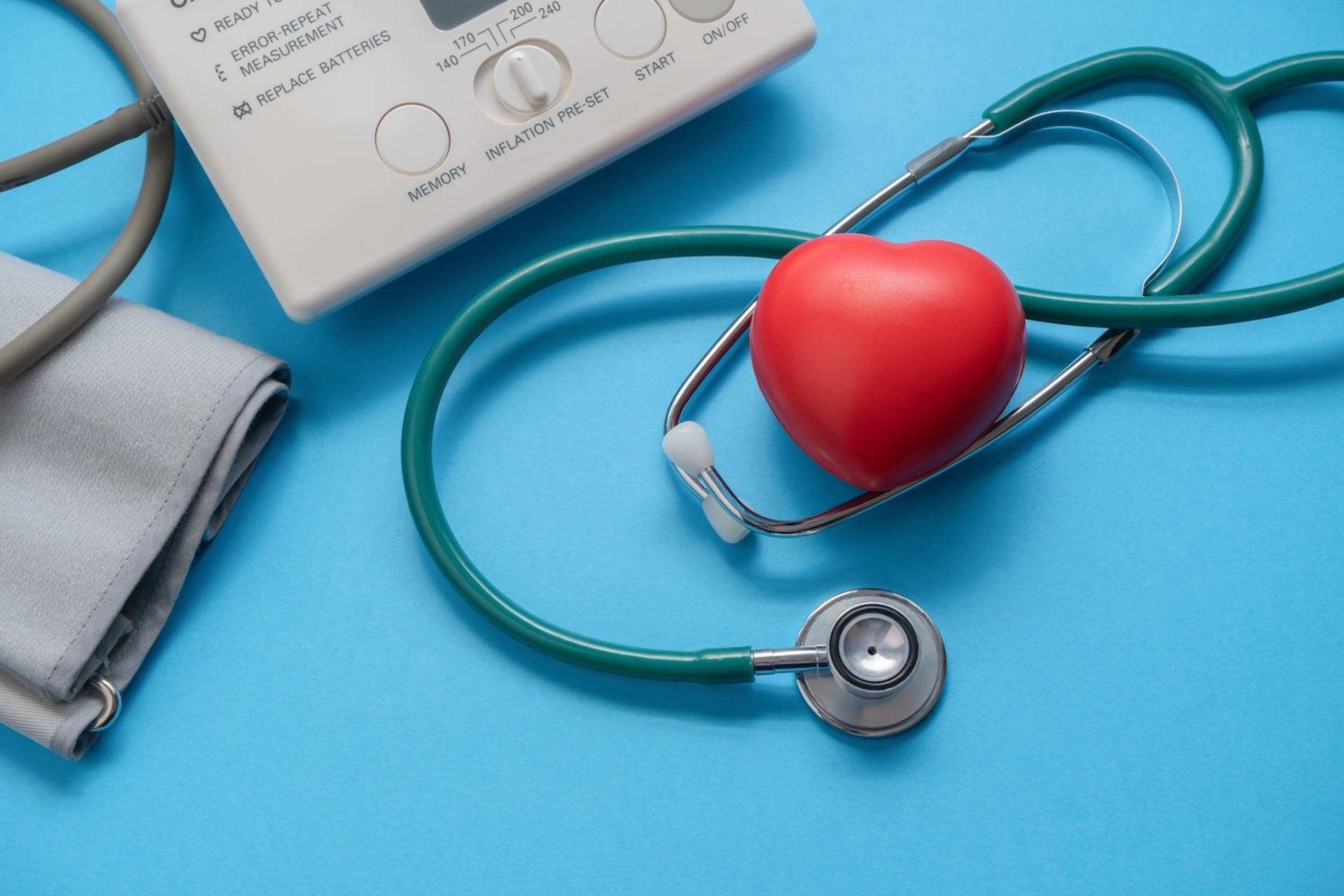

Early in the morning, Ms. Müller is sitting at the kitchen table; her daughter Marie watches with concern as her mother refuses to eat breakfast. “It’s just fatigue,” says Ms. Müller, but Marie is worried. She decides to check her vital signs: pulse, temperature, and blood pressure. What she finds confirms her gut feeling: the pulse is higher than usual, and the temperature is slightly elevated. This moment illustrates how important the continuous monitoring of vital signs is in everyday caregiving and how it plays a crucial role in enabling people to live longer in their familiar surroundings.
An Overview of the Four Classic Vital Signs
The four classic vital signs, which are considered “primary vital signs,” are pulse, blood pressure, respiration, and body temperature. These four parameters allow for a rapid assessment of bodily functions and help detect abnormalities early on, especially in cases of cardiovascular disease.

Monitoring vital signs in home care is an important task that ensures a quick response to serious changes.
| Vital signs | Reference Values (Adults) | Measurement Method |
| Pulse | 60–100 beats per minute | Wrist or neck |
| Blood Pressure | 120/80 mmHg (systolic/diastolic) | Cuff on the upper arm |
| Breathing | 12–20 breaths per minute | Observation of Chest Movement |
| Temperature | 36.5–37.5°C | Oral, rectal, auricular, axillary |
Your pulse reliably indicates how strongly and regularly your heart is beating. In a healthy adult, the resting pulse is about 60 to 100 beats per minute. However, it’s not just the number of beats that matters—it’s also how regular they are. If you notice skipped beats or an irregular rhythm, you should take action.
Blood pressure indicates the force with which blood is pumped through the arteries. This provides information about the strain on the heart and blood vessels. However, physical activity or emotional agitation can skew the results, which is why it is important for the person to remain seated and calm during the measurement.
Breathing is often overlooked as a vital sign of the first order, even though it is one of the simplest ways to assess a person's condition. By observing the chest, one can count the number of complete breaths taken.
The normal range for body temperature is 36.5 to 37.5 degrees Celsius. It can be measured in various ways, including orally, rectally, in the ear, or under the arm. Many family members choose to measure body temperature in the ear because it is simple and quick, and does not cause discomfort to the person being cared for.
Second-Order Vital Signs – Advanced Values
In addition to the traditional vital signs, there are values that are classified as “second-order vital signs.” These are primarily relevant in cases of chronic illness. Second-order vital signs include:
- Blood sugar
- Awareness
- Pain
- Weight
Blood sugar is primarily a concern for people with diabetes is an important value that requires regular monitoring. Unlike measuring your pulse or temperature, blood sugar cannot be determined at a glance. A meter is needed to measure blood sugar using a single drop of blood.
In addition, consciousness is a secondary vital sign. Assessing it is particularly crucial in older adults and when sudden changes occur. A checklist with questions about orientation, response, and behavior is helpful for assessing consciousness.
Pain is also considered a vital sign. It can be an important indicator of changes in the body, but it cannot be measured. In such cases, it is important to ask the affected person about their symptoms and observe them.
Weight is also an important indicator. Especially when there are significant fluctuations over a short period of time, it can be an important warning sign that should not be underestimated or overlooked.
Why Monitoring Vital Signs Is So Important in Everyday Nursing Care
Monitoring vital signs is an important tool in daily nursing care for detecting changes in the health of the person receiving care in a timely manner.
By regularly documenting these values, you can identify deviations that would otherwise go unnoticed in everyday life. Individual normal ranges can vary from person to person, which is why it is all the more important to document personal readings so that fluctuations can be distinguished from abnormalities. This can be particularly relevant in cases of chronic illnesses, where a more severe course of the disease is often accompanied by changes in vital signs before other recognizable symptoms appear.
For family caregivers, regularly monitoring vital signs primarily provides peace of mind and a reliable basis for making informed decisions and drawing conclusions, rather than having to guess how the person they’re caring for is doing. This makes it possible to take early and highly targeted action, rather than having to react only after an acute emergency has occurred.
Practical Guide: How to Measure Vital Signs Correctly and What Matters Most
When monitoring vital signs, the most important thing is to ensure accurate measurements so that the values remain comparable, preventing unnecessary concern or the failure to detect any deterioration. In general, the following guidelines can be followed:
- Rest Periods: Before each measurement, make sure you have taken a rest period. This helps prevent physical exertion or excitement from skewing the results.
- Identical or similar conditions: To ensure that the values are comparable, it is important that they were measured under identical or at least similar conditions. For example, at the same time of day, in a similar posture, or at the same location.
- Time of medication intake: Some medications can have a measurable effect on the pulse or blood pressure, among other things; therefore, care should be taken to ensure that vital signs are measured before taking the medication.
- Documentation: Consistently documenting the results ensures that individual normal values become truly meaningful and that important conclusions can be drawn.
- Proper use of assistive devices: The proper use of medical devices is of great importance for accurately measuring readings. A blood pressure monitor that is wrapped too loosely or too tightly cannot provide reliable information about the patient’s condition.
When Do Readings Become Critical? – Guidance for Family Members
A deviation from normal values is not always a direct cause for concern. This is because vital signs can fluctuate depending on the time of day, physical exertion, or even stress. Therefore, patterns are more important than individual readings.
However, if several abnormalities above normal levels occur at the same time, along with additional symptoms such as confusion, paleness, or severe pain, prompt action is essential.
Tips for Family Members: When to Take Measurements Yourself, and When to Seek Professional Help
If a person’s health is stable, self-monitoring is usually sufficient to obtain information about the most important vital signs. This refers to daily or several times a week checks performed as part of home care.
However, if the readings consistently deviate in the same direction over a long period of time (such as steadily rising blood pressure) or if new symptoms, such as dizziness and severe fatigue, appear, it may be advisable to seek a doctor’s evaluation.
Conclusion: Safety Through Vital Signs—Relief Through Household Help
Vital signs are not only medical measurements, but also a reliable system for detecting changes early enough. Recording them helps ensure that changes are identified and addressed in a timely manner.
However, monitoring and checking key vital signs is only one part of what a person needs to live safely and independently in their own home. Family caregivers shoulder a great deal of responsibility in daily life. A home health aide can step in here. By helping with shopping, housework, or even cooking, they provide relief in areas where family members lack the time.
FAQ:
How often should vital signs be measured as part of daily nursing care?
The frequency depends on the person's state of health. For people with stable vital signs, one measurement per day is often sufficient. If there are changes or in cases of acute illness, vital signs should be measured more frequently.
What should you do if your heart rate suddenly increases for no apparent reason?
Check your vital signs again and record them. If they remain elevated, contact a doctor. Prompt action can be crucial in preventing your condition from worsening.