
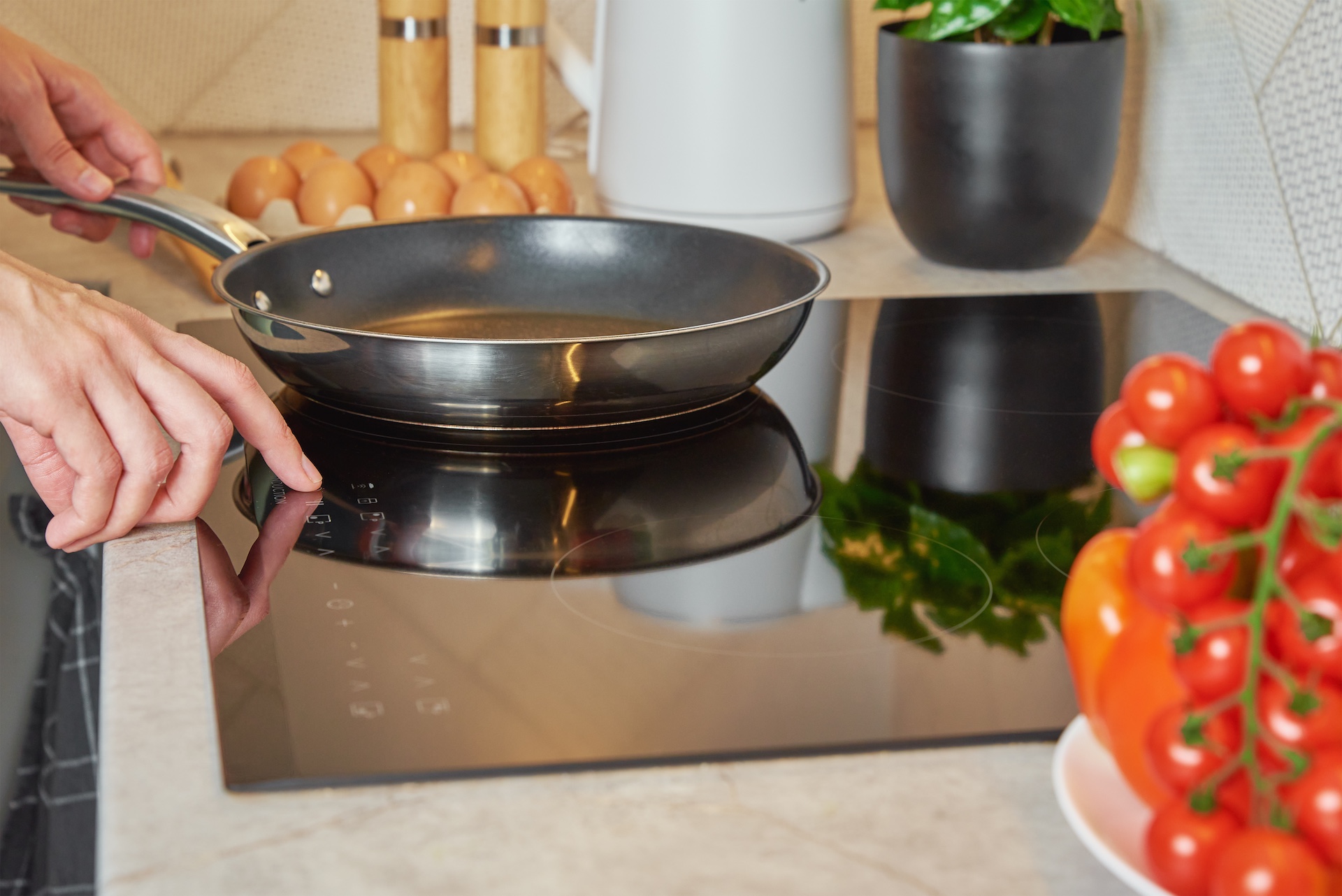

A stove guard is an important safety system for the kitchen that reduces stove fires through preventive measures. It combines sensors and intelligent shut-off mechanisms to ensure a high level of safety. Installation must be performed by a licensed electrician, and costs vary depending on the model and configuration. Health insurance may cover the cost, but a prior request is required.
What is a stove guard?
A stove guard is a technical safety system for the home that monitors the temperature at the stove and cuts off the power supply in dangerous situations to prevent stove fires (Source: https://www.rehadat-gkv.de/produkt/index.html?sys=52.40.03.3001&s3f=s3f). It typically consists of a sensor and a control unit that work together to detect dangerous operating errors or human forgetfulness at the stove early on and respond in a timely manner. This is particularly useful for households that want to make their kitchens safer—such as seniors, people with dementia, busy individuals, and renters (Source: https://www.deutsche-alzheimer.de/mit-demenz-leben/technische-hilfen).
The stove guard is compatible with all electric cooktops but is not suitable for gas cooktops. Because many kitchen fires start at the stove, the system can significantly reduce the risk and prevent major damage.
Components: Sensor, control unit, sensor unit, pushbutton
A stove guard system primarily consists of four components: the sensor, which measures temperature and, if applicable, steam production; the control unit, which evaluates the data and makes decisions; the sensor unit, which integrates the entire system and facilitates installation; and a button that allows the user to operate or reset the device as needed. The control unit is the heart of the system and communicates with the other components to ensure safe operation.
Differences from Smoke Detectors, Heat Detectors, and Timer Plugs
Smoke detectors only detect smoke once a fire has already broken out, whereas a stove guard takes preventive action before a fire can start. Heat detectors only react at high temperatures above 60 °C, whereas the stove guard sounds the alarm and can cut off the power supply even at lower, critical temperatures. Although timer plugs can automatically turn appliances on and off, they offer no protection against unattended cooking or operating errors.
How does the stove guard work?
The stove guard uses a sensor to monitor the temperature and cuts off the stove’s power supply if any irregularities are detected. The sensors are mounted either on the range hood or on the wall to ensure optimal detection of the ambient temperature. The power monitoring unit is professionally installed in the stove’s power supply line. Through continuous temperature monitoring, the stove guard can effectively prevent stove fires.
The sensor continuously measures the temperature and the buildup of steam above the cooktop near the stove. The control unit analyzes this data and detects anomalies, such as an excessive rise in temperature or sustained heat without actual cooking taking place. If a hazardous situation is detected, the stove guard triggers an alarm and cuts off the power to the stove to prevent a fire.
Typical Situations
Typical situations in which a stove guard activates include, for example, when something has been left on a hot stove burner or when there is something unusual on the stove—such as an empty pot on a hot burner or a grease fire. The sensitivity of the stove guard can usually be adjusted to suit individual cooking habits in order to minimize false alarms while ensuring optimal protection.
Smart Home, Remote Monitoring, and Stove Guards
Smart home systems allow the stove guard to be integrated into a comprehensive security plan and offer solutions for remote monitoring and alerts. Through an internet connection, the stove guard’s status can be monitored remotely, for example via a smartphone app. If a hazardous situation is detected, the user receives an immediate alert via email or push notification and can respond accordingly.
Who installs a stove guard?
Installation must be performed by a licensed electrician. The installation requires knowledge of electrical systems and compliance with relevant safety regulations. Improper installation can not only impair the function of the stove guard but also lead to dangerous situations.

Installation Process
The installation process begins with selecting the optimal location for the sensor and the control unit, as well as determining the appropriate mounting method. The sensor is then mounted on the range hood, on the wall, or (if provided by the manufacturer) on the ceiling, ensuring that it is securely fastened. Depending on the system, a magnetic plate can further facilitate secure mounting. The control unit is installed in the stove supply line or the stove junction box. After wiring, a thorough functional test is performed to ensure that the stove guard is working properly.
Why can't you install the stove guard yourself?
Working on the power supply line involves risks and should therefore only be performed by a qualified electrician. Improper installation can lead to short circuits, fires, or other dangerous situations; therefore, professional assistance is also essential for safe commissioning. Only a qualified electrician has the necessary knowledge and tools to ensure a safe and reliable installation.
Cost Factors
The total cost consists of the price of the device, the installation costs charged by a licensed electrician, the brand, the manufacturer, the products, the scope of delivery, shipping, and value-added tax (VAT). Installation costs may vary depending on the scope of work and the region.
Compare prices and review offers
It's a good idea to compare different options and check prices based on the product specifications, reviews, and the results of independent tests. Look for good value for the money and take into account the additional costs for installation.
Does health insurance cover the cost of a stove guard?
Reimbursement depends on the individual case and must be requested in advance from the health or long-term care insurance provider. There is no general rule that guarantees coverage of costs.
Seniors and people with dementia, who can particularly benefit from the safety features of a stove guard, should check with their health insurance provider or long-term care insurance provider. Family members can also inquire on behalf of their loved ones.
Frequently asked questions (FAQ)
What is a stove guard?
A stove guard is a technical safety system for the home designed to prevent stove fires. It consists of a sensor and a control unit that detect human forgetfulness or dangerous operating errors and prevent fires by cutting off the power supply.
How does the stove guard work?
The stove guard monitors the temperature on the stove using a sensor and cuts off the power supply if critical levels are exceeded. The sensors are mounted on the range hood or wall.
Who installs the stove guard?
Installation must be performed by a licensed electrician, as it requires work on the power supply line. To ensure safety, do-it-yourself installation is not permitted.
How much does a stove guard cost?
Basic stove guards start at around €120, while brand-name products cost about €350, plus installation. Prices vary depending on the model and features.
Does health insurance cover the stove guard?
It is possible to submit a request for coverage to the health insurance provider , which will be reviewed on a case-by-case basis.
How can a home care aide support seniors or people with dementia?
A home care aide plays a key role in supporting seniors or people with dementia, especially when it comes to safety in the kitchen. Through their presence and support, they can help minimize risks and enhance well-being. A stove guard is a valuable addition in this regard, but it does not replace personal care.
For example, a home care aide can assist with cooking to ensure that the stove is not left unattended. She can prepare ingredients, help stir the food, or keep an eye on the stove while the senior or person with dementia cooks on their own, provided they are still able to do so. Even simply reminding them to turn off the stove or checking the burners after cooking can be a great relief.
Through careful observation, a home care aide can detect changes in the behavior or cooking habits of a senior or a person with dementia and raise the alarm early on if there is an increased risk. She can also help create a safe and familiar environment in which the person feels comfortable and secure.