

Inflammation is a natural reaction of our body to harmful influences, such as pathogens, injuries or environmental toxins. However, if these inflammatory reactions do not subside but persist, they can become a danger to our health. Chronic inflammation is now considered to be one of the main triggers for a number of modern diseases, including rheumatism, type 2 diabetes, cardiovascular diseases, multiple sclerosis and many more.
What many people don't know: Our diet plays a decisive role in this. Certain foods promote inflammation in the body, while others act as natural anti-inflammatories. This is exactly where an anti-inflammatory diet comes in: It helps to regulate harmful processes in the body, support the immune system and strengthen health in a natural way.
In this magazin , we show you how you can specifically counteract inflammation with the right food. You will find out which foods are helpful, what you should avoid and how an anti-inflammatory diet can be easily integrated into everyday life, especially in the case of chronic illnesses and with support at home.
What is inflammation in the body?
Inflammation is a natural reaction of the body to "intruders" such as bacteria, viruses or injuries. These inflammatory processes help the immune systemto fight pathogens and repair damaged tissue. In their acute form, they are therefore an important part of our self-healing powers.
However, it becomes problematic when there is chronic inflammation in the body, i.e. inflammatory reactions that smoulder unnoticed over a long period of time. This type of inflammation can lead to numerous diseases, including rheumatism, type 2 diabetescardiovascular diseases or multiple sclerosis.
Basics of anti-inflammatory nutrition
The anti-inflammatory diet aims to provide the body with foods that contain anti-inflammatory ingredients while avoiding substances that promote inflammation. It is not a short-term diet, but a sustainable nutritional concept to improve health and well-being.
This diet is based on a natural, plant-based and nutrient-rich diet. Secondary plant substances, omega-3 fatty acids, antioxidants and certain vitamins, such as vitamin C, play a major role. At the same time, excessive consumption of sugar, fat, meat and highly processed products is avoided.
The role of nutrition in inflammatory processes
Our diet directly influences how our immune system works and whether inflammation is promoted or inhibited. Certain foods contain substances that promote inflammation, such as saturated fatty acids, refined sugar or trans fats.
Others act as natural anti-inflammatories. They can bind harmful free radicals, have a positive effect on cell metabolism and bring the system back into balance. Choosing the right foods can therefore make a decisive contribution to preventing and alleviating inflammation-related illnesses.

Anti-inflammatory foods: what do they include?
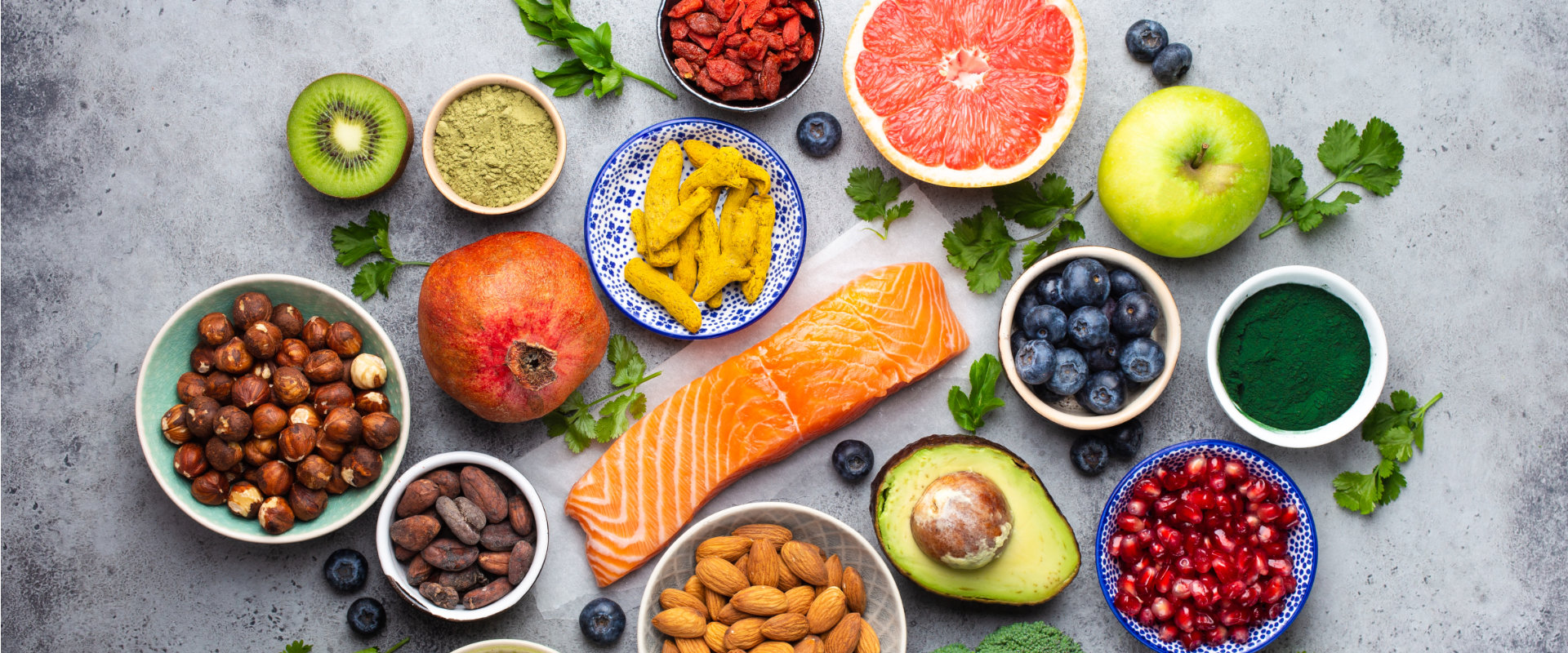
The most important anti-inflammatory foods include:
- Fruit and vegetables
- Fatty fish
- Vegetable oils
- Spices such as turmeric and ginger
- Nuts and seeds
- Wholemeal products
- Unsweetened tea
These foods contain valuable plant substances, omega-3 fatty acids, fiber, vitamins and antioxidants, which actively contribute to the containment of inflammatory processes in the body.
Foods and substances that promote inflammation
Some foods are suspected of promoting inflammation, especially when consumed regularly and in excess:
- Sugary drinks and sweets
- Deep-fried food
- Red and processed meat
- Ready meals
- White flour products
- Alcohol
- Omega 6 fatty acids in excess
In particular, the ratio between omega-6 and omega-3 fatty acids is crucial. While omega 3 has an anti-inflammatory effect, too much omega 6 can have the opposite effect.
Anti-inflammatory eating in everyday life: tips for those affected
For many people with chronic inflammation, the question arises: how can an anti-inflammatory diet be implemented in everyday life?
Here are some practical tips:
- Buy lots of fresh fruit and vegetables (preferably regional and seasonal)
- Include a portion of oily fish such as salmon or mackerel every day
- Use vegetable oils such as linseed oil or olive oil for cooking
- Use herbs and spices generously
- Reduce ready meals and prefer to cook yourself
- Drink teas and water instead of sweet drinks
- Use household helpers to assist with shopping and cooking
Anti-inflammatory nutrition and typical diseases
Many diseases are directly linked to various lifestyle factors and the resulting inflammation in the body. An adapted diet can not only prevent, but also support treatment:
Chronic inflammation - causes and symptoms
Tiredness, fatigue, joint pain, gastrointestinal problems or difficulty concentrating - these can all be symptoms of chronic inflammation. These "silent inflammations" often go unnoticed for a long time and are only recognized as the disease progresses.
Omega 3 fatty acids and their role in inflammation
These polyunsaturated fatty acids are among the most important components of an anti-inflammatory diet. They are found in fish, linseed, walnuts and certain oils and have an anti-inflammatory effect on cell processes.
Fruit and vegetables as natural anti-inflammatories
Vegetables and fruit are rich in antioxidants, vitamin C and other protective substances. Colorful vegetables, such as tomatoes, broccoli or berries, which have a high content of secondary plant substances, are particularly effective. These so-called secondary plant substances, which include flavonoids, carotenoids, polyphenols and glucosinolates, are bioactive substances that serve to protect the plant against external influences and can perform a similar function in the human body.
They have an antioxidant effect, i.e. they help to neutralize free radicals. These aggressive molecules are produced in the body as a result of stress, an unbalanced diet, environmental pollution or illness and can promote inflammation in cells and tissues. Antioxidants therefore make a significant contribution to reducing these harmful processes and protecting the body from further damage.
The more colorful the vegetables or fruit, the greater the variety of health-promoting ingredients. Red varieties such as tomatoes and peppers, for example, contain lycopene, a powerful antioxidant with an anti-inflammatory effect. Green vegetables such as broccoli, spinach or kale provide important glucosinolates, folic acid and chlorophyll, which strengthen the immune system. Yellow and orange vegetables such as carrots or pumpkin contain a lot of beta-carotene, which the body can convert into vitamin A. Blue and purple fruits, such as blueberries, eggplants or red grapes, are particularly rich in anthocyanins, which are considered potent cell protectors. Together, all of these ingredients act as natural anti-inflammatories, which relieve the body in the long term and can help prevent chronic diseases.
Fruit also provides numerous valuable nutrients, including vitamin C, potassium, fiber and phytochemicals. Berries in particular, such as raspberries, blackberries and blueberries, are little powerhouses with a high antioxidant effect. However, as fruit also contains fructose, it should be consumed in moderation but regularly, ideally two portions a day, supplemented by at least three portions of vegetables.
Correct storage and preparation also play an important role in preserving the sensitive vitamins and plant substances. Fresh, preferably seasonal and regional vegetables have the highest nutrient content. When cooking, gentle cooking, such as steaming or stewing, is recommended instead of long boiling or deep-frying. Raw food, for example in the form of salads or smoothies, is also a real opportunity to take full advantage of the substances it contains.
If you make sure you eat enough fruit and vegetables every day, you not only support your own immune system, but can also actively contribute to reducing inflammation in the body. A varied, natural diet is therefore an important part of any anti-inflammatory diet and an effective measure for more health, vitality and well-being in everyday life.
Secondary plant substances - little helpers with a big effect
Secondary plant substances are natural components in fruit, vegetables, nuts and pulses. They protect the cells from harmful influences, support the immune system and actively combat inflammation. These substances are not vital like vitamins, but they are of great importance to health, especially when it comes to regulating chronic inflammation in the body.
Vitamins, minerals and antioxidants against inflammation
Vitamins and trace elements play an important role in the body's defense against inflammation. Vitamins C, D and E as well as zinc and selenium help the body to protect itself from harmful influences and slow down inflammatory processes. A balanced diet with plenty of fresh fruit, vegetables, nuts and seeds provides these important nutrients in their natural form.
Turmeric, ginger & co. - seasoning against pain
Spices such as turmeric and ginger are more than just flavor carriers. They contain powerful anti-inflammatory agents such as curcumin, which can help with joint pain and rheumatic diseases in particular. If you regularly cook with these spices, you naturally support your body in the fight against inflammation.
Sugar, processed meat and convenience products - the silent inflammation promoters
A high consumption of sugar, red meat, fried foods and highly processed foods can increase inflammation in the body. These foods put a strain on the metabolism, promote the formation of free radicals and can fuel inflammatory processes in the body. It is therefore worth eating such products in moderation or, even better, replacing them with healthier alternatives.
Good fats instead of bad fats - omega 6 vs. omega 3
Not all fats are the same. While omega 3 fatty acids from fish, linseed or walnuts have an anti-inflammatory effect, an excess of omega 6 fatty acids (from sunflower oil or ready meals, for example) can have the opposite effect. The right balance of these fatty acids is crucial for a healthy diet.
Type 2 diabetes - diet makes all the difference
Many people with type 2 diabetes also suffer from silent inflammation in the body. A targeted diet can help here: Less sugar, more fibre, healthy fats and lots of vegetables - this stabilizes blood sugar levels and reduces the risk of secondary diseases.
Rheumatism - relieving pain through nutrition
Rheumatic Rheumatic diseases are often accompanied by painful inflammation in the joints. An anti-inflammatory diet has been proven to alleviate symptoms. Omega-3 fatty acids, plenty of colorful vegetables and avoiding inflammation-promoting foods such as sausage, sugar and alcohol are particularly important.
Multiple sclerosis - influencing inflammation in a targeted manner
Inflammation in the nervous system also plays a central role in multiple sclerosis (MS). Studies suggest that a diet rich in anti-inflammatory foods, such as green leafy vegetables, berries, nuts and spices, can have a positive effect on the course of the disease.
Strengthen the immune system - avoid inflammation
A strong immune system recognizes inflammation at an early stage and fights it. Diet plays a key role in this: if you regularly eat fresh vegetables, fruit, high-quality fats and fermented foods such as yogurt or sauerkraut, you strengthen your body's own defenses in a natural way.
Cardiovascular diseases - inflammation as a risk factor
Chronic inflammation is considered a key factor in heart attacks, stroke or arteriosclerosis. An anti-inflammatory diet can help to significantly reduce these risks. Healthy fats, lots of vegetables and less processed foods are particularly effective.
Tea - gentle help for inflammation
Many types of tea contain polyphenols, which have an antioxidant and anti-inflammatory effect. Green tea, turmeric tea, ginger tea and herbal teas such as camomile or fennel are particularly recommended. Two to three cups a day is an easy contribution to an anti-inflammatory diet.
Vegetable oils, seeds and nuts - good sources of fat with an effect
Linseed oil, walnuts, chia seeds, hemp seeds and almonds provide valuable fats, omega 3, fiber and phytochemicals. They promote a healthy metabolism and also have an anti-inflammatory effect. A handful of nuts or a spoonful of high-quality oil a day can already make a difference.
Fruit and vegetables - selection and combination make the difference
The right choice and preparation are important for fruit and vegetables to develop their full effect. Look for freshness, a variety of colors and as little processing as possible. Gentle steaming preserves vitamins, while frying can destroy them. Combining different varieties also ensures a broad spectrum of valuable ingredients.
Meals suitable for everyday use for greater well-being
Eating anti-inflammatory doesn't have to be complicated. Plan simple dishes with fresh ingredients. For example, how about a lentil salad with oven vegetables, grilled fish and an olive oil and lemon dressing? Smoothies, soups and stir-fries are also easy to make anti-inflammatory.
Lifestyle and inflammation - the holistic view
In addition to diet, other factors also play a role in chronic inflammation: Exercisesufficient sleep, stress reduction and social contacts are important building blocks for a healthy life. If you take these aspects into account, you create optimal conditions for the body to regulate itself and avoid inflammation in the long term.
Scientific studies on the effect of anti-inflammatory nutrition
Numerous studies confirm the positive effect of an anti-inflammatory diet on chronic diseases. Research shows that a plant-based, balanced diet reduces the risk of many inflammatory diseases and improves existing symptoms.
Prevention through nutrition: what can we do?
Even without an acute illness, an anti-inflammatory diet is worthwhile as a preventative measure. Conscious food choices, more home preparation and fewer processed products can do a lot for your health in the long term, in a way that is suitable for everyday use and effective.
Support with household help and nutrition in everyday life
Older or sick people in particular benefit from home helpers who help with shopping, cooking or planning. Good cooperation can ensure that healthy and suitable meals are put on the table, even with limited mobility.
Example of an anti-inflammatory meal plan
- Breakfast: porridge with berries, walnuts and linseed
- Lunch: Baked vegetables with quinoa and herb dip
- Snack: unsweetened tea and an apple
- Dinner: Salmon fillet with broccoli and sweet potato puree
Questions for the doctor or nutritionist
- Which foods should I avoid in particular if I am ill?
- Are there certain nutrients that I am lacking?
- What type of diet is realistic for my everyday life?
Tips for shopping for anti-inflammatory foods
- Give preference to seasonal products
- Check ingredient lists for hidden sugar
- Look for high-quality oils and fresh herbs
- Using frozen vegetables as a healthy alternative
What support can a home help provide?
A healthy and balanced diet starts with the purchase of fresh ingredients. It is helpful to receive targeted support, be it in the form of shopping lists, seasonal recommendations or assistance with shopping in order to select high-quality, fresh products. Having the right ingredients in the house also makes preparing meals much easier and more enjoyable.
There is often a lack of time or inspiration in everyday life to eat a balanced diet. Sensitive support with food preparation, for example through cooking together or simple step-by-step instructions, can make all the difference here. Equally important is sound advice on uncomplicated, healthy recipes that require little time and are nevertheless rich in nutrients. This makes it easier to rediscover the joy of cooking.
Motivation also plays a central role. Through positive impulses, a small sense of achievement and routines suitable for everyday life, regular, healthy eating becomes an enrichment rather than a burden. The aim is to establish nutrition as part of a holistically healthy lifestyle.