

Thrombosis is a serious condition characterized by the formation of blood clots in the blood vessels and poses considerable health risks. The causes range from injuries and lack of exercise to genetic factors and certain diseases.
Symptoms include swelling, pain and redness, while venous and arterial thrombosis pose different health threats. Early diagnosis and individualized treatment, including medication, therapy and compression therapy, are crucial to avoid complications such as pulmonary embolism. Preventive measures such as regular exercise, a healthy diet and stress management can significantly reduce the risk of thrombosis.
Read on to find out how you can actively contribute to improving your health and what steps you need to take to effectively prevent thrombosis.
Overview: What is thrombosis?
A thrombosis is a complete or partial blockage of a blood vessel caused by a blood clot, also known as a thrombus, blood clot, or coagulation. Thrombosis can occur in both the deep veins of the legs, known as deep vein thrombosis, and in the superficial veins.
The dangers of thrombosis should not be underestimated, as it can have serious consequences such as a pulmonary embolism. In this case, the thrombus detaches and travels to the lungs, which can lead to serious health problems.
It is crucial to recognize the signs of thrombosis at an early stage. Typical symptoms include pain, swelling and discoloration of the skin. Rapid diagnosis and treatment are of great importance in order to avoid serious complications.
Thrombosis: Causes and risk factors
The causes of thrombosis can be varied and complex. These include blood clotting disorders, vascular changes and blood flow disorders. Identifying these causes is crucial for the prevention and treatment of thrombosis.
Risk factors play a significant role in the development of thromboses. The most common risk factors include age, gender, lack of exercise, an increased tendency to clot and genetic predispositions. Awareness of these risk factors is important in order to take appropriate measures to prevent thrombosis and reduce the likelihood of developing the disease.

In addition, certain diseases, such as cancer or autoimmune diseases, can contribute to the development of thrombosis. These diseases can significantly increase the risk and require special attention.
It is also important to consider certain situations in which the risk of thrombosis is greatly increased. These include long air travel or periods after surgery where mobility is restricted. In such cases, a preventive approach, such as frequently changing position or wearing compression stockings, is advisable.
Knowledge of these causes and risk factors is essential in order to take proactive measures and protect health.
Types of thrombosis
There are different types of thrombosis, including venous and arterial thrombosis. Venous thrombosis often occurs in the deep veins of the legs and is known as deep vein thrombosis (DVT). This form can pose serious health risks, particularly if the clot dislodges and travels to the lungs, which can lead to a pulmonary embolism. Superficial vein thrombosis, on the other hand, is usually the result of varicose veins and affects the superficial veins.
Arterial thrombosis, on the other hand, affects the arteries and can lead to a heart attack or stroke as it interrupts blood flow to vital organs. The distinction between these two types is crucial for the treatment and management of the disease.
- Venous thromboses (e.g. deep vein thrombosis (DVT))
- Arterial thromboses (e.g. heart attack, stroke)
Early detection of thrombosis is essential to avoid serious complications. In the next section, we will look at the diagnosis of thrombosis and explain the common methods used to identify this condition.
Forms of thrombosis
There are various forms of thrombosis, which differ in their development and effects. Acute thrombosis occurs suddenly and often manifests itself through severe symptoms such as pain and swelling in the affected areas. This form of thrombosis often requires immediate medical intervention to avoid complications.
In contrast, chronic thrombosis develops over a longer period of time. This form can lead to long-term damage to the veins and arteries, which can significantly affect the quality of life of those affected. Chronic thrombosis often goes unnoticed until it causes significant health problems.
There are also specific forms of thrombosis that occur in connection with certain diseases or situations. For example, thrombosis can occur with cancer, as tumors often release clotting factors that promote the formation of thrombi. There is also an increased risk of thrombosis after surgical procedures, especially if the patient's mobility is restricted.
Overall, understanding the different forms of thrombosis and their causes is crucial for effective prevention and treatment. Early detection and adequate treatment can help to avoid serious complications and protect the health of those affected.
Deep vein thrombosis
Deep vein thrombosis (DVT) is the most common form of thrombosis and occurs in the deep veins of the legs. This condition can be associated with significant symptoms, including pain, swelling and discoloration of the skin. Recognizing the signs of deep vein thrombosis is crucial to enable timely treatment. Early action can prevent serious consequences such as pulmonary embolism, which can result from the detachment of a thrombus.
There are many causes of deep vein thrombosis. Lack of exercise, an increased tendency to clot and genetic factors often play a role. People who spend a lot of time sitting down or move less due to health restrictions are particularly at risk. Genetic blood clotting disorders can also increase the risk.
Awareness of the symptoms and risk factors of deep vein thrombosis is essential in order to take appropriate preventative measures and seek timely medical assistance. Appropriate early detection and treatment are key to maintaining health and avoiding possible complications.
Symptoms of thrombosis
The symptoms of thrombosis can be diverse and vary in their severity. The most common signs include pain, swelling, discoloration of the skin and, in some cases, fever. Recognizing these symptoms is crucial in order to initiate timely treatment and avoid possible complications.
The symptoms of thrombosis can vary depending on the type and severity of the condition. While acute thromboses often occur suddenly and can cause severe pain, the symptoms of chronic thromboses are often more subtle and develop over a longer period of time.
It is very important to know both the symptoms and the specific signs of thrombosis. Acting quickly and consulting a doctor are essential in order to make the correct diagnosis and receive appropriate treatment. Early intervention can not only protect the health of those affected, but also prevent serious complications such as a pulmonary embolism.
Thrombosis prophylaxis
There are various ways to prevent thrombosis. The most effective strategies include regular exercise, a healthy diet and avoiding risk factors. Active lifestyles promote blood circulation and reduce the risk of blood clots in the veins.
Understanding and knowing the risk factors is crucial in order to take appropriate measures to prevent thrombosis and reduce the likelihood of developing the disease. These risk factors include lack of exercise, obesity, smoking and certain genetic predispositions.
Furthermore, the prevention of thrombosis can be supported by specific medication and aids such as compression stockings. These help to increase the external pressure on the veins, improve blood flow in the legs and thus reduce the risk of thrombosis.
Regular visits to the doctor are also important to monitor health and identify potential risk factors at an early stage. A doctor can recommend individual prevention strategies and help to promote a healthy lifestyle.
Thrombosis self-test
There are several ways to perform a thrombosis self-test to check for possible signs and symptoms of thrombosis. The basic methods include careful observation of symptoms such as pain, swelling and skin discoloration. Recognizing these symptoms is crucial to enable timely treatment and prevent serious complications.
The thrombosis self-test can also be supported by specific questions and checks that help to identify risk factors. Questions about your exercise habits, diet, previous illnesses or family history of thrombosis can provide valuable information. Knowledge of personal risk factors is important in order to better assess individual risk.
However, it is important to emphasize that the thrombosis self-test should not be used as a substitute for professional medical diagnosis and treatment. If thrombosis is suspected or symptoms are noticeable, it is essential to consult a doctor as soon as possible. Only a medical professional can make an accurate diagnosis through targeted examinations and initiate the necessary treatment steps.
Post-thrombotic syndrome
Post-thrombotic syndrome is a possible consequence of deep vein thrombosis and can have a significant impact on the quality of life of those affected. It is caused by long-term damage to the veins and arteries that can occur as a result of the thrombosis. Typical symptoms of post-thrombotic syndrome include pain, swelling and discoloration of the skin, particularly in the affected leg area.
Early detection and treatment of post-thrombotic syndrome is of great importance in order to alleviate symptoms and improve health. Adequate therapy can help to counteract the symptoms and minimize the damage that remains.
The treatment of post-thrombotic syndrome can be supported by various methods. These include wearing compression stockings, which can promote blood flow in the veins and reduce swelling. Physiotherapy can also be helpful to improve mobility and strengthen the muscles. In some cases, medication may be prescribed to relieve pain and improve venous circulation.
Diagnosis and treatment of thrombosis
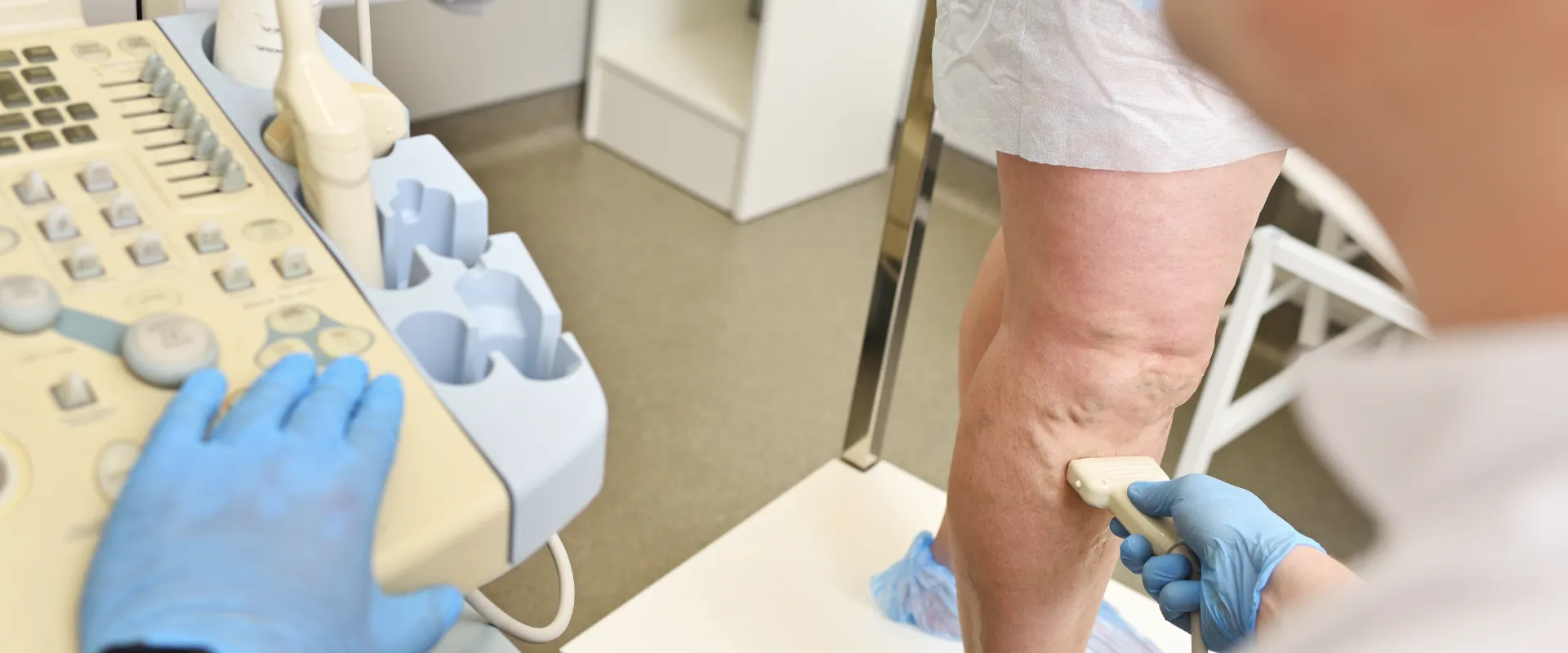
Thrombosis is diagnosed using various medical methods that make it possible to precisely identify the disease. The most common procedures include ultrasound examinations, which provide an image of the blood vessels, as well as X-rays and special blood tests, which can provide information about the coagulation status of the blood. A precise diagnosis is crucial in order to initiate the appropriate treatment steps.
The treatment of thrombosis can be supported in various ways. The most common methods include medication that inhibits blood clotting and thus reduces the risk of complications. In addition, compression stockings can be used to promote blood flow and reduce swelling. Physiotherapy also plays an important role in improving mobility and increasing circulation.
It is very important that the treatment is carried out by a doctor. Only medical professionals can recommend the best possible therapy and ensure that all measures are tailored to the individual needs of the person concerned.
In addition to drug treatment, certain devices, such as compression stockings, and invasive procedures, such as thrombectomy to remove the blood clot, can also be used. These comprehensive approaches not only help with acute treatment, but also contribute to the prevention of long-term consequences.
Thrombosis: Drug therapy
The most common form of treatment for thrombosis is drug therapy, in particular the use of blood thinners (anticoagulants). These drugs prevent the further formation of blood clots and reduce the risk of pulmonary embolism or other serious complications.
The most commonly used anticoagulants include
- Heparin: This drug is often used in a hospital setting as it is fast-acting and administered intravenously or subcutaneously. Heparin is particularly effective for acute thrombosis and is often used to bridge the gap until oral anticoagulants are discontinued.
- Warfarin: This oral anticoagulant is often used for the long-term treatment of thrombosis. It requires regular monitoring of blood coagulation values (INR) to ensure that the patient remains within the therapeutic range.
- Direct oral anticoagulants (DOACs): These newer drugs, such as rivaroxaban or apixaban, offer the advantage of being easier to use as they do not require regular blood tests. They are also very effective in the prevention and treatment of thrombosis.
The choice of anticoagulant depends on various factors, including the type and severity of the thrombosis as well as individual patient factors such as concomitant diseases and other medications.
Compression therapy
In addition to drug treatment, compression therapy also plays an important role, particularly in the case of venous thrombosis. Compression stockings help to improve venous return and reduce swelling. They exert pressure on the legs, which promotes blood circulation and blood flow and reduces the risk of recurrence of thrombosis. This form of therapy is particularly important for patients with chronic venous insufficiency or after a deep vein thrombosis.
Interventional procedures for thrombosis
In severe cases or if drug therapy is not sufficient, interventional procedures may be necessary. These include
- Thrombolysis: In this method, a drug is administered to dissolve the blood clot. This can be life-saving in acute situations, but must be carefully considered as it also carries risks.
- Thrombectomy: This is a surgical procedure to remove the blood clot from the affected vessel. This measure is usually only considered in special cases when other therapies have not been successful or when there is an acute threat.
Aftercare and rehabilitation
Aftercare plays a crucial role in the treatment of thrombosis. Patients should be monitored regularly by a doctor to ensure that the therapy is effective and to identify possible side effects at an early stage. Rehabilitation measures can also be useful to promote mobility and minimize the risk of further thromboses. This includes targeted exercise programs and training in the correct management of risk factors.
Prevention of thrombosis
Preventive measures are crucial to minimize the risk of thrombosis. The importance of prevention cannot be emphasized enough, as many thromboses remain asymptomatic and are only detected in the event of serious complications such as a pulmonary embolism or stroke.
A proactive approach to health promotion can help to significantly reduce the likelihood of the disease. This section presents various strategies for preventing thrombosis that can be easily integrated into everyday life.
Movement and activity
Regular exercise is one of the most effective methods of preventing thrombosis. Physical activity promotes blood circulation, which reduces the risk of blood clots forming. This is particularly important for people who spend a lot of time sitting down, whether due to an office job or prolonged travel.
It is recommended to aim for at least 150 minutes of moderate physical activity per week. This can take the form of walking, cycling or swimming. For seniors, targeted physiotherapy or special exercise programs can also be helpful to maintain and promote mobility.
Healthy diet
A balanced diet also plays an important role in the prevention of thrombosis. Certain foods can help to regulate blood clotting and reduce inflammation in the body.
A diet rich in fruit, vegetables, wholegrain products and healthy fats (such as olive oil or fish) not only supports general health, but can also reduce the risk of vascular disease. In addition, foods high in saturated fats and sugars should be reduced as they can increase the risk of obesity and related diseases.
Recognize and minimize risk factors
It is important to be aware of the personal risk factors that can contribute to the development of thrombosis. These include obesity, smoking, diabetes and certain genetic predispositions. A healthy lifestyle aimed at minimizing these risk factors is crucial.
Quitting smoking is one of the most effective measures for improving general health and reducing the risk of thrombosis. In addition, regular medical check-ups should be sought in order to identify and treat potential health problems at an early stage.
Avoid sitting or standing for long periods
For people who often have to sit or stand for long periods of time - for example when working in an office or traveling - it is important to take regular breaks. Stand up, stretch or take short walks to promote blood circulation. For longer journeys, special compression stockings can be helpful to support venous return and prevent swelling.
Stress management
Stress can also have an impact on health and should therefore not be neglected. Techniques such as meditation, yoga or breathing exercises can help to reduce stress and thus lower the risk of cardiovascular disease. A balanced lifestyle with sufficient sleep and time for relaxation is essential for general health.
By implementing these preventive measures, you can actively help to reduce the risk of thrombosis. It is important to incorporate these strategies into your everyday life and, if necessary, talk to a doctor about individual measures. In the next section, we will look at lifestyle changes that can help to further reduce the risk.