
Falls are one of the most common dangers for senior citizens in old age and can have serious consequences for their health and quality of life. In this article, you will learn how targeted fall prevention can minimize the risk and promote independence. Important strategies include adaptations to the living environment, regular physical activity and risk awareness training. It also highlights the role of professional support from caregivers and the use of technological aids to enable a safe and active life in old age.
Fall prevention: an important aspect of safety in everyday life
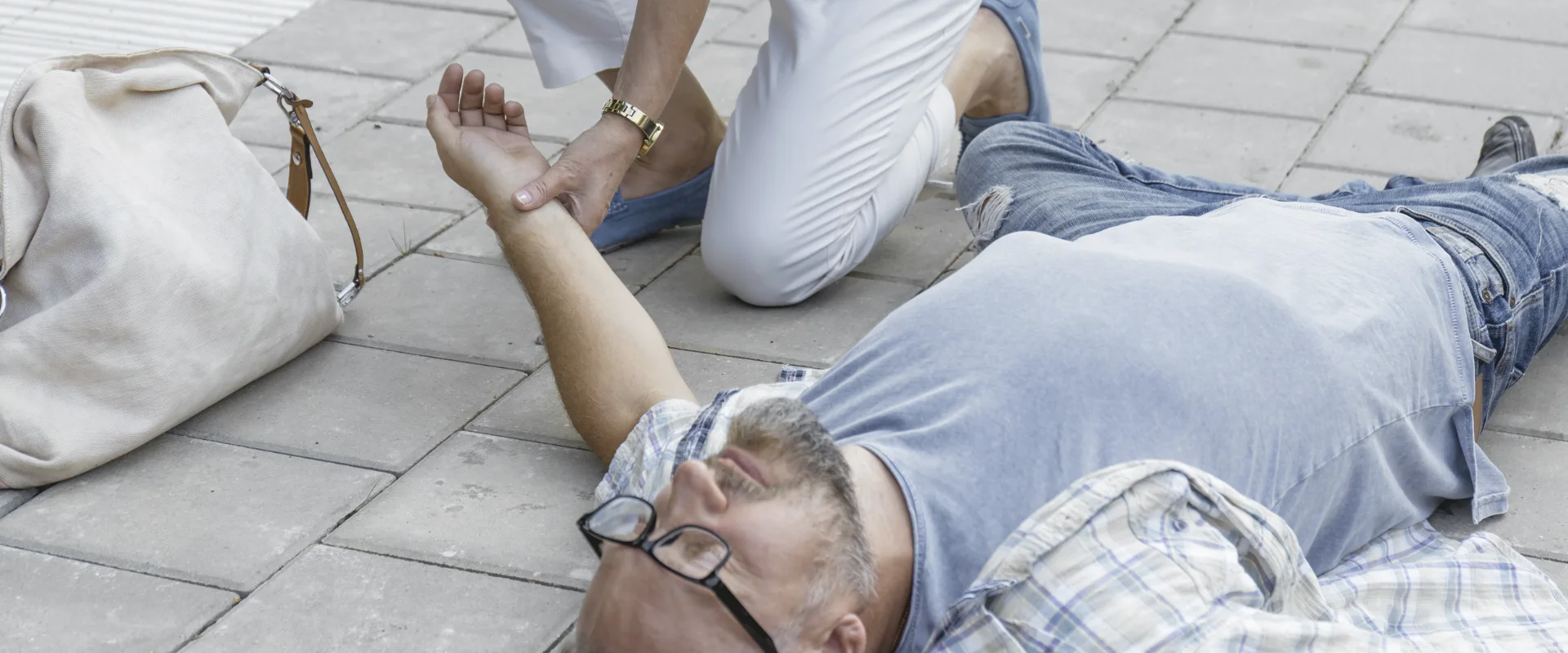
Fall prevention plays a crucial role in the safety of senior citizens in everyday life. Falls are one of the most common dangers that older people are exposed to and can have serious health consequences.
According to statistics, millions of seniors suffer a fall every year, with many of these incidents resulting in serious injuries such as femoral neck fractures or head injuries. Not only can these injuries affect physical health, but they can also have a significant impact on mental well-being. The fear of another fall can cause seniors to limit their activities and feel less independent, ultimately affecting their quality of life.
Importance of fall prevention
A fall can not only lead to physical injury, but can also have a profound psychological impact. Older people who fall often develop a fear of walking or moving, which leads to a further decrease in mobility. This decrease can trigger a vicious cycle: Less movement increases the risk of further falls and at the same time reduces overall fitness and strength. Similarly, social isolation and depression can also result when seniors feel insecure and withdraw from activities they used to enjoy.
Fall prevention therefore not only includes physical measures to prevent falls, but also psychological aspects that promote self-confidence and enjoyment of life. Targeted prevention strategies can encourage senior citizens to remain active, maintain their independence and reduce the risk of falling.
Risk factors for falls
There are numerous risk factors that can increase the risk of falling. The most common include health problems such as impaired balance, poor eyesight or chronic illnesses. Certain medications can also have side effects that increase the risk of falling. For example, sedative medication or medication to lower blood pressure can cause dizziness.
Environmental conditions also play a decisive role. Fall risk factors such as loose carpets, inadequate lighting or a lack of grab rails in bathrooms are common causes of falls in the home environment. It is important that both seniors and their relatives are aware of these risk factors and take appropriate measures to minimize the risk.
Advantages of effective fall prevention
Effective fall prevention offers numerous benefits for senior citizens. Preventive measures not only reduce the risk of falls and therefore injuries such as bruises, but also promote general mobility and independence. Seniors who actively participate in fall prevention programs often report increased self-confidence and an improved sense of well-being.
In the long term, good fall prevention can help to avoid hospitalization with increasing age and thus reduce healthcare costs. It also promotes an active and fulfilling life in old age by enabling seniors to continue to participate in social activities and maintain their independence.
In order to create a safe environment and minimize the risk of falls, it is essential to implement appropriate fall prevention strategies. It is crucial that both seniors and their relatives work together on these measures.
Strategies for fall prevention in old age
There are various strategies to prevent falls and increase safety in everyday life. Implementing effective fall prevention measures is crucial to promoting the well-being of seniors and maintaining their independence.
Adaptations in the living environment
The adaptation of the living environment is an important step in preventing falls. A safe home makes a significant contribution to minimizing the risk of falls. Start by identifying and removing tripping hazards. Loose carpets, cables or pieces of furniture that block the walkway should be removed or securely fixed. Another important measure is the installation of grab rails in bathrooms and on stairs. These can provide seniors with additional support and significantly reduce the risk of falling.
Lighting conditions also play a decisive role. Make sure that all rooms are well lit, especially corridors and stairs. Motion detectors can be a practical solution to ensure that lights are switched on automatically when you move. Night lights can also help to make walking in the dark safer.
These changes not only contribute to safety, but also promote seniors' confidence in their surroundings.
Exercises to prevent falls: strength and balance
Regular physical activity is crucial for fall prevention. A targeted exercise program can strengthen muscles, improve balance and enhance mobility - without much effort. Most seniors should be encouraged to participate in special exercise programs that are tailored to their needs. These programs can include balance exercises, strength training and flexibility exercises to maintain strength and muscles in the legs and trunk.
Training such as tai chi or yoga have proven to be particularly effective as they promote both balance and coordination. They also help to improve general fitness and increase well-being. It is important that seniors exercise in a safe environment, whether under the guidance of a professional or in a group with like-minded people.
By exercising regularly, senior citizens can not only increase their mobility, but also significantly reduce the risk of falls.
Fall risks: training and education
Education about the risks of falling is an important part of prevention. Information events and training courses offer valuable support for senior citizens and their relatives. Topics such as risk factors for falls, suitable exercises to improve balance and tips on safe living space design can be covered.
Otherwise, it makes sense to actively involve relatives in the process. Training courses for family members can help them to develop a better understanding of the challenges faced by their older relatives. In this way, they can provide targeted support and work together to find solutions.
Targeted training measures not only raise awareness of the risks of falling, but also create a support network that helps senior citizens to live more safely.
In order to further improve the safety of senior citizens, it is essential to seek professional support from specialists.
Fall prevention while seated
Fall prevention while seated is an essential aspect of fall prevention, especially for people in need of care, older people and people who have undergone major surgery. Even when seated, measures can be taken to increase safety and minimize the risk of falls. Here are some important points for fall prevention when seated:
- Choose the right seating furniture: Use chairs or armchairs that have a stable and low seat. The height should be chosen so that it is easy to sit down and stand up.
- Stabilize your sitting position: Make sure that your feet are flat on the floor. This ensures better stability and reduces the risk of falling.
- Use cushions and aids: Use cushions or seat pads to optimize the seat height and provide additional comfort. This can also help to stabilize the position in the seat.
- Movement exercises while sitting: Regularly perform gentle movement exercises while seated to strengthen the muscles and promote flexibility. This can also improve blood circulation.
- Keep the surrounding area safe: Ensure that there are no tripping hazards such as loose carpets or cables in the seating area. Keep the room well lit to make it easier to identify potential sources of danger.
- Support aids: Use grab rails or special seating aids to make it easier to stand up and sit down. These support stability and minimize the risk of falling.
Barrier-free living
Barrier-free living plays a crucial role in avoiding tripping hazards and obstacles that can make daily life difficult for people in need of care, pregnant women or people who have undergone major surgery. A careful check of the home for potential barriers is essential. Pay particular attention to carpet edges, loose cables and other objects that could pose a hazard.
In addition, good lighting and non-slip flooring are important safety factors that can significantly reduce the risk of falls. Bright and even lighting makes it possible to recognize dangers early on, while non-slip flooring, especially in areas such as bathrooms or kitchens, increases safety.
Adapting the home to the specific needs of the person concerned can make a decisive contribution to reducing the risk of falls. By taking targeted measures, you can create a safe and supportive environment that enables people to continue living actively and independently within their own four walls.
Aids for fall prevention
Aids such as walking sticks, rollators and grab rails are essential aids to reduce the risk of falling, especially for people in need of care, pregnant women and people who have undergone major surgery. It is crucial to choose the right aids according to individual needs. Professional advice can help to select the optimal aid that best meets personal requirements and avoids hospitalization in the event of an emergency.
Furthermore, the use of assistive devices should be regularly reviewed and adjusted if necessary. Changes in health or mobility may require existing aids to be adapted or replaced in order to continue to provide safe support.
A particularly effective strategy for reducing the risk of falling is to combine aids with targeted exercises to improve strength, balance and coordination. Such exercises can not only increase safety, but also strengthen the self-confidence of those affected in everyday life.
Nutrition and health
A balanced diet plays a crucial role in maintaining health and muscle strength, especially for people in need of care, pregnant women and people who have undergone serious surgery. A varied and nutritious diet provides the necessary vitamins and minerals that the body needs to function optimally.
Vitamin D supplementation can also reduce the risk of bone fractures, such as a femoral neck fracture, by supporting bone health. Especially in times with little sunlight, an adequate supply of vitamin D is important to promote bone strength and thus prevent injuries.
In addition, a healthy diet and regular exercise help to significantly reduce the risk of falling. Targeted exercises not only strengthen muscles, but also improve balance and coordination, which is crucial for preventing falls.
It is also important to go to the doctor regularly to check your health. These check-ups help to identify and address potential health problems at an early stage, which in turn helps to maintain independence and quality of life.
Safety in everyday life
Safety in everyday life is key to preventing falls and injuries, especially for people in need of care, pregnant women and people who have undergone major surgery. One of the best ways to reduce risks is to actively look out for obstacles and tripping hazards that may be present in the home environment.
A well thought-out living concept also includes appropriate lighting and non-slip floor coverings as important safety factors. Bright, uniform lighting helps to quickly identify potential hazards, while non-slip surfaces, primarily in areas such as the bathroom or kitchen, make a major contribution to accident prevention.
Otherwise, the use of safety precautions, such as home emergency call systems, can significantly reduce the risk of falling. These systems enable those affected to call for help quickly in an emergency, which provides a sense of security, especially in risky situations.
Quality of life and mobility
Quality of life and mobility are crucial to leading an independent life, especially for people in need of care, pregnant women and people recovering from serious operations. A targeted combination of exercise, a balanced diet and a barrier-free living environment can make a significant contribution to improving quality of life and mobility.
Regular physical activity strengthens muscles and improves coordination, while a balanced diet provides the nutrients the body needs. Barrier-free living also helps to remove obstacles and create a safe environment that promotes independence.
It is also important to go to the doctor regularly to check your health. These check-ups help to identify health problems at an early stage and take preventive measures, which in turn improves quality of life.
Practical tips for relatives
Relatives play a crucial role in supporting senior citizens in fall prevention. Their active involvement can not only significantly reduce the risk of falls, but also increase the confidence and quality of life of their elderly family members. It is important that relatives are aware of the challenges seniors face and take appropriate measures to support them.
Raising awareness of risks
Raising awareness of possible risks is a first step towards prevention. Relatives should regularly check their elderly relative's surroundings and pay attention to what dangers exist in everyday life. This includes identifying tripping hazards such as loose carpets, inadequate lighting or untidy rooms, which can increase the risk of falls. Open communication about these risks is essential to encourage seniors to actively shape their environment and live more safely. Relatives can also point out the importance of paying attention to the side effects of medications that may affect balance.
Joint activities to promote mobility
Joint activities not only promote mobility, but also strengthen the bond between relatives and senior citizens. There are numerous ways in which family members can get their elderly relatives actively moving. Going for walks together outdoors or doing exercises to improve balance are excellent ways to promote both physical fitness and social interaction.
In addition, relatives can find creative solutions to create incentives for exercise. For example, a weekly games evening can be integrated with exercise activities that are both fun and promote mobility. Such shared experiences help seniors to feel safer and stay motivated to be active.
Support in the implementation of prevention measures
Relatives should actively participate in the implementation of preventative measures. This also includes support with adaptations to the living environment, such as installing grab rails or removing tripping hazards. It can be helpful to draw up a plan together that includes specific steps to improve safety in everyday life. This plan should be reviewed and adapted regularly to ensure that it meets the senior's changing needs.
It is also advisable to regularly obtain information about new developments in fall prevention. Relatives can find out about local training courses or information events and attend these together with their elderly relatives. This not only promotes knowledge about fall risks and prevention strategies, but also strengthens the sense of community and cohesion.
By taking these proactive steps, relatives can make a significant contribution to helping senior citizens live more safely and maintain their independence.