
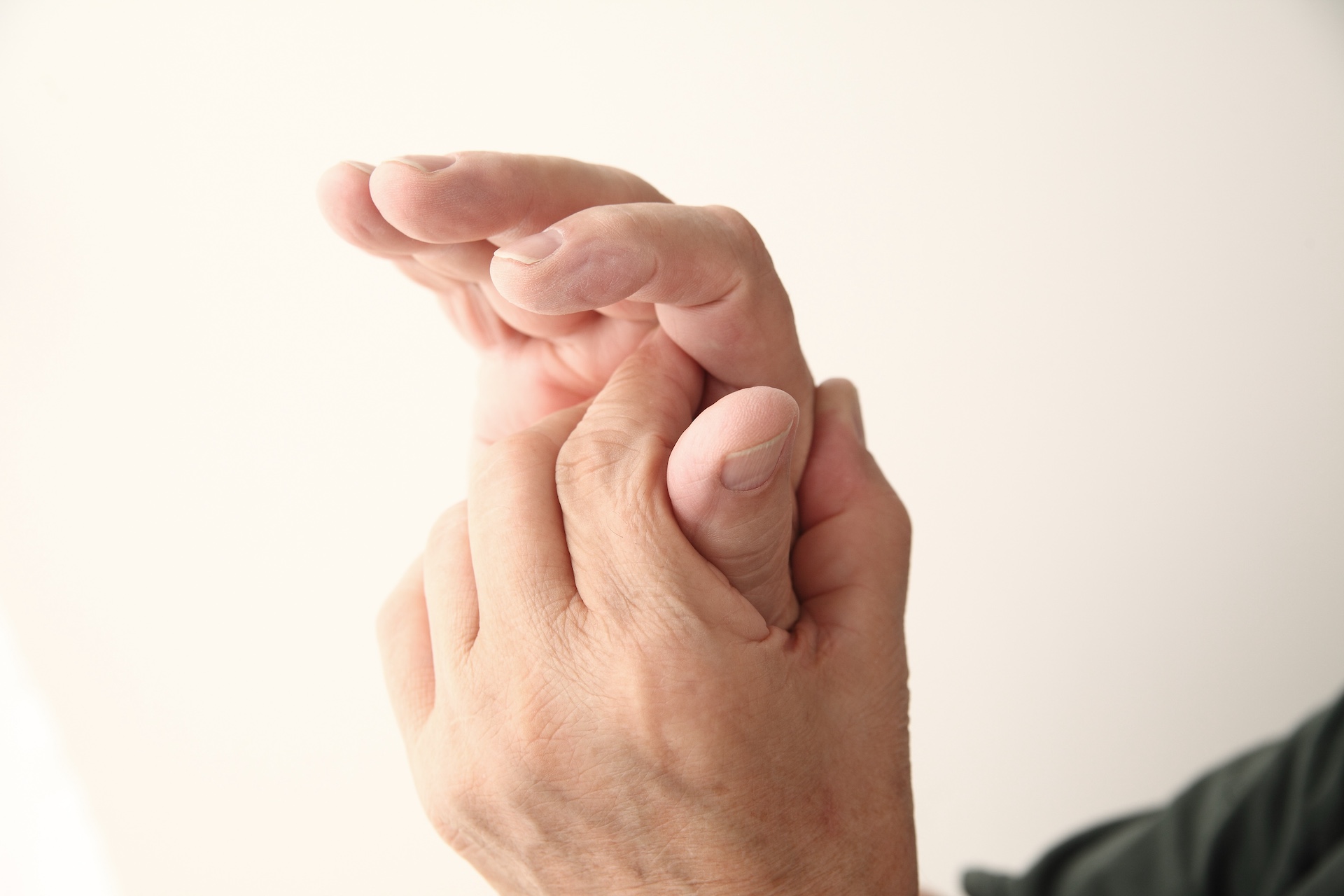

Our blood is the “fuel” that supplies every part of our body with vital oxygen and nutrients. When it flows freely, we feel energetic and capable. But when this flow is impeded, the body sends warning signals. Circulatory problems are far more than just cold hands or feet. They can indicate serious changes in the blood vessels that pose a long-term threat to our health.
In this magazin , you'll learn everything you need to know about the causes, symptoms, and treatment options for various types of circulatory disorders.
What are circulatory disorders, and how do they develop?
A circulatory disorder occurs when blood flow in a specific area of the body is restricted or completely blocked. This leads to reduced blood flow to the affected tissue. Since the blood can no longer supply sufficient oxygen, cells can no longer function properly or, in the worst case, die.
The Role of Atherosclerosis
The most common cause of chronic circulatory disorders is atherosclerosis, often referred to colloquially as hardening of the arteries. In this condition, fats and calcium are deposited on the inner wall of the blood vessels. These deposits, known as plaques, gradually narrow the diameter of the arteries. The blood must force its way through an increasingly narrow channel, which raises blood pressure and impairs blood flow to the organs.
Risk Factors and Family History
Circulatory problems become more common with age, as blood vessels lose elasticity over the course of a person’s life. However, lifestyle also plays a crucial role. Smoking, high blood pressure, high cholesterol, diabetes and lack of exercise significantly accelerate vascular damage. In addition, a family history of the condition increases the risk: If your parents or siblings already suffer from vascular disease, you should be especially vigilant.
The Body's Warning Signs: When You Should Take Notice
Not every cold hand means you're sick. But there are signs you should take seriously. Typical symptoms of poor circulation include:
- Cold extremities: Unusually cool hands and feet, even in a warm environment.
- Skin changes: Pallor or bluish discoloration of the skin.
- Pain: Especially during physical activity, such as in the calves when walking.
- Numbness: A "pins-and-needles" sensation or tingling in the fingers and toes.
- Poor wound healing: Minor injuries that do not heal for weeks.
A simple tool for monitoring your symptoms is a symptom diary. Write down when symptoms occur, how long they last, and what triggered them. This is extremely helpful to your doctor in making a diagnosis.
Raynaud's Syndrome: When Your Fingers Turn White
Many people, especially women, are familiar with this phenomenon: When it’s cold or when they’re stressed, some or all of their fingers suddenly turn pale white, become numb, and feel cold. This condition is known as Raynaud’s syndrome, or “white finger disease,” named after the French physician Maurice Raynaud.
The Typical Raynaud's Phenomenon
A characteristic feature is the so-called “tricolor effect”:
- Weiß: A sudden vasospasm interrupts the blood supply. The fingers turn pale.
- Blue: Due to a lack of oxygen, the skin takes on a bluish tint.
- Red: When the blood vessels dilate again and blood rushes back, the skin turns red, often accompanied by a tingling sensation or pain.
Primary vs. Secondary Raynaud's Syndrome
It is crucial to distinguish between the two forms, as the diagnosis has different consequences.
Primary Raynaud's Syndrome
This form is more common and typically affects young women between the ages of 20 and 40. Statistically speaking, they are four times more likely to be affected than men. The good news is that primary Raynaud’s syndrome is usually harmless. There is no damage to the blood vessels; rather, it is simply a functional disorder in which the arteries react hypersensitively to stimuli. In most cases, treatment with medication is not necessary.

Secondary Raynaud's Syndrome
In this case, the symptoms occur as a complication of another underlying condition, such as rheumatism, scleroderma, or nerve damage. The secondary syndrome often does not appear until later in adulthood, is usually more painful, and can lead to tissue damage at the fingertips. A medical evaluation is absolutely necessary in this case.
Treatment and Prevention of Raynaud's Syndrome
The goal of treatment for primary Raynaud's is to prevent attacks.
- Protection Against the Cold: Keep your hands warm at all times. Wear gloves (mittens are better than fingered gloves) and avoid direct contact with cold objects.
- Stress Reduction: Since emotional tension is a trigger, relaxation techniques such as yoga or meditation help regulate blood circulation.
- Avoid triggers: In addition to cold weather and stress, dampness and humidity can also worsen symptoms.
- Medications: Vasodilators are available only for very severe symptoms (often associated with the secondary syndrome).
In rarer cases, the toes, nose, or ears may also be affected.
Peripheral Arterial Disease (PAD)
While Raynaud's syndrome is often functional, peripheral arterial disease (PAD) involves narrowing of the arteries, usually in the legs and pelvis.
In the early stages, those affected often don’t notice anything. Later on, typical muscle pain occurs during physical activity, such as walking. The pain forces patients to stop, hence the colloquial name “window-shopping disease,” since those affected often pretend to be looking at store windows until the pain subsides.
Diagnosis and Stages
An important component of the diagnosis is the 6-minute walk test. It assesses the legs’ endurance and blood flow under real-world conditions. Pulse measurements taken at the groin and the top of the foot also help identify differences in blood flow between the legs.
Peripheral arterial disease (PAD) is classified into four stages, ranging from no symptoms to pain at rest or tissue necrosis. Even wounds hardly heal at all in the later stages.
Treatment of Peripheral Arterial Disease
Exercise is the foundation of any therapy. Structured walking training stimulates the body to develop collateral circulation.
- Walking: Regular exercise effectively promotes blood circulation.
- Medications: Blood thinners help prevent clots.
- Treatment: In cases of severe narrowing, catheter procedures or stents may be necessary.
Carotid Stenosis: A Risk Factor for the Brain
Carotid stenosis refers to a narrowing of the carotid artery, usually caused by carotid sclerosis, also known as calcifications.
Since the carotid arteries supply blood to the brain, narrowing in this area is particularly critical. If small blood clots break away from the calcified wall, they can be carried into the brain and cause a stroke. The primary goal of any treatment is therefore stroke prevention.
Treatment Options
The decision regarding treatment depends on the degree of narrowing and the symptoms.
- Conservative treatment: In cases of mild narrowing, medication (blood pressure-lowering drugs, cholesterol-lowering drugs, antiplatelet agents) and lifestyle changes are often sufficient. Antiplatelet agents significantly reduce the risk of stroke.
- Operational: Surgery is often recommended in cases of severe narrowing (more than 70%) or if symptoms—such as temporary vision problems or paralysis—have already occurred.
- Carotid endarterectomy: This is the gold standard for stenosis greater than 70 percent. During the procedure, the artery is opened and the calcified plaque is scraped away.
- Stent implantation: A wire mesh supports the artery from the inside. This is an alternative for patients at high surgical risk.
Self-Tests: How's Your Blood Circulation?
There are simple methods you can use at home to detect early signs of circulation problems. While these are no substitute for a visit to the doctor, they can help confirm a suspicion.
The Nail Bed Test (Capillary Fill Time)
The nail bed test is a simple self-test used to check peripheral blood flow in the hands or feet.
- How to do it: Press firmly on your fingernail or toenail until the nail bed turns white. Then let go.
- Result: Observe how quickly the color returns. The recapillarization time describes how quickly blood returns to the nail bed after pressure is applied. Normally, the nail bed should turn pink again within about 2 seconds. If it takes significantly longer, there may be reduced blood flow.
Temperature and Visibility Tests
Pay attention to differences between the two feet. Temperature tests can reveal differences in blood flow. Is one foot noticeably colder than the other? Pale or discolored skin may indicate reduced blood flow.
Prevention and lifestyle: What you can do yourself
Your blood vessels will thank you for leading a healthy lifestyle. It’s up to you to slow the progression of atherosclerosis and carotid sclerosis.
Nutrition for the Blood Vessels
A Mediterranean diet is ideal. Plenty of vegetables, fruits, whole grains, and healthy fats are important. A diet rich in omega-3 fatty acids, in particular, supports vascular health. These fatty acids are found in fatty ocean fish, such as salmon and mackerel, as well as in walnuts and flaxseed oil. They have anti-inflammatory effects and help keep the blood vessel walls supple.
Exercise is the be-all and end-all
Regular Exercise effectively promotes blood circulation. Sports such as walking, swimming, or cycling strengthen the cardiovascular system. Try to incorporate at least 150 minutes of moderate activity per week into your daily routine.
Stress Management and Quitting Nicotine
Smoking is the number one enemy of your arteries. Quitting smoking is the single most important step you can take to protect your blood vessels. In addition, chronic stress causes blood vessels to constrict. Reducing stress—for example, through yoga or meditation—has been shown to improve blood circulation.
When is a medical evaluation necessary?
Many people wait too long before seeing a doctor about their symptoms. But an early diagnosis can prevent long-term complications.
Warning Signs That Require Immediate Medical Attention
When acute symptoms occur, every minute counts. If you experience severe pain, seek medical attention immediately. This is especially true if a leg or arm suddenly becomes cold, pale, and numb—this could indicate an acute vascular occlusion. You should also call emergency services immediately if you experience sudden vision problems, speech difficulties, or paralysis.
If you have chronic symptoms such as frequently cold hands, pain when walking, or a known family history of the condition, you should see your primary care physician. If necessary, they can refer you to an angiologist, or a vascular specialist. Regular preventive checkups are important for detecting and managing risk factors such as high blood pressure or diabetes early on.
Prepare for the appointment: Do you have any questions? Do you keep a symptom diary? The more accurately you can describe your observations, the more precisely the doctor will be able to determine the causes.
Conclusion: Take your vascular health seriously
Circulatory disorders are complex conditions that can affect various parts of the body—from the fingertips in Raynaud's syndrome to the legs in peripheral arterial disease, all the way to the carotid artery.
But you’re not helpless in the face of this diagnosis. Through mindfulness, regular self-checks—such as the nail bed test—and a lifestyle that supports healthy blood vessels, you can do a lot to improve your blood circulation. Don’t hesitate to seek professional help if you notice any signs of circulatory problems.