
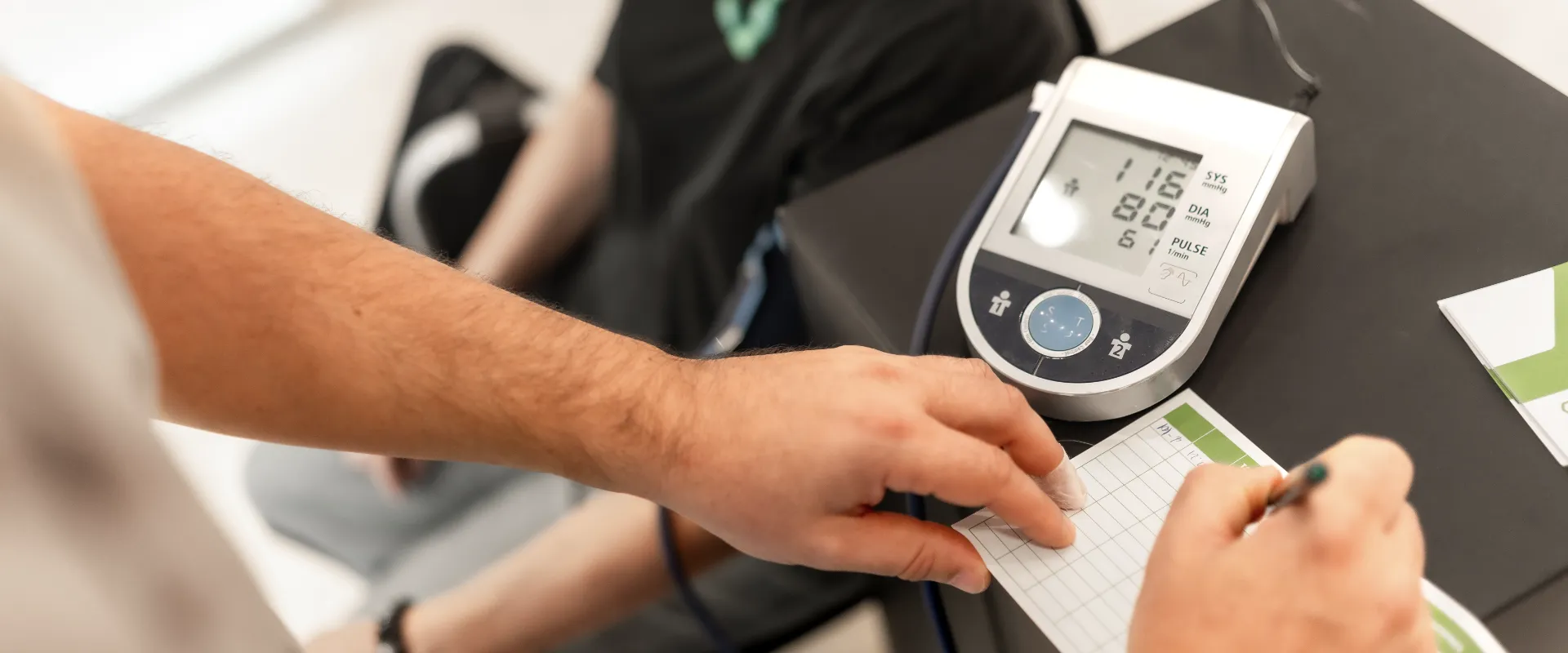

Did you know that inaccurate blood pressure measurements can lead to misunderstandings about your state of health? In women in particular, the symptoms of high blood pressure are often more subtle, making accurate measurement essential.
In this blog post, you will learn how to measure your blood pressure correctly in order to obtain reliable values and prevent potential diseases such as hypertension or atrial fibrillation at an early stage. Let's explore the causes and therapeutic approaches so that you can lower your blood pressure effectively.
Why is blood pressure measurement important?
The correct technique for measuring blood pressure is of great importance in order to obtain reliable values. Make sure you relax for a few minutes before the measurement to avoid stress and physical activity, as these can affect blood pressure. Sit in a comfortable position with your back straight and your feet flat on the floor. Your arm should be at heart level while the cuff is placed on your upper arm.
Make sure that the cuff fits properly; it should be tight enough to provide good pressure but not squeeze uncomfortably. It is best to measure your blood pressure on both arms to detect any differences. Record the readings in mmHg to keep track of your health data. This precise approach helps to detect high blood pressure or other cardiovascular diseases at an early stage and to treat them accordingly.
Introduction to blood pressure measurement
Blood pressure measurement is a key indicator of a person's health. It is usually carried out by a doctor or in pharmacies, but can also be done conveniently at home. Blood pressure is measured in millimetres of mercury (mmHg) and consists of two values: the systolic value, which represents the pressure during the heartbeat, and the diastolic value, which indicates the pressure in the blood vessels during the resting phases between heartbeats.
A normal blood pressure value is normally between 120 and 129 mmHg for the systolic and between 80 and 84 mmHg for the diastolic value. These values are crucial to minimize the risk of cardiovascular disease and maintain good heart health.
To enable continuous monitoring of heart health, blood pressure measurement can also be carried out at home using a blood pressure monitor. This allows you to check your blood pressure regularly and react to possible changes at an early stage.
It is important to always measure your blood pressure at the same time to ensure that the values are comparable. Consistent conditions during the measurement help to obtain an accurate picture of your blood pressure and identify potential risks in good time.

The different methods for measuring blood pressure
Choosing the right method for measuring blood pressure is of great importance in order to obtain accurate values and detect possible health risks at an early stage. There are various techniques, such as manual measurement with a sphygmomanometer or automatic measurement with digital devices. With the manual method, blood pressure is measured by listening to the Korotkow sounds on the arm, with the values given in mmHg.
Digital devices offer the advantage of user-friendliness and fast results, but it is important that they are calibrated regularly.
The German Hypertension League tests blood pressure monitors for accuracy and maintains a list of reliable devices.
Preparation for blood pressure measurement
Preparation for the blood pressure measurement plays an important role in obtaining reliable values. Make sure that you sit quietly and relax for at least five minutes before the measurement, as stress can increase blood pressure in the short term. Make sure that your arm is relaxed and resting on a firm surface, ideally at heart level.
Wear loose clothing to ensure unimpeded blood flow. Avoid coffee, alcohol or cigarettes within an hour before the measurement, as these substances can affect blood pressure. For people with hypertension, it is advisable to take the measurement regularly in order to monitor the progress and, if necessary, to talk to your doctor about adjustments to your therapy.
A consistent approach to blood pressure measurement enables you to document precise values and detect symptoms such as atrial fibrillation or high blood pressure at an early stage. In this way, you actively contribute to the health of your heart.
To measure your blood pressure correctly, please follow the steps below:
- Quiet environment: Make sure that you are in a quiet environment. Avoid consuming caffeinated drinks or food for at least 30 minutes before the measurement in order not to influence the results.
- Correct cuff application: The blood pressure cuff should be placed tightly, but not too tightly, on the upper arm. Make sure that the upper arm is at heart level in order to obtain precise values.
- Multiple measurements: Carry out the blood pressure measurement several times. This increases the accuracy of the values and helps you to obtain a reliable result.
- Professional support: You can also have your blood pressure measured by a doctor. This offers additional security with regard to the accuracy of the results.
The right technique for measuring blood pressure
Place the blood pressure monitor arm at heart level and keep the cuff tight, but not too tight, around the upper arm. Then press the start button and avoid moving or talking during the measurement.
Make sure you measure your blood pressure at least twice to ensure consistent results. Note the readings in millimeters of mercury (mmHg) and talk to your doctor about any abnormalities. It is particularly important to measure regularly, especially if you suffer from high blood pressure or symptoms such as atrial fibrillation. Precise documentation of your values not only supports therapy, but also gives you a good overview of your state of health.
Measuring blood pressure correctly
There are a few important steps to follow in order to measure blood pressure correctly:
1. quiet environment: Make sure that you are in a quiet environment. Avoid physical exertion and stress before the measurement, as this can affect the results.
2. attaching the cuff: Attach the cuff correctly to the upper arm. Make sure that the arm is at heart level during the measurement in order to obtain precise values.
3. measurement on both arms: It is advisable to measure blood pressure on both arms. This ensures that the values are comparable and helps to identify potential differences that could indicate health problems.
4. regular measurements: Take blood pressure measurements regularly to monitor your blood pressure and detect potential risks early. Regular monitoring is crucial for maintaining good health.
5 Reliable readings: A blood pressure monitor can provide reliable readings if it is used correctly. Make sure you follow the instructions for use of the device exactly and calibrate it regularly.
What do the blood pressure readings mean?
The blood pressure values are made up of two figures which together provide an important picture of your cardiovascular health.
Systolic blood pressure (the first value)
Systolic blood pressure is the pressure in the blood vessels as the heartbeat pumps blood through the vessels into the circulatory system. It reflects the force that the heart muscle exerts to transport the oxygenated blood through the arteries.
A normal systolic value is usually between 90 and 120 mmHg. These values are considered healthy and are indicators of a well-functioning cardiovascular system.
The systolic pressure increases with age, as the vessel walls become increasingly stiff.
Elevated systolic values (over 120 mmHg) may indicate high blood pressure (hypertension). If the blood pressure rises, this could be a serious risk factor for various cardiovascular diseases and should be monitored and treated accordingly.
Diastolic blood pressure (the second value)
Diastolic blood pressure is the pressure in the blood vessels when the heart is resting between beats. It reflects the relaxed phase of the cardiac cycle in which the heart is filled with blood again.
A normal diastolic value is usually between 60 and 80 mmHg. These values are crucial for assessing general heart health and blood pressure status.
Elevated diastolic levels (above 80 mmHg) may indicate health problems, including high blood pressure and an increased risk of cardiovascular disease. Close monitoring and, if necessary, medical advice are important to minimize potential risks. In the long term, high blood pressure damages the blood vessels, which can lead to secondary diseases such as a heart attack or stroke.
1. normal blood pressure values
Normal blood pressure is defined as a systolic value between 120 and 129 mmHg and a diastolic value between 80 and 84 mmHg. These values are important to minimize the risk of cardiovascular disease.
2. variability of blood pressure values
However, blood pressure can vary due to factors such as age, gender, physical activity and general health. This variability highlights the need to consider each patient individually.
Factors influencing blood pressure
Various factors play a significant role in blood pressure measurement and can influence the accuracy of your readings. Stress, physical activity and even the position of your body during the measurement have a direct influence on blood pressure. For example, sitting or lying down during the measurement can lead to different results. Drinking coffee or smoking shortly before the measurement can also cause temporarily increased values.
It is also important that you are calm and relaxed during the measurement to minimize the likelihood of high blood pressure symptoms such as palpitations or dizziness. Women can also have different high values during certain phases of their cycle.
It is advisable to carry out the measurement regularly and to document the results in order to be able to recognize possible changes at an early stage. An overview of the measured values will help you and your doctor to discuss suitable measures to treat or lower your blood pressure.
Common errors in blood pressure measurement
Various mistakes can be made when measuring blood pressure, which can lead to inaccurate results. A common mistake is insufficient posture; you should sit upright during the measurement and place your arm at heart level. It is also important that you rest for at least five minutes before the measurement so that your blood pressure is not influenced by physical activity. Talking during the measurement can also falsify the values.
Use a correctly calibrated device and be sure to measure blood pressure on both arms, as differences may occur. Women tend to show different symptoms of high blood pressure than men, which requires a precise diagnosis. When documenting your blood pressure readings, always note the unit mmHg. Make sure you take regular measurements to keep an overview of your values and recognize any changes at an early stage. These measures are important for effective therapy and to reduce possible risks such as atrial fibrillation or hypertension.
How often should you measure your blood pressure?
To obtain reliable blood pressure values, it is advisable to take regular measurements. Ideally, you should check your blood pressure in the morning and evening to get a comprehensive picture of your values. As a rule, a value below 120/80 mmHg is considered normal, while values above 140/90 mmHg may indicate high blood pressure (hypertension).
Make sure you choose a quiet environment for the measurement and relax for a few minutes before applying the pressure. It is also important that you use the correct measuring device and follow the manufacturer's instructions. If you are unsure or the values are abnormal, you should consult your doctor immediately.
Common mistakes such as incorrect posture or measuring directly after physical exertion can lead to inaccurate results.
Documentation of your blood pressure values
Documenting your blood pressure values plays an important role in your health. By measuring your values regularly, you can recognize changes at an early stage and discuss them with your doctor. Make sure you take the measurements under the same conditions, for example at the same time of day and in a relaxed position. Make a note of the measured values in mmHg as well as the date and time of the measurement to keep a detailed log. This can help you to recognize potential symptoms of high blood pressure or hypertension.
If you have atrial fibrillation or other heart problems, precise documentation of your blood pressure is particularly important for your therapy. The overview of your blood pressure values provides valuable information for checking the effect of any prescribed medication and making adjustments if necessary. By taking this careful approach, you are making an active contribution to controlling your blood pressure and improving your well-being.
Tips for improving blood pressure levels
To optimize your blood pressure values, you should start by eating a balanced diet rich in fruit, vegetables and wholegrain products. Reduce your salt intake, as high sodium intake can lead to high blood pressure. Regular physical activity is also very important; aim for at least 150 minutes of moderate exercise per week. Being overweight can have a negative impact on blood pressure levels, so losing weight can be beneficial. Make sure to reduce stress through techniques such as meditation or breathing exercises.
If you have already been prescribed medication to lower your blood pressure, take it regularly and consult your doctor to make adjustments if necessary. Avoid excessive alcohol consumption and smoking, both of which can increase the risk of heart disease and hypertension. Monitor your values regularly and keep a log to record changes and recognize any symptoms at an early stage.
Long-term blood pressure measurement
Long-term 24-hour measurement is an effective method of recording blood pressure over a longer period of time. It enables continuous monitoring of blood pressure over several hours or days and provides valuable data for assessing blood pressure fluctuations and patterns.
The 24-hour blood pressure measurement can identify fluctuations in blood pressure that may remain undetected in a single measurement. This is crucial for adapting and optimizing treatment, as it makes it possible to identify specific needs and changes in blood pressure progression.
Another advantage of long-term blood pressure measurement is that it can be carried out conveniently at home. This increases the patient's quality of life as it enables less stressful health monitoring and reduces the need for medical facilities.
Various devices are available for long-term blood pressure measurement, including 24-hour blood pressure monitors. These devices are specially developed to enable more accurate measurements in everyday life and therefore provide a reliable basis for subsequent analysis and advice by medical professionals.
Cardiovascular health
Cardiovascular health is an essential aspect of general health and should be monitored regularly, particularly through blood pressure measurements. High blood pressure, also known as hypertension, can lead to serious cardiovascular diseases and other health problems, which is why a preventive approach is of great importance.
Cardiovascular disease can be prevented by adopting a healthy lifestyle. Regular exercise and a balanced diet help to keep blood pressure in the normal range and minimize the risk of disease. In addition, blood pressure measurement can provide valuable information on possible diseases and thus make a decisive contribution to maintaining health.
It is extremely important to measure your blood pressure regularly in order to identify potential risks at an early stage and take appropriate measures to promote your health. By proactively monitoring your cardiovascular health, you can actively contribute to your well-being and stay healthy.
Conclusion: Reliable blood pressure measurement for your health
The correct technique for measuring blood pressure is of great importance in order to obtain reliable values. Make sure you measure in a calm environment, as stress and movement can affect blood pressure. Sit and relax for at least five minutes before starting the measurement. Use the correct device that is suitable for your arm circumference and place the cuff correctly on the skin surface. You can achieve more accurate results by taking the measurement while sitting with your arm at heart level. Repeat the measurement after a few minutes to check for any fluctuations. Document your values in mmHg to get an overview of your blood pressure development. If your values are persistently high, you should consult a doctor to clarify possible causes such as high blood pressure or atrial fibrillation and, if necessary, start suitable treatment.