
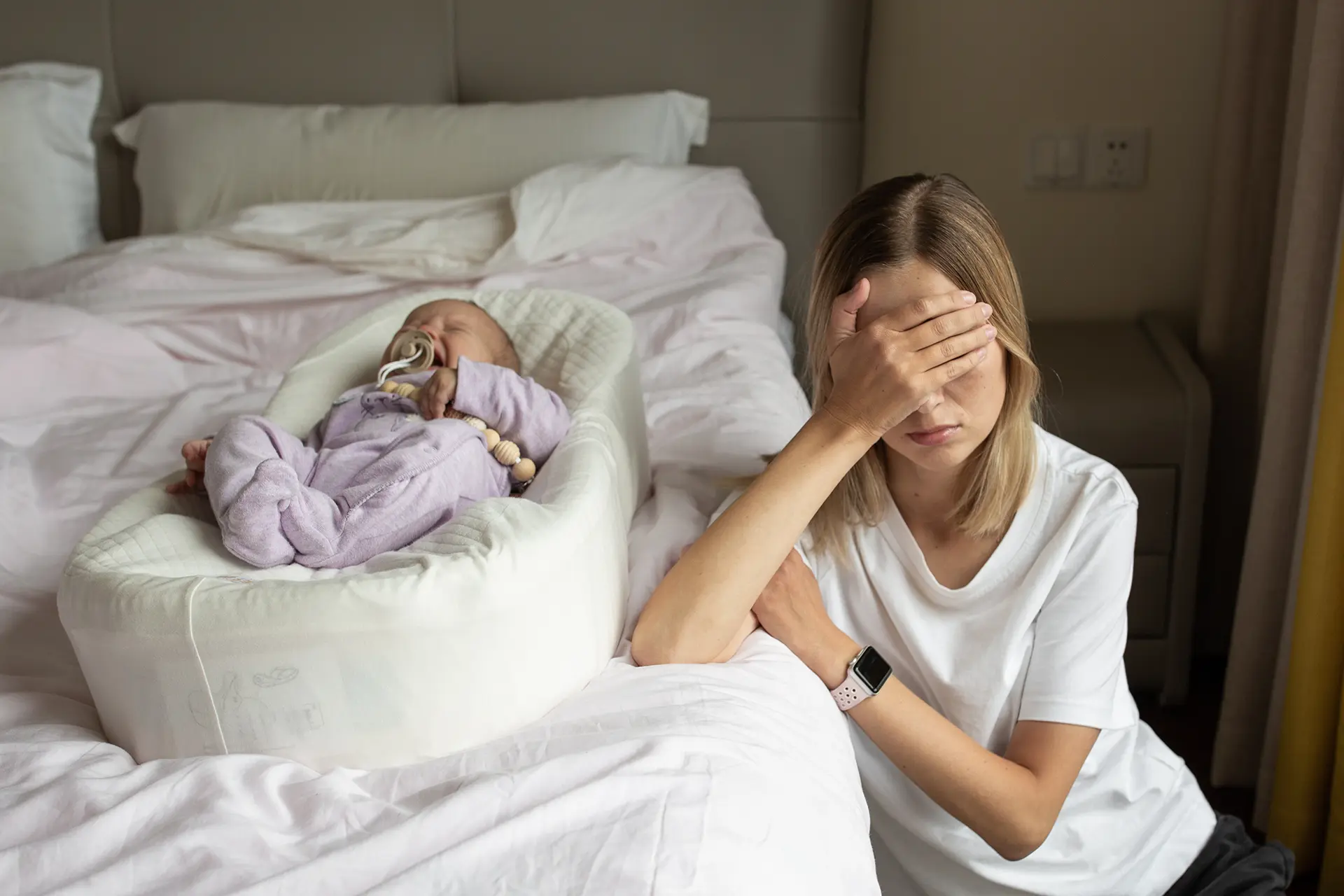

Postpartum depression or just the baby blues? Some new mothers have certainly been faced with this question, because a depressive phase after the birth of a child can affect anyone and occurs more frequently than you might think. However, it is very important to differentiate between these two mood lows, as the baby blues disappear again after a few days to two weeks at the most, whereas postpartum depression is a serious mental illness that requires medical treatment and can even be treated with medication.
What is postpartum depression?
Postpartum depression, also known as postnatal depression, is a mental illness that should not be underestimated. According to the Health Knowledge Foundation, between four and 13% of mothers suffer from this form of depression after giving birth. It usually occurs in the first twelve months after the birth of the child and can subside again within a few months, but there are also cases in which the pregnancy depression lasts for over a year or there are repeated depressive phases. The causes of this could be pre-existing mental illnesses, a genetic predisposition or the sharp drop in hormones after giving birth, but these have not yet been fully investigated.
How postpartum depression is treated always depends on how severely the sufferer is affected. Recovery is usually supported with psychotherapeutic treatment and medication, whereby the doctor takes into account whether the mother is breastfeeding. In order to support the affected person, it is also recommended that the therapy primarily strengthens the mother-child relationship and that the partner is involved.
Depression after the birth of a child can place a heavy burden on a new mother, as the symptoms cause a general lack of motivation. Parental tasks such as helping the baby to sleep or attending pediatrician appointments can become a challenge. It is not only the lack of strength to carry out these tasks, but also the feelings of guilt that the affected person feels.
Postpartum depression is diagnosed through a consultation. As with depression, a doctor is consulted to classify the symptoms and diagnose postpartum depression.
Symptoms: How do you recognize postpartum depression and what signs should you look out for?
Typical signs of postpartum depression are
- Loss of appetite
- a persistent low mood
- Indifference (towards the baby and things that previously gave you pleasure)
- Anxiety because the affected person may not believe they can care for their child
- Sleep disorders
- Self-doubt
- Overload
- Irritability
- Hopelessness
- low self-confidence
- Feeling of not being able to cope with life
It is important to note that some symptoms, such as insomnia and weight loss, are typical of the postpartum period and do not necessarily indicate depression.
What are baby blues?
Baby blues are the temporary mood swings of a mother shortly after the birth of her child. They are also known colloquially as "crying days", as they can often lead to uncontrolled outbursts of tears. They usually only last a few days to a maximum of two weeks and do not require medical treatment. The symptoms are comparable to those of postpartum depression. The affected person feels depressed, exhausted and tearful. Current knowledge suggests that the sharp drop in the hormone oestrogen after pregnancy could be responsible for the baby blues. If your symptoms do not subside after a maximum of two weeks, you should consult a doctor, as the risk of developing postpartum depression is then increased.
What can affected mothers and relatives do?
Those affected and their relatives can find out about various self-help groups and associations, such as Schatten und Licht. You can also contact various contact points such as midwives, health insurance companies, gynecologists and general practitioners. These can often help and provide support with initial problems. This can be a major hurdle for a person suffering from depression, which is why it is very important that family members and partners listen carefully and help with the search for support or even take it over.

Phrases like:
- The baby loves you / I love you.
- We are proud of you.
- You are strong.
- How would you feel better now?
can do the sufferer good. However, it is important to remember that words alone will not cure this illness.
Support for everyday life with postpartum depression
The partner of the new mother should have a particularly open ear and a great deal of understanding for the person affected. It is very important that the mother feels seen and that there is a great deal of sensitivity towards her. Unfortunately, it is often the case that the partner has to go back to work shortly after the birth, which of course makes the general situation more difficult for everyone involved. It is often not possible for the mother to be supported for six to eight weeks (the regular postpartum period).
Outside support can also be challenging for single mothers. Through the agency for domestic help it is possible for you to finance everyday support via your health insurance. If you have been diagnosed with a mental or cognitive illness by a doctor, a care level can also be awarded by the long-term care insurance fund since 2017. Find out more about home help during and after pregnancy here.