
Sudden bleeding from the nose can frighten many people, especially if it seems to happen for no apparent reason. While nosebleeds (epistaxis) are often harmless in children, they can be a sign of serious health problems in older people. With increasing age, the blood vessels in the nose change, the mucous membrane becomes more sensitive and the role of previous illnesses or medication becomes more important. Even if nosebleeds can be stopped quickly and easily in many cases, recurring or heavy bleeding should always be taken seriously.
Find out here about the most common causes of nosebleeds in the elderly, medical correlations, when a visit to the doctor is urgently needed, and practical measures and tips for treatment and prevention.
What is a nosebleed (epistaxis)?
A nosebleed, also known medically as epistaxis, is the sudden discharge of blood from the nose. This is usually superficial bleeding from the fine blood vessels in the nose, which are often located in the front of the nasal septum. The phenomenon is usually harmless, but can indicate serious causes or be more severe, especially in older people.
Nosebleeds in old age: why do they often affect the elderly?
The nasal mucosa changes with age: It becomes thinner, drier and more sensitive. At the same time, older people are more likely to suffer from vascular and circulatory diseases, altered blood clotting or regular use of medication (e.g. blood-thinning medication). All of these factors play an important role in the development of bleeding in the nose.
Seniors: Causes of nosebleeds
In seniors, nosebleeds often occur due to a combination of several factors.
Dry nasal mucosa
Dry heating airair conditioning systems or low humidity contribute to the mucous membranes drying out. In older people in particular, this can quickly lead to small tears in the mucous membrane and thus to bleeding.
Blood pressure and vascular problems
High blood pressure is a common trigger for nosebleeds. The increased pressure in the blood vessels can cause the fine vessels in the nose to burst. Other vascular and circulatory diseases or diabetes mellitus also increase the risk of regular nosebleeds.
Medication and its side effects
Many senior citizens take medication that inhibits blood clotting. This often makes it more difficult to stop the bleeding. Nasal sprays or decongestant nasal drops can also damage the mucous membrane.

Mechanical stimuli: nose picking and blowing
Picking your nose, blowing your nose intensively (blowing your nose) or hitting your nose can injure sensitive blood vessels, a risk that is greater in older people due to their more sensitive mucous membranes.
Infections and inflammations
Sinusitis, allergic reactions or chronic irritation caused by environmental substances often lead to inflammatory processes in the nose. These weaken the mucosal barrier.
Stress and physical strain
Stress, physical exertion or severe sneezing can also lead to a sudden loss of blood from the nose if the vessels are under too much strain.
Foreign body in the nose
Although more common in children, adults or the elderly can also accidentally insert foreign bodies into the nose. This causes mechanical irritation and can lead to nosebleeds.
Differences: Nosebleeds in seniors, adults and children
While harmless nose picking or minor injuries can usually trigger nosebleeds in children, internal causes are increasingly common in adults and the elderly. Seniors in particular are at a higher risk of nosebleeds due to systemic illnesses and medication.
When is a nosebleed harmless - and when is it not?
In most cases, nosebleeds are not dangerous. If the bleeding stops after a few minutes, it is often sufficient to take simple measures to stop it.
However, a visit to the doctor is necessary if:
- the bleeding lasts longer than 20 minutes.
- the bleeding is very heavy or recurs frequently.
- Blood runs down the throat (indication of posterior nosebleed).
- Circulatory problems, weakness or dizziness may occur.
- if you have a known coagulation disorder or are taking blood-thinning medication.
First aid: What to do if you have a nosebleed?
If you have a nosebleed, a few simple steps can help to stop the bleeding.
Bend your head forwards - not backwards!
Contrary to a common misconception, the head should be tilted slightly forwards and not backwards. This allows the blood to drain from the nostrils instead of entering the throat.
Pinch the nostrils together
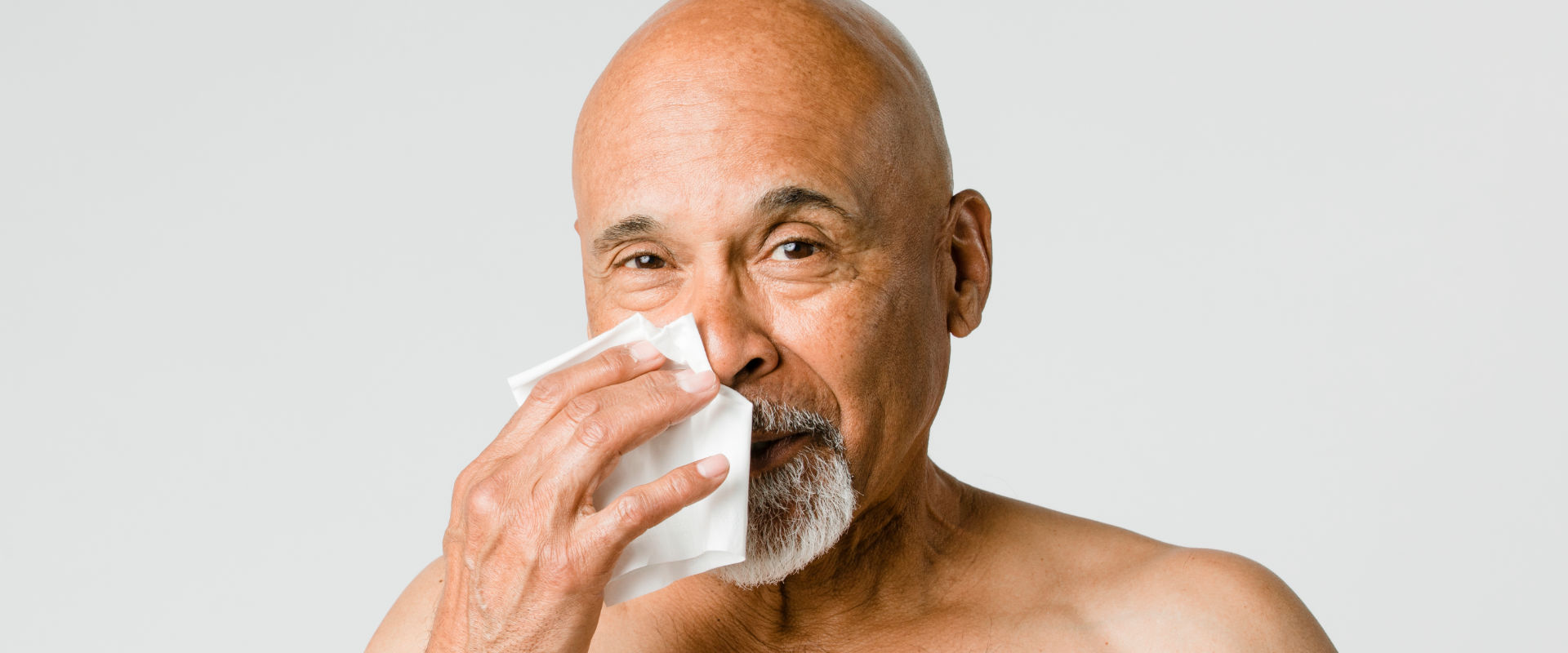
Squeeze the nostrils of the affected person for 5-10 minutes, ideally using a cloth or handkerchief. This will stop the bleeding.
Cooling helps
A cold washcloth or cooling pad in the area of the root of the nose or neck can help to constrict the blood vessels and stop the bleeding.
Keep upper body upright
Keep your upper body upright to lower the blood pressure in the head area. This reduces the pressure on the blood vessels in the nose.
When should I see a doctor or ENT specialist?
A visit to the ENT specialist or family doctor is advisable if:
- nosebleeds occur repeatedly.
- Injuries to the nasal septum are suspected.
- foreign bodies in the nose cannot be removed.
- Unclear causes or additional symptoms such as fever, headache or facial pain may occur.
- an inflammation of the paranasal sinuses is suspected.
Diagnostics: What does the doctor do for nosebleeds?
The doctor usually performs an examination with a nasal mirror to localize the exact location of the bleeding. Depending on the suspicion, blood tests, a blood pressure check or imaging procedures may also be necessary. The aim is to find the cause of the bleeding and treat it in a targeted manner.
Possible medical treatments
- Cauterization (e.g. with silver nitrate) of small vessels in the case of recurrent bleeding.
- Tamponades or hemostatic nasal strips for acute care.
- Surgical measures if there is an underlying disease or injury.
- Adjustment of medication if, for example, blood clotting is too low.
Prevention: How can you prevent nosebleeds?
Frequent nosebleeds can be reduced through various habits. However, if you are unsure, it is advisable to consult a doctor.
Protect mucous membranes
- Nasal ointments or oils care for the mucous membrane.
- Humidifiers in living rooms reduce dehydration.
- Adequate hydration protects from the inside.
Avoid irritation
- No nose picking or firm nose blowing.
- Do not hold your nose when sneezing.
- Take care when inserting nasal drops or nasal sprays and use them preferably after consulting a doctor.
Healthy lifestyle
- A balanced diet with vitamin C strengthens the blood vessels.
- Exercise, stress reduction and blood pressure checks also help.
What role do chronic diseases play in frequent nosebleeds?
Diabetes mellitus, high blood pressure or chronic sinusitis often promote nosebleeds. Good control of the underlying disease is therefore crucial for prevention. Regular medical check-ups and the correct adjustment of medication also help to reduce the risk of regular bleeding.
What to do with frequent nosebleeds?
Anyone who regularly has nosebleeds should have a blood count and blood clotting checked by their GP. An assessment by an ENT specialist is also useful to rule out structural causes such as a crooked nasal septum or chronic inflammation.
When is the rescue service necessary?
In urgent cases, e.g. massive blood loss, fainting or shortness of breath, the emergency services should be called immediately. Rapid assistance can be vital, especially for senior citizens living alone.
Conclusion: Take nosebleeds in the elderly seriously, but stay calm
Nosebleeds are a common symptom that can occur in older people in particular. In most cases, it is harmless and easy to treat.
However, it is important to take the causes seriously, take targeted action and, if necessary, not delay a visit to the doctor. The risk of regular nosebleeds can be significantly reduced by taking proper care of the nasal mucosa, avoiding irritating factors and knowing first aid measures.