
We have all been aware of the importance of hygiene measures and compliance with them since the Covid-19 pandemic at the latest, as we have all had to learn: Infectious diseases can spread faster than we think.
Find out here how you can prevent the transmission of pathogens in home care and thus protect the people around you from illness and get some hygiene tips to make your everyday life more hygienic.
What is an infection?
In order to clarify the importance of hygiene measures, it must first be made clear what an infection actually is and what happens in the body during an infection.
Infections are caused by pathogens such as viruses, bacteria or fungi that enter the body and multiply there. If the immune system is then unable to fight these effectively, an infectious disease can occur.
Infections can be localized, such as in the ears, throat, stomach, intestines, eyes or urinary tract, or they can affect the entire body, in which case they are referred to as general infections. Examples of a general infection are hepatitis (inflammation of the liver), meningitis (inflammation of the meninges) or sepsis (blood poisoning).
If an infection occurs during professional healthcare, this is called a nosocomial infection. Here in Germany, around 400,000 to 600,000 people contract such an infection every year. Around 80% of these are urinary tract infections, wound infections and pneumonia.
Signs and consequences of infections
Infections can cause various symptoms, including
- Fever and chills
- Discomfort
- Nausea and vomiting
- Diarrhea
- Burning sensation when urinating
- cloudy urine
- purulent wounds
- Swollen and reddened areas of skin
- Pain
The symptoms can be atypical, especially in older people and those in need of care, which can lead to an infection being recognized and treated late, which can have a negative impact on the course of the disease.
The tricky thing about infections is that they can spread and worsen if they are not treated. As a rule, this can lead to secondary illnesses, so a harmless respiratory infection can turn into pneumonia, the pathogens in an infected wound can spread further in the body and cystitis can develop into kidney and pelvic inflammation.

A particularly dangerous consequence of an infection can be sepsis, i.e. blood poisoning, which in the worst case could even be fatal. This is an emergency that requires immediate treatment.
Why is hygiene important in care?
The implementation of hygiene measures in care settings helps to prevent the spread of viruses, fungi and bacteria. Preventing the spread of infectious diseases is particularly important for older people in need of care and the chronically ill, as their immune system is weakened by various influences, such as certain medications and immunosuppressants like cortisone. The fact is that the immune system of those affected can no longer fight off germs as well as it can in healthy people. In addition, the recovery time for those affected is many times longer.
However, observing hygiene measures is not only important for those affected, but also for caregivers. Close contact with people in need of care also significantly increases the risk of infection for them. The place of care is irrelevant, whether hospital, nursing home or at home - important hygiene measures should be observed and adhered to everywhere to protect everyone involved.
Apply and implement hygiene measures
Hygiene measures are applied in many areas of life, especially in places with an increased incidence of pathogens such as nursing homes and hospitals. There are also hygiene measures in home care and for individual hygiene, which relate to personal cleanliness and health care.
A distinction is made between three different areas of application for hygiene measures:
- Individual hygiene
- Hygiene management for people in need of care
- Hygiene measures in home care
Individual hygiene
One of the most important personal hygiene measures is hand hygiene, i.e. regular and thorough hand washing, as viruses can also be transmitted through formalities such as shaking hands.
As the hands are the most common carriers of pathogens, everyone should wash their hands regularly, especially:
- After coming home
- After using the toilet
- After blowing your nose, coughing or sneezing
- After contact with waste
- After contact with animals
- Before meals
- Before handling medicines or cosmetics
- Before and after preparing food
- Before and after contact with sick people
- Before and after contact with wounds
Hand hygiene is particularly important for family caregivers. Particular attention should be paid to thorough hand hygiene before activities such as handling medication (especially before injections such as insulin), treating wounds, changing incontinence or bandage material and preparing food or special food (e.g. liquid nutrition).
How to wash your hands properly
Washing your hands properly is a simple but effective way to prevent the spread of pathogens. Here are some tips on how to wash your hands properly:
- Before washing your hands: you should remove jewelry such as rings before washing your hands, as dirt, bacteria and germs can easily accumulate underneath and cannot otherwise be thoroughly removed. Jewelry is best cleaned separately; if you have jewelry on your hands that cannot be easily removed, you should focus on this area when washing.
- Wet your hands under running water: It is best to use lukewarm water so as not to stress your hands unnecessarily.
- Apply soap: Soap your hands thoroughly, making sure that you wash the palm of your hand, the back of your hand, your fingertips, the spaces between your fingers, your thumb and your fingernails. Liquid soaps are more hygienic than solid bars of soap.
- Soap for at least 20 seconds: A thorough hand wash can take 20-30 seconds.
- Rinse thoroughly: Remove all soap residue under running water.
- Dry your hands: Use a clean towel or disposable wipes. If you are in a public washroom, use a paper towel to turn off the tap.
You can also:
- Use a nail brush: If your nails are particularly dirty, use a nail brush to remove any residue.
- Use hand cream: Avoid dry and cracked skin by applying hand cream regularly.
- Disinfect your hands: You should also regularly disinfect your hands with hand sanitizer.
By following these steps, you can effectively remove germs and dirt from your hands and reduce the risk of infection.
Protective clothing
Wear a protective gown or apron if your clothing could come into contact with body fluids, as an apron offers protection against your clothing becoming soiled. Use a medical face mask if you have symptoms of a respiratory infection. Safety goggles are necessary if there is a risk of pathogens getting into the eyes, for example when aspirating respiratory secretions.
Care aids without co-payment
Many people don't know that they can get care aids free of charge from care level 1 onwards if required. care aids for consumption worth €42 per month. This means you can stock up on protective aprons, disposable gloves and disinfectants at no extra cost if you need them regularly. For more information, visit www.Hilfeimpaket.de.
Hygiene management for people in need of care
Bathroom, kitchen, bedroom and living room: you can improve hygiene in these rooms with simple but effective measures.
As long as the person in need of care does not have any infectious or immunocompromising diseases, no special hygiene measures are required. You can follow the usual hygiene rules that apply in every household:
Hygiene in the bathroom
Here are some tips for better hygiene in your bathroom:
- Replace the toilet brush regularly.
- Use separate sponges or cloths to clean the toilet, shower, washbasin and bath.
- Clean contact surfaces such as door handles and light switches regularly.
- Damp mop the floor regularly, ideally at least once a week.
- Ventilate daily by opening the windows fully instead of just tilting them.
Hygiene in the bedroom
Here are some tips for hygiene in the sleeping area:
- Change the bed linen regularly, ideally every two weeks. If they become soiled, you should replace them immediately.
- If necessary, you can use bed protection pads, which are available free of charge as part of the care aids for consumption.
- Replace soiled mattresses and inlets to ensure a clean sleeping environment.
- Ventilate the sleeping area regularly, vacuum the floor and clean surfaces and objects to maintain a pleasant and hygienic environment.
Hygiene in the kitchen
Here are some tips for hygiene in the kitchen:
- Change dishwashing sponges, cloths and brushes regularly, preferably once a week.
- Clean the sink daily to prevent bacterial growth.
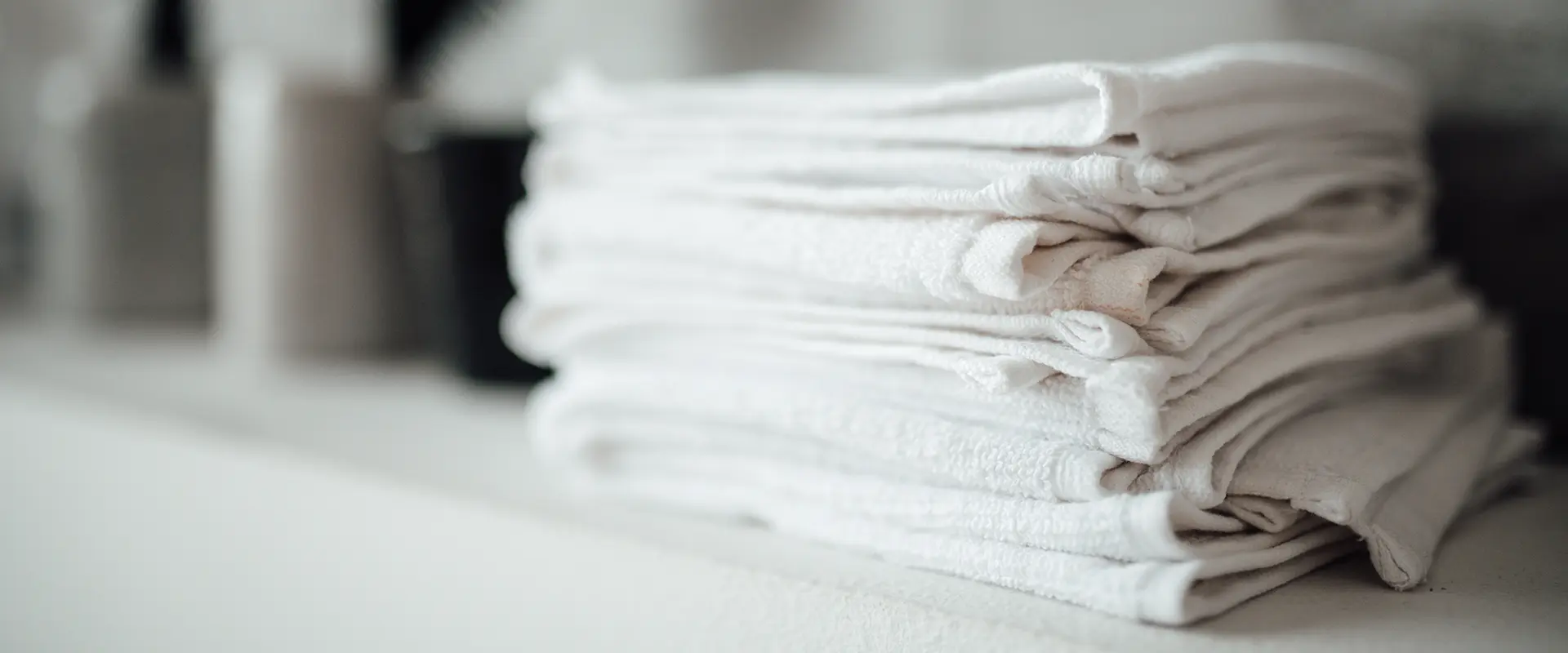
- Wash towels and tea towels regularly at a temperature of at least 60 degrees and allow them to dry thoroughly, ideally once a week.
- Damp mop the floor regularly, at least once a week.
- Check the refrigerator weekly for spoiled food and clean it thoroughly every two months.
- Cook meat and egg dishes thoroughly during preparation to avoid food-borne infections.
- Clean dishes, cutlery and other kitchen utensils thoroughly with warm water and plenty of washing-up liquid or in the dishwasher at a temperature of at least 60 degrees.
- Dispose of waste immediately and clean waste garbage cans at least once a week to reduce odors and bacterial growth.
Hygiene when washing laundry
Here are some tips for laundry care:
- Carry out regular wash loads at a high temperature, ideally at least 60 degrees, to kill germs.
- Clean the sieves and filters of your washing machine and dryer regularly to ensure optimum performance.
- Do not leave damp laundry in the machine for long periods of time to prevent odors and mildew growth.
- Wash heavily soiled laundry, such as urine, stool or vomit, separately and at a temperature of at least 60 degrees to ensure thorough cleaning.
- Wash dishcloths, cleaning cloths, towels, bed linen and underwear regularly at a temperature of at least 60 degrees to eliminate germs and ensure a hygienic environment.
Hygiene measures in home care
Body and skin care is an essential part of home care and forms one of the fundamental pillars of hygiene measures. Certain areas require special attention when it comes to personal hygiene, such as
- Intimate care
- Oral and dental care
- Foot care
- Ear care
Thorough personal hygiene is particularly important in these areas to prevent infections and discomfort and to maintain the well-being of the person in need of care.
Intimate care during home care
If you support your relative with intimate hygiene, you should observe special hygiene measures - both for your own protection and for the protection of your family member in need of care.
It is important to adhere to general hygiene standards in home care. This includes always wearing disposable gloves for intimate care and washing used towels and washcloths in the laundry immediately after use (at a minimum of 60 degrees) to avoid repeated use. Here are some more tips:
- You should wash your hands thoroughly before and after cleaning.
- If you perform intimate hygiene in bed, place bed protection pads underneath to protect the bed from soiling.
- Pay attention to the order: clean the intimate area last, after you have washed your face, ears, neck, chest, arms, hands, stomach, back, armpits, legs and feet.
- To prevent the spread of fungal infections, use separate materials such as washcloths, razors and towels for infected areas and do not use them in intimate areas.
- Gently and thoroughly dry the areas of the body after cleansing.
- In the case of incontinence, it is important to change absorbent products such as pads several times a day and to remove stool from the skin immediately. Products used for faecal incontinence should be changed after every discharge.
Oral and dental care during home care
The oral health plays a decisive role in general well-being and health. Thorough cleaning is of the utmost importance: in addition to dental care, this often includes cleaning dentures, the tongue and the mucous membranes in the mouth.
For effective oral and dental care, it is important to observe a few hygiene principles:
- You should wash your hands thoroughly before and after cleaning.
- Prepare all the necessary utensils and wear disposable gloves during care.
- Only use care products that the person in need of care can tolerate, such as special soaps and toothpaste.
- Clean the tools thoroughly after each use.
- Replace plastic toothbrushes and tongue scrapers after about four weeks and interdental brushes after just one week, especially if they are heavily infected or worn.
- Make sure to replace washcloths and toothbrushes regularly to ensure hygienic oral care.
Ear care for home care
Ear care can also be carried out by relatives. You should have all the necessary utensils such as soap, washcloths, cotton buds and, if necessary, care oil to hand. With clean hands, you can then carefully clean the auricle of the person in need of care with soap and water. Cotton buds should only be inserted very gently.
It is important to check the ears regularly, as excessive earwax can often be a cause of age-related hearing loss. In this case, it is advisable to visit an ear specialist with your relative and have a professional cleaning carried out there
Thorough hygiene is particularly important with hearing aids:
- Check the hearing aid daily for visible soiling and clean it if necessary, especially for people with heavy earwax or perspiration.
- Use a soft cloth and a special cleaning agent for cleaning. Avoid using washing-up liquid, alcohol or aggressive cleaning agents.
- For stubborn dirt, a hearing aid acoustician can clean the device with an ultrasonic bath.
Foot care for home care
Foot care is an important part of body care. Feet should be cleaned regularly, dried thoroughly and then moisturized. However, it is only advisable to perform a pedicure yourself if the person concerned does not have any illnesses such as diabetes, as there is always a certain risk of injury when working with scissors and files. As a rule, it is therefore advisable to consult a specialist for medical pedicure specialist. You can book these at regular intervals, and some providers even offer home visits.
Hygiene measures in the event of illness
It can happen that the germs cannot be resisted and a case of illness occurs despite compliance with standard hygiene measures. It is now crucial to adapt hygiene measures in order to avoid infection.
If the person in need of care is ill, various hygiene measures are advisable depending on the type of infectious disease. It may be advisable to wear disposable gloves, a protective gown and a face mask. Thorough hand hygiene with disinfectant is also important. Used dishes or soiled laundry should be washed immediately at a temperature of at least 60 degrees or stored in a closed container. In the event of a corona infection, it is also important to observe the appropriate infection protection measures, such as wearing an FFP2 mask and keeping your distance if possible. Caregivers should consult with the attending physician for precise hygiene instructions.
If the caregiver is ill, caregivers should limit close contact to necessary care measures, especially in the case of colds or diarrhea. It is particularly important to observe sneezing and coughing etiquette and to cough and sneeze into the crook of the arm. Wearing a face mask can help to catch the droplets and also provides protection. Regular hand washing prevents germs from getting onto surfaces via smear infections in the event of gastroenteritis.
Hygiene management in nursing care
Responsibility for hygiene management lies primarily with the operator of a practice, hospital or care facility. Although the nursing staff also have a responsibility, the highest authority is decisive.
Various topics must be taken into account in hygiene management, including
- Occupational safety
- Personal hygiene
- Use of disinfectants
- Environmental hygiene
- Handling medical devices
- Administration of medicinal products
- Patient-related hygiene
- Hygiene during home and nursing home visits
- Dealing with infectious patients
A central component of this management is the hygiene plan, which defines the planned hygiene management. Among other things, it defines who is responsible for which tasks, which qualifications are required and which regulations apply to the prevention of infection in patients.
Attention MRSA: Why are multi-resistant pathogens so dangerous?
In care facilities, nursing staff have to keep a large number of pathogens in check to prevent them from spreading. Of particular concern are the so-called multi-resistant pathogens, which can multiply particularly well in clinical environments such as hospitals.
One example of this is methicillin-resistant Staphylococcus aureus (MRSA). This bacterium is found on the skin and mucous membranes of many healthy people and can be easily transmitted. It does not normally cause illness. However, if the bacteria are resistant to antibiotics, which can occur more frequently in care facilities where antibiotics are often used, an MRSA infection poses a serious risk.
Hygiene regulations in the care sector
Each federal state has its own hygiene regulations that set out guidelines for hygiene management by care professionals. The differences between the federal states mainly concern the contact persons and the disposal of waste.
If there are any uncertainties, it is advisable to contact the relevant health authority. It is important to contact the office in the relevant federal state, as it is informed about the specific local regulations.
What hygiene rules apply to visitors in nursing homes and hospitals?
Hygiene regulations in nursing care are generally less strict for home and nursing home visits. In outpatient care, the risk of infection is lower and can usually be effectively contained by appropriate personal hygiene on the part of care staff.
In nursing homes and hospitals, on the other hand, hygiene plays a more important role. Here, the numerous visitors pose an additional risk of infection, which can spread quickly among patients. There is also the possibility that visitors themselves are infected, which is why it is important to cover wounds or injuries appropriately.
Visitors should be informed that they must clean their hands thoroughly with disinfectant before and after their visit. Depending on the illness of the patient in need of care, it may also be necessary to wear a face mask.
Nursing staff are responsible for giving instructions in accordance with the recommendations of the Commission for Hospital Hygiene and Infection Prevention (KRINKO) and instructing visitors accordingly. Training courses are another way of disseminating knowledge about appropriate hygiene during a patient visit.
Conclusion: The three most important hygiene measures in care
Finally, we have summarized the most important hygiene measures in nursing care for you:
Careful hand washing
Thorough hand washing is of crucial importance, especially when caregivers have direct contact with people in need of care, be it when going to the toilet, at mealtimes or during personal hygiene. Thorough hand hygiene is also required before preparing food or handling dentures or medication.
To clean your hands properly, hold them under running water and lather them thoroughly with soap for 20 to 30 seconds. Then rinse thoroughly and dry well with a clean cloth.
Needs-based hand disinfection
In the case of infectious diseases or open wounds of the person in need of care, the use of a disinfectant can be useful. This enables care staff to specifically remove pathogens from their hands and protect both the person in need of care and themselves from further infections. infections from further infections. However, it should be noted that disinfectants can dry out the skin and lead to chapped hands. It is therefore advisable to discuss in advance with the doctor treating the person in need of care whether and how often hand disinfection is advisable.
Ensure cleanliness of the care environment
A clean care environment makes it difficult for pathogens to spread. Normal cleaning agents are sufficient for cleaning floors, furniture, sanitary facilities and other objects. In the case of infectious diseases, care staff can also disinfect toilets, remote controls and other frequently touched objects.