
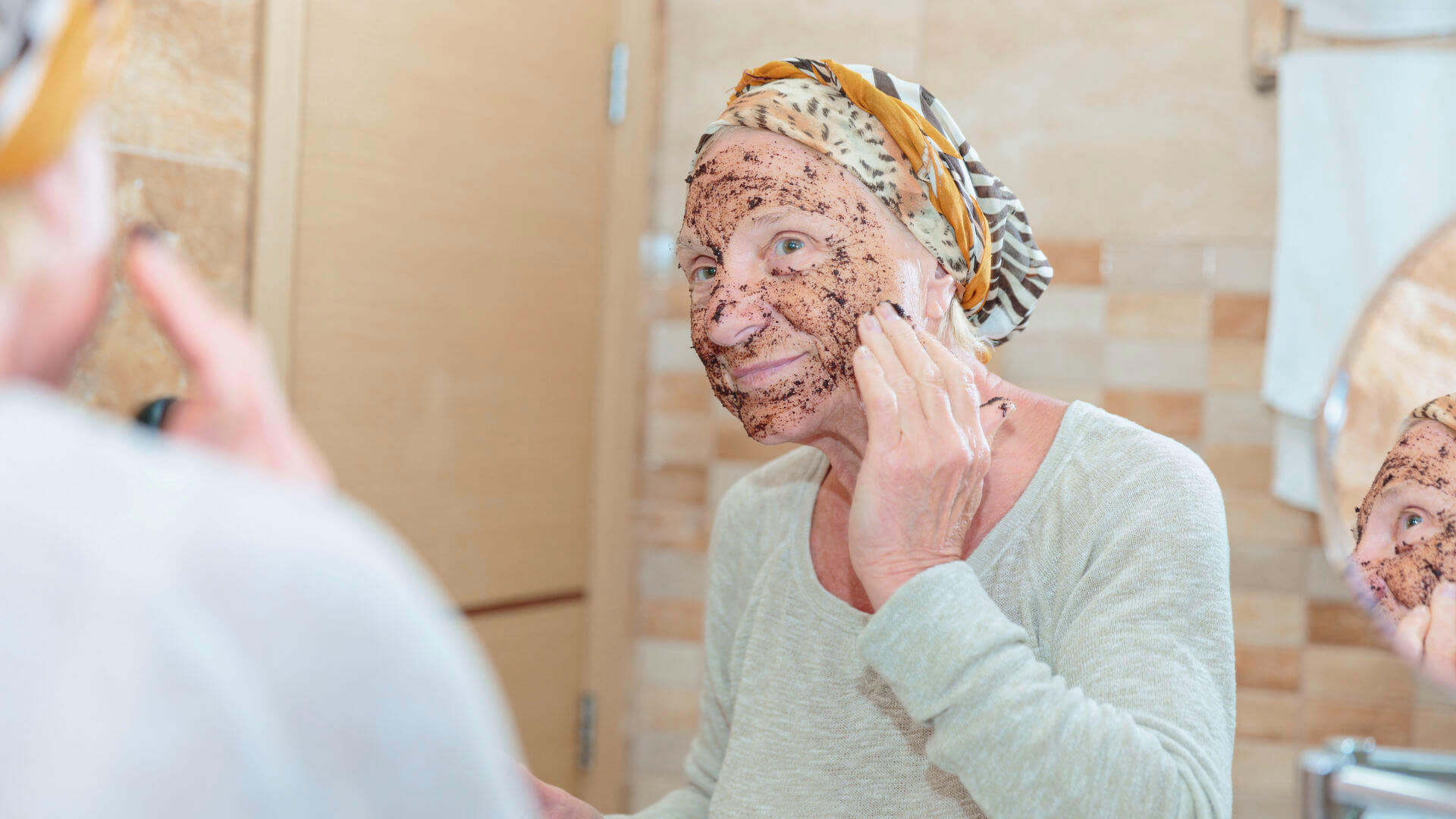

The skin is a fascinating organ that not only protects our body, but also tells many stories. Over the years, the different layers - from the epidermis to the dermis and the subcutis - change and therefore require adapted care.
Healthy skin is crucial to protect against harmful influences that can cause various diseases.
In this blog post, you will find valuable information on skincare products that optimally support your skin and regenerate the cells. You will also find out how you can maintain your skin's blood vessels and moisture balance.
Definition and causes of ageing skin
Skin changes with age are an important issue that affects many people. The epidermis becomes thinner, while the dermis loses elasticity, resulting in a less protected dermis. In addition, the water content in the subcutis decreases, which often results in dry skin. These changes can impair the function of the blood vessels and lead to an increased susceptibility to skin problems.
To take optimum care of your skin, it is advisable to choose products that are specially formulated for mature skin and support the natural barrier of the epidermis. Make sure you drink enough fluids to keep the cells hydrated and the skin supple. Consistent sun protection is also very important to ward off harmful UV rays. By taking these measures, you actively contribute to the health and defense of your skin and promote a radiant appearance even in old age.
What is ageing skin?
Ageing skin is sensitive and dry skin that loses elasticity, moisture and protection due to ageing processes. These changes leave traces, making the skin less elastic and significantly less moisturized, making the skin's surface more susceptible to external influences.
There is no fixed age at which we speak of ageing skin. Rather, the symptoms of those affected are decisive. Every person experiences the ageing process differently, so individual characteristics should be taken into account in skin care.
Causes of skin ageing
Skin ageing is caused by a combination of factors including age, UV rays, diet and genetics. These elements work together and contribute to the visible changes in the skin.

As we age, our metabolism slows down, which leads to a reduced production of elastin and collagen. These proteins are crucial for the firmness and elasticity of the skin. Therefore, ageing reduces the skin's overall elasticity and firmness.
Skin ageing is also influenced by external factors such as care, stress, UV radiation and air pollution. These factors can accelerate the ageing process and further impair the health of the skin.
How does the skin change with age?
The skin consists of three layers: the epidermis, the dermis and the subcutis. These layers play a crucial role in the health and appearance of the skin throughout life.
From the age of 20, there are fewer stem cells in the human body, which means that the skin renews itself more slowly. This can lead to a less fresh and radiant appearance.
In addition, the production of sweat and sebaceous glands decreases from the age of 30. These glands are essential for keeping the skin moisturized and ensuring its elasticity. A decrease in these natural sources of moisture can lead to drier skin.
Symptoms and characteristics of mature skin
Mature skin needs special attention to stay healthy and radiant. As we age, the skin structure changes significantly; the epidermis becomes thinner while the dermis loses elasticity. This often leads to a reduced ability to retain moisture, resulting in dry and flaky skin. In addition, blood flow to the blood vessels in the dermis can decrease, which impairs the supply of nutrients to the cells.
To counteract these changes, targeted skin care with products rich in moisturizing ingredients and adapted to the respective skin type is recommended. Such products should also offer protection against UV rays, as older people and senior citizens are particularly susceptible to skin cancer and other serious skin diseases.
Sufficient water intake and regular use of nourishing creams are therefore essential. Use this information to give your skin the best possible protection against pathogens and restore its healthy appearance.
Typical symptoms of ageing skin
Although most symptoms of ageing skin are perceived as annoying by those affected, they can be treated well with the right skin care products. Targeted skin care is crucial to reduce the signs of ageing and improve the appearance of the skin.
Typical symptoms of ageing skin include skin thinning, wrinkles, fine lines and age spots.
Skin care in old age: What helps against dry skin?
Mature skin needs special attention to maintain its health and vitality. The changes in the skin as we age increase the risk of dry skin and redness, which is why targeted care is essential. Be sure to choose products that are rich in moisture and contain important nutrients. Moisturizers protect the skin from losing water and support cell regeneration.
It is also important to protect the skin from the sun's harmful UV rays in order to minimize the risk of skin cancer. Blood vessels in the dermis can also become more susceptible due to age-related changes. Regular care with gentle cleansers and nourishing creams not only improves the appearance of the skin, but also makes it feel pleasant.
Skin care for people in need of care
Caring for mature skin is of great importance to promote the health and well-being of your loved ones. Especially for those in need of care, skin can become more susceptible to dryness and damage due to various factors such as reduced hydration and fewer active cells. Careful skin care supports the epidermis and underlying dermis by moisturizing and strengthening the skin barrier. Use products that are rich in active ingredients and protect the skin from harmful environmental influences and UV rays from the sun. Be sure to apply the products gently and pay attention to sensitive areas.
Regular skin care can also reduce the risk of skin cancer, as healthy skin cells remain active. It is important that skin care is carried out consistently to ensure long-lasting improvement. Ensure that sufficient water is absorbed to hydrate the subcutis and optimally supply the blood vessels.
Tips for skin care in old age
Mature skin needs special attention to stay healthy and radiant. The top layer of skin, the epidermis, becomes thinner with age, which means that the dermis underneath offers less protection. The cells also lose moisture, which leads to dry and rough skin. To counteract this, it is advisable to regularly use moisturizing products that strengthen the skin barrier.
Make sure you choose products with ingredients such as hyaluronic acid and vitamin E that supply the skin with sufficient water. Protection from UV rays is also important to minimize the risk of skin cancer. Therefore, always use sun cream to protect the sensitive blood vessels and the deeper dermis.
A well-hydrated body also supports the health of the subcutaneous tissue and promotes a more youthful appearance overall. The right care ensures that your skin retains its vitality as you age and makes you feel comfortable at any age.
Counteracting dry skin in old age
An effective approach to combating dry skin in old age is targeted care of the epidermis and the underlying dermis. Mature skin needs special attention as blood circulation decreases and cells are less able to retain water. For healthy skin, it is important to use products that not only moisturize but also protect and regenerate the dermis. Sunscreens are essential as older people are particularly susceptible to skin cancer due to weakened skin.
Make sure you choose suitable care products that support both the epidermis and the subcutis. Regular use of these products will help to significantly improve the appearance of your skin and increase your sense of well-being. Avoid aggressive cleansers and instead opt for gentle formulations that do not dry out the skin. These measures will provide your skin with the necessary protection and an optimal supply of moisture.
Counteracting dry skin in old age
Dry skin in old age can be effectively counteracted by integrating several important steps into your daily skin care routine. Here are some proven strategies:
- High-quality moisturizing care: Use rich creams or lotions that contain ingredients such as urea, glycerine and hyaluronic acid. These substances support hydration and help to keep the skin soft and supple.
- Regular cleansing: Make sure to use mild, pH-neutral cleansing products that do not further dry out the skin. Avoid aggressive soaps or detergents.
- Sufficient fluid intake: Drink enough water to hydrate your body and skin. Aim for one and a half to two liters per day.
- Sun protection: Protect your skin from UV rays, as these can accelerate skin ageing. Use a sunblock with a sufficient sun protection factor every day.
- Increase air humidity: Especially indoors, high humidity can help keep skin well moisturized. Use a humidifier, especially in the winter months.
- Gentle exfoliating products: Use a gentle exfoliator to remove dead skin cells. This can help improve skin texture and promote the absorption of moisture. Be careful not to do this too frequently to avoid irritation.
- Protective clothing: Wear protective clothing in cold weather to protect your skin from dry air and cold.
- Healthy diet: A balanced diet rich in healthy fats (e.g. from avocados, nuts and fish) and antioxidants can have a positive effect on the appearance of the skin.
Why older people are particularly susceptible to dry skin
Older people often have an increased risk of dry skinas the structure of the skin undergoes changes over the years. The epidermis becomes thinner, while the dermis loses elasticity and moisture. In addition, the skin's ability to retain water is reduced, leading to a loss of suppleness. Blood vessels in the dermis slow down their function, impairing blood circulation and the supply of nutrients to the skin cells.
These factors can not only dry out the skin, but also increase the risk of skin damage such as skin cancer. To support the health of the skin, it is advisable to choose specific care products that moisturize and offer protection against UV radiation. Adequate hydration and avoiding harsh cleansers are also important. By taking this information into account, you can give your skin the protection it needs and maintain its vitality.
Medical skin care for the elderly
Mature skin needs two important components in particular: Moisture and oil. These are crucial for keeping the skin supple and healthy. When caring for mature skin, you should make sure that the skin care products you use contain between two and ten percent urea and glycerine. These ingredients make a significant contribution to intensively hydrating the skin and giving it a fresh appearance.
We recommend that you start your skin care routine in the morning with an oil-in-water lotion. These lotions provide an excellent start to your daily skincare routine and help the skin to retain moisture.
Gentle skin care products for ageing skin
You are also well advised to replace not only cosmetics, but also detergents and cleaning products with skin-friendly alternatives. These products can help to avoid irritation and dryness of the skin, especially with mature skin, which can be more sensitive.
We also recommend that you wear gloves when cleaning your home and working in the garden. This protects your hands from harmful substances and prevents them from drying out or becoming irritated.
Skin diseases in old age
Ageing skin is the sum of time-aged and light-aged skin and the changes associated with the natural ageing process can lead to a variety of skin conditions. These conditions are often the result of a reduced metabolism, reduced production of collagen and elastin and a decrease in skin hydration.
One of the most common complaints is itchy skin, which leads to dry and scaly patches of skin due to the loss of fluid. This itching can be very uncomfortable for those affected. If sufferers resort to scratching to counteract the itching, small wounds can appear on the skin, increasing the risk of infection.
Many skin diseases can develop from ageing skin, including
- Eczema: These inflammatory skin conditions are characterized by redness, itching and scaling. They are often seen in older people and can be triggered by dry skin or allergies.
- Psoriasis (psoriasis): A chronic, non-contagious skin disease that causes plaque-like, red patches with silvery-white scales.
- Dermatitis: An inflammatory reaction of the skin that can lead to redness, itching and a damaged skin barrier.
- Basal cell carcinomas and squamous cell carcinomas: Common skin tumorswhich can be caused by excessive UV radiation. These diseases are often easily treatable, but require early diagnosis.
People who are cared for at home are often also affected by skin diseases, as inadequate or incorrect care can also lead to skin problems. Preventive measures and appropriate skin care are crucial to minimize the risk of skin diseases in old age.