
A well-stocked medicine cabinet is a must for every family. From the cold and flu season to emergencies, it can make the difference between being prepared and getting into trouble. In this blog post, we'll go over the basics of stocking a medicine cabinet and what to do in an emergency.
What belongs in a medicine cabinet?
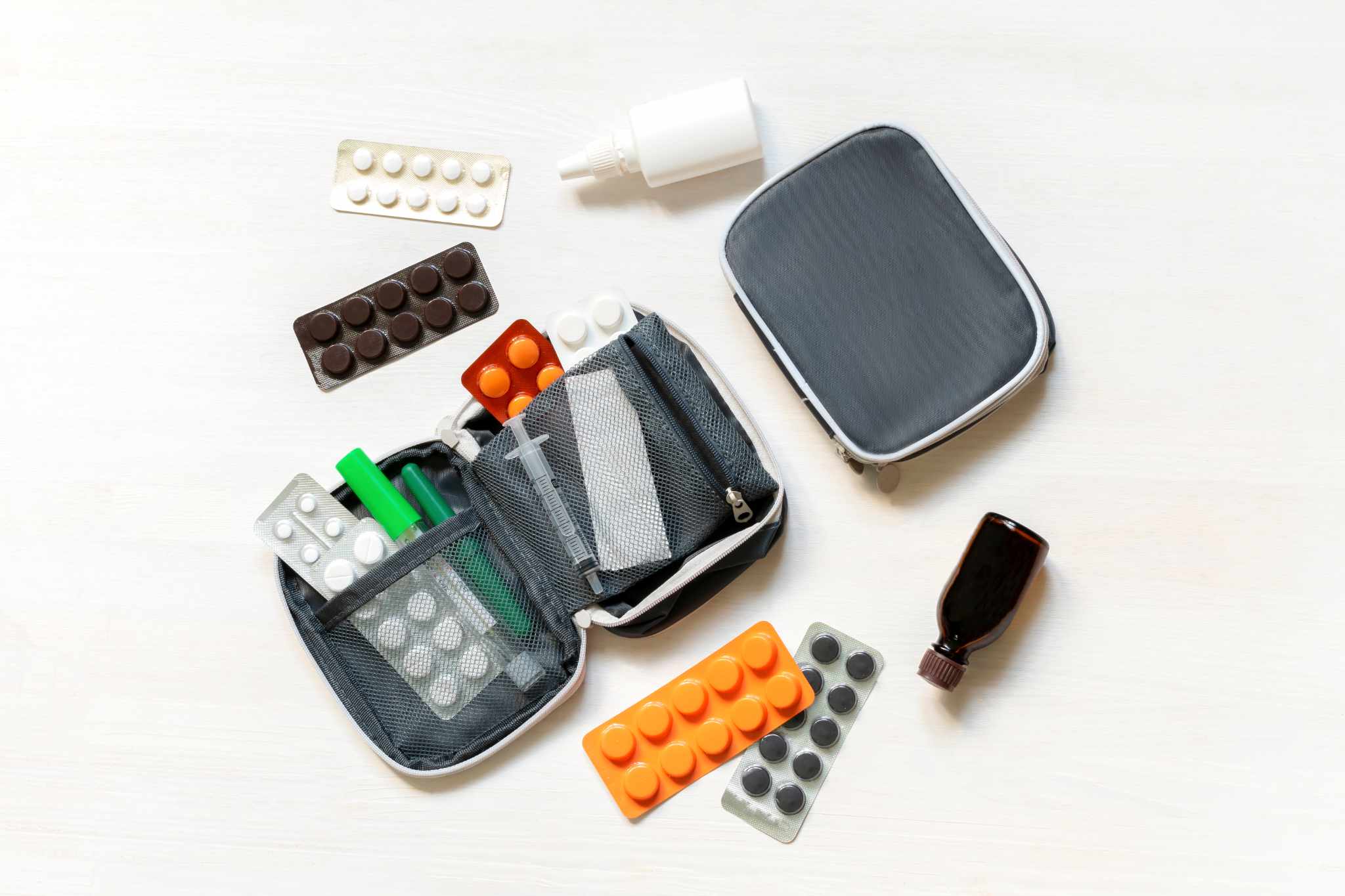
Most people think of painkillers such as ibuprofen, but there are also other important remedies. For example, antihistamines for allergies, cough syrup for colds and bandages for scrapes and cuts. It's a good idea to have a range of over-the-counter medications on hand so you're prepared for anything.
Bandages and plasters
are of course a must for minor cuts and abrasions. But you should also have gauze and plasters with you for more serious injuries. A small first aid kit is also a good idea. You can buy one in most stores or put one together yourself.
Which medicines should be in a medicine cabinet?
Keep the most common medications in stock. These include, for example, medication for
- Headache
- Throat and cough remedy
- Antipyretic
- Ointments against itching
- various remedies for emerging diseases such as allergies, migraines, herpes, flu, asthma
- Ointments or gel for minor burns
But: medication is not the only thing you need in your medicine cabinet. You should also have a thermometer to take the temperature and a blood pressure monitor if someone in your family suffers from high blood pressure. A small flashlight is also useful for looking in the mouth or throat. And don't forget the tweezers! They are useful for removing small splinters or ticks.
In the event of an emergency
Even if you have a well-stocked medicine cabinet, there are situations in which professional medical help is required. In the event of a heart attack or stroke for example, you should call the emergency services immediately. The same applies to serious burns, head injuries and broken bones. Knowing when you need professional help and when you can treat something at home is important.
If you have any questions about what to include in your medicine cabinet or what to do in an emergency, please contact a healthcare professional. They will be able to advise you on the best course of action for you and your family.
Make sure your family is safe and well supplied by stocking up.
One final tip:

If you have small children in the house, it is also a good idea to fit your medicine cabinet with a childproof lock. This will prevent them from getting hold of dangerous medicines.