
Swallowing disorders, medically known as dysphagia, affect millions of people worldwide and can significantly impair quality of life. The seemingly simple act of swallowing is actually a highly complex process involving numerous organs, muscles, and nerves. When this process is disrupted, problems with eating and drinking can arise, with far-reaching consequences.
This article is aimed at those affected and their relatives and provides a clear overview of the causes, symptoms, diagnosis, and treatment options for dysphagia.
What is dysphagia? Definition and basics
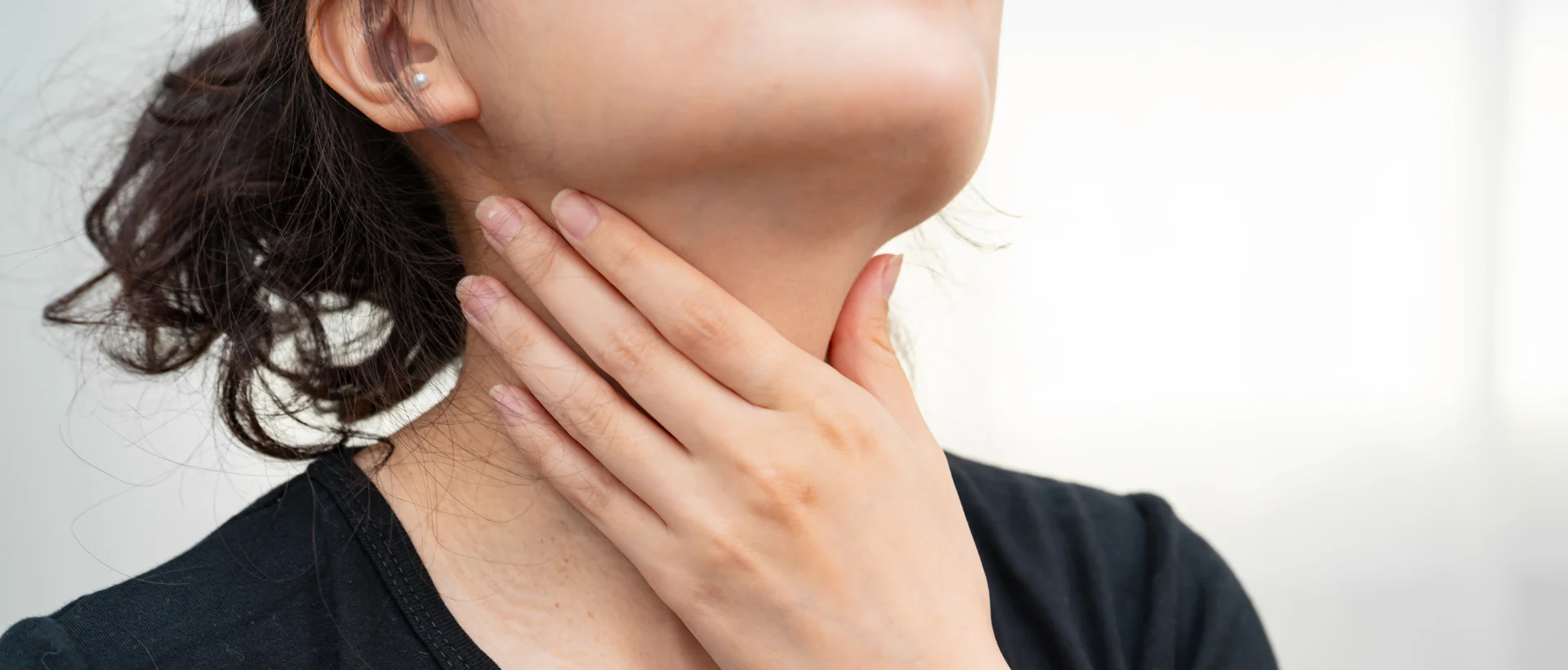
Dysphagia refers to the inability to reliably transport saliva, liquids, or food from the mouth to the stomach. The definition includes both difficulties in transporting food and liquids from the mouth to the stomach and the feeling that food is stuck in the throat or esophagus. These swallowing difficulties can vary in severity and affect different phases of the swallowing process.
The importance of normal swallowing
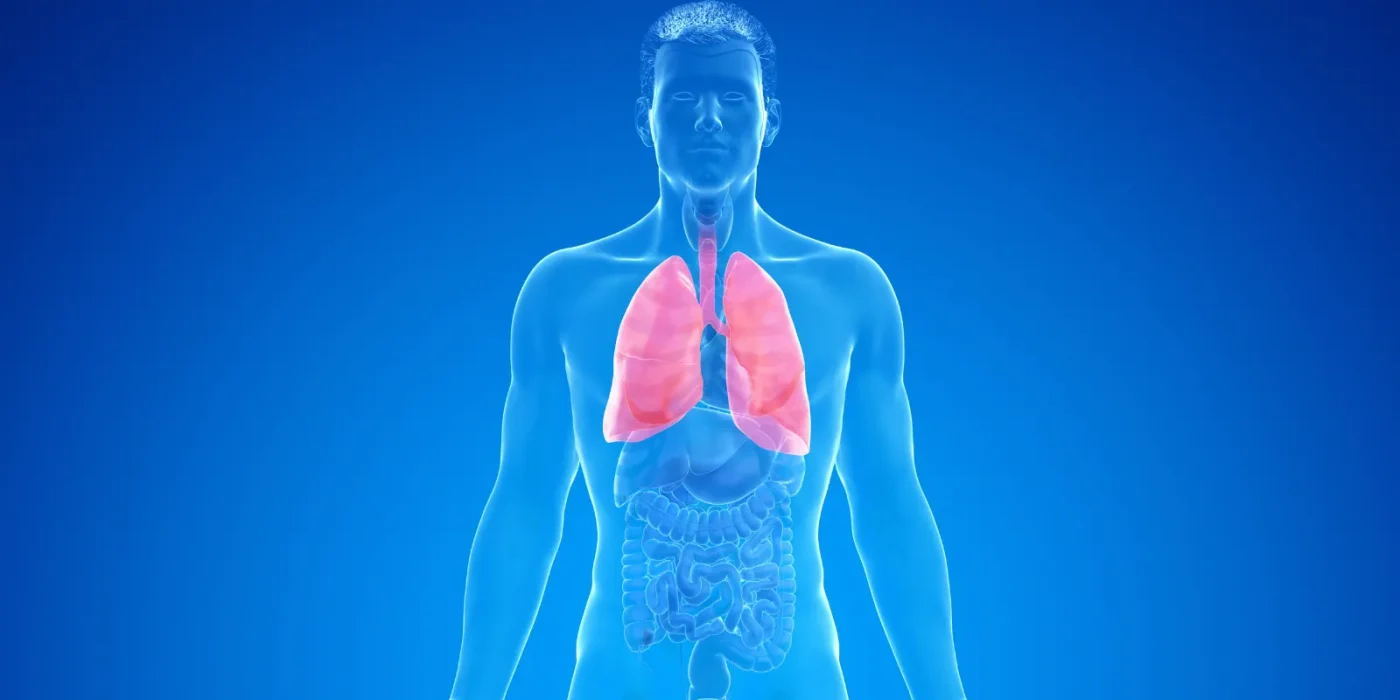
Swallowing is a fascinating process that coordinates around 50 pairs of muscles and several cranial nerves. When swallowing, the oral cavity, tongue, throat, larynx, and esophagus work together in precise coordination. This complex process enables us to safely transport not only food but also saliva several thousand times a day without choking.
Classification: Different forms of dysphagia
Oropharyngeal dysphagia
The oropharyngeal form of dysphagia affects the early stages of swallowing in the mouth and throat area. Problems with the muscles of the lips, tongue, jaw, and soft palate play a central role here. Those affected often have difficulty triggering the swallowing reflex or moving food from the mouth to the throat in a controlled manner.
Esophageal dysphagia
In esophageal dysphagia, the disorder lies in the esophagus itself. Food can be swallowed from the mouth, but gets stuck on its way to the stomach. Diseases of the esophageal muscles or structural changes are typical causes here.
Classification by severity
Dysphagia is also classified according to severity: from mild difficulty swallowing certain consistencies to a complete inability to ingest food or liquids. This classification is important for choosing the right therapy and measures.
Causes of swallowing disorders
Neurological disorders as common causes
Neurological disorders are among the most common causes of dysphagia. A Stroke can affect the nervous system in such a way that the coordination of swallowing is disrupted. Traumatic brain injuries also often lead to problems with swallowing, as the cranial nerves can be damaged.
Progressive neurological diseases
Amyotrophic lateral sclerosis (ALS) and multiple sclerosis are progressive diseases that cause swallowing difficulties as they advance. These diseases cause the interaction between muscles and nerves to deteriorate progressively, making it difficult to eat.
Structural and mechanical causes
Tumors in the mouth, throat, or esophagus can mechanically block the passage of food. Narrowing of the esophagus, inflammation, or scar tissue after surgery are also possible causes of difficulty swallowing. The location and size of such structural changes determine the extent of the impairment.
Age-related factors
With increasing age, the muscles throughout the body change, including those involved in swallowing. The natural aging process can reduce the strength and coordination of the muscles involved. Older people therefore have an increased risk of dysphagia, even without specific diseases.
Side effects of medication
Certain medications can cause dry mouth as a side effect or affect muscle control. If too little saliva is produced, it becomes more difficult to form food into a bolus and swallow. Pressure on the mucous membranes increases, which raises the risk of injury.
Symptoms and signs of dysphagia
Direct symptoms when eating and drinking
The symptoms of dysphagia mainly occur when eating and drinking. Those affected complain of a feeling that food is stuck in their throat. Frequent swallowing, coughing, or gagging during meals are typical signs. Some people need to swallow several times for each bite or have to use liquids to wash it down.
Changes in food intake
Those affected often avoid certain textures or foods. Liquids can be particularly problematic, as they are more difficult to control than solid foods. Conversely, other people primarily have problems with solid foods that are difficult to chew in the mouth.
Indirect consequences and warning signs
Unplanned weight loss and malnutrition are serious consequences of chronic swallowing disorders. Fluid deficiency due to reduced fluid intake can lead to dehydration. Repeated pneumonia occurs when food or saliva enters the airways. Changes in speech or voice can also indicate dysphagia.
Social and psychological symptoms
Difficulties eating often have social consequences. Those affected withdraw from shared meals, which can lead to isolation. Fear of choking and having to concentrate on every single swallow make eating a stressful task rather than an enjoyable one.
Diagnosis and clarification of swallowing disorders during the swallowing process
Initial consultation and clinical examination
The diagnosis of suspected dysphagia begins with a detailed discussion of the symptoms and their progression. The doctor asks when the problems occur, which consistencies are affected, and whether there are any other complaints. The physical examination includes inspection of the mouth and throat and examination of the muscles of the lips, tongue, jaw, and soft palate.
Specialized diagnostic procedures
Gastroenterology, for example, offers various examination methods for accurate diagnosis. In videofluoroscopic swallowing examination, the entire swallowing process is made visible under X-ray fluoroscopy. Endoscopic evaluation of swallowing (FEES) allows direct observation of the throat and larynx during the swallowing process. These procedures show exactly which phase of swallowing is affected by the disorder.
Role of neurological diagnostics
If neurological causes are suspected, a comprehensive neurological examination is performed. Testing the cranial nerves, reflexes, and muscle strength provides information about possible damage to the nervous system. Imaging techniques such as MRI or CT can reveal structural changes in the brain or along the nerve pathways.
Therapy and treatment options
Speech therapy for swallowing
Swallowing therapy provided by specialized speech therapists is a central pillar of treatment. Therapeutic exercises train the muscles and improve coordination during swallowing. Compensation strategies help those affected to eat and drink more safely by changing their head position or using special swallowing techniques. The therapy is individually tailored to the form and severity of the dysphagia.
Medication treatment approaches
If conditions such as reflux or inflammation contribute to swallowing disorders, medication may be part of the treatment. Relaxing agents help with spasms of the esophageal muscles. Drug therapy depends on the underlying causes and complements other measures.
Interventional and surgical measures
Interventional procedures may be necessary in cases of structural causes. Narrowings of the esophagus can be widened by dilation. In severe cases, surgical intervention may be necessary. The choice of measures depends on the type and location of the disorder.
Nutritional therapy and adjustments
Adjusting food consistency is an important therapeutic measure. Pureed food or thickened liquids often make swallowing much easier. A nutritionist works with the patient to develop a plan that ensures adequate nutrition while minimizing the risk of complications. In some cases, temporary or permanent tube feeding is necessary.
Living with dysphagia: Practical tips for everyday life
Optimization of meals
A quiet environment without distractions allows for better concentration while eating. Those affected should take enough time for meals and not feel pressured. Small portions and more frequent meals are often easier to digest than large amounts at once. The correct posture, sitting upright with the head tilted slightly forward, can make swallowing easier.
Dealing with different consistencies
It is crucial to adapt food and drink to individual tolerance. While some people cope best with soft, mushy food, others prefer firmer consistencies that are easier to control. Straws or special cups can be helpful when drinking. It is important to try out different consistencies and find out what works best.
Safety measures and emergency preparedness
Those affected and their relatives should be familiar with the Heimlich maneuver so that they can react correctly in an emergency. Someone who can help in an emergency should be present at every meal. An emergency plan and the telephone number of the attending physician should be readily available.
Oral hygiene care
Good oral hygiene is particularly important for people with dysphagia. Food residue in the oral cavity increases the risk of infection and can subsequently enter the respiratory tract. Regular tooth brushing should be part of your routine, even if speaking or opening your mouth is difficult. Adequate saliva production through sufficient fluid intake supports oral health.

Special aspects for different patient groups
Dysphagia after stroke
After a stroke, many patients develop swallowing difficulties because the nervous system's control of swallowing is impaired. The prognosis is often good. With intensive swallowing therapy, symptoms improve in many patients within weeks to months. However, some patients continue to suffer from chronic dysphagia.
Swallowing disorders in neurodegenerative diseases
In diseases such as Parkinson's, multiple sclerosis, or amyotrophic lateral sclerosis, swallowing functions often deteriorate progressively. In such cases, regular reassessment and adjustment of therapeutic measures is necessary. Dealing with increasing impairment requires flexibility and often emotional support as well.
age-related dysphagia
Age-related dysphagia, also known as presbyphagia, results from physiological changes that occur with age. Muscles lose strength, saliva production decreases, and sensitivity in the mouth and throat area changes. Preventive measures such as muscle training and adequate fluid intake can reduce the risk.
Complications and consequences of untreated swallowing disorders
Aspiration pneumonia as the main risk
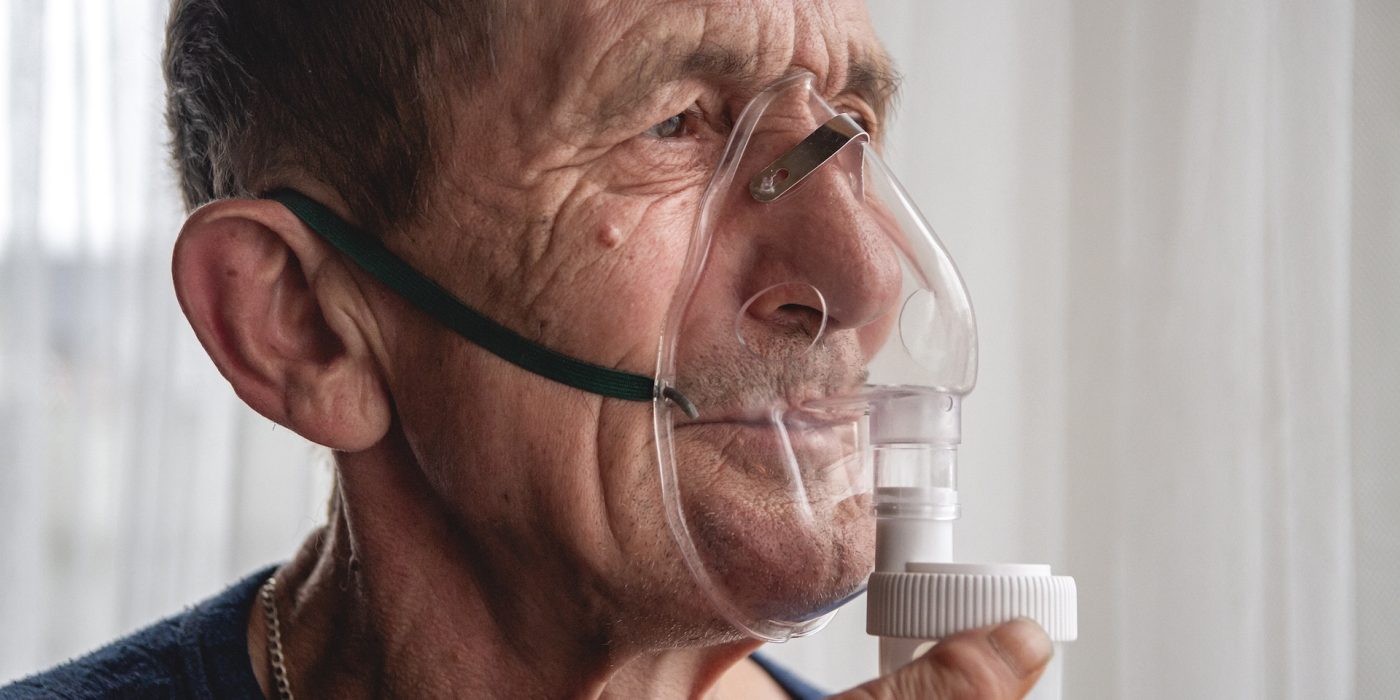
Aspiration pneumonia occurs when food, liquids, or saliva enter the airways and lungs. This form of pneumonia is one of the most dangerous consequences of dysphagia and can be life-threatening. The risk increases if the swallowing reflex is impaired or the protective function of the larynx no longer works properly.
Malnutrition and its effects
Chronic swallowing disorders often lead to insufficient food intake. Malnutrition weakens the entire organism, impairs the immune system, and delays healing processes. The loss of muscle mass can further aggravate dysphagia, as the muscles involved in swallowing are also affected.
Dehydration due to fear of swallowing
Dehydration often develops gradually, as many sufferers drink less for fear of choking. Dehydration impairs all bodily functions and can lead to confusion, circulatory problems, and kidney damage. The consequences are particularly serious in old age.
Prevention and early detection
Identify risk factors
People with the aforementioned conditions, those who have undergone head and neck surgery, or those with underlying neurological disorders should watch out for early signs of swallowing disorders. Increased vigilance is also required in older age. Anyone with risk factors should have their swallowing checked regularly.
Importance of early detection
The earlier dysphagia is detected, the better the treatment options. Medical advice should be sought as soon as the first symptoms appear, such as occasional choking, prolonged meals, or avoiding certain foods. Early diagnosis can prevent serious consequences.
Preventive measures
Regular training of the mouth and throat muscles can have a preventive effect. Exercises to strengthen the tongue, lips, and cheeks are easy to perform. Many of the muscle groups involved in swallowing are also activated when speaking. Adequate fluid intake keeps the mucous membranes moist and supports saliva production.
Interdisciplinary care and support
Collaboration between different disciplines
Providing optimal care for people with swallowing disorders requires collaboration between several specialist areas. In addition to neurologists and gastroenterologists, speech therapists, nutritionists, and nursing staff are also involved. The medical profession has recognized that an interdisciplinary approach delivers the best results.
Role of relatives
Family members play a key role in dealing with dysphagia. They provide support during meals, watch out for warning signs, and help implement therapeutic recommendations. Training courses for family caregivers provide important knowledge about safe eating techniques and emergency measures.
Psychological support
The psychological strain caused by swallowing disorders should not be underestimated. Fear of eating, social isolation, and frustration can lead to depression. Psychological support and sharing experiences in self-help groups help those affected to cope with the emotional aspects of the condition.
Outlook and new developments
Research into dysphagia is constantly evolving. New therapeutic approaches such as neurostimulation and innovative training methods are being tested. Technological aids for monitoring the swallowing process are improving diagnostics. Increasing specialization and growing awareness of the significance of swallowing disorders give hope for better care and quality of life for those affected.
Conclusion
Dysphagia, or swallowing disorder, is a complex condition with many causes and far-reaching consequences. Understanding the highly complex process of swallowing and the various mechanisms that can lead to disorders is the basis for successful treatment.
With the right diagnosis, individually tailored therapy, and practical adjustments to everyday life, quality of life can be significantly improved. Early detection and consistent treatment are essential to prevent serious complications. Those affected should not hesitate to seek professional help at the first signs, because swallowing is about much more than just eating—it is about quality of life, health, and social participation.