
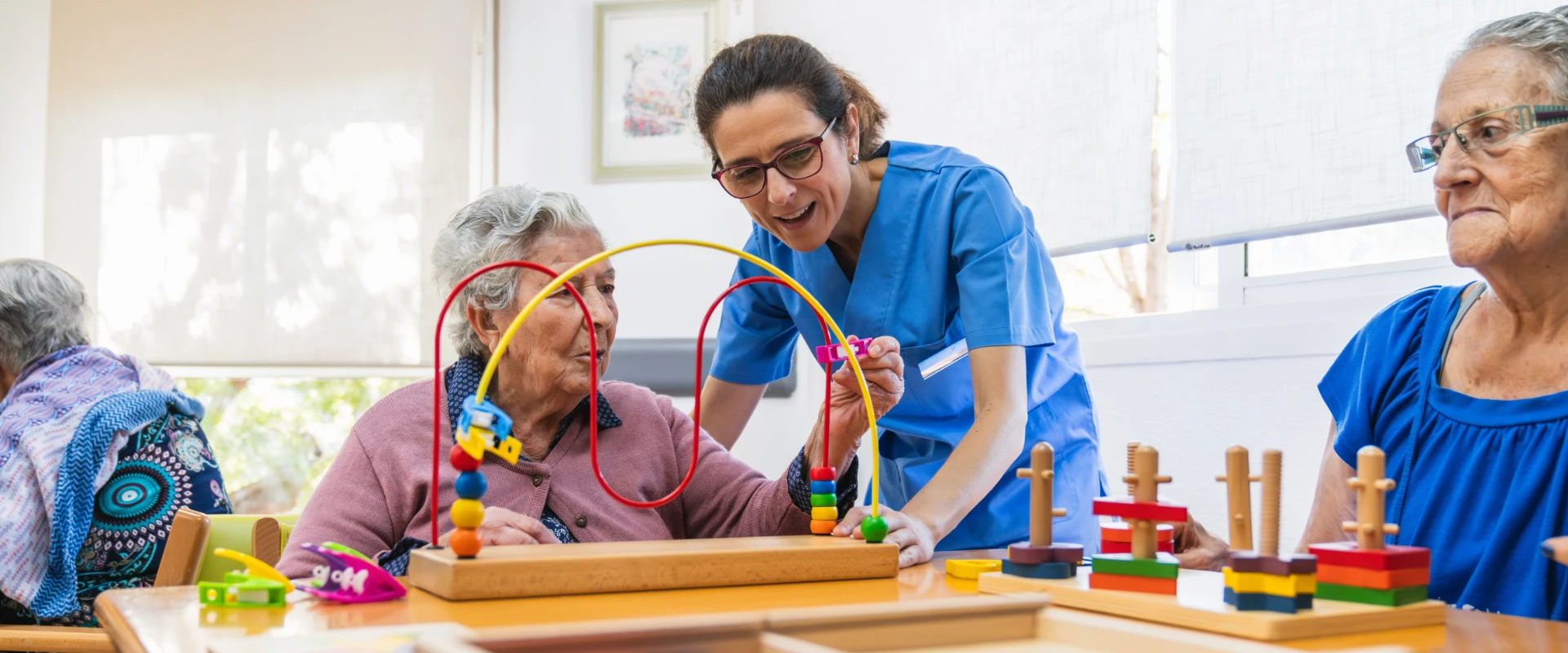

Basal stimulation is now a core care concept used in many areas of nursing. It is designed for people whose perception, communication, or mobility is limited by illness, age, or disability. The goal is to facilitate fundamental experiences through targeted stimulation, thereby promoting a sense of self and connection to the environment.
In practice, it has been shown that simple stimuli such as touch, sound, or scent can have a significant impact, particularly on patients with severe care needs. This method offers caregivers and family members a structured approach to sustainably improve the well-being and quality of life of those in need of care.
Basics of Basal Stimulation
The definition of basal stimulation describes a concept aimed at engaging people through basic sensory stimuli. The focus is on consciously promoting perception through targeted stimulation of the senses. This concept of basal stimulation is based on the assumption that every person, regardless of their limitations, possesses basic perceptual abilities.
The method is used primarily in nursing, education, and therapy, and is regarded as a unifying element among these fields. It provides a way to connect with people who can no longer express themselves verbally, thereby creating a new form of communication.
Objectives and Core Principles of Basal Stimulation in Nursing
The primary goal of basal stimulation is to promote orientation, independent activity, and social interaction. This approach takes into account each person’s individual circumstances, including their physical, emotional, and social needs.
Among the most important principles are a holistic approach, individualization, and a focus on existing resources. Caregivers create targeted stimuli that activate the body and the senses, thereby strengthening the connection to the environment.
The Importance of Basal Stimulation in Nursing Care
Basal stimulation in nursing is more than just a technical method. It is a way of building relationships that puts the person at the center. Nurses use targeted stimulation to build trust and strengthen relationships.
This form of care supports not only physical well-being but also emotional well-being. It can foster meaningful connections and important communication, especially for people with severe disabilities.
Promoting Perception and Orientation
Targeted stimuli activate sensory perception and improve spatial orientation. This is particularly important for people with neurological conditions or cognitive impairments.
Through structured routines and regular interactions, caregivers can instill a sense of security and thereby foster a feeling of control and stability.
Target groups for deep brain stimulation
Basal stimulation is designed for various target groups whose perception, communication, or mobility are impaired due to illness, disability, or age-related limitations. The focus is on people who have limited access to their environment and therefore require specific stimuli to activate their senses and engage with their surroundings.
The concept of basal stimulation is deliberately broad in scope and can be flexibly adapted to different life situations.
Basal stimulation for people with dementia
In the case of Dementia , basal stimulation helps activate memories and create emotional security. Familiar music, familiar scents, or recurring rituals can help people feel more connected.
A practical example from everyday care shows that hearing a familiar song helps a resident calm down and make eye contact again. Small successes like these are crucial to quality of life.
Basal stimulation in stroke patients
After a stroke , movement and perception are often impaired. Basal stimulation supports the recovery of mobility through targeted stimuli and movement exercises.
Through slow, deliberate movements, the affected side of the body can be perceived more clearly again. This aids in rehabilitation and enhances self-awareness.
Basal stimulation in people in a coma
For patients in a coma, basal stimulation is an important method for engaging their senses. Gentle touch, familiar voices, or sounds can elicit a response.
Even if these reactions seem minimal, they are an important indication of ongoing perceptual processes and provide a basis for further action.
Basal stimulation for people with disabilities
For people with severe disabilities basal stimulation provides a gateway to the world. It supports the development of basic skills and promotes communication.
This concept is used, particularly in the work of special education teachers, to design individualized support programs.
Basal Stimulation in Early Childhood Development
In children, basal stimulation supports sensory development and strengthens the bond with parents. Through targeted stimulation, important developmental milestones can be encouraged at an early stage.
Methods of deep brain stimulation
Basal stimulation methods include various forms of targeted stimulation designed to enhance perception, movement, and communication in people with disabilities. These methods engage different sensory modalities to help individuals become more aware of their bodies and facilitate their engagement with the environment. The choice of method is always tailored to the individual and is based on the patient’s needs, abilities, and current condition.
Tactile stimulation and touch
Tactile stimulation is achieved through targeted touch and is one of the most important methods in the concept of basal stimulation. Slow, clear, and structured touch helps individuals become more aware of their bodies and fosters a sense of security. Caregivers use this method, for example, during personal care by performing movements deliberately and announcing them in advance, which promotes orientation and builds trust.
Vestibular Stimulation: Movement and Balance
Vestibular stimulation targets the vestibular system and is achieved through specific movements. These include repositioning in bed, gentle rocking, or assisting the patient as they sit up. This method promotes mobility, improves spatial orientation, and helps patients become more aware of their bodies.
Vibratory stimulation through vibrations
Vibratory stimulation uses vibrations to stimulate deep sensory perception. This can be achieved through the use of devices, music, or even the voice. The resulting stimuli affect the entire body and enhance perception and inner stability.
Auditory stimulation through listening and sounds
Auditory stimulation uses sounds, noises, and music to capture attention and elicit emotional responses. Familiar everyday sounds or favorite music can have a calming effect and trigger memories. This method plays an important role in promoting communication and emotional connection.
Olfactory stimulation through smell and scents
Olfactory stimulation appeals to the sense of smell and uses specific scents to trigger memories and emotions. Familiar scents such as coffee, lavender, or perfume can enhance well-being and provide a sense of orientation. This form of stimulation is particularly effective because scents are closely linked to memory.
Visual stimulation
Visual stimulation is achieved through light, colors, and visual contrasts. It helps direct attention and improve orientation. In practice, colored objects or targeted light sources are used in particular to provide visual stimuli and enhance perception.

Somatic Stimulation and Body Awareness
Somatic stimulation refers to the conscious awareness of one’s own body. Through targeted pressure, positioning, or movement assistance, a person can become aware of their body’s boundaries. This method is particularly important for people who have limited awareness of their bodies.
Combining Methods in Everyday Nursing Practice
In practice, these various methods are rarely used in isolation but are instead combined. For example, a nurse may use tactile, auditory, and olfactory stimuli simultaneously during personal care. This holistic approach enables comprehensive support and strengthens the connection between the body, perception, and the environment.
The Use of Basal Stimulation in Daily Nursing Care
Basal stimulation is integrated into daily care routines. These include washing, repositioning, and dressing, during which specific stimuli are applied.
Example: Basal stimulation during personal hygiene
During personal care, each step is performed deliberately and announced. This helps the patient orient themselves and become aware of their own body.
Example: Positioning and spatial orientation
By adjusting one's position in bed, one can change one's posture and improve one's awareness of one's own body in space.
The Role of Nurses in Basal Stimulation
Nurses play a central role in the concept of basal stimulation, as they plan, implement, and continuously adapt interventions to meet patients’ needs. They are responsible not only for the practical implementation of these interventions but also for consciously shaping interactions, relationships, and communication in daily nursing practice. The focus is on the individual, with their unique perceptions, abilities, and current circumstances.
Duties of a Registered Nurse
The nurse is responsible for planning and carrying out the procedures. She observes the patients' reactions and adapts the method to each individual.
The Importance of Experience and Expertise in Basal Stimulation
Experience and expertise are crucial for the successful use of basal stimulation. Caregivers must be able to accurately assess the needs of the individuals.
A trusting relationship is the foundation of any successful stimulation. It enables genuine connection and fosters communication.
The Role of Family Members in Basal Stimulation
Family members play a particularly important role in the concept of basal stimulation, as they have a close emotional bond with the people in need of care. They often know the individual’s preferences, habits, and personal history very well and can therefore provide valuable information that is crucial for the targeted application of basal stimulation. This personal knowledge makes it possible to provide appropriate stimuli and to specifically promote the perception and well-being of the individuals concerned.
Family members play an important role because they provide valuable information about the person’s preferences and habits. They can be actively involved in caregiving. Family members can contribute to the person’s well-being through simple actions such as physical contact, conversation, or playing music.
Environment and basal stimulation
The environment plays a crucial role in the concept of basal stimulation, as it significantly influences how people perceive and respond to their surroundings. A thoughtfully designed environment can greatly enhance the perception, orientation, and well-being of people in need of care. The goal is not to introduce as many stimuli as possible, but rather to select them carefully and tailor them to individual needs.
The environment has a significant impact on perception. It should be designed to provide a sense of security while also offering specific stimuli. A structured space with clear landmarks supports perception and aids in orientation.
Benefits of basal stimulation
Basal stimulation offers numerous benefits for people in need of care, particularly those with severe disabilities, neurological conditions, or advanced age. Through targeted stimulation, basic skills are addressed and promoted, which can improve both physical and emotional well-being. The focus is always on the individual’s specific situation, allowing the interventions to be flexibly adapted.
Improving well-being
A key benefit of basal stimulation is the significant improvement in well-being. Through gentle touch, familiar scents, or soothing sounds, people experience positive sensory impressions that convey a sense of safety and security. Especially for patients with dementia, those in a coma, or those recovering from a stroke, such stimuli can reduce stress and promote emotional stability.
Raising Awareness
Targeted stimulation of the senses improves awareness of one’s own body and the surrounding environment. Even minimal stimuli can help people in need of care experience their surroundings more consciously and orient themselves better. This is particularly important for people with severe disabilities, as it provides them with a new way to engage with the outside world.
Communication support
Basal stimulation opens up new avenues of communication, even when verbal communication is not possible. Through touch, facial expressions, or reactions to stimuli, a form of nonverbal contact is established that is of great importance for building relationships. This enables caregivers and family members to better respond to the needs of those affected.
Ideas and practical approaches to basal stimulation
Basal stimulation thrives on its practical application in everyday life and offers numerous opportunities to provide individualized stimulation for people in need of care. These interventions do not have to be elaborate; often, small, targeted stimuli can have a significant impact on perception, well-being, and communication. It is crucial that these interventions be tailored to the needs, abilities, and current circumstances of each individual.
Small measures with a big impact
In everyday care, there are many simple ideas that can be easily incorporated without much effort. A gentle hand massage with warm oil can, among other things, enhance tactile perception while also having a calming effect. Consciously holding a patient’s hand or using slow, deliberate touches during care also creates a sense of security and strengthens the bond between caregiver and patient.
Use of music and sounds
Music and familiar sounds are particularly effective tools for basal stimulation. Favorite songs or familiar everyday sounds can trigger memories and evoke emotional responses.
Using scents strategically
The use of scents can be specifically employed to stimulate the sense of smell. Familiar scents such as coffee, lavender, or a familiar perfume can trigger positive emotions and enhance well-being. This form of stimulation is particularly suitable for people with dementia, as scents are often deeply embedded in memory.
Designing movement and positioning with care
Targeted movement is an important component of basal stimulation. Even small changes in position in bed or gentle repositioning can support mobility and improve body awareness. Caregivers should perform movements slowly and deliberately to provide clear cues and promote orientation.
Establishing structured daily routines
A structured daily routine provides a sense of security and helps patients navigate their daily lives. Recurring rituals, set times, and familiar routines help patients better find their way in their surroundings. This is particularly important for people with cognitive impairments or dementia.
Household assistance and basal stimulation: Support for those with a care level
The combination of basal stimulation and a household helper can provide valuable support in daily life for people in need of care who have been assigned a recognized care level. While basal stimulation specifically promotes perception, communication, and independent activity, the home care aide helps stabilize living conditions and create a safe, structured environment. Both approaches complement each other and have a positive impact on the well-being and quality of life of the individuals concerned.
Support in everyday life through domestic help
A home care aide handles tasks such as grocery shopping, cooking, cleaning, and laundry, thereby providing relief for both the person in need of care and their family members. This relief creates opportunities for targeted stimulation as part of the care process. At the same time, a well-organized and well-maintained environment promotes better orientation and safety in daily life.
Conclusion: Basal stimulation as the key to more humanity in care
Basal stimulation is a holistic approach that puts the individual at the center. It facilitates interaction with people who have severe disabilities and enhances their perception, communication, and quality of life.
Through the targeted use of sensory stimuli, touch, and other forms of stimulation, caregivers and family members can build a meaningful connection. As a result, basal stimulation is an indispensable component of modern care and makes an important contribution to dignified care.