
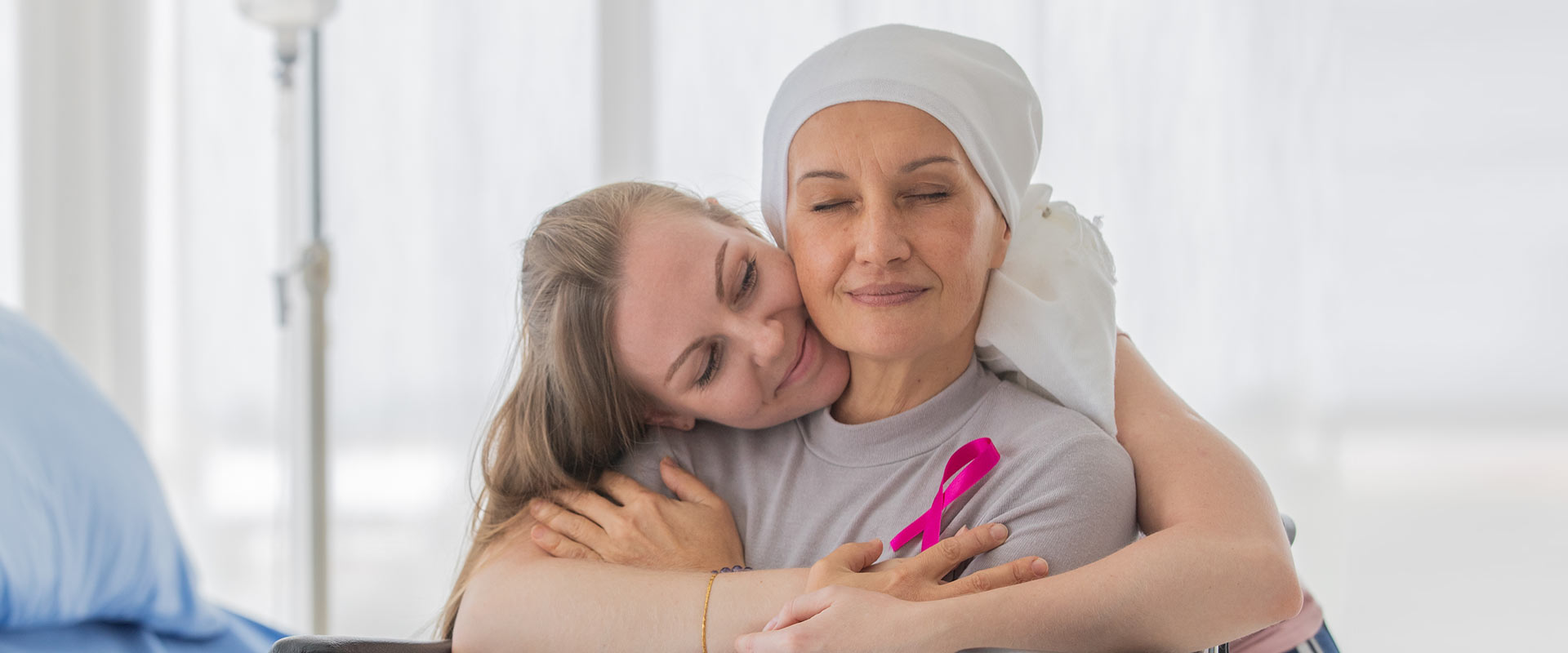

Dealing with cancer is difficult, no matter which side of the coin you are on. If you have cancer yourself, you will of course have to deal with the physical and emotional consequences of the disease. But if you are a friend or family member of someone with cancer, you may feel that you are only concerned with yourself. World Cancer Day is a time to reflect on how we can support those going through one of the most difficult experiences of their lives. Here are five tips for loved ones of people with cancer:
Patience - showing empathy and understanding
1. be patient: Dealing with cancer can be a slow and frustrating process. Be patient with your loved one as they grapple with treatment options, doctor's appointments and potentially difficult conversations about their prognosis.
Proactively offer help - every help counts
2. offer help: Many people who have been diagnosed with cancer feel like they are struggling and have to do everything on their own. However, it's important to offer them help and support when they need it. Whether it's running errands, cooking meals or just being a shoulder to cry on, let your loved one know that you are there for them. If you are very busy at work or are emotionally overwhelmed with everyday support, consider hiring a household help and everyday companionship assistance. People with cancer usually have a legal entitlement to the provision of temporary everyday companion and home helpwho can relieve you of important tasks as a trained and neutral person.
Hold back - you often mean well, but cause damage
3. avoid platitudes: It can be tempting to comfort someone with cancer with sayings such as "Everything happens for a reason" or "It's all part of God's plan" but such platitudes often do more harm than good. Instead, try to listen more than you talk and avoid giving advice unless you are specifically asked for it.
Open communication is the be-all and end-all
4. be honest: Dealing with cancer can be an isolating experience. Your loved one may feel like they're the only one going through it, so it's important to be honest about your own struggles and fears. This will help them to not feel so alone and remind them that they are not alone in this.
There is no shame in seeking professional help
5. seek professional help: If you can't cope with your loved one's cancer diagnosis, don't hesitate to seek professional help from a counselor or therapist. It's hard enough to deal with cancer without having to deal with the emotions of others.