
Hardly any other vegetable is as synonymous with autumn and well-being as the pumpkin. But behind its shiny skin is much more than just a decorative eye-catcher: pumpkin is one of the oldest cultivated plants in the world and is now one of the most versatile superfoods of all. With its high nutrient density, low calorie content and mildly sweet flavor, it not only enriches our cuisine, but also our health in a variety of ways. In this magazin , you will find out about the nutritional values of pumpkin, the different types of pumpkin and the diseases for which pumpkin can have a positive effect. We hope you enjoy exploring this superfood that adorns supermarkets in the fall.
Introduction: The pumpkin - from fall classic to health trend
Whether as a soup, oven dish or fine oil - pumpkin provides valuable vital substances, strengthens the heart and immune system and even plays a remarkable role in naturopathy. This magazin shows why the bright autumn vegetable should be an integral part of a healthy diet - and how to prepare it in the best possible way.
Pumpkin diversity: varieties and their culinary strengths
The world of pumpkins is amazingly colorful. Over 800 varieties are known, but some classics have established themselves in the kitchen:
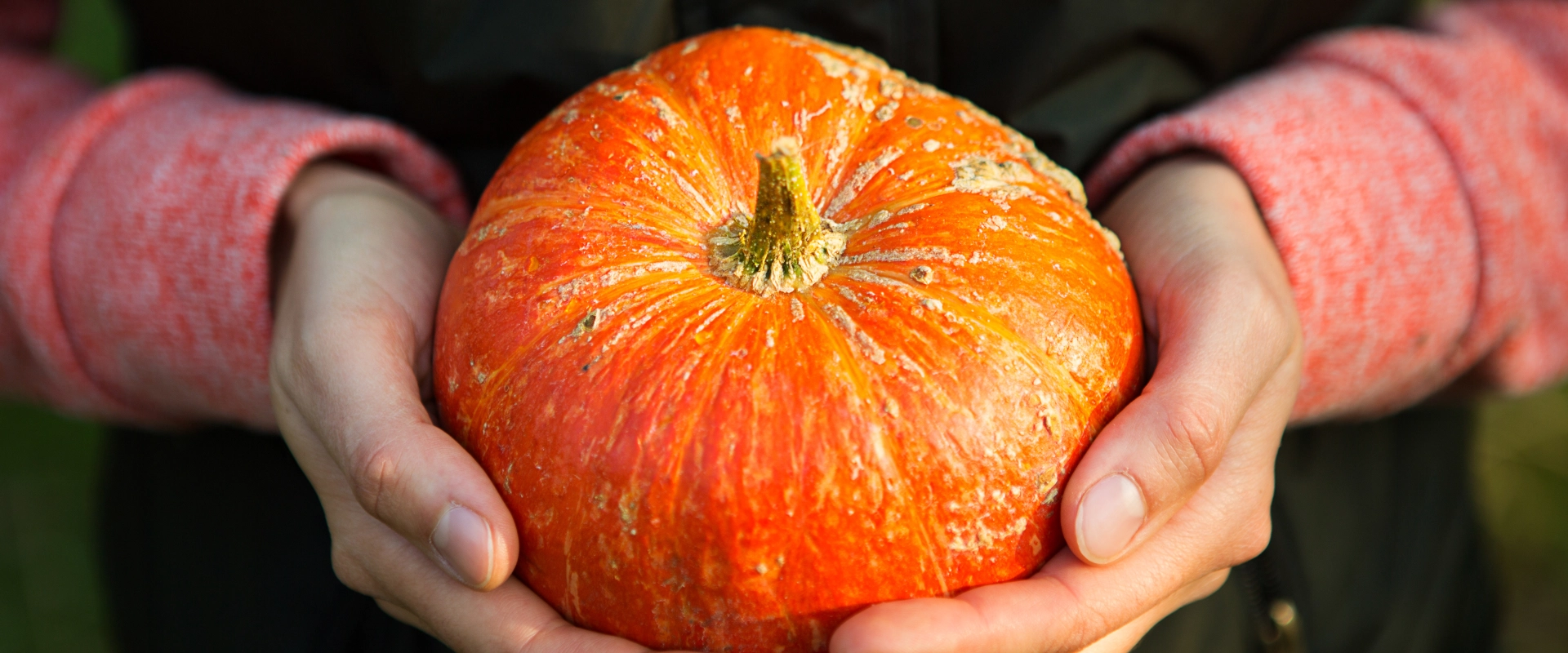
- Hokkaido: The favorite of many chefs. Its nutty-sweet taste and edible skin make it particularly practical for soups, purees or oven dishes.
- Butternut (butternut squash): Tender, creamy and slightly sweet - ideal for fine soups, risottos and purees.
- Muscat pumpkin: Aromatic and slightly nutmeg-like in taste. It is ideal for oven dishes or as a vegetable garnish.
- Spaghetti squash: Once cooked, its flesh breaks down into spaghetti-like fibers - perfect for low-carb pasta alternatives.
Each variety has its own character - from mild to strong, from creamy to fibrous. This means that pumpkins can be enjoyed seasonally and in a variety of ways.
Nutrient profile: A power package from nature
Pumpkin consists of around 90% water and is therefore low in calories - ideal for a light, balanced diet. Nevertheless, it is full of valuable ingredients:
- Vitamins: Beta-carotene (provitamin A), vitamin C, vitamin E and folic acid.
- Minerals: potassium, magnesium, iron and zinc.
- Dietary fiber: Supports digestion and keeps you full for a long time.
- Antioxidants: Protect the cells from free radicals.
Beta-carotene in particular not only gives the pumpkin its intense color, but also its antioxidant power. It strengthens the immune system, protects the skin and supports vision - especially in combination with a little fat, which improves the absorption of fat-soluble vitamins.
Health benefits: What pumpkin does to the body
Heart and circulation: protection for the life pump
Pumpkin can help regulate blood pressure and cholesterol. The potassium it contains has a blood pressure-lowering effect, while fiber and antioxidants protect the blood vessels and improve blood lipid levels. Studies suggest that regular consumption can reduce the risk of cardiovascular disease - a benefit for the heart and blood vessels.
Immune system: strengthening the body's defenses
With plenty of beta-carotene and zinc, pumpkin supports the immune system, especially in the cold season. The antioxidant effect protects the body's cells, helps heal wounds and strengthens the body's defenses against colds and infections.
Metabolism and blood sugar: gentle support for diabetes
Pumpkin has a low glycaemic index and contains phytochemicals that can help stabilize blood sugar levels. Scientific studies have shown that certain pumpkin extracts support insulin production and can therefore be particularly beneficial for people with type 2 diabetes.
Digestion and weight: fiber for intestinal health
With its high fiber content, pumpkin promotes healthy intestinal flora and contributes to regular digestion. Dietary fiber provides long-lasting satiety and can therefore help you lose weight. Thanks to its mild taste and wide range of preparation options, pumpkin is also well tolerated by sensitive stomachs.
Pumpkin as a medicinal plant: tradition meets science
Pumpkin has been valued in the traditional medicine of many cultures. In traditional Chinese medicine (TCM ), it is considered to be detoxifying, calming and strengthening, while in European folk medicine, pumpkin fruit and seeds were used to treat urinary tract disorders, stomach complaints and bladder problems.
Today, science also confirms many of these effects:
- Prostate complaints: Pumpkin seeds contain phytosterols, which have been shown to alleviate symptoms of an enlarged prostate (benign prostatic hyperplasia).
- Kidney and bladder function: the diuretic effect supports the detoxification of the body and helps with irritable bladder and urinary retention
- High blood pressure: Potassium and antioxidants in pumpkin help to regulate blood pressure.
- Skin and cell protection: The combination of vitamins A, C and E has a cell-protecting and skin-regenerating effect - a natural fountain of youth from the garden.
Pumpkin can even help with chronic tiredness or exhaustion, as it provides easily digestible carbohydrates and valuable micronutrients that stimulate the metabolism.
Pumpkin seeds and pumpkin seed oil: the little health heroes
The inconspicuous pumpkin seeds are real nutrient bombs. They contain:
- Unsaturated fatty acids (especially omega-6 and omega-9 fatty acids)
- Phytosterols (plant hormones that lower cholesterol)
- Zinc, iron, selenium and vitamin E
This combination makes pumpkin seeds a natural remedy for strengthening the immune system, promoting skin health and supporting prostate function.
The deep green pumpkin seed oil, obtained from roasted seeds, is also considered the finest vegetable oil. It has a nutty taste and a high proportion of healthy fats - perfect for salads, soups or vegetable dishes.
Tip: As pumpkin seed oil is sensitive to heat, it should not be used for frying. Instead, it develops its full aroma and health benefits when raw.
Preparation and storage: how to keep the pumpkin nutritious
Pumpkin is uncomplicated - but it is worth handling the vegetable with care in order to preserve its vital nutrients.
Gentle preparation
- Steaming or stewing: preserves vitamins better than long cooking.
- Baking or roasting: Develops an intense flavor, especially with Hokkaido or Butternut.
- Combine with fat: A dash of oil or a spoonful of butter improves the absorption of fat-soluble vitamins.
Storage and shelf life
- Whole pumpkins often keep for several weeks to months when stored in a cool, dry place.
- Cut pieces should be stored in the refrigerator, ideally in airtight packaging.
- Cooked pumpkin can be frozen - so the superfood remains available all year round.
Avoid typical mistakes
- Cooking pumpkin for too long causes valuable vitamins to be lost.
- Peel, even though it's not necessary: the skin of the Hokkaido in particular is edible and rich in nutrients.
- Incorrect storage: Pumpkins do not like moisture - otherwise there is a risk of mold growth.
Quick serving suggestions
- Cream of pumpkin soup with coconut milk and ginger - warming and immune-boosting.
- Baked pumpkin with rosemary and feta - simple, aromatic and filling.
- Pumpkin pasta with roasted seeds - nutty and healthy.
- Pumpkin bread or pumpkin porridge - perfect for the breakfast table.
Conclusion: Pumpkin - a superfood with a soul
Pumpkin is much more than just an autumn vegetable. It is a natural all-rounder that combines health, enjoyment and tradition. With its rich vitamins, minerals and antioxidants, it supports the heart, skin, immune system and digestion - in a deliciously versatile way.
Whether as a warming soup, nutty baked pumpkin or valuable pumpkin seed oil, those who regularly integrate pumpkin into their diet will benefit from its positive effects in the long term.
Superfood pumpkin - seasonal, regional, healthy and full of zest for life. A gift of nature that nourishes body and soul in equal measure. Of course, pumpkins are particularly popular in the fall, and not just for eating. It can now be found carved into a grimace on many German doorsteps for Halloween!