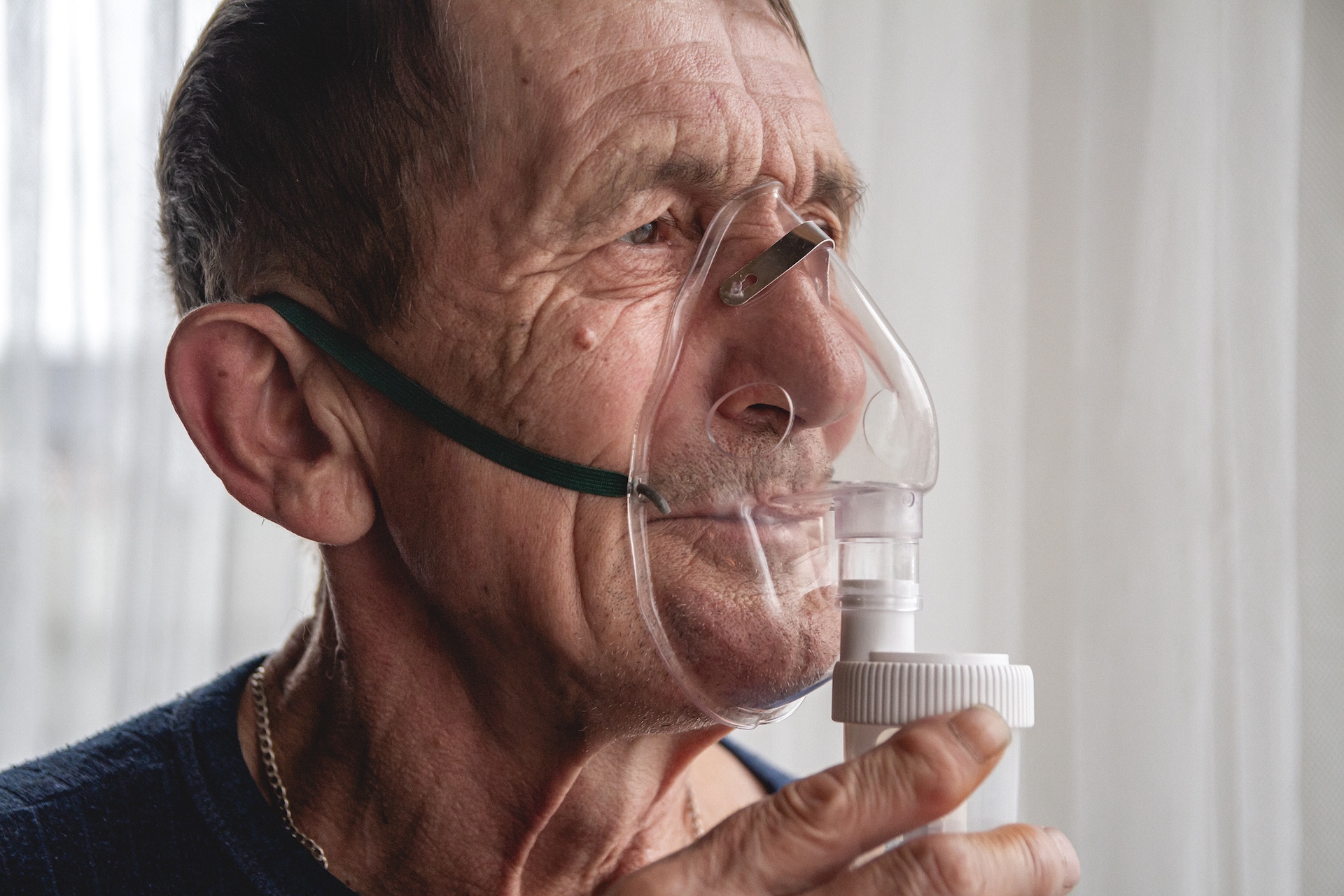

Inflammation of the lung tissue is one of the most underestimated health risks worldwide. Pneumonia prevention is one of the most important pillars of nursing care, particularly in inpatient and home care settings. But what exactly does this technical term mean, and how can people reduce their personal risk of pneumonia in everyday life or when they are sick?
In this comprehensive guide, “ magazin ,” you’ll learn everything about how pneumonia develops, how to identify at-risk groups, and specific steps you can take to keep your lungs healthy.
Definition: What is pneumonia prevention?
In medicine, the term “pneumonia prophylaxis” refers to all preventive interventions aimed at preventing infection or inflammation of the lung tissue. The primary goal is to optimize lung ventilation, prevent infections, and support the airways’ self-cleaning mechanisms. This area plays a central role in nursing care planning, as pneumonia often occurs as a complication of other diseases.
An Overview of Pneumonia
Pneumonia is an acute or chronic inflammation of the alveoli or the surrounding tissue. In Western Europe, it is considered one of the most common fatal infectious diseases. It is often caused by bacteria, viruses, or, in rarer cases, fungi.
The definition is clear: It is an invasive injury that can severely impair gas exchange in the body.
Causes and Development of Pneumonia
There are many causes of pneumonia. In most cases, pathogens enter the body through droplet transmission when a person coughs or sneezes, or by inhaling contaminated particles. A weakened immune system is often unable to stop this invasion in time.
Infections Caused by Bacteria and Viruses
Pneumococcal bacteria are usually responsible for the classic form of the disease. However, influenza viruses or the coronavirus can also cause severe cases. When the body’s immune system is immunodeficiency , these pathogens have an easy time making their way into even the smallest branches of the bronchi.
The Risk of Aspiration
Aspiration is an often-underestimated factor, especially in people who require care. In this condition, foreign substances such as saliva, food, or gastric juices enter the trachea instead of the esophagus. This leads to chemical irritation and subsequent bacterial colonization of the sensitive tissue. People with swallowing disorders are particularly at high risk.
Symptoms: How can you tell if you have pneumonia?
The symptoms of pneumonia can vary depending on the pathogen and the patient's age. A typical course of the disease is characterized by specific warning signs that must be taken seriously.
Common Signs of an Infection
- Sudden high fever
- Severe cough (often with mucus)
- A pronounced feeling of illness and general weakness
- Chills and sweats
- Increasing shortness of breath
- Sharp chest pain when breathing deeply
Pneumonia: Special Considerations for Seniors and Children
In older adults, however, these signs may be atypically mild, which makes diagnosis more difficult. Often, the only symptoms are mild confusion or general lethargy. In contrast, infants and toddlers often exhibit rapid breathing and chest retractions, which require immediate medical attention.

At-Risk Groups: Who Is Particularly Vulnerable?
Not everyone who comes into contact with pathogens immediately develops severe pneumonia. However, certain factors greatly increase the risk of pneumonia.
Pneumonia in Older Adults and Seniors
As we age, the strength of the respiratory muscles declines, and the force of the cough becomes weaker. In addition, pre-existing conditions such as COPD, diabetes , or heart failure, which place an additional burden on the lungs. Caregivers must be particularly vigilant in these cases.
Pneumonia in Infants and Toddlers
The immune systems of infants and children are not yet fully developed. In addition, young children breathe more rapidly and have narrower airways, which makes them more susceptible to infections. This is why early vaccination is often crucial.
Pneumonia in Patients After Surgery
After undergoing surgery in the hospital, many patients breathe shallowly due to pain. This shallow breathing prevents all areas of the lungs from being adequately ventilated, causing secretions to accumulate—an ideal breeding ground for bacteria and subsequent pneumonia.
The LISA Principle in Care Planning
In professional care planning, the LISA principle has become the standard. It serves as a structured framework for covering all aspects of prevention and defining clear goals.
L – Improve Lung Ventilation
The main goal is to ensure that the entire lung is ventilated. This is achieved primarily through movement and specific positioning. Only a well-ventilated lung can effectively clear pathogens.
I – Preventing Infections
Strict hygiene measures are a top priority here. Germs must not be allowed to come anywhere near the respiratory tract. This includes both the patient’s personal hygiene and that of the nursing staff.
S – Secretolysis (Secretion Dissolution)
Thick mucus in the bronchi must be thinned so that it can be coughed up. This is achieved through adequate fluid intake and medication.
A – Avoid Aspiration
Taking specific precautions when eating and drinking prevents foreign objects from entering the airways. This is the most important way to prevent aspiration pneumonia.
Specific nursing measures for prevention
Pneumonia prevention consists of a set of individual measures that must work together.
Early Mobilization and Active Movement
Exercise is the best medicine. Getting up, walking around, or even just regularly changing your sitting position increases the depth of your breathing. Early mobilization after surgery dramatically improves lung ventilation and reduces the risk of complications.
Effective Breathing Exercises and Breathing Gymnastics
Special breathing exercises help you make full use of your lung capacity. A simple example is the “lip brake,” in which you exhale against the resistance of your nearly closed lips. Conscious laughter or singing are also helpful, playful exercises for training your lungs.
Use of Breathing Trainers for Pneumonia Prevention
Mechanical breathing trainers are often used in medical therapy. These devices provide visual feedback on how deeply the patient is breathing.
Proper Positioning (Posture)
Elevating the upper body is one of the simplest and most effective measures. It relieves pressure on the diaphragm and makes it easier to breathe deeply. The so-called V-A-T-L positioning is also used specifically in specialized nursing care. This involves various pillow positions designed to facilitate ventilation of specific areas of the lungs.
Hygiene Measures as a Protective Shield and Pneumonia Prevention
Consistent hygiene drastically reduces the bacterial load in the patient's surroundings and prevents dangerous infections.
Thorough Hand Washing and Disinfection
Handwashing is the simplest and most important measure for preventing the spread of viruses and bacteria. Both caregivers and family members must be diligent about this to avoid putting themselves and others at risk.
Oral Hygiene and Dental Care
Bacteria in the mouth can easily be inhaled. Thorough oral hygiene, especially for bedridden individuals, significantly reduces the risk of infection. A clean mouth prevents pathogenic germs from traveling into the lower respiratory tract.
Nutrition and Hydration for the Prevention of Pneumonia
Adequate fluid intake is essential for the body to effectively thin and clear mucus.
Enough Water for Good Health
Water or unsweetened teas support the bronchi’s self-cleansing function. When the body is dehydrated, mucus becomes thick and sticky, making it harder to cough up and increasing the risk of inflammation, including pneumonia.
Be Careful If You Have Difficulty Swallowing
In cases of difficulty swallowing (dysphagia), the consistency of food must be adjusted. Thickening liquids often helps. Sitting upright during meals is essential to prevent aspiration and other complications.
The Role of Vaccinations in the Prevention of Pneumonia
An important piece of information for all at-risk groups is the protection provided by vaccinations. The Standing Committee on Vaccination (STIKO) repeatedly emphasizes their importance.
The Pneumococcal Vaccine
This vaccine specifically targets the most common bacterial causes of pneumonia. It is recommended primarily for older adults over the age of 60 and people with chronic underlying medical conditions.
Protection from the Flu Vaccine
The Flu often paves the way for a subsequent bacterial infection of the lungs. An annual flu shot significantly reduces the overall risk of pneumonia, since the immune system is not weakened by the virus.
Treatment Options for Existing Pneumonia
If an illness occurs despite all preventive measures, prompt and targeted treatment must be initiated.
Medical Treatment and Medications
Antibiotics are the treatment of choice for bacterial pneumonia. These medications directly combat the pathogens. For viral infections, the focus is on relieving symptoms.
Recovery and Convalescence
Strict bed rest is essential when you have a fever to avoid overloading the cardiovascular system. In addition, you should continue to do breathing exercises to support your lungs during recovery. In severe cases, hospitalization is necessary to ensure an adequate supply of oxygen.
Support in Daily Life: Household Assistance for Pneumonia
Pneumonia severely weakens the body. Often, those affected are unable to manage their household on their own for weeks. This is where an important form of support comes in.
Why Hiring a Housekeeper Makes Sense
Strict bed rest and taking it easy are essential for the healing of lung tissue. Any physical exertion, such as vacuuming or grocery shopping, puts a strain on breathing and can delay the healing process. A home health aide for pneumonia takes care of these tasks so that the patient can focus entirely on recovery.
Summary and Conclusions on Pneumonia Prevention
Pneumonia prevention is a vital task that goes far beyond simply washing your hands. A combination of physical activity, targeted breathing exercises, careful hygiene, and protection through vaccination can significantly reduce the risk of pneumonia. Whether in a professional care setting or at home, vigilance and preventive measures are key to avoiding dangerous complications and maintaining respiratory health in the long term.
FAQs on Pneumonia Prevention
Is it possible to have pneumonia without a cough?
Yes, so-called “silent pneumonia” can occur, especially in very elderly or immunocompromised individuals. In such cases, classic symptoms such as a cough or high fever are often completely absent, which makes early detection difficult.
How often should breathing exercises be done?
Ideally, at-risk patients should perform lung ventilation exercises several times a day for about 5 to 10 minutes. Consistency is more important here than the duration of each session.
Why is oral hygiene so important in preventive care?
Germs from the mouth are a common source of lung infections. When tiny droplets of saliva are inhaled, these bacteria enter the lungs directly, which is particularly dangerous for bedridden patients.
Does the flu vaccine also protect against pneumonia?
Indirectly, yes. The flu severely weakens the body and damages the mucous membranes of the respiratory tract, making it easier for other pathogens to take hold. Vaccination therefore reduces the risk of a secondary infection.
What is the most important standard of care for bedridden patients?
The combination of proper positioning (elevating the upper body) and early mobilization. Lying flat on one’s back alone does not provide adequate ventilation to the posterior sections of the lungs, which significantly increases the risk of inflammatory foci.