
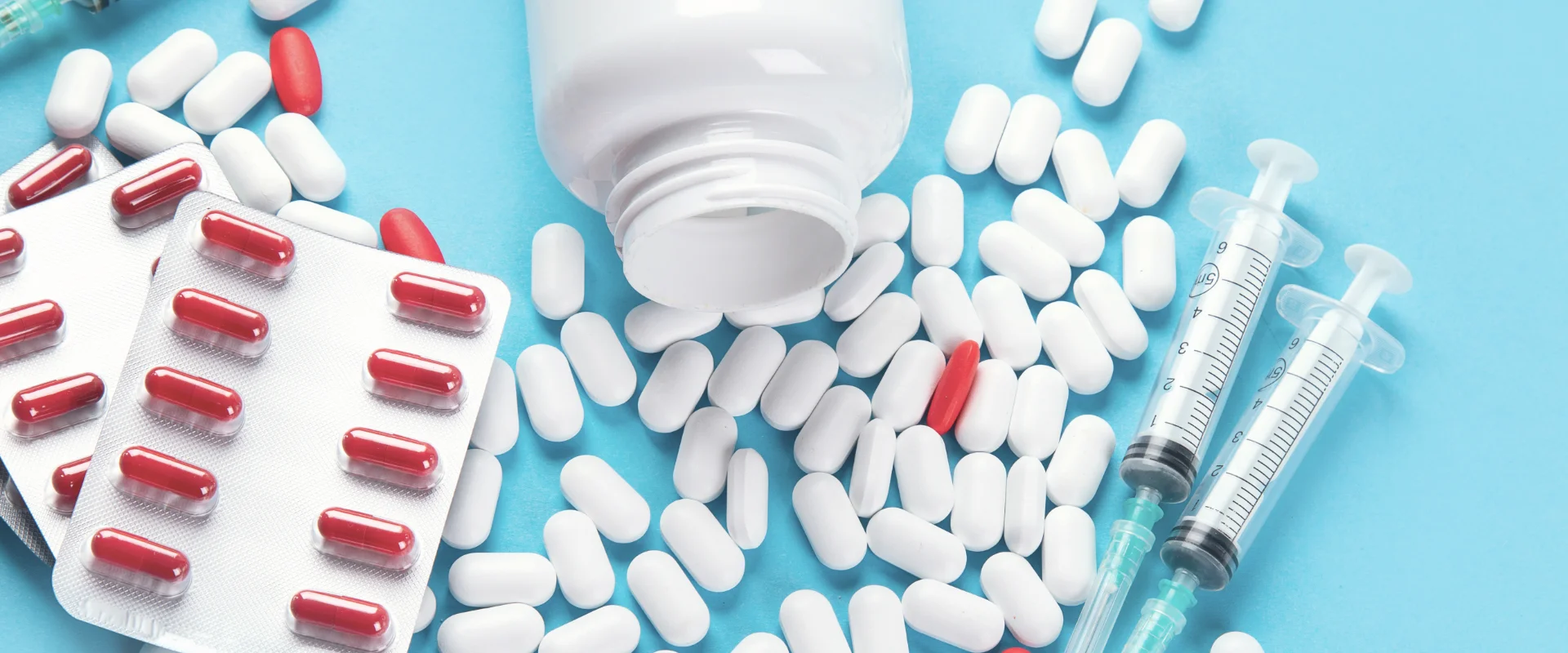

When Mrs. M. returned home after her knee surgery in the middle of summer, she really just wanted one thing: to recover. But just a few days later, she noticed that her pain ointment had become unusually runny. She had left the medications on the sunny windowsill in her bedroom during the day, unaware of how sensitive many medications are to heat.
Many people find themselves in situations like this every year. Especially in the summer, medications are often left exposed to high temperatures without anyone noticing: in the car, in a purse, in the bathroom, or while traveling. Heat can affect the effectiveness of medications—sometimes visibly, sometimes without anyone realizing it.
To ensure that you and your loved ones remain well cared for, it’s worth taking a closer look at how to properly store medications in high temperatures.
Why heat can cause dangerous changes in medications
When it comes to medications, many people first think of the expiration date. What is less well known is that temperature also plays a key role in determining whether a medication remains safe and effective.
High temperatures accelerate chemical processes. As a result, active ingredients can break down more quickly or lose their stability. Particularly sensitive medications sometimes even change their consistency: creams separate, drops flocculate, or suppositories melt.
The main problem here is that not all heat damage is visible. A medication may look completely normal on the outside but may have already lost its effectiveness. This can have serious consequences, especially with critical treatments such as insulin, blood pressure medications, or blood thinners.
What temperatures are actually considered safe?
In most package inserts, “store at room temperature” means between 15 and 25 degrees Celsius. Some medications may be stored at temperatures up to 30 degrees. Others must be refrigerated at temperatures between 2 and 8 degrees.
Mr. L., who had to take several medications temporarily following a bicycle accident, initially stored his medicines in the bathroom. In the summer, it regularly got hot and humid in there. It wasn’t until he went to the pharmacy that he learned that this very combination can damage many medications.
In addition to heat, humidity, light, and oxygen also play an important role. That is why medications should always be kept in their original packaging whenever possible, as this provides additional protection against external factors.

The right storage spot at home
These places are ideal
Rooms with as stable a temperature as possible are ideal:
- Bedroom
- Hallway
- cool storage rooms
- dark cabinets away from radiators
Medications should be stored in a dry place away from light, preferably not right next to windows or under sloped ceilings.
These locations are unsuitable
Many people keep their medications where they can easily reach them. That’s exactly what can be problematic:
- Bathroom: too humid and too warm
- Kitchen: significant temperature fluctuations
- Windowsill: direct sunlight
- Car: extreme heat buildup
Cars, in particular, can quickly become dangerous in the summer. Temperatures inside can rise to over 50 degrees in just a short time. Medications should therefore never be left in the car, not even “just for a moment.”
Which medications are particularly sensitive to heat
Not all medications are equally sensitive.
Relatively sturdy
- Tablets
- Coated candies
- Capsules
They generally tolerate short-term temperature fluctuations better, but should not be stored in a place that is consistently too warm.
Particularly sensitive
- Insulins
- Biologics
- liquid antibiotics
- Eye drops
- Creams and gels
- suppository
One daughter once told us how worried she became when her mother’s insulin had been left in an overheated bag for several hours. People with chronic illnesses, in particular, depend on their medications to work reliably. That is why special care is needed when handling heat-sensitive medications.
Should medications always be kept in the refrigerator during the summer?
No, and this is exactly where mistakes are often made.
Only medications that explicitly state "store in a cool place" or "store at 2–8 degrees" should actually be kept in the refrigerator.
The following applies:
- Store in the middle shelf if possible
- not in the refrigerator door
- Do not place directly against the back wall
- Protect from condensation
Many common medications, on the other hand, should not be allowed to get too cold. Frost can also damage medications. That’s why it’s always a good idea to check the package insert.
Protecting Medications While Traveling and on Vacation
Be especially careful when traveling
Whether summer vacation, a festival, or a day trip: Medications are often exposed to extreme temperatures while on the go.
Our experience shows that many people think about sun protection for themselves, but not for their medications.
The following are helpful:
- insulated bags
- Cooler bags for sensitive specimens
- shaded storage areas
- Carry-on luggage when flying
Especially when camping or at the beach, medications should never be left in direct sunlight.
For some of our customers, just getting to a doctor’s appointment on hot days is exhausting enough. This makes it all the more important that medications work reliably and can be transported safely.
How can I tell if there is heat damage?
Some changes are clearly visible:
- discolored liquids
- Flocculation
- unusual smell
- melted suppositories
- swollen capsules
- Cracked or brittle tablets
But be careful: Not all damage is visible from the outside.
If medications have been exposed to high heat for an extended period—for example, in a car or in direct sunlight—it’s best to check with your pharmacist rather than continue taking the medication.
Especially important for older adults and people with chronic illnesses
Older adults, people who require care, and people taking multiple medications are particularly at risk.
In addition, some medications can affect the body’s ability to tolerate heat. These include, among others:
- Diuretics
- certain blood pressure medications
- certain psychiatric medications
This can lead to circulatory problems or dehydration more quickly.
A family member once said to us:
“I was constantly afraid of doing something wrong—with the care, with the medication, with the heat.”
That is exactly why guidance and thorough preparation are so important. No one has to deal with situations like this on their own.
Checklist: Storing Medications Safely in the Summer
It’s always a good idea to do a quick check, especially when a heat wave is forecast:
- Are the medications stored in a cool, dry place away from light?
- Are there any sensitive products that need to be refrigerated?
- Are there any medications left in the car or in your purse?
- Are there any visible changes in the packaging or consistency?
- Did you check your first-aid kit before summer?
Even small changes in your daily routine can help ensure the safety of your treatment.
If you're still unsure: Get help
When it comes to sensitive medications in particular, the rule is: if in doubt, it’s better to ask one more time.
Pharmacies can often quickly determine whether a medication can still be used after it has been exposed to heat. Doctors also assess how critical a potential loss of efficacy would be for the individual's treatment.
After all, it’s not just about medication. It’s about ensuring that people can live safely at home, recover, and manage their daily lives—even on hot summer days.
Tell us about your situation—together, we can often find the right support faster than many people think.