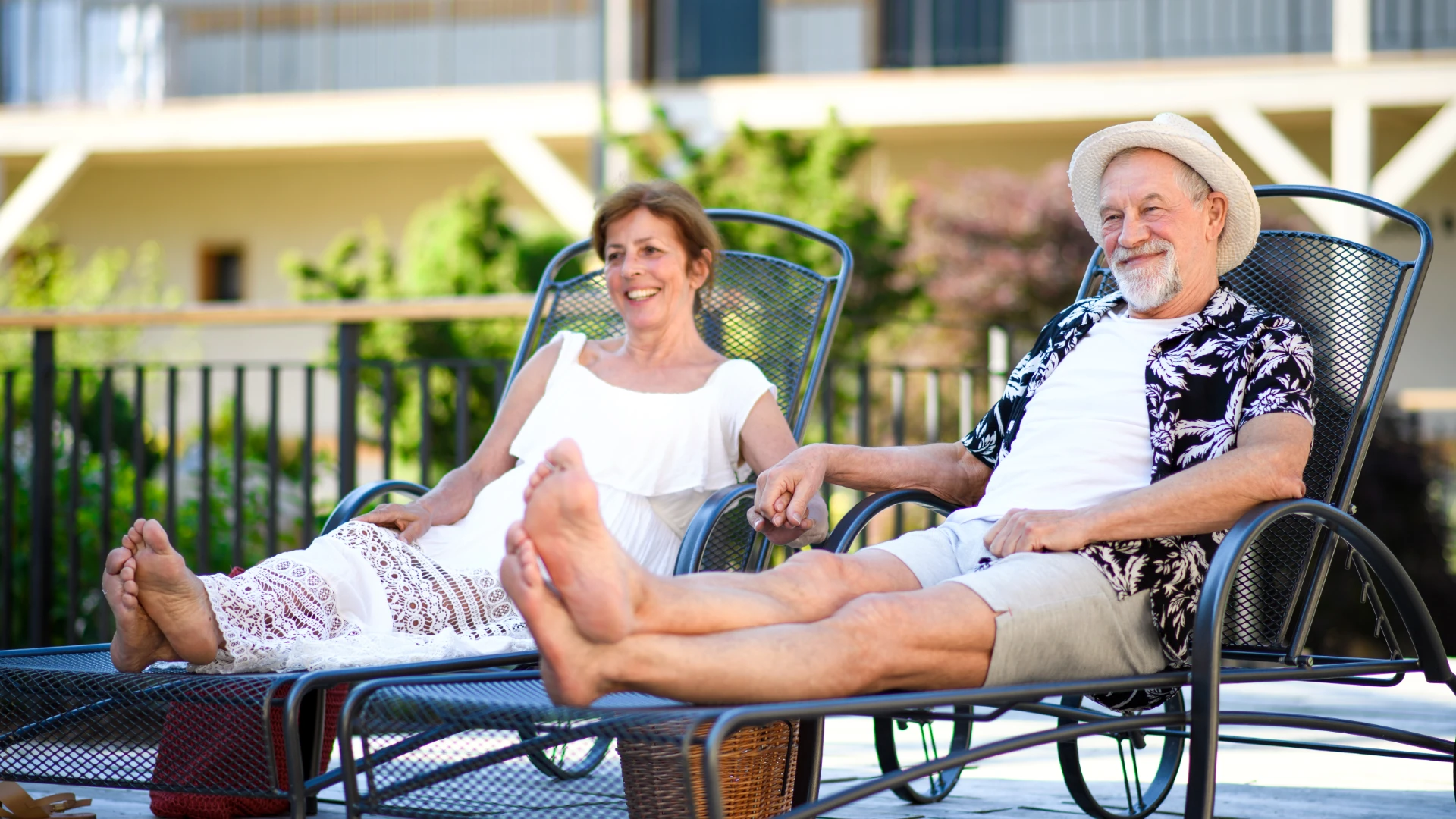

A spa vacation (often also referred to as a "cure", "spa stay" or "health trip") combines relaxation with therapeutic measures. Traditionally, it takes place in state-approved spas and health resorts where natural remedies (e.g. thermal or mineral springs, moorland, climate) are combined with medically supervised treatments. The change of location and the special environment (healing climate, tranquillity, health-promoting infrastructure) are usually integral components.
Definition and meaning: What is a "spa vacation"?
In German social law, many health cure services have been reinterpreted in recent years from the term "health cure" towards medical rehabilitation - in particular, health cures are usually only possible to a limited extent as a compulsory benefit of the statutory health insurance funds. There is therefore no such thing as a "health vacation", as is sometimes described. But in the tourist or self-paying sector, spa vacations continue to offer many opportunities to promote health and well-being.
For senior citizens, a well-planned spa vacation can be a particularly valuable way to regenerate strength, alleviate ailments and - ideally - improve quality of life in the long term.
Why a spa vacation makes sense in old age: effects & benefits
A spa vacation is not a vacation in the conventional sense, but rather a combination of relaxation, targeted therapy and a healthy lifestyle. The aim is to reduce health problems and promote your well-being. It offers a number of benefits, especially for senior citizens:
Physical advantages
- Relieving chronic complaints
Many older people suffer from ailments such as joint arthrosis, back pain, cardiovascular diseases, respiratory diseases, circulatory disorders or rheumatic diseases. Thermal, mud or mineral baths, exercise therapy, massages or therapeutic gymnastics at spas can alleviate pain and promote mobility. Studies have confirmed the positive effects of cures for rheumatic diseases. Targeting health problems and alleviating discomfort is the core task for chronic illnesses and complaints. - Improvement of circulation and metabolism
The mixture of an active stay (walks, light exercise), climatic stimuli (e.g. healing climatic air) and medical treatments (e.g. water gymnastics, massages) stimulates the circulation, promotes vascular functions and can have a positive influence on blood sugar or blood lipid levels. - Strengthening the immune system
Rest, a good climate, a healthy diet and relaxing treatments can help to mobilize or rebuild the immune system. This is the overall focus of a spa stay. - Regeneration and stabilization after illness or surgery
After an operation or prolonged illness, a spa stay can offer gentle rehabilitation and contribute to better recovery and prevention.
Mental and psychological benefits
- Stress reduction and slowing down
Leave everyday life behind: Peace and quiet, fewer commitments and a daily routine geared towards health help to reduce stress and find inner balance. - Thoughts on quality of life
Many seniors experience a perspective of mindfulness during a spa vacation, gather new energy and find new motivation. - Strengthening mental resilience
The positive effect of social contact, spending time in nature and conscious experience can improve or prevent depressive symptoms.
Social and societal benefits
- Contact with peers / "communities" in health resorts
In spas and spa hotels, you often meet other seniors with similar interests or health issues - this can provide an opportunity for exchange and community. - Active participation in life
The opportunity to travel and be active despite health restrictions boosts self-esteem and social participation. - Family and visitor structure
Relatives can often be brought along; some spa facilities also offer programs for accompanying persons.
Overview of the most important advantages
| Range | Possible benefits for senior citizens |
|---|---|
| Physical | Pain reduction, mobility, improved circulation |
| Mental | Stress reduction, relaxation, inner balance |
| Social / Community | Exchange, participation, motivation |
| Rehabilitation | Support after illness / surgery, for chronic illnesses |
Typical spa offers and treatments
To make a spa vacation effective, spas use a range of classic and modern therapy methods. Here is an overview of typical treatments, with their aims and special features:
- Balneotherapy / therapeutic baths / thermal baths
Bathing in thermal or mineral-rich water (e.g. brine, sulphur, radon, carbonic acid water) works through heat, hydrostatic pressure and minerals. The aim is relaxation, stimulation of blood circulation and regulation of metabolic processes. - Mud and mud applications
Packs or wraps with healing mud or peloids have a warming, decongesting and regulating effect on the skin and tissue. - Kneipp treatments
Water treatments (treading water, pouring, wraps), medicinal plants, exercise and nutrition according to Sebastian Kneipp are part of the program at many spas. - Therapeutic gymnastics and movement therapy
Whether in a group or individually - targeted exercises to improve strength, coordination, joint mobility and stability. - Physiotherapy and massages
Classic massages, lymphatic drainage, manual therapy, physical procedures such as ultrasound or electrotherapy, heat and cold applications. - Occupational therapy
Especially for people with disabilities: Everyday exercises, fine motor skills, strengthening, advice on aids. - Breathing and inhalation therapies
In spas with a breathing climate (e.g. sea air, alpine climate) or salt caves, inhalations or ultrasound-based inhalation are offered - helpful for COPD, asthma, allergies. - Drinking cures / Minerals / Healing water
Internal intake of medicinal water with certain minerals. Aim: metabolism, digestion, regulatory processes. - Relaxation and psychotherapeutic methods
Progressive muscle relaxation, autogenic training, mindfulness, possibly discussions or individual therapy. - Nutritional advice and diet programs
Light food, dietary changes, diet plans if required (e.g. for metabolic diseases). - Wellness components / supplementary services
The spa facility can provide additional services such as sauna, thermal baths, wellness massages etc. - separate from or integrated into spa services.
Depending on the spa and specialization, some of the applications mentioned may be more heavily weighted.
Different cure types / forms
Not every spa vacation is the same. Some common forms:
- Preventive cures: The aim is to reduce risk (e.g. cardiovascular, stress, metabolism).
- Medical cures / healing procedures: For the alleviation and regulation of existing chronic illnesses.
- Rehabilitation and follow-up treatment (rehab / AHB): After illness, surgery, stroke, etc.
- Combination cures / wellness cures: Mixed forms, more often combined with wellness hotels for a senior vacation (often privately financed).
- Outpatient cures (open spa cures): You stay in a place with therapeutic facilities and attend treatments during the day, returning home in the evening.
- Inpatient spa facilities / spa clinics: You stay directly in the clinic or a connected spa hotel.
Popular spas in Germany & regional specialties
Germany has a diverse spa landscape with around 350 certified spas and health resorts. These destinations differ in terms of climate, natural remedies, specializations and infrastructure. Here are some outstanding examples and regions:
Selection of particularly suitable health resorts for senior citizens
- Bad Füssing (Bavaria / Lower Bavaria)
Known for its thermal springs and large spa area. Treatments, massages and medical expertise make Bad Füssing a favorite for older people. - Bad Kissingen (Lower Franconia / Bavaria)
Historic spa town with good infrastructure, therapeutic offers and cultural ambience. - Bad Reichenhall (Bavaria / Alpine region)
Combination of alpine climate, salt and inhalation offers, beautiful nature and good connections. - Bad Griesbach (Bavaria / Lower Bavaria)
Focus: thermal springs, golf and health offers; popular for movement and joint therapies. - Bad Salzschlirf (Hesse / Rhön)
The Rhön region offers peaceful low mountain ranges, good air and facilities for classic cures. - Bad Dürrheim (Black Forest / Baden-Württemberg)
Climatic health resort with a combination of forest, climate and spa treatments. - Bad Wildbad (Black Forest / Baden-Württemberg)
Attractive landscape, state-recognized healing climate, good range of therapies. - Bad Lippspringe (North Rhine-Westphalia / Teutoburg Forest)
Climatic health resort with forest air, natural surroundings and peaceful scenery. - Coastal region: North Sea and Baltic Sea spas
Many spas along the coast (e.g. on Usedom, Rügen, on North Sea islands) offer thalassotherapy treatments, a sea climate, salty air and coastal services. - Air and climatic spas in the mountains
Places such as Altenau (Harz), Bad Tölz, Bad Heilbrunn, Bad Herrenalb and others in low mountain and Alpine regions.
Regional characteristics and specializations
- Coastal regions / Thalasso
The sea climate, sea air and thalassotherapy treatments (seaweed wraps, sea water baths) offer benefits for respiratory diseases, skin problems and stress. - Low mountain ranges / forest climate
Places in the Harz, Rhön, Black Forest or Ore Mountains offer peaceful forest air, a milder climate and healthy hiking. - Alps / high mountain climate
Places like Bad Reichenhall use the high altitude and cool air for respiratory therapies, salt caves, inhalation etc. - Thermal and mineral spas
Many places rely on springs, brine or thermal water (e.g. Bad Füssing, Bad Kissingen). - Cities with a medical focus
Some spa towns have specialized spa clinics with a focus on rheumatology, cardiovascular, respiratory or orthopaedics.
Organization, procedure and daily schedule of a spa vacation
A successful spa vacation is characterized by a structured but flexible schedule. Below is a typical outline and tips on organization:
Before the cure: planning & preparation
- Medical clarification / indication
A general practitioner or specialist should certify that a stay at a spa is medically advisable (e.g. documented complaints, chronic illness). - Selecting the right spa resort / spa clinic
Consider the main indications (e.g. joints, heart, respiratory tract), distance, accessibility, accessibility, equipment, specializations, range of treatments. - Duration and timing
Cures typically last 2 to 3 weeks; shorter forms (e.g. 7-14 days) are also possible for wellness cures. - Accommodation and comfort
Some opt for spa clinics, others for spa hotels with therapeutic services. Look out for barrier-free facilities, elevators, short distances, etc. - Clarify budget and financing / cost bearer
Depending on the type of cure, some costs may be covered by health insurance, pension insurance or private funds (see section "Financial support"). - Travel & arrival
The spa resort should be as easily accessible as possible (train, bus, shuttle). Many spas offer pick-up or transfer services. GRIMM-Travel+1
Typical daily routine during a spa stay
An exemplary daily rhythm could look like this:
| Time | Activity / Therapy | Note |
|---|---|---|
| 07:00 - 08:00 | Easy morning walk / breathing exercise | Outdoors or in the spa park |
| 08:00 - 09:00 | Breakfast | With a balanced diet, often a diet option |
| 09:00 - 12:00 | Treatments & therapies (e.g. exercise therapy, baths, massages) | According to medical classification |
| 12:00 - 13:00 | Lunch / rest time | As little stress as possible |
| 13:00 - 15:00 | Afternoon treatments (e.g. inhalation, physiotherapy) | Depending on the plan |
| 15:00 - 16:00 | Break / free time (coffee, reading, rest) | Rest phase planned |
| 16:00 - 17:00 | Light exercise / gymnastics / walk | Active, but moderate |
| 17:30 - 18:30 | Dinner | Healthy food, possibly lectures / spa treatments |
| 18:30 - 20:00 | Leisure program / lectures / spa meeting | Music, talks, atmospheric programs |
| Afterwards | Relaxation / going to bed | Varies depending on the person |
Important: Breaks are scheduled between applications to avoid excessive strain.
Flexibility & individual customization
A good treatment plan leaves room for adaptation - e.g. changing therapies, suspending strenuous treatments (e.g. in the event of tiredness or discomfort), incorporating break days, etc. Gentle dosing is particularly important for older people.
Financial support & cost units
A common obstacle is the question: "Who will pay for it?" Here is an overview of possible sources of funding:
Statutory health insurance / pension insurance
- In Germany, the full coverage of a "cure" by statutory health insurance has been severely restricted since 2001. Cures have often been replaced by rehabilitation.
- The statutory health insurance fund covers preventive care or rehabilitation measures if there is a medical need and the requirements are met.
- Pensioners are entitled to medical rehabilitation approximately every four years - if medically necessary.
- In the case of cures that do not have a medical focus (wellness and relaxation cures), the assumption of costs is often excluded or limited to a subsidy.
Private health or supplementary insurance
Some private health insurance policies or supplementary insurance policies (e.g. preventive care policies) offer subsidies or benefits for cures or preventive measures. Check the insurance contract in advance.

Self-payment / personal contribution
In many cases, the senior citizen or their relatives bear the costs themselves - especially for wellness or relaxation cures. Prices vary greatly depending on the region, accommodation, comfort and scope of the treatments (typically: €50-200 per day)
Subsidies from pension insurance companies
In the case of occupational illnesses or certain indications, pension insurance may cover the costs, particularly for rehabilitation measures.
Cure and remedy subsidies
In some regions (e.g. spas with municipal funding) it is possible to receive certain subsidies for stays in recognized spas. Enquire at the spa or tourist office of the respective resort.
Application & approval procedure
- A medical application with diagnoses and therapy proposals is required.
- The approving body checks medical necessity and rehabilitation capability.
- In the event of a rejection, an objection can (and should) be lodged.
- Start the application early (often several months before the planned start of the cure)
Special features for very old senior citizens and those in need of care
A spa vacation for people in old age or with care needs presents special challenges - and opportunities. Here are some aspects and tips:
Accessibility and mobility
- Choose spas and accommodation with barrier-free access, elevators, level paths and the shortest possible distances between accommodation and treatments.
- Aids (rollator, wheelchair) should be available or brought along.
- Avoid excessive walking in large spa facilities.
Support and care services
- Some spa clinics offer accompanying care services (basic care, assistance) or cooperation with care services.
- Relatives or accompanying persons can be involved to provide support.
- Make sure that emergency and medical care is within easy reach.
Therapy dosage and recovery phases
- Very old senior citizens often require a reduced scope of therapy, more breaks and closer monitoring.
- Interactions with existing medications must be taken into account.
Psychosocial support
- Loneliness or cognitive limitations can be a particular challenge. Good spas offer accompanying programs, memory training, conversations or social activities.
- Relatives can be involved in programs - e.g. information evenings, joint excursions.
Risk and security management
- Make sure you have adequate insurance cover (travel and health insurance).
- Make sure that medical care and, if necessary, emergency services are available.
- Inform the spa team about any relevant pre-existing conditions, medication and mobility restrictions.
Examples from practice
For example, an 85-year-old spa guest with slight mobility restrictions can be given a gentle therapy plan: breathing exercises and light water therapy in the morning, massage or relaxation in the afternoon, with rest periods in between. Targeted occupational therapy can train everyday movements. The distances in the spa clinic are short and a companion can help if necessary.
Current trends & developments in the spa sector for senior citizens
There are also further developments in the area of cures that are particularly interesting for senior citizens:
- Telemedicine and digital care
Some spas integrate telemedical support (online consultations, monitoring) or digital programs for rehabilitation. - Assisted health trips
Specialized travel providers offer assisted health trips with door-to-door pick-up, travel companions and medical care. - Sustainability / Green Health
Environmentally-oriented spa facilities focus on ecological construction, local nutrition, energy saving and resource-saving therapies. - Accessibility as standard
Hotels and spas are expanding barrier-free facilities, including rooms, paths, bathrooms and therapy rooms. - Individualization & modular programmes
Flexible modules (e.g. "basic module + special module") allow for individual design depending on health requirements. - Combination with wellness & prevention
The trend is towards "health trips" that combine spa and wellness and are not strictly medically oriented. - Alternating cures / short-term cures
Shorter cure programs (e.g. 7-14 days) are gaining in importance in order to be better integrated into everyday life.
These trends are helping to make spa vacations more attractive, flexible and accessible for older people.
Tips for planning and booking: checklists & tips
To make your spa vacation a success, here is a practical checklist and helpful tips:
Planning & selection
- Inform early: Ideally start choosing a suitable spa resort 6-12 months in advance.
- Note specialization: Choose locations with a focus on your health issues (e.g. orthopaedics, respiratory tract).
- Check accessibility: Rooms, paths, elevators, therapy rooms, etc.
- Clarify the scope of therapy and applications: How many applications per day, type and intensity.
- Allow accompanying persons: Find out whether accompanying persons can travel and be accommodated.
- Insurance & emergency precautions: travel insurance, health insurance, cancellation cover, contact details for emergencies.
- Arrival & transfer: How do you get there? Shuttle, train, bus? Door-to-door pick-up possible.
- Costs & financing: cost breakdown, clarification of what is covered (health insurance, insurance, personal contribution).
- Take medical documents with you: Findings, medication list, medical reports.
- Proper clothing / equipment: Comfortable clothing for therapies, sports shoes, bathrobe, aids if necessary.
- Flexible planning: Build in buffers, rest periods and alternatives (in case of weather, health).
During the stay
- Listen to body signals: Take a break if you feel unwell, have your therapy adjusted.
- Regular consultation with spa doctor / therapist: Give feedback, change therapy plan if necessary.
- Use leisure time actively, but with moderation: walks, discussion groups, gentle exercise - avoid excessive demands.
- Use social offers: Lectures, meetings, exchanges with other guests.
- Pay attention to nutrition and fluid intake: Drink enough and make sure you eat a balanced diet.
- Documentation: Keep your own diary about well-being, therapies, progress.
After the cure: transfer to everyday life
- Implement aftercare plan: Exercises, recommendations, contacts to physiotherapists to take with you.
- Maintain contacts: Stay in touch with spa doctors or facilities.
- Long-term integration: incorporating exercise, nutrition and relaxation into everyday life.
- Evaluation: What helped well? What was too much? Make a note for future cures.
Exemplary course of a spa vacation (fictitious, exemplary)
Mrs. Müller, 72 years old, osteoarthritis in hip and knee, would like a cure to relieve pain and increase mobility.
- Doctor confirms medical necessity and passes on findings.
- Selection: Bad Füssing, because of its thermal springs and good orthopaedic offers.
- Booking 3 weeks, barrier-free room, 2 treatments per day planned.
- Arrival by train with shuttle from the station.
- Therapy plan: water gymnastics and physio in the morning, mud pack and massage in the afternoon.
- In between, walks in the spa gardens and participation in discussion groups, discreet sport and exercise
- Feedback to spa doctor during the cure: Hip pain in week 1 → therapy slightly reduced.
- After the cure: training plan for at home, contact with physiotherapy.
- Result: significantly improved mobility, less pain, more comfortable feeling.
Such a cure can not only provide short-term relief, but also long-term encouragement to live healthier and provide peace of mind.
Conclusion & outlook: Spa vacations for seniors in Germany
A spa vacation for seniors in Germany offers a unique combination of relaxation, therapy and community. A well-planned cure can be particularly beneficial for older people with health problems:
- alleviate or stabilize physical complaints,
- strengthen mental and psychological health,
- Promote social contacts and motivation,
- offer a health-supported time-out.
Choosing the right spa resort, consultation with doctors, barrier-free comfort and adapted therapy plans are key to success. Particularly careful planning and care are essential for the very elderly or seniors in need of care.
Trends such as telemedicine, assisted spa trips, modularized programmes and sustainable spa hotels open up additional opportunities to make spa vacations more modern and tailored.