
When Mrs. M. stepped out onto her patio last spring, it was quiet. The garden was tidy, the lawn was trimmed short, the flower bed was well-tended, and yet there was no buzzing or humming. Not a single bumblebee on the lavender, not a butterfly on the butterfly bush—only the sound of her own breathing. “Something has to change,” she thought. A few weeks later, wild bees, bumblebees, and butterflies were dancing among purple coneflowers, meadow sage, and bellflowers. Nothing on the property had changed—only the selection of plants.
That’s exactly what this article is about: We’ll walk you through the process and show you which bee-friendly perennials can turn a lifeless patch of lawn into a thriving habitat. We’ll provide a Top 10 list, plenty of examples, honest advice on planting locations and blooming times, and a clear plan of action at the end. So you won’t be left standing alone in front of an empty flower bed.
Why Ms. M. Redesigned Her Garden
Ms. M. is 68 and lives in a townhouse with a small front yard and a flower bed on the south side. Her granddaughter had read an article by a beekeeper and told her, “Mom, our bees can hardly find any food in many gardens anymore.” Mrs. M. didn’t forget those words. Out of love for her granddaughter—and partly out of concern for the world we’ll leave behind—she set to work.
The turning point: She swapped out the same old summer flowers for bee-friendly perennials. Today she says, “I sit down on the little bench with my coffee in the morning, look out at the flower bed, and know that I’ve done something right.”
Stories like this are not uncommon. Many gardeners have experienced just how quickly a garden can change when you choose plants that truly provide food for insects. The good news: You don’t need a huge plot of land, a green thumb, or a fortune.
What Bees, Bumblebees, and Butterflies Really Need
Bees, bumblebees, butterflies, and many other insects need two things above all else for their diet: nectar and pollen. Nectar is the sweet source of energy, while pollen provides protein for the brood. A good forage habitat offers both, ideally from February through late fall.
Important to know: Many modern varieties with double flowers look enchanting, but they’re of no use to insects. The flower heads are so densely packed that neither bees nor bumblebees can reach the nectar. So when choosing bee-friendly perennials, it’s worth giving preference to single-flowered varieties and wild perennials. You’ll find the simple, open flowers just as pleasing to the eye.
Top 10 Bee-Friendly Perennials – The Best List for Your Garden
Ten bee-friendly perennials that bloom reliably in German gardens, serve as a real food source for insects, and are easy to plant even for beginners. Each of these species has proven itself—not in a show garden, but in real life, among hydrangeas, old trees, and a dry lawn.
1. Purple Coneflower (Echinacea purpurea) – a classic in the perennial bed
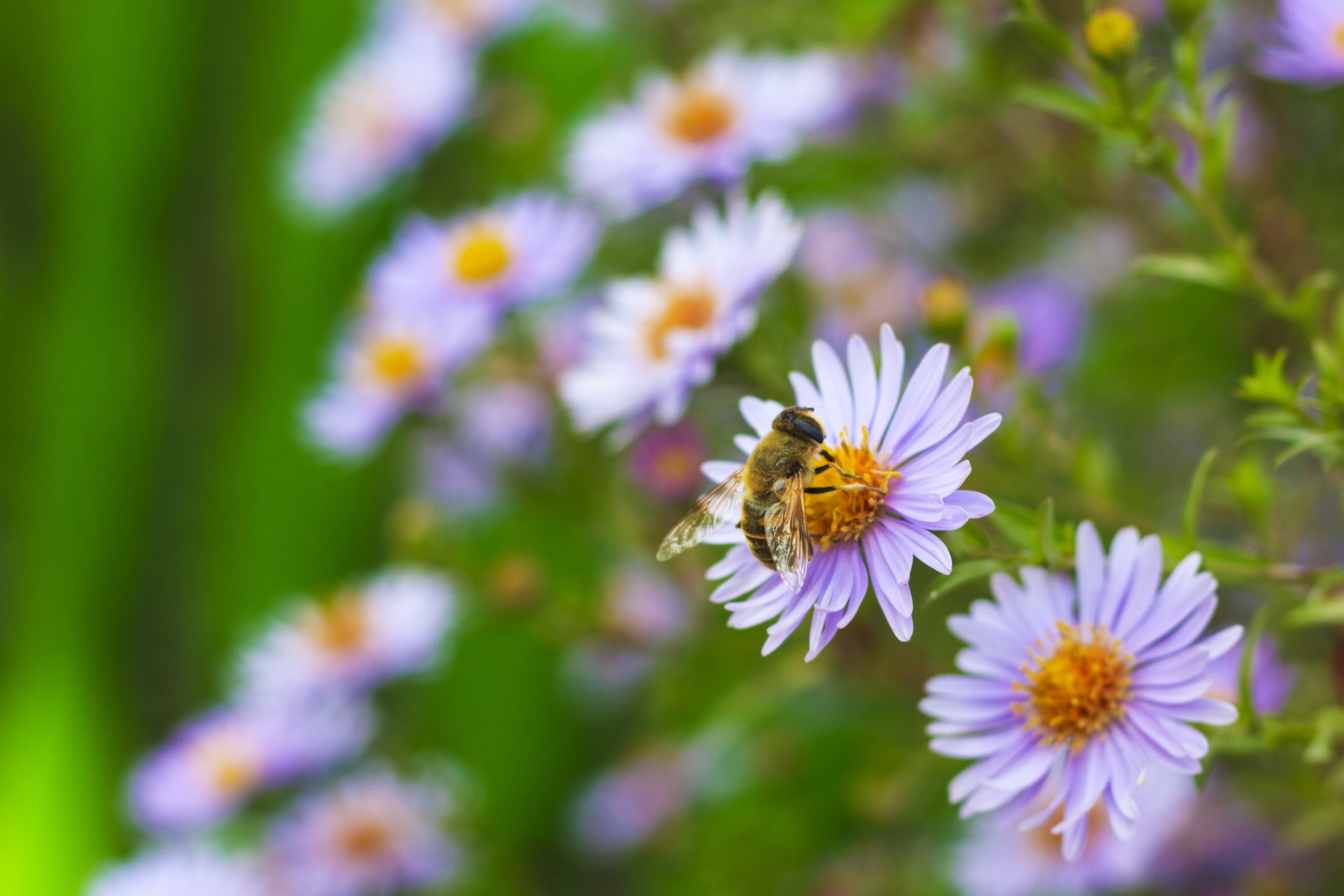
Imagine opening your patio door and seeing pink-purple flowers with bumblebees landing on them. That’s exactly what the purple coneflower looks like. Echinacea is hardy, blooms from July through September, and provides nectar and pollen to bees and butterflies for weeks on end. It’s featured in every photo of an insect-friendly flower bed—and for good reason. The purple coneflower thrives in sunny spots, grows well even in dry soil, and belongs on every “Top 10 Bee-Friendly Perennials” list.
2. Meadow sage (Salvia pratensis) – a native source of nectar for bees
Meadow sage (Salvia pratensis) is a true native wild perennial and is considered one of the most important bee-friendly perennials of all. In May and June, it opens its deep-purple, lipped flowers. Bumblebees use it as a trampoline—a little spectacle that children never tire of watching. Meadow sage likes sun and well-drained soil and is the perfect plant for a natural-looking flower bed.
3. Woodland Sage (Salvia nemorosa) – Long flowering period for insects
Salvia nemorosa, or prairie sage, is a classic in modern perennial beds. Its flower heads form dense spikes rising above the gray foliage. If you prune it back after the first bloom, you’ll be rewarded with a second burst of flowers in late summer. This keeps the buffet open for bees and bumblebees all summer long. Varieties like ‘Caradonna’ are particularly hardy.
4. Goldenrod (Helenium) – the Late-Summer Gas Station
When other plants start to fade, the sunflower (Helenium) really comes into its own. With blooms in shades of yellow, orange, and reddish-brown, it brings warmth to the flower bed as the days grow shorter. Helenium is an important late-season food source for bees and butterflies, which build up reserves for the coming year. The flower’s color, especially in the evening hours when the sun is low, brings a touch of true late summer to the garden.
5. Peach-leaved Bellflower (Campanula persicifolia)
The peach-leaved bellflower is the most elegant of all bellflowers: long stems, delicate light- to deep-blue flowers, and a touch of romance. Wild bees love it, especially the specialized bellflower sand bees. It looks especially lovely in airy perennial beds, along the edges of flower beds, or among roses.
6. Clustered Bellflower (Campanula glomerata) – lush flower heads
Campanula glomerata, the clustered bellflower, bears its flower heads on the stem like little purple bouquets. The dense clusters of flowers are a veritable feast for bees. Plant them in groups—the effect is stunning, a perfect example of how just a few perennials can carry an entire flower bed.
7. Ball thistle (Echinops bannaticus) – A magnet for bumblebees
Anyone who has ever seen a globe thistle (Echinops bannaticus) in full bloom will never forget the sight. The steel-blue, spherical flower heads attract bumblebees in such large numbers that the plant literally buzzes. Globe thistles are undemanding, tolerate drought, and need nothing but a sunny spot. They also look great in rock gardens.
8. Lungwort (Pulmonaria officinalis) – the first sign of spring
When the first bumblebee queens emerge from hibernation, lungwort (Pulmonaria officinalis) provides a lifesaving meal for many of them. Its flowers change from pink to blue within a few days—a fascinating sight. Lungwort thrives in partially shaded spots under trees, prefers slightly moist soil, and is a must-have for any insect garden. Its spotted leaves and the foliage as a whole are also a real eye-catcher.
9. Dove’s Scabious (Scabiosa columbaria) – a delicate source of nectar for bees
Pigeon scabious is delicate yet resilient: its dainty, light-blue flower heads sway in the breeze on slender stems. Butterflies, wild bees, and hoverflies love it. It blooms from June well into the fall and makes a humble, unobtrusive addition to any perennial bed.
10. Common stonecrop (Hylotelephium telephium) – An autumn feast for butterflies
The stonecrop (Hylotelephium telephium) is the queen of the late-summer flowerbed. Its flat, pink flower clusters are swarming with peacock butterflies, painted lady butterflies, and honeybees. It adds structure to the flowerbed, has thick foliage that retains moisture, and thrives in almost any soil. Even its dried-out stems in winter are a little slice of beauty.
How to Create a Bee-Friendly Perennial Bed
Planning pays off—and that goes for the garden, too. A bee-friendly perennial bed doesn’t just happen by chance; it’s the result of a deliberate selection of the right plants. It doesn’t have to be a huge project. Even a single bed measuring just two square meters, planted wisely, can provide real support for bees, bumblebees, and butterflies.

Planning the Right Location, Soil, and Blooming Season
Before you buy a single plant, take a look at the flower bed: Where does the sun shine at noon? Where does it stay in the shade? What is the soil like: sandy, loamy, heavy? Make a note of the conditions you have and choose suitable species. A second important question: When does each plant bloom? The goal is to have a continuous blooming period from February (winter aconite) through October (sun-bride, stonecrop). This ensures that insects have a food source throughout the entire season.
Sun, Shade, and the Right Soil for Wild Perennials
Most bee-friendly perennials—purple coneflower, meadow sage (Salvia nemorosa), sunflower, and globe thistle—need plenty of sun and well-drained soil. They don’t like heavy, wet soil; adding a little sand or fine-grained gravel when planting works wonders. Lungwort and meadow cranesbill are ideal for shady spots under trees. If you’re creating a rock garden, stonecrop, sage, and scabious are safe choices.
Selection of varieties and a well-thought-out color scheme
When choosing varieties, look for single flowers. A good perennial bed thrives on a good mix of flower colors: purple, blue, yellow, orange, and pink harmonize well and look balanced all year round. Plant at least three to five of each species in groups; this looks more natural and makes it easier for insects to find them. Also: Leave the dried-out stems in place in the fall. Many wild bees overwinter in them.
A Bee Paradise on the Balcony, Too
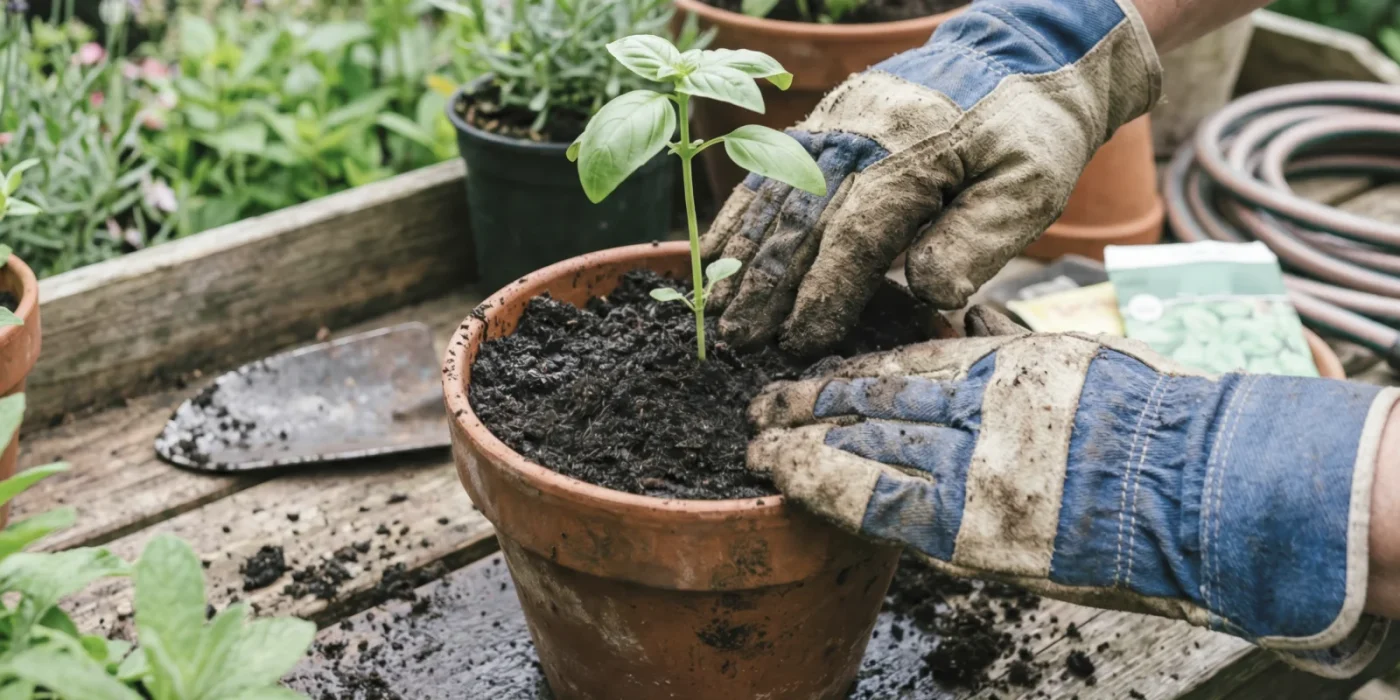
Don't have a garden? No problem. You can create a small patch of bee pasture even on your balcony. Mr. K., 74, lives on the third floor of an apartment building. Two years ago, his neighbor gave him a pot of meadow sage. Today, in the summer, wild bees, bumblebees, and even a painted lady butterfly buzz around his four-square-meter balcony.
Small Areas, Big Impact for Bumblebees and Butterflies
Compact varieties of Salvia nemorosa, stonecrop, bellflowers, and scabious are well-suited for the balcony. Herbs such as thyme, oregano, and sage also make great bee-friendly perennials in pots. It’s important to use containers that are large enough (roots need space), ensure good drainage, and water regularly. Even just two or three pots are a great way to make a difference and a wonderful opportunity to observe bees up close.
Practical tip: Place a shallow dish filled with water and a few stones next to it. This provides bees and bumblebees with a safe place to drink.
Your Next Step—Making a Big Difference with Just a Few Perennials
Perhaps you’re standing in front of the same flower bed as Mrs. M. did back then: tidy, neat, and empty. The good news is that even just a handful of bee-friendly perennials can make all the difference. You don’t have to tear up the whole garden. Start with purple coneflower, meadow sage, and a bellflower, and see what happens.
If you're unsure which plants are suitable for your location, talk to a perennial nursery near you. They'll be able to help you with their expertise. Bring a photo of your flower bed, describe the sunlight and soil conditions, and ask about wild perennials and single-flowered varieties.
And if you're not sure how to get started: Take a photo of your garden bed, note down the number of hours of sunlight it gets, and take that information to a perennial nursery. Start by planting the perennials that are suited to your location—not the ones that look the prettiest in the catalog.
Embrace diversity: just three or four species are enough to turn a lifeless flower bed into a small piece of habitat. And then: Give yourself permission not to have to do everything perfectly. Gardens aren’t works of art; they’re living spaces that grow with you. Ms. M. says with a laugh today: “I didn’t become the gardener I wanted to be—I became the observer I never was.” Perhaps you, too, will experience this small transformation.