
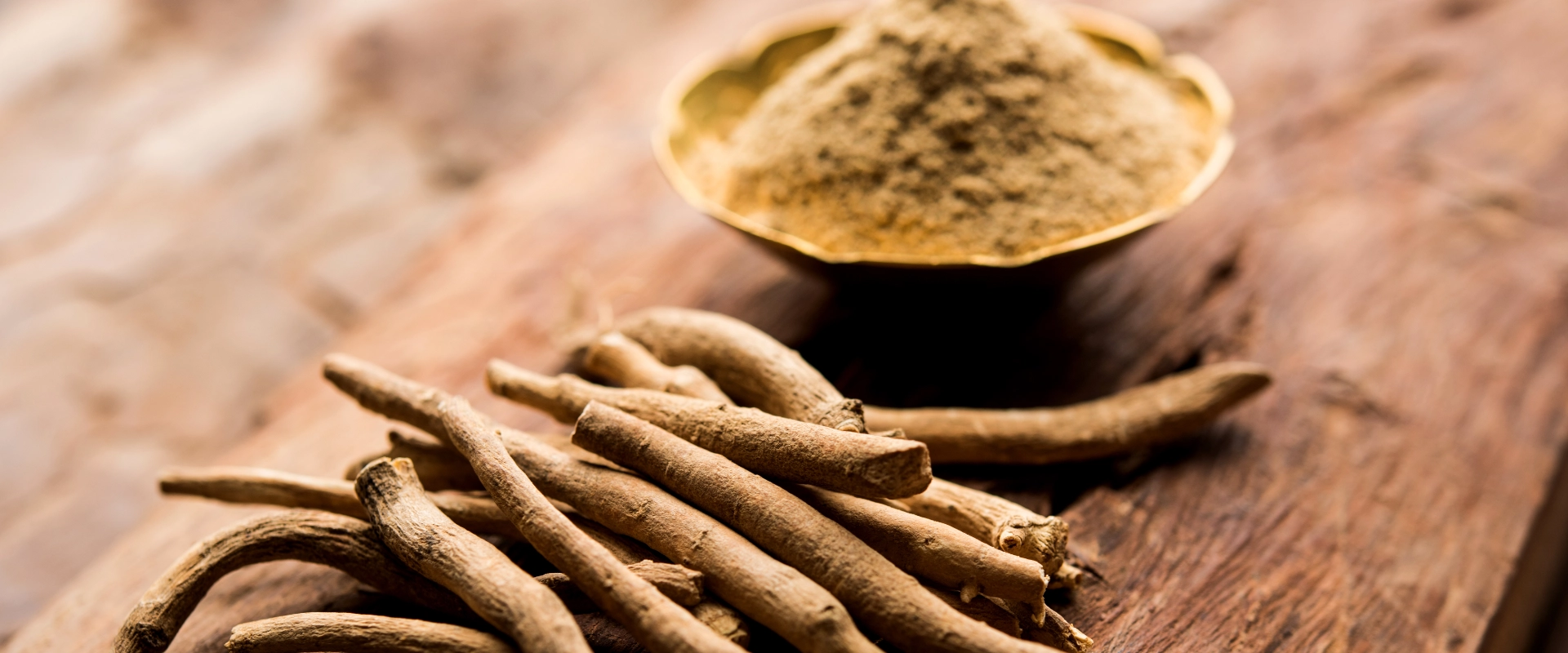

These days, chronic stress and sleep disorders are becoming an increasingly common part of daily life for many people. Ashwagandha appears to be a natural solution to these problems. Often referred to as a “miracle cure” or “Indian ginseng,” the plant has become one of the most popular dietary supplements. But what does science actually say about Withania somnifera?
Learn more about this plant, its effects, and when it should be consumed with particular caution.
What is ashwagandha?
The plant Withania somnifera, also known in German-speaking countries as the "sleepberry" or "winter cherry," belongs to the nightshade family. Botanically speaking, it is a perennial, herbaceous shrub that can grow up to 1.50 meters tall.
The plant is characterized by its inconspicuous greenish flowers and scarlet berries, which are enclosed in a calyx-like husk. While the berries resemble physalis in appearance, the primary pharmacological focus in medicine is almost exclusively on the plant’s root.
Origin and Distribution of the Sleepberry
Ashwagandha is native to dry regions of Asia, particularly India, Pakistan, and Sri Lanka, but it is also found in parts of Africa and the Mediterranean region. Today, the plant is cultivated worldwide to meet the growing demand for ashwagandha extract in the global market.
Historical Significance: Ashwagandha in Ayurveda
The name Ashwagandha comes from Sanskrit and is derived from the words ashva (horse) and gandha (scent). In Ayurveda, the traditional Indian system of medicine, it has been regarded as one of the most important plants for over 3,000 years.

Ingredients of Ashwagandha
Ashwagandha does not work because of a single compound, but rather through the interaction of several plant compounds:
- Withanolides: the most important active compounds—they are associated with stress-relieving and relaxing effects
- Alkaloids: enhance the effect, primarily on the nervous system
- Saponins & flavonoids: have antioxidant effects and protect cells
How it works in the body
In naturopathy, adaptogens such as ashwagandha are considered substances that can help the body adapt to stress. Scientists believe that ashwagandha acts on the HPA axis, which, among other things, regulates the release of cortisol.
Ashwagandha for Stress and Everyday Life: What the Studies Say
Several clinical studies and meta-analyses suggest that people who took a highly concentrated ashwagandha root extract had lower cortisol levels, reported feeling less stressed, and experienced improvements in concentration and resilience.
The evidence is not yet conclusive. Many studies are relatively small, short-term, and vary in design. Ashwagandha is not a substitute for healthy sleep, stress management, or psychotherapeutic support.
Support for Sleep and Sleep Disorders
The botanical name *somnifera* means “sleep-inducing.” Research suggests that the plant can shorten the time it takes to fall asleep and improve sleep quality—more as a result of general stress reduction than through a direct sedative effect.
Forms of application
- Capsules: The most common form, containing a standardized extract
- Powder: Dried, ground root – more in line with traditional use
- Extract: highly concentrated, available in tablet or liquid form
- Tea: less common, as the taste is often considered unpleasant
Dosage and instructions for use
There is no universal dosage recommendation. It should ideally be taken with meals. A period of 8 to 12 weeks is often recommended to assess the full effect. Taking regular breaks from use may be advisable.
Side Effects and Risks
Ashwagandha is not a harmless natural product without side effects. Common side effects:
- Gastrointestinal problems (nausea, diarrhea, abdominal pain)
- Drowsiness or lightheadedness
- Skin rashes
Take special care with liver health: There have been isolated reports of liver damage caused by high-dose supplements.
Drug interactions
Ashwagandha may interact with certain medications, such as sedatives, thyroid medications, and cardiovascular medications.
Who should avoid ashwagandha?
- Pregnancy and breastfeeding: Avoid use—high doses are suspected of having an abortive effect
- Children and adolescents: insufficient safety data
- Autoimmune diseases: Ashwagandha can stimulate the immune system and exacerbate symptoms
Health-related assessment by the BfR
The Federal Institute for Risk Assessment (BfR) notes that there is currently no definitive safety assessment available for the long-term use of ashwagandha root extracts. These products may not be marketed as medicinal products, as they are legally classified as food.
Is Ashwagandha a miracle cure?
On social media, ashwagandha is often touted as a cure-all—which is misleading. The plant shows promise, but it is not a miracle cure. A healthy lifestyle remains the foundation of good health.
Conclusion: A valuable plant with specific guidelines for use
Ashwagandha (Withania somnifera) is a fascinating plant with a long history and an increasingly solid scientific foundation. People experiencing moderate stress or sleep problems may benefit—but the risks and contraindications should not be ignored.
This article is for informational purposes only and is not a substitute for medical advice. Consult your doctor or pharmacist before taking this medication.